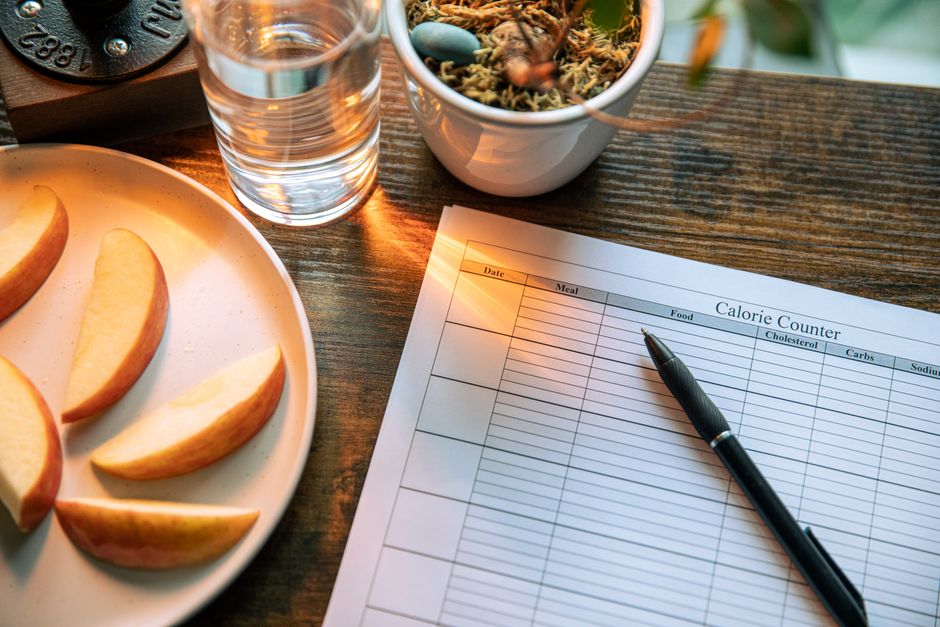
Meal Planning Basics
Meal planning is one of the most practical habits any home cook can build. Rather than deciding what to eat at 6 p.m. when energy is already flagging, you spend a focused hour each week choosing your meals in advance. This approach cuts down on last-minute takeout orders, reduces food waste, and helps you hit your nutrition goals without constant mental effort. A solid meal plan also makes grocery shopping faster because you walk into the store with a specific list instead of wandering the aisles hoping for inspiration.
Starting is simpler than most people assume. Pick one day each week — Sunday works well for many households — and block out 30 to 60 minutes to plan the week ahead. Browse your pantry and fridge first so you know what you already have on hand. Then sketch out breakfast, lunch, and dinner for seven days, making sure each day includes a protein source, a vegetable, and a whole grain or starch. Finally, write your grocery list organized by store section so you can move through the shop efficiently.
A few tips keep meal planning from becoming a chore. Start with just two or three weeks of simple recipes before ambitious multi-course plans. Keep a running list of meals your household actually enjoys so you can rotate them without re-inventing the wheel every Sunday. And build in at least one “free” night where leftovers or a simple pantry meal saves the day.
Creating a Balanced Meal Plan
A balanced meal plan does more than fill your stomach — it fuels your body with the right mix of macronutrients. Each meal ideally contains **protein** to support muscle health, **carbohydrates** for sustained energy, and **healthy fats** to aid nutrient absorption and keep you satisfied between meals. Without this balance, blood sugar can spike and crash, leaving you hungry again within an hour of eating.
Variety matters too, both nutritionally and to keep your palate engaged. Aim to include different protein sources across the week — chicken, fish, beans, eggs, and tofu all offer different nutrient profiles. Rotate your vegetables so you are not eating broccoli every single night. Use the seasons as a guide: fresh tomatoes and zucchini shine in summer, while root vegetables and squash bring warmth to winter plates.
Special dietary needs are easy to accommodate once you understand the framework. For a vegetarian household, replace meat proteins with legumes, tempeh, and dairy or egg-based options. If you are watching sodium, season with herbs, citrus, and vinegar instead of salt. Families with different needs can share a base recipe — a quinoa bowl, for instance — and customize toppings individually.
Meal Prep Recipes for Breakfast
Breakfast sets the tone for the entire day, yet it is often the meal skipped when mornings feel rushed. Meal prepping breakfast in advance solves this problem entirely. Overnight oats are a cornerstone of this strategy because they require no morning cooking — just grab and go.
**Overnight Oats Recipe**
Combine one-half cup of rolled oats, one-half cup of milk, one-quarter cup of Greek yogurt, one tablespoon of chia seeds, and one teaspoon of maple syrup in a jar. Stir well, seal, and refrigerate overnight. In the morning, top with fresh berries and a drizzle of almond butter. This recipe makes two servings if you double the batch on Sunday.
**Egg Muffin Cups**
Whisk six eggs with a quarter cup of milk, then pour the mixture into a greased 12-cup muffin tin. Add pre-cooked diced chicken sausage, chopped bell peppers, and shredded cheese to each cup. Bake at 350°F for 20 minutes until set. Store in an airtight container in the fridge for up to four days. Reheat one or two cups in the microwave for 45 seconds.
**Smoothie Bowl**
Blend one frozen banana, one cup of frozen mixed berries, one scoop of protein powder, and enough almond milk to reach a thick, spoonable consistency. Pour into a bowl and top with sliced granola, coconut flakes, and chia seeds. Smoothie bowls are best fresh but the frozen fruit base can be portioned into bags on prep day.
Meal Prep Recipes for Lunch
Lunch is where many meal preppers stumble, reaching for vending machine snacks or overpriced fast food by midday. Prepping lunch the night before or in a weekend batch ensures you have a satisfying, inexpensive alternative ready to grab from the fridge.
**Mason Jar Salads**
Layer dressing at the bottom of a wide-mouth mason jar, add hearty vegetables like chickpeas and cucumber, then pile leafy greens on top. When you are ready to eat, shake the jar or pour it into a bowl and toss. Mason jar salads stay fresh for three to four days because the dressing stays separated from the greens. Try a Mediterranean version with feta, olives, and red wine vinaigrette, or an Asian-inspired jar with sesame-ginger dressing, edamame, and shredded carrots.
**Quinoa and Vegetable Bowl**
Cook one cup of quinoa according to package directions and let it cool completely. Roast a sheet pan of vegetables — sweet potatoes, broccoli, and red onion work well together — at 425°F for 25 minutes. Portion quinoa and roasted vegetables into containers, adding a source of protein like baked tofu or grilled chicken breast on top. Drizzle with tahini dressing before serving.
**Chicken and Rice Meal Prep**
Season boneless chicken thighs with garlic powder, paprika, and a pinch of salt. Bake at 400°F for 25 minutes, then slice thinly. Cook a batch of brown rice and steam a bag of frozen broccoli. Assemble four containers with rice, broccoli, and sliced chicken. Each portion totals roughly 450 calories with 40 grams of protein.
Meal Prep Recipes for Dinner
Dinner is the meal where home cooks tend to have the most time and creativity, but it also benefits most from advance prep. These recipes are designed to make weeknight dinners feel effortless without sacrificing flavor.
**One-Pot Chili**
Brown one pound of ground turkey or beef in a large pot over medium-high heat. Add one can of diced tomatoes, one can of kidney beans (drained), one can of black beans (drained), two tablespoons of chili powder, one teaspoon of cumin, and one cup of water. Simmer for 30 minutes until the broth thickens. This recipe makes six generous servings and tastes even better the next day as the flavors meld. Serve with a dollop of Greek yogurt and a sprinkle of shredded cheese.
**Vegetable Stir-Fry with Rice**
Slice firm tofu into cubes and pan-fry in sesame oil until golden on all sides. Set aside and stir-fry a colorful mix of snap peas, shredded cabbage, carrots, and sliced mushrooms in the same pan for five minutes. Add the tofu back, pour over a sauce made from soy sauce, rice vinegar, and a touch of honey, then toss everything together. Serve over pre-cookedjasmine rice stored in a separate container to prevent sogginess.
**Beef and Vegetable Stew**
Cut beef chuck into one-inch cubes and brown in a Dutch oven. Add diced carrots, potatoes, celery, and onion, then pour in beef broth and tomato paste. Season with thyme, bay leaf, and black pepper. Cover and braise in a 325°F oven for two hours until the beef is fork-tender. This stew freezes beautifully in individual containers for up to three months.
Snack and Dessert Options
Strategic snacking prevents energy crashes and keeps late-night raids on the pantry at bay. The key is prepping snacks in single-serving containers so healthy options are as convenient as a bag of chips.
**Healthy Snack Ideas**
Pre-portion raw almonds, cashews, orwalnuts into small zip-top bags for a protein-rich snack that travels well. Keep pre-washed grape tomatoes, baby carrots, and snap peas in glass storage containers. Hummus or guacamole in small containers paired with whole-grain crackers rounds out a satisfying snack plate.
**Fruit and Yogurt Parfait**
Layer plain Greek yogurt with fresh or frozen thawed berries, a drizzle of honey, and a quarter cup of low-sugar granola in a pint-sized mason jar. Make four jars on Sunday and keep them chilled. The granola stays crunchy because it sits on top rather than being mixed in. This snack delivers about 15 grams of protein and a full serving of fruit.
**No-Bake Energy Balls**
Mix one cup of rolled oats, half a cup of natural peanut butter, one-quarter cup of honey, two tablespoons of mini chocolate chips, and one tablespoon of ground flaxseed in a bowl. Roll the mixture into twelve balls and refrigerate for 30 minutes. Store in an airtight container for up to one week. Each ball provides roughly 120 calories, making them a perfectly portioned post-workout or afternoon pick-me-up.
Meal Planning on a Budget
Meal planning naturally saves money, but a few deliberate strategies stretch your grocery budget even further. The average American household throws away roughly $1,500 worth of food each year — most of it fresh produce and prepared meals that went uneaten.
**Saving Money on Groceries**
Shop the perimeter of the store first, where fresh foods are typically arranged. The inner aisles contain more processed items that cost more per serving. Use unit pricing on shelf tags to compare brands — often a store brand is 20 to 30 percent cheaper than a name brand with identical ingredients. Always check your pantry before adding an item to your list to avoid buying duplicates.
| Strategy | Savings Potential | Effort Level |
|---|---|---|
| Buying store brands | 20–30% per item | Very low |
| Shopping seasonal produce | 15–40% per item | Low |
| Buying in bulk | 10–25% per item | Medium |
| Reducing food waste | $200–400/year | Medium |
**Buying in Bulk**
Items like rolled oats, rice, quinoa, dried beans, and frozen vegetables are significantly cheaper in large quantities. A 25-pound bag of rolled oats costs roughly $0.80 per pound compared to $2 per pound for a standard-size carton. These staples form the backbone of budget-friendly meal plans and have a long shelf life when stored in airtight containers.
**Meal Prep Ingredients That Last All Week**
Choose ingredients with strong natural shelf lives. Whole grains like brown rice and pasta keep for months. Frozen proteins — chicken breast, ground turkey, shrimp — defrost safely in the refrigerator overnight and are ready to cook by morning. Canned beans and tomatoes are pantry staples that never go bad and provide weeknight meal flexibility without a last-minute grocery run.
Frequently Asked Questions (FAQ)
What is the best day of the week to do meal prep?
Sunday afternoon is the most popular choice because most people have the most free time and can set up for the entire week in one session. However, any day works as long as it fits your schedule consistently. Some people prefer Wednesday for a midweek refresh that breaks the prep work into two smaller chunks rather than one large session.
How can I make my meal prep meals more interesting?
Rotate your spice blends and sauces every few weeks to keep familiar ingredients feeling fresh. Instead of eating plain grilled chicken every day, try a Moroccan-inspired version one week and a teriyaki-marinated version the next. Keep a small collection of condiments — hot sauce, pesto, hummus, salsa — on hand to transform simple proteins and grains into entirely different meals.
What are some tips for meal prepping for a family?
Involve family members in the planning process so everyone has input on the week’s menu. Batch-cook a shared base — a large pot of rice, a sheet pan of roasted vegetables — and let each person build their own plate with different proteins and sauces. Use a shared labeling system with removable stickers so each family member’s containers are clearly marked and easy to find in the fridge.
Top Product Recommendations
| Product Name | Rating | Key Feature | Est. Price | Action |
|---|---|---|---|---|
| Top-rated meal prep containers BPA-free | ★★★★★ | Editor-recommended meal prep containers BPA-free from this guide | $18–$42 | Check Lowest Price on Amazon |
| Best-value rolled oats for overnight oats | ★★★★☆ | Affordable rolled oats for overnight oats — strong everyday results | $12–$28 | Check Lowest Price on Amazon |
| Premium granola for yogurt parfait | ★★★★☆ | Higher-end granola for yogurt parfait for visible, lasting results | $45–$95 | Check Lowest Price on Amazon |
Affiliate Disclosure: This post contains affiliate links. We may earn a commission if you buy through our links, at no extra cost to you. Medical Disclaimer: This content is for informational purposes only and is not medical advice. Consult a healthcare professional before changing diet or exercise.
Leave a Reply