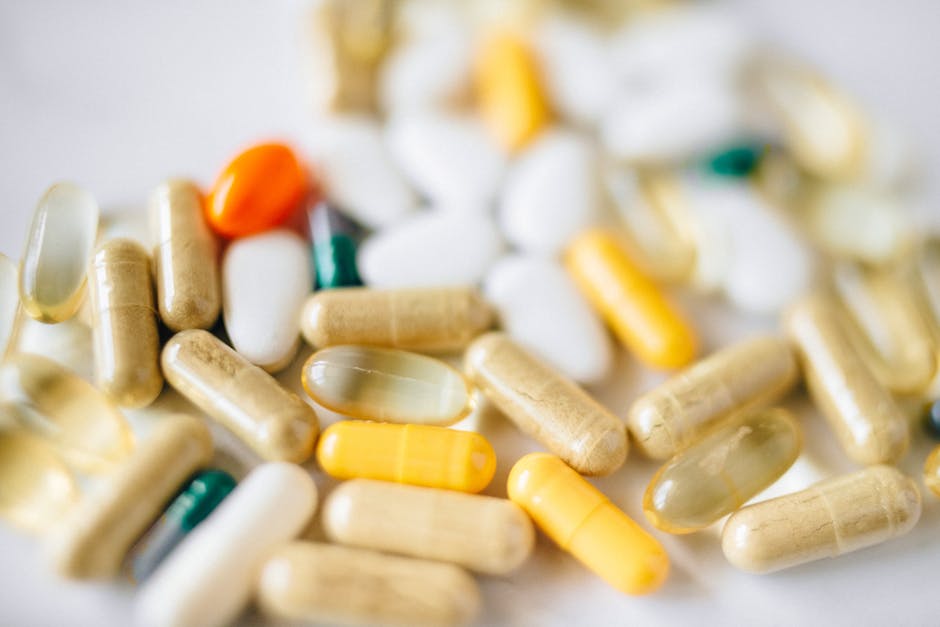
Supplements 101: What You Need to Know
Supplements are concentrated sources of nutrients that fill the gaps in your daily diet. They come in powder, capsule, tablet, liquid, and gummy forms — each designed to deliver a specific vitamin, mineral, herb, or bioactive compound directly to your body. US home cooks increasingly use supplements not just as pills to swallow, but as functional ingredients that boost the nutritional profile of everyday recipes.
The most common supplement types used in meal prep include **protein powders** (whey, plant-based), **collagen peptides**, **omega-3 fish oil**, **vitamin D**, **magnesium**, and **fiber powders** like psyllium husk. Each one dissolves, blends, or mixes into foods and drinks in different ways. Protein powders integrate smoothly into smoothies and baked goods. Collagen peptides are virtually tasteless and dissolve in hot or cold liquids without altering texture. Fiber supplements can be blended into oatmeal, yogurt, or pancake batter.
The benefit of incorporating supplements into your diet is clear: even with a well-rounded plate, most Americans fall short on key nutrients. The USDA consistently reports widespread shortfalls in vitamin D, calcium, magnesium, and omega-3 fatty acids. Supplements bridge that gap. The potential drawbacks are real too — megadosing on fat-soluble vitamins (A, D, E, K) can cause toxicity, and some herbs interact with medications. Always check serving sizes and talk to your doctor before adding a new supplement to your routine.
- **Forms of supplements:** powders, capsules, tablets, liquids, gummies
- **Common kitchen supplements:** protein powder, collagen, omega-3, vitamin D, magnesium, fiber
- **Key risk:** fat-soluble vitamins can build to toxic levels; consult a healthcare provider
Choosing the Right Supplements for Your Needs
Not every supplement belongs in your kitchen. The right choice starts with understanding your nutritional goals and any gaps your diet currently has. Are you trying to eat more protein on a vegetarian budget? A plant-based protein powder may help. Do you struggle with joint discomfort or want healthier skin? Collagen peptides are worth exploring.
Identifying deficiencies is simpler than it sounds. A routine blood panel from your primary care doctor can reveal low iron, vitamin D, or B12 levels — all of which are common in American diets. Once you know what you need, research matters. Look for supplements that carry third-party testing seals from organizations like NSF International, USP, or Informed Sport. These certifications confirm that the label matches what is inside the bottle and that the product is free from contaminants.
Reading labels carefully protects your health and your wallet. The supplement facts panel lists the serving size, the amount per serving, and the percent daily value (% DV). Watch for added sugars, artificial dyes, allergens, and proprietary blends that hide the exact ingredient amounts. A clean ingredient list with recognizable ingredients is a better choice than a formula packed with fillers and stabilizers.
- **Start with a blood test** to identify real deficiencies before buying supplements
- **Third-party seals** (NSF, USP, Informed Sport) verify purity and label accuracy
- **Check the supplement facts panel** for serving size, % DV, and ingredient list length
Incorporating Supplements into Your Daily Meal Plan
Breakfast is the easiest place to start using supplements in the kitchen. A morning smoothie with one scoop of protein powder, a handful of frozen berries, a banana, and almond milk delivers 20–30 grams of protein alongside fiber and antioxidants. Stirring a tablespoon of collagen peptides into oatmeal, overnight oats, or pancake batter adds roughly 10 grams of protein per serving with zero flavor impact.
Lunch and dinner recipes benefit from supplements too. Adding a teaspoon of powdered spirulina or chlorella to homemade hummus, guacamole, or salad dressing boosts the mineral and antioxidant content without changing the taste. Mixing a high-quality omega-3 oil into a pasta sauce or stir-fry — where the strong flavor of the oil blends into other ingredients — delivers heart-healthy fats without a fishy aftertaste.
Snacks and desserts are often overlooked as supplement delivery vehicles. Folding collagen peptides into energy balls made with oats, peanut butter, and dark chocolate chips creates a portable, protein-rich snack. Blending a scoop of protein powder into Greek yogurt with honey and granola makes a satisfying dessert or afternoon pick-me-up. These small additions stack up over a day, making it easier to meet your nutritional targets without changing your overall eating pattern.
| Meal | Supplement | Approximate Added Protein | How to Use It |
|---|---|---|---|
| Breakfast Smoothie | Protein powder (1 scoop) | 20–25 g | Blend with fruit, milk, and ice |
| Overnight Oats | Collagen peptides (1 tbsp) | 10 g | Stir into oats with liquid |
| Snack Energy Balls | Collagen peptides (1 tbsp) | 10 g | Fold into nut butter and oat mixture |
| Salad Dressing | Omega-3 oil (1 tsp) | 0 g | Whisk into olive oil and lemon dressing |
Money-Saving Tips for Buying Supplements
Supplement costs add up quickly when you are buying them every month. One of the simplest ways to save is to purchase during major sales events — Amazon Prime Day, Black Friday, and Cyber Monday consistently offer 20–40% discounts on top supplement brands. Signing up for subscribe-and-save programs through retailers like Amazon, Thrive Market, or iHerb locks in an additional 5–15% discount on repeat orders.
Bulk buying dramatically cuts the per-serving cost of most supplements. Protein powders, collagen peptides, and fiber supplements are available in economy-size containers that cost less per gram than smaller jars. Divide bulk purchases into airtight glass containers labeled with the date and store them in a cool, dark pantry or cabinet. This extends freshness and makes daily scooping faster and easier.
DIY supplement-style recipes can reduce costs for certain nutrients. Making bone broth at home — slow-simmered chicken or beef bones with apple cider vinegar — extracts collagen, calcium, and minerals naturally. Sprouting beans and lentils at home boosts their B vitamin and mineral content, reducing the need for fortified products. While DIY approaches will not replace concentrated supplements for everyone, they complement a supplement routine and stretch your grocery budget further.
- **Shop sales events** — Prime Day, Black Friday, and Cyber Monday offer the deepest discounts
- **Subscribe-and-save programs** lock in 5–15% ongoing savings on repeat orders
- **Bulk purchases** reduce per-serving cost; store in airtight glass containers
Time-Saving Hacks for Using Supplements in Your Kitchen
Prepping supplements ahead of time eliminates the friction that makes people skip them. Invest in a set of small labeled containers — one for each supplement you use daily — and keep them next to your blender or stovetop. Pre-scooping your protein powder or collagen peptides into individual zipper bags labeled with the date creates grab-and-go packets for smoothies, oatmeal, and baking mixes.
Quick recipes that rely on supplements should take under 10 minutes from start to finish. A two-minute protein shake combines a pre-packed scoop with frozen fruit, milk or water, and a handful of spinach. A microwaved mug cake — whisked egg, two tablespoons of protein powder, a splash of milk, and a pinch of baking powder — cooks in 90 seconds and delivers a high-protein dessert. Keeping a supply of ready-to-blend mix bags in the freezer means breakfast is never more than five minutes away.
Maximizing shelf life keeps supplements potent and prevents waste. Most powders stay fresh for 12–24 months when stored in airtight containers away from heat and humidity. Keep supplements out of direct sunlight and never store them in the refrigerator — moisture from temperature changes condenses inside the container and degrades the product. Write the opening date on the label so you know when to use it by for peak potency.
- **Pre-scoop into labeled bags** for grab-and-go convenience
- **Freezer-ready mix bags** cut smoothie prep time to under 5 minutes
- **Store in airtight containers** away from heat and sunlight — never in the fridge
Substituting Supplements for Regular Ingredients
Swapping regular pantry items with supplements stretches your grocery budget and boosts nutrition. Replace one egg in baking with a tablespoon of chia seeds soaked in three tablespoons of water — the mixture gels and binds like a whole egg while adding omega-3 fatty acids and fiber. Replace up to half the flour in a pancake or waffle recipe with a vanilla or chocolate protein powder to significantly increase the protein content of a traditional breakfast.
Some supplements substitute for expensive or hard-to-find ingredients. Collagen peptides replicate the gelatin-like binding properties that make certain desserts and sauces work, at a fraction of the cost of specialty gelatin products. Fiber supplements like psyllium husk replace gluten-based thickeners in baking, making it easy to create gluten-free versions of bread, muffins, and pizza dough without sacrificing texture.
Creative uses of supplements extend well beyond drinks and smoothies. Adding unflavored protein powder to meatloaf, turkey burgers, or meatball recipes increases the protein content while keeping the flavor neutral. Stirring a small amount of cocoa-flavored collagen peptides into homemade nut butter or Greek yogurt creates a protein-rich spread for toast and fruit. These small substitutions make meals more nourishing without demanding major changes to your cooking routine.
- **Chia egg swap:** 1 tbsp chia seeds + 3 tbsp water = 1 egg in baking recipes
- **Protein flour blend:** replace up to 50% of flour with protein powder in pancakes and waffles
- **Collagen for gelatin:** collagen peptides work as a binder in sauces, desserts, and meat dishes
Frequently Asked Questions (FAQ)
What are the most popular supplements used in meal prep?
The most common supplements home cooks use in the kitchen are **protein powders** (whey, pea, soy), **collagen peptides**, **fiber powders** (psyllium husk, inulin), and **omega-3 oils**. Protein powders and collagen peptides are especially popular because they dissolve easily into both hot and cold foods without dramatically altering flavor or texture. Fiber supplements are frequently added to oatmeal, smoothies, and baked goods for their digestive benefits.
How can I tell if a supplement is high-quality and safe to use?
Look for third-party testing certifications from NSF International, USP, or Informed Sport on the product label. These organizations verify that the supplement contains what the label claims and is free from harmful contaminants. Check that the supplement facts panel lists a specific amount of each active ingredient rather than hiding amounts behind a proprietary blend. Reading customer reviews on retail sites and consulting your healthcare provider also helps confirm quality and safety before you start using a new supplement in your cooking.
Are there any potential side effects or interactions I should be aware of when using supplements?
Yes, certain supplements can cause side effects or interact with medications. Fat-soluble vitamins like **vitamin D and vitamin A** can build to toxic levels if taken in excess. Omega-3 fish oil thins the blood and may interact with blood-thinning medications. Herbal supplements like St. John’s Wort and ginkgo biloba have well-documented drug interactions. Always tell your doctor about every supplement you are taking, follow the label serving size exactly, and introduce new supplements one at a time so you can identify any adverse reactions early.
Top Product Recommendations
| Product Name | Rating | Key Feature | Est. Price | Action |
|---|---|---|---|---|
| Top-rated protein powder for smoothies | ★★★★★ | Editor-recommended protein powder for smoothies from this guide | $18–$42 | Check Lowest Price on Amazon |
| Best-value collagen peptides powder | ★★★★☆ | Affordable collagen peptides powder — strong everyday results | $12–$28 | Check Lowest Price on Amazon |
| Premium psyllium husk fiber supplement | ★★★★☆ | Higher-end psyllium husk fiber supplement for visible, lasting results | $45–$95 | Check Lowest Price on Amazon |
Affiliate Disclosure: This post contains affiliate links. We may earn a commission if you buy through our links, at no extra cost to you. Medical Disclaimer: This content is for informational purposes only and is not medical advice. Consult a healthcare professional before changing diet or exercise.
Leave a Reply