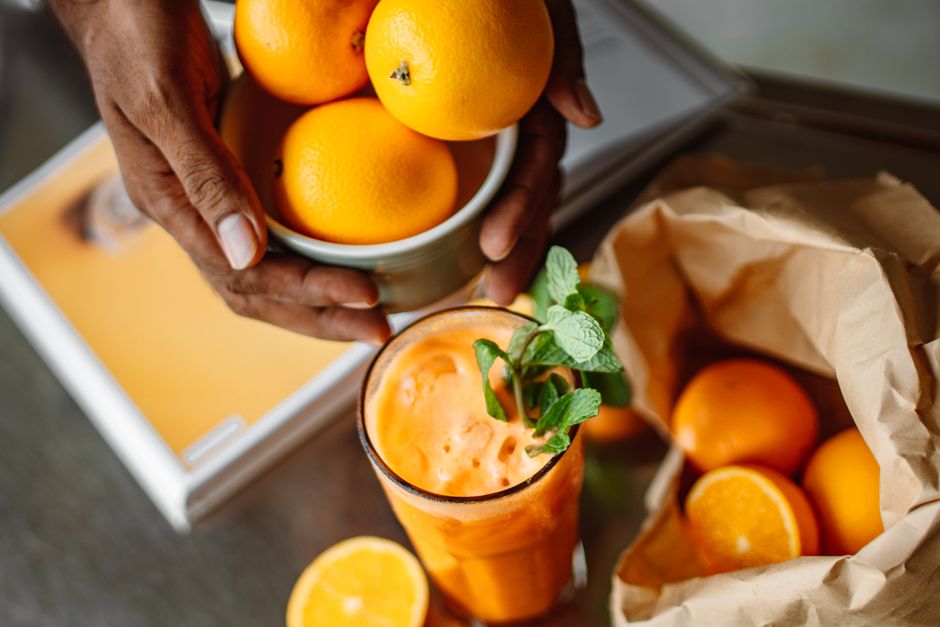
Understanding Detox Diets
A **detox diet** focuses on eliminating toxins from your body through carefully selected foods and beverages. These eating plans typically emphasize whole foods, plenty of water, and nutrient-dense ingredients that support your liver and kidneys in their natural cleansing processes. Most detox programs last anywhere from three days to several weeks.
The primary benefits include improved energy levels, clearer skin, and better digestion. Many people also experience reduced bloating and a sense of mental clarity after completing a detox program. Your body’s natural detoxification systems work more efficiently when supported by proper nutrition.
Common misconceptions suggest that detox diets are miracle cures or necessary for survival. In reality, your body detoxifies naturally every day through your liver, kidneys, and other organs. A well-planned detox simply supports these existing processes with optimal nutrition.
Choosing the Right Detox Diet
When selecting a detox program, consider your **current health status**, lifestyle, and personal goals. Short-term cleanses work well for beginners, while longer programs suit those seeking deeper lifestyle changes. Your schedule and cooking experience also play important roles in choosing the right approach.
Popular options include juice cleanses, whole food detoxes, and elimination diets. Juice cleanses provide quick results but may leave you feeling hungry. Whole food detoxes offer more satisfaction and sustainable habits. Elimination diets help identify food sensitivities while cleansing your system.
Customization ensures success and safety during your detox journey. Consider any medications you take, food allergies, and your activity level. Start with gentle approaches if you’re new to detoxing, and gradually increase intensity as your body adapts.
Ingredients for a Successful Detox
Essential detox ingredients include **leafy greens**, citrus fruits, and cruciferous vegetables like broccoli and cauliflower. These foods contain compounds that support liver function and provide antioxidants to combat free radicals. Fresh herbs like cilantro and parsley also enhance the detoxification process.
You’ll find quality ingredients at local farmers markets, health food stores, and even conventional grocery stores. Look for organic produce when possible, especially for the “dirty dozen” fruits and vegetables known to have higher pesticide residues. Frozen organic options work well for budget-conscious shoppers.
Budget-friendly alternatives include buying in bulk, choosing seasonal produce, and using frozen vegetables. Dried herbs and spices provide concentrated nutrition at lower costs than fresh options. Consider growing your own herbs on a windowsill for year-round access to fresh detox ingredients.
| Ingredient Category | Top Choices | Budget Alternative |
|---|---|---|
| Leafy Greens | Organic spinach, kale | Frozen spinach bags |
| Citrus | Fresh lemons, limes | Bottled lemon juice |
| Herbs | Fresh cilantro, parsley | Dried herb blends |
| Vegetables | Organic broccoli | Frozen vegetable mixes |
Preparing Delicious and Nutritious Detox Meals
**Breakfast** options include green smoothies made with spinach, banana, and lemon juice. Overnight chia pudding with berries provides fiber and omega-3 fatty acids. Avocado toast on sprouted grain bread offers healthy fats and protein to start your day right.
Lunch recipes focus on colorful salads with mixed greens, cucumber, and bell peppers. Add protein with hemp seeds, chickpeas, or grilled chicken if following a less restrictive detox. Vegetable soups work exc ntly for meal prep and provide warming comfort during cleansing periods.
Dinner meals center around steamed or roasted vegetables with quinoa or brown rice. Season with turmeric, ginger, and garlic for added anti-inflammatory benefits. Keep portions moderate and eat slowly to support proper digestion throughout your detox program.
Meal prepping saves time and ensures you have compliant foods readily available. Wash and chop vegetables on weekends, cook grains in bulk, and prepare smoothie ingredients in freezer bags. This preparation prevents impulsive food choices when you’re busy or tired.
Staying Hydrated and Energized During Your Detox
Proper **hydration** supports every aspect of detoxification, from kidney function to nutrient transport. Aim for at least eight glasses of pure water daily, increasing intake if you exercise or live in a warm climate. Room temperature water is easier for your body to process than ice-cold beverages.
Infused waters add variety without breaking detox protocols. Try cucumber-mint, lemon-ginger, or berry combinations for natural flavor enhancement. Green tea provides antioxidants and gentle caffeine for energy without the crash associated with coffee. Herbal teas like dandelion root specifically support liver function.
To maintain energy levels, eat small meals every few hours rather than skipping meals entirely. Include healthy fats from avocados, nuts, and seeds to provide sustained energy. Light exercise like walking or yoga keeps your blood flowing and energy stable throughout the day.
Navigating Challenges and Adjusting Your Detox Plan
Cravings for **processed foods** typically peak during the first few days of detoxing. Combat these urges by drinking water first, as thirst often masquerades as hunger. Keep approved snacks like cut vegetables and hummus readily available. Distract yourself with activities like reading or taking a bath.
Headaches and fatigue may occur as your body adjusts to new eating patterns. Reduce caffeine gradually before starting your detox to minimize withdrawal symptoms. Ensure you’re eating enough calories from whole foods to maintain your energy levels. Rest when needed and avoid intense workouts during the initial adjustment period.
Adjust your plan if you experience persistent discomfort or extreme hunger. Add more protein or healthy fats if following a very restrictive protocol. Extend meal timing if intermittent fasting feels too challenging. Remember that sustainable changes work better than extreme measures that you cannot maintain.
Detoxifying Your Body Beyond Food
Physical activity enhances detoxification by **increasing circulation** and promoting lymphatic drainage. Gentle exercises like walking, swimming, or yoga work best during active detox periods. Sweating through exercise or sauna use helps eliminate toxins through your skin. Avoid intense workouts that may stress your system while cleansing.
Stress management plays a crucial role in successful detoxification. High cortisol levels can interfere with your body’s natural cleansing processes. Practice deep breathing exercises, meditation, or gentle stretching to keep stress levels manageable. Adequate sleep also supports detoxification and hormone balance.
Other lifestyle factors include reducing exposure to environmental toxins. Use natural cleaning products, avoid plastic food containers, and choose organic personal care items when possible. These small changes reduce your overall toxic load while your body focuses on internal cleansing.
Tracking Your Progress and Measuring Success
Monitor your progress through **daily journaling** about energy levels, sleep quality, and digestive health. Take photos and measurements rather than focusing solely on the scale, as body composition changes may not reflect immediate weight loss. Note improvements in skin clarity, mood, and mental focus throughout your detox journey.
Realistic expectations include gradual improvements rather than dramatic overnight changes. Most people notice increased energy by day three and improved digestion within the first week. Weight loss varies depending on your starting point and the type of detox protocol you follow. Focus on how you feel rather than just numbers.
Celebrate small victories like drinking your target amount of water or choosing vegetables over processed snacks. Share your experience with supportive friends or online communities. Plan healthy rewards like a massage or new workout clothes to maintain motivation throughout your detox program.
Frequently Asked Questions
Q: What is the best time of day to consume detox meals?
A: Eat your largest detox meals earlier in the day when your digestive system is most active. Have your main meal at lunch and lighter options for dinner. This timing supports better digestion and energy levels throughout your detox program.
Q: Can I follow a detox diet if I have a medical condition or take medication regularly?
A: Always consult your healthcare provider before starting any detox program, especially if you take medications or have chronic health conditions. Some detox protocols may interact with medications or worsen certain medical conditions. Your doctor can help you choose a safe approach.
Q: How often should I do a detox diet?
A: Most nutrition experts recommend seasonal detoxes, roughly every three to four months, rather than frequent intensive cleanses. Focus on maintaining healthy eating habits between detox periods. Listen to your body and avoid detoxing if you’re stressed, pregnant, or dealing with illness.
Top Product Recommendations
| Product Name | Rating | Key Feature | Est. Price | Action |
|---|---|---|---|---|
| Top-rated organic detox tea bags | ★★★★★ | Editor-recommended organic detox tea bags from this guide | $18–$42 | Check Lowest Price on Amazon |
| Best-value glass water infuser bottle | ★★★★☆ | Affordable glass water infuser bottle — strong everyday results | $12–$28 | Check Lowest Price on Amazon |
| Premium chia seeds bulk organic | ★★★★☆ | Higher-end chia seeds bulk organic for visible, lasting results | $45–$95 | Check Lowest Price on Amazon |
Affiliate Disclosure: This post contains affiliate links. We may earn a commission if you buy through our links, at no extra cost to you.
Leave a Reply