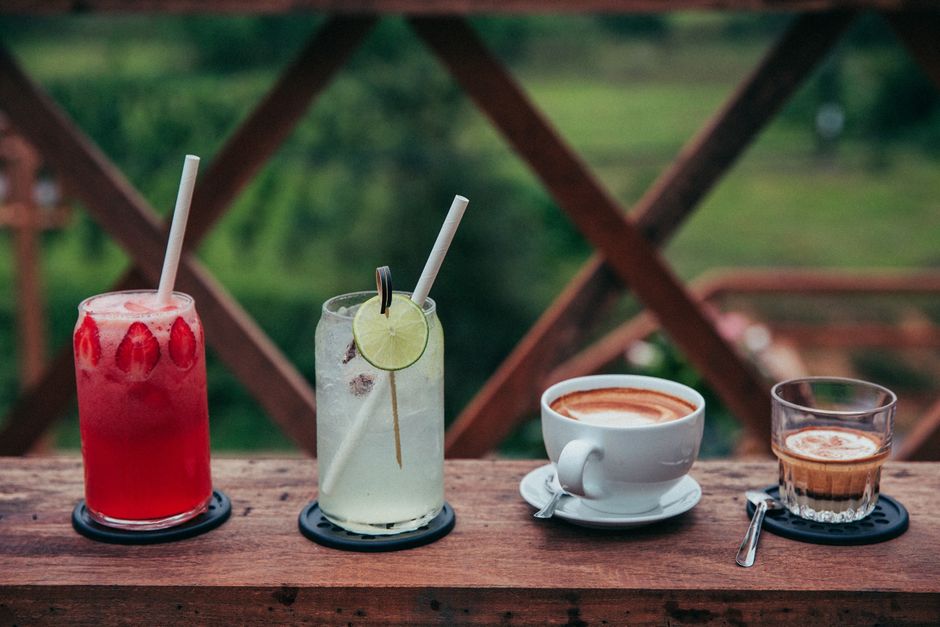
Why Drinks Deserve Scrutiny During a Fast

Intermittent fasting (IF) alternates between eating windows and voluntary fasting to unlock metabolic benefits — fat burning, improved insulin sensitivity, and cellular repair. The core rule is straightforward: during your fasting window, **anything that raises insulin or delivers calories breaks your fast**. Most people scrutinize every bite of food, yet beverages slip under the radar. A single sweetened drink can spike insulin and quietly end the fat-burning state you spent hours building — without you noticing until your results stall.
That’s why drinks deserve just as much attention as food. Understanding which beverages are safe versus which ones silently break your fast is the single most practical skill an intermittent faster can develop.
Quick pick: Compare top-rated Fasting options.
Drinks That Definitely Break Your Fast
These beverages are the most common culprits.
**Sugary drinks** — sodas, sweet teas, lemonades, energy drinks, and fruit juices — deliver rapid glucose spikes that trigger an insulin response and end your fast immediately. Even a small glass of orange juice delivers 20+ grams of sugar. Fasting safely means keeping every sip as clean as your food choices.
**Milk and cream-based beverages** are another frequent trap. A splash of whole milk in your coffee adds calories and lactose, a sugar that stimulates insulin. Lattes, cappuccinos, smoothies, and protein shakes all contain enough protein and carbohydrates to break a fast — even when they’re marketed as healthy choices.
**Alcohol** is a hard no during fasting windows. Beer, wine, and cocktails contain calories that halt fat oxidation. Alcohol also impairs the liver’s glucose regulation, making it especially disruptive to the metabolic goals of fasting.
| Drink | Breaks Fast? | Why |
|---|---|---|
| Regular soda | Yes | High sugar, immediate insulin spike |
| Orange juice | Yes | ~20g sugar per serving |
| Latte / cappuccino | Yes | Milk adds protein + lactose |
| Smoothie | Yes | Fruit sugar + calorie load |
| Beer / wine | Yes | Calories + disrupts liver metabolism |
| Protein shake | Yes | Amino acids trigger insulin response |
| Sweetened tea | Yes | Added sugar raises insulin |
| Bulletproof coffee | Gray area | Fat-only = minimal insulin; purists avoid |
Drinks in the Gray Zone

**Bulletproof coffee** — black coffee blended with butter or MCT oil — is hotly debated among fasting communities. Pure fat has nearly zero insulin effect, so many intermittent fasters consider it acceptable. However, it does contain calories (roughly 200–400 per cup), which technically interrupts a strict fast. If your goal is autophagy or strict caloric restriction, skip it. If your goal is fat adaptation and hunger control during a 16:8 window, it may be tolerable.
**Bone broth** falls into a similar category. It contains protein and small amounts of calories. People often use it during extended fasts for electrolytes, but it technically breaks a strict fast. Use it strategically during 24-hour+ fasts to prevent muscle loss — not as a daily fasting companion.
**Apple cider vinegar (ACV)** diluted in water is generally considered safe. It contains negligible calories and may support fasting by improving insulin sensitivity. Stick to 1–2 teaspoons in 8 oz of water — no added honey or sweetener.
Drinks That Are Safe During a Fast
You have satisfying options that won’t break your fast.
- **Plain water** — still or sparkling — is always safe. Zero calories, zero insulin effect.
- **Black coffee** is the most popular fasting companion. It suppresses appetite, is calorie-free, and may enhance fat oxidation. Keep it black — no sugar, no creamer, no flavored syrups.
- **Plain green, black, or white tea** brewed without additives is safe and delivers antioxidants.
- **Herbal teas** — peppermint, chamomile, ginger, and hibiscus — are generally fine as long as they’re unsweetened with no added fruit pieces.
- **Sparkling water / club soda** with no added sugar or juice is perfectly safe.
- **Plain electrolyte water** (sodium, potassium, magnesium — no sugar) supports longer fasts without breaking them.
The rule of thumb: **if it’s clear, unsweetened, and calorie-free, it’s almost certainly safe**.
Sweeteners in Coffee or Tea
This is one of the most searched fasting questions — and the answer depends on the sweetener type.
**Stevia** in very small amounts appears to have minimal insulin effect for most people. Some studies, though, suggest even the sweet taste can trigger a cephalic phase insulin response. **Erythritol** is similarly low-risk but not zero-risk for every individual. **Aspartame and sucralose** are more controversial — research links them to insulin spikes despite having no caloric value.
If you’re fasting for metabolic health or fat loss, the safest move is to train yourself to drink coffee and tea plain. Most people adapt within 1–2 weeks. If you genuinely cannot tolerate black coffee, a tiny amount of stevia is your lowest-risk option. Avoid flavored creamers, sugar-free syrups with maltodextrin, and any sweetener blends containing mystery fillers.
Common Mistakes That Break Fasts Without Realizing It
Many fasters unknowingly end their fast with small additions they assume are harmless.
- **”Just a splash” of creamer**: Even 1 tablespoon of half-and-half adds roughly 20 calories and can trigger a mild insulin response over time.
- **Flavored sparkling water**: Brands with “natural flavors” are usually fine, but some contain citric acid or fruit juice concentrate. Check the label.
- **Gummy vitamins or chewable supplements**: These often contain sugar and gelatin. Switch to capsule or powder forms during fasting windows.
- **Chewing gum**: Stick to plain, sugar-free gum if needed — though even mint flavor stimulates hunger hormones in some people.
- **Protein powder in water**: Even when mixed with just water, protein shakes raise insulin and amino acids, breaking the fast.
The fix is simple: **read every label**, and when in doubt, save it for your eating window.
Staying Hydrated and Energized While Fasting
The most common fasting side effects — headaches, fatigue, irritability — are usually **dehydration or electrolyte depletion**, not hunger. Addressing them doesn’t require breaking your fast.
- Drink **at least 8–10 cups of water** spread throughout the fasting window.
- Add a pinch of **pink Himalayan salt** to water for sodium replenishment.
- Use a **sugar-free electrolyte powder** (verify zero calories and no maltodextrin).
- Sip **herbal tea** in the afternoon to manage hunger and stay warm.
- **Black coffee** in the morning can suppress appetite for 2–4 hours. Keep it to 1–2 cups to avoid cortisol spikes.
Proper hydration makes the difference between a miserable fast and a productive one.
Breaking Your Fast the Right Way
How you end your fast matters as much as what you avoid during it. After a 16–24 hour fast, your digestive system benefits from a **gentle re-entry**.
- Start with something light and easy to digest: bone broth, a small handful of nuts, or a piece of fruit.
- Avoid jumping straight into a large, high-fat meal — it can cause bloating and GI distress.
- **Lean protein + vegetables** make an ideal first full meal: they refuel muscles without overwhelming digestion.
- Chew slowly and give your body 20 minutes before deciding if you want more food.
Common mistake: breaking a fast with processed snacks or fast food. You’ll undo the metabolic benefit and likely overeat due to a hunger rebound.
Frequently Asked Questions (FAQ)
Q: What happens if I accidentally drink something that breaks my fast?
A: Don’t panic — one slip doesn’t erase all progress. Simply resume fasting from that point or continue into your eating window if it’s close to your scheduled time. The key is consistency over days and weeks, not perfection on any single day.
Q: Can I add sweeteners to my coffee or tea during a fasting window?
A: Small amounts of **stevia or erythritol** are the lowest-risk options, though even these may trigger a mild insulin response in sensitive individuals. For best results, train yourself to drink coffee and tea plain — most people adapt within 1–2 weeks.
Q: Does sparkling water break intermittent fasting?
A: Plain sparkling water or club soda with no added sugar, juice, or calories is safe during a fast. Carbonation has no metabolic effect. Verify the label shows zero calories and no sweeteners before drinking.
Top Product Recommendations
| Product Name | Rating | Key Feature | Est. Price | Action |
|---|---|---|---|---|
| Top-rated sugar-free electrolyte powder fasting | ★★★★★ | Editor-recommended sugar-free electrolyte powder fasting from this guide | $18–$42 | Check Lowest Price on Amazon |
| Best-value MCT oil for bulletproof coffee | ★★★★☆ | Affordable MCT oil for bulletproof coffee — strong everyday results | $12–$28 | Check Lowest Price on Amazon |
| Premium stvia sweetener packets | ★★★★☆ | Higher-end stvia sweetener packets for visible, lasting results | $45–$95 | Check Lowest Price on Amazon |
Affiliate Disclosure: This post contains affiliate links. We may earn a commission if you buy through our links, at no extra cost to you.
Leave a Reply