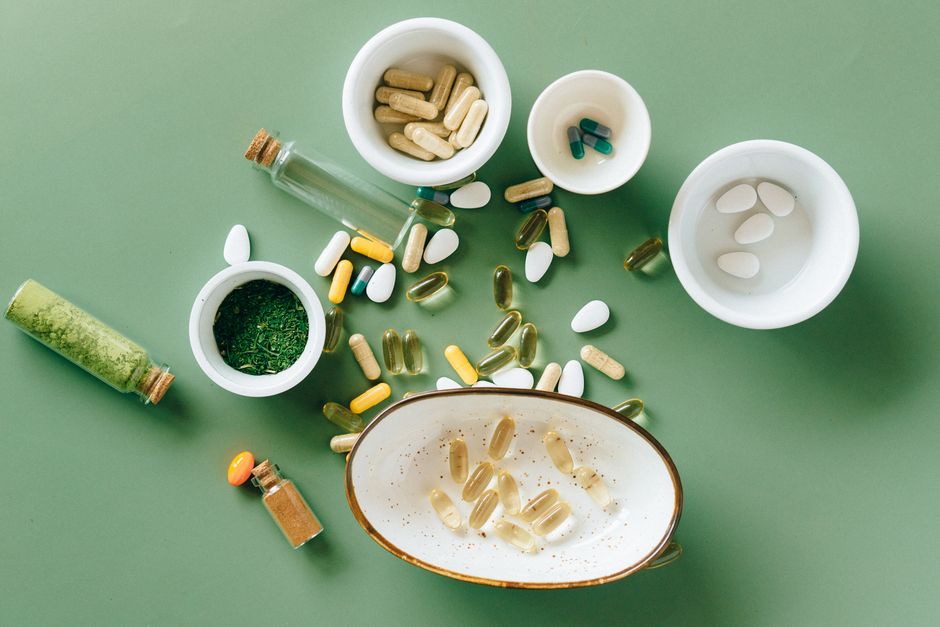
Why Weight Loss Supplements Deserve a Closer Look
American consumers are projected to spend over $50 billion annually on dietary supplements by 2026, and weight loss products make up a significant share of that market. The problem most buyers run into is separating what actually works from the marketing noise. This evidence-based review covers which weight loss supplements are backed by real research, how to combine them with whole-food meals, and the most common mistakes that waste both money and health.
Quick pick: Compare top-rated Supplements options.
What the Science Actually Supports
Not all supplements are created equal. The products that deliver results share a handful of key ingredients studied in human randomized controlled trials with at least 100 participants and 8 or more weeks of follow-up.
**Ingredients with the strongest evidence:**
- **Fiber supplements** (5–10g glucomannan or psyllium before meals) show modest but consistent effects on satiety and daily calorie intake across multiple RCTs.
- **Whey protein** (20–30g per serving) supports lean muscle retention during a calorie deficit, which indirectly preserves metabolic rate.
- **Green tea extract standardized to 50%+ EGCG** raises daily energy expenditure by roughly 3–4% in meta-analyses.
- **L-Carnitine** (500–2000mg) may enhance fat oxidation during exercise, though results depend heavily on baseline diet quality.
- **Probiotic strains** (Lactobacillus gasseri, Bifidobacterium) show emerging evidence for modest visceral fat reduction in subjects with higher baseline BMI.
**Ingredients to avoid:** Steer clear of proprietary blends that list no exact dosages. If a label reads “Proprietary Blend 500mg” without breaking out individual amounts, that product fails basic transparency standards.
How Supplements Fit Into Your Nutrition Plan
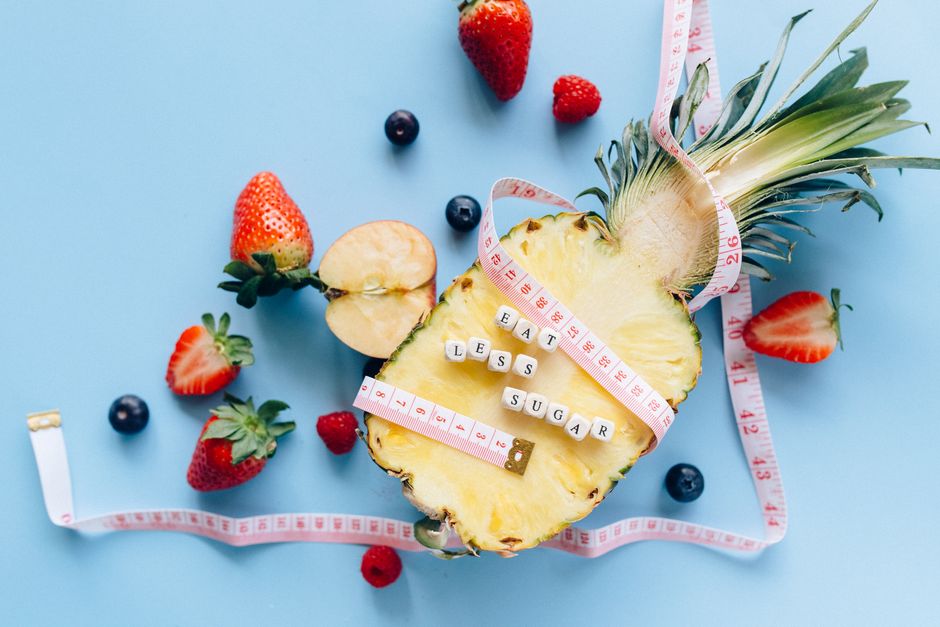
Supplements supplement — they do not replace. A supplement strategy only pays off when it sits on top of a solid dietary foundation built around whole foods, adequate protein, and a sustained calorie deficit.
Think of supplements as the supporting cast. They can help you feel less hungry, preserve muscle mass, or sustain energy during a restrictive phase. But without the main script — a balanced plate and consistent exercise — they deliver diminishing returns.
**Supplement timing framework:**
- Fiber or protein supplements: 20–30 minutes before meals to support satiety
- Thermogenic blends (green tea, caffeine): morning or early afternoon only
- Probiotics: with a meal containing fat or fiber for improved bacterial survival
- Fat-burning stacks (L-Carnitine, choline): pre-workout on training days
The biggest mistake people make is adding supplement after supplement without auditing their baseline diet first. Before buying anything new, ask yourself: Am I getting at least 0.7g of protein per pound of bodyweight? Are vegetables filling at least a quarter of my plate? Fix those foundations before spending a dollar on anything in a bottle.
Building Meals That Work With Your Supplements
Pairing real food with the right supplements creates a compounding effect. Here is a daily meal framework designed to complement your supplement routine.
| Meal | Foods | Supplement Pairing |
|---|---|---|
| Breakfast | 2 eggs, whole-grain toast, spinach | 1 scoop whey protein in morning smoothie |
| Lunch | Grilled chicken breast, quinoa, roasted broccoli | Fiber supplement with 12oz water before eating |
| Snack | Greek yogurt, blueberries, almond butter | Probiotic capsule with snack |
| Dinner | Baked salmon, sweet potato, asparagus | Green tea extract with meal |
| Post-dinner | Casein protein shake (optional) | Supports overnight muscle retention |
**Budget-friendly ingredient swaps:**
- Swap chicken thighs for **skinless chicken breast** — same protein, fewer calories.
- Replace sour cream with **plain Greek yogurt** in recipes — higher protein, lower fat.
- Use **cauliflower rice** in place of half the white rice in stir-fries — cuts carbs dramatically.
- Substitute **coconut aminos** for soy sauce — lower sodium with a subtle sweetness.
Meal prep on Sundays eliminates midweek takeout temptation, which alone can undo weeks of careful nutrition and supplement planning. Batch-cook lean proteins and roast vegetables in under an hour, then portion into containers for grab-and-go lunches all week.
Best Supplements for Keto and Intermittent Fasting
Keto and intermittent fasting (IF) create metabolic conditions — ketone production for keto, improved insulin sensitivity during fasting windows — that may enhance the effectiveness of certain supplements. Browse our full supplements guide for deeper detail on stacking protocols.
**Top supplements to layer with a keto diet:**
- **Exogenous ketones (BHB salts)**: May ease the transition into ketosis and reduce “keto flu” symptoms in weeks 1–2. Typical dose: 10–15g BHB.
- **MCT oil**: A quickly metabolized fat source that sustains energy during early-stage carb restriction. Start with 1 teaspoon; work up to 1–2 tablespoons.
- **Electrolyte supplements (sodium, potassium, magnesium)**: The most commonly neglected need on keto. When carbs drop sharply, kidneys excrete sodium at higher rates.
**Top supplements for intermittent fasting:**
- **Caffeine (100–200mg)** at the start of your eating window suppresses appetite and improves alertness without breaking a fast.
- **Apple cider vinegar capsules (500–1000mg)** taken 30 minutes before your first meal may support blood sugar regulation.
- **Collagen peptides (10–15g)**: Low in calories and generally acceptable during longer fasts, though this remains debated among researchers.
Plant-Based Supplements for Weight Loss Support
Plant-based formulas appeal to consumers who want cleaner labels and fewer synthetic fillers. They also tend to be gentler on digestion for people with sensitivities to dairy-derived capsule materials.
**Plant-based ingredients with the strongest research:**
- **Ashwagandha (KSM-66 extract, 300mg twice daily)**: An adaptogen that may reduce cortisol-related cravings. Studies link this dose to a 23% reduction in perceived stress scores.
- **Glucomannan**: A water-soluble fiber from konjac root that expands in the stomach, promoting early satiety. Must be taken with at least 8oz of water.
- **Garcinia Cambogia (hydroxycitric acid)**: Modestly inhibits fat production; results are mild but consistent across several RCTs.
- **Moringa leaf**: Rich in antioxidants and amino acids; emerging research ties it to reduced oxidative stress markers in overweight subjects.
Critical Micronutrients for Plant-Based Eaters
Vegetarians and vegans face nutritional gaps that go beyond protein. Certain micronutrient shortfalls — B12, iron, zinc, and omega-3s — can impair metabolic function and make weight loss harder than it needs to be.
**Non-negotiable supplements for plant-based weight loss:**
- **Vitamin B12 (methylcobalamin or cyanocobalamin, 500–1000mcg)**: Deficiency causes fatigue and poor energy metabolism. No plant-based diet is complete without it.
- **Iron (ferrous bisglycinate, 18mg)**: Plant-based (non-heme) iron absorbs at roughly 15% the rate of heme iron. Pair with vitamin C foods to boost absorption by up to 6x.
- **Algae-based omega-3 (DHA/EPA, 500–1000mg)**: Superior to flaxseed oil for direct DHA/EPA delivery. Supports metabolic health and satiety signaling.
- **Zinc (picolinate or citrate, 8–11mg)**: Often low in plant-based diets due to phytates in grains and legumes that inhibit absorption.
Time-Saving Supplement Meal Prep
One of the most underrated benefits of a structured supplement routine is the time it frees up in meal prep. When supplements handle some of your protein, fiber, and micronutrient needs, you gain flexibility in the kitchen without sacrificing nutrition goals.
**Meal prep techniques that complement supplement use:**
1. **Protein prep**: Cook a week’s worth of chicken breast, hard-boiled eggs, or tofu crumbles on Sunday. Portion into 4 containers. Each portion paired with a pre-measured fiber supplement creates a complete, time-efficient lunch.
2. **Smoothie packs**: Pre-portion spinach, frozen berries, protein powder, and a single-serve glucomannan capsule into freezer bags. In the morning, dump into a blender with water or almond milk — 90 seconds from freezer to glass.
3. **Sheet pan dinners**: Toss one protein and three vegetables with olive oil and seasonings. One pan, 25 minutes, four servings. No active cooking required beyond flipping once.
4. **Pre-mixed supplement stacks**: Organize your supplements in a weekly pill organizer. This removes decision fatigue and ensures you never miss doses during busy mornings.
**Quick Recipe: 15-Minute Protein Scramble (serves 2 — 30g protein per serving)**
- 4 large eggs, whisked
- 1 cup liquid egg whites
- ½ cup diced bell peppers
- ¼ cup diced onion
- ½ cup black beans, drained
- 1 scoop whey protein (stirred into eggs before cooking)
- Hot sauce to taste
Sauté vegetables in a nonstick skillet for 3 minutes. Add eggs and protein powder mixture, stirring gently until fully cooked, about 5–7 minutes. Serve with salsa and sliced avocado. Pair with a fiber supplement capsule taken with 8oz of water before the meal.
Common Supplement Mistakes and How to Fix Them
**Mistake 1 — Taking fiber without enough water:** This causes bloating and constipation. Fix: Always pair fiber supplements with at least 8oz of liquid, and drink more water throughout the day.
**Mistake 2 — Stacking too many stimulants:** Combining caffeine, green tea extract, and a thermogenic blend leads to jitters, anxiety, and sleep disruption. Fix: Cap total daily caffeine at 400mg and avoid stimulant-containing supplements after 2pm.
**Mistake 3 — Expecting supplements to work without a calorie deficit:** No product on the market overrides the fundamental physics of weight loss. Fix: Track your intake for 3 days using a free app like MyFitnessPal before adding any new supplement.
**Mistake 4 — Buying the cheapest option without third-party testing:** Low price often means compromised purity or inaccurate dosing. Fix: Look for USP, NSF Certified for Sport, or Informed Sport seals on labels before purchasing.
Frequently Asked Questions
What are the most effective weight loss supplements in 2026?
The most consistently effective categories include fiber supplements (glucomannan and psyllium), protein powders (whey for omnivores, pea/rice blends for plant-based eaters), green tea extract standardized to at least 50% EGCG, and probiotic formulations with specific strains like Lactobacillus gasseri. No supplement replaces a sustained calorie deficit. These products work best as supporting tools within a broader lifestyle program built around whole foods and regular movement.
How do I know if a weight loss supplement is safe and effective?
Start by verifying third-party testing — USP, NSF, or Informed Sport certifications indicate the product has been independently audited for purity and label accuracy. Avoid proprietary blends that hide individual dosages. Read at least 3–5 verified customer reviews, and check the National Institutes of Health Office of Dietary Supplements (ods.od.nih.gov) for evidence summaries on specific ingredients before you buy.
Are there real risks associated with weight loss supplements?
Yes. Stimulant-based thermogenics can raise blood pressure and heart rate, making them unsuitable for anyone with cardiovascular conditions. High-dose fiber supplements may interfere with medication absorption if taken simultaneously. Liver toxicity, while rare, has been reported with certain herbal weight loss compounds in combination products. To minimize risk: start at half the recommended dose to assess tolerance, cycle off stimulant products every 8–12 weeks, and disclose all supplement use to your primary care physician — especially before any surgical procedure.
Top Product Recommendations
| Product Name | Rating | Key Feature | Est. Price | Action |
|---|---|---|---|---|
| Top-rated weight loss fiber supplement glucomannan | ★★★★★ | Editor-recommended weight loss fiber supplement glucomannan from this guide | $18–$42 | Check Lowest Price on Amazon |
| Best-value whey protein powder for weight loss | ★★★★☆ | Affordable whey protein powder for weight loss — strong everyday results | $12–$28 | Check Lowest Price on Amazon |
| Premium green tea extract EGCG supplement | ★★★★☆ | Higher-end green tea extract EGCG supplement for visible, lasting results | $45–$95 | Check Lowest Price on Amazon |
Affiliate Disclosure: This post contains affiliate links. We may earn a commission if you buy through our links, at no extra cost to you. Medical Disclaimer: This content is for informational purposes only and is not medical advice. Consult a healthcare professional before changing diet or exercise.
Leave a Reply