{## 3 Day Juice Cleanse Plan: Pros, Cons, and Complete How-To Guide
A 3 day juice cleanse can feel like a breath of fresh air for your body — or an exhausting test of willpower, depending on how you prepare. The difference between those two outcomes comes down to planning, realistic expectations, and knowing exactly what a juice-only reset can and cannot do for your health.
This guide walks you through every step: from grocery shopping and prep to the actual cleanse, hydration strategies, and how to safely break your fast when it’s over. You’ll also get a clear-eyed look at the benefits most advocates cite and the drawbacks that rarely get mentioned. Whether you’re curious about trying your first cleanse or refining a routine you’ve done before, everything you need is right here.
—
Ingredients and Prep
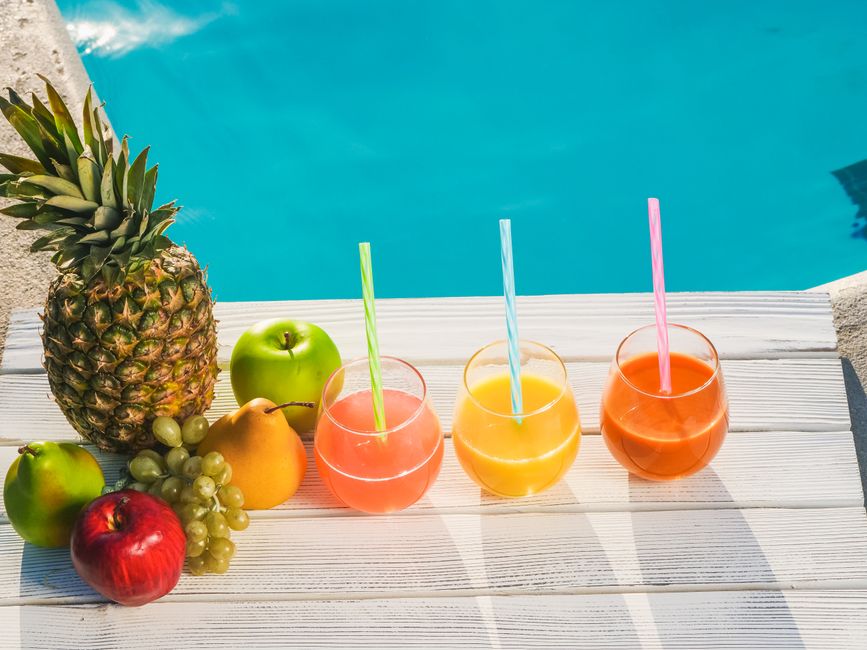
A successful 3 day juice cleanse starts long before you take your first sip. Selecting the right **fruits and vegetables** makes the difference between a frustrating three days and a genuinely energizing reset. Focus on **leafy greens** like spinach, kale, and parsley for mineral density, then layer in **alkalizing vegetables** such as cucumber, celery, and fennel. For natural sweetness without a blood sugar spike, lean on **low-glycemic fruits** like green apples, lemon, and ginger. Carrots and beets add body and color while delivering beta-carotene and nitrates that support circulation.
Before you begin, wash all produce thoroughly under cold running water — even organic items need a good rinse. Peel tough skins from pineapple, mango, and citrus if you prefer a smoother texture. Cut everything into chunks that fit your juicer’s feed tube comfortably. **Prep and store** portions in airtight containers in the refrigerator for up to 48 hours ahead of time. This batch-prep method eliminates the temptation to grab something quick and solid when hunger hits on Day 2.
**Prep time tip:** Set aside 30 minutes on Sunday evening to wash, chop, and bag every ingredient for all six juices you’ll need each day. Label each bag with the juice name and drink-by order. This simple habit saves morning stress and keeps you on track when energy is low.
—
Quick pick: Compare top-rated Detox options.
Juice Recipes and Flavors
Each cleanse day should cycle through **three distinct juice profiles** — morning, midday, and evening — to keep taste fatigue at bay and cover a broader nutritional range.
**Morning energizer:** 2 green apples + 1 inch ginger + 1 lemon + 1 cup spinach + 4 celery stalks. This bright, slightly spicy blend wakes the digestive system and delivers natural electrolytes.
**Midday green builder:** 1 cucumber + 1 cup kale + 1/2 pear + 1/4 cup parsley + 1/2 lime. Savory and mineral-rich, this juice supports afternoon hydration without the heaviness of a solid meal.
**Evening root reset:** 2 carrots + 1 small beet + 1 orange + 1/2 inch turmeric root. Deeply colored root vegetables offer antioxidants and a natural earthiness balanced by citrus brightness.
**Common swap:** If you find kale too bitter, substitute baby spinach or Swiss chard. Running low on green apples? Bartlett pears deliver a similar mild sweetness. **Balancing tip:** A squeeze of lemon or lime brightens any overly sweet combination and helps your body absorb iron from leafy greens more efficiently.
—
Benefits of a 3 Day Juice Cleanse
The most cited reason Americans try a juice cleanse is the promise of **body detoxification**. During a juice cleanse, you remove processed foods, refined sugars, alcohol, and caffeine — the primary sources of systemic inflammation for most US diets. Simultaneously, you flood your system with **phytonutrients, enzymes, and antioxidants** from fresh produce. Many participants report noticeable improvements in energy and mental clarity by Day 2, when initial adjustment fatigue subsides.
Short-term **weight loss** is a realistic outcome of a three-day cleanse, though most of the initial drop reflects water weight and reduced bloating rather than fat loss. Where juice cleanses genuinely shine is resetting eating habits. Removing solid food for three days breaks **mindless snacking patterns** and gives your digestive system a genuine rest. Many people find that after a cleanse, foods that once seemed normal taste overwhelmingly salty or sweet — a signal that palate sensitivity has been restored.
Digestive benefits are another significant advantage. The concentrated enzymes in fresh juice are easier for your body to absorb, and the high fiber-free liquid bypasses active digestion, allowing gut lining repair. **Important caveat:** these benefits are most pronounced when juice is freshly made, not shelf-stable and pasteurized.
—
Challenges and Drawbacks
Honesty matters here: a juice-only diet for three full days is genuinely difficult for most people. **Hunger** is the biggest challenge, especially on Day 1 afternoon and Day 2 morning when your stomach still signals for solid food. Unlike a water fast, juice does not completely silence hunger hormones — it merely blunts them.
**Side effects** are common and usually mild. Headaches frequently occur on Day 1 due to caffeine withdrawal if you are a regular coffee drinker. Fatigue and dizziness may appear as blood sugar fluctuates before your body adapts. Some people experience mild nausea when introducing large quantities of vegetable-based juices. These symptoms typically resolve within 24 to 36 hours but can be discouraging if you are unprepared for them.
Nutritional limitations deserve careful attention. Juice lacks **protein and healthy fats**, both of which are essential for muscle preservation, hormone production, and satiety. A three-day cleanse is short enough that this is unlikely to cause lasting harm for healthy adults, but it underscores why juice cleanses should not become a long-term eating strategy. Athletes, growing teenagers, pregnant people, and those with blood sugar regulation issues should approach this plan with caution.
—
Staying Hydrated and Satisfied
Drinking six juices per day on a cleanse plan does not replace the need for **plain water intake**. Most nutritionists recommend adding at least 48 to 64 ounces of filtered water between juices. This supports kidney function, helps flush released toxins through your lymphatic system, and prevents the dehydration that amplifies headaches and fatigue.
**Satisfaction strategies** matter because juice alone rarely feels psychologically satisfying the way a meal does. Sip juices slowly rather than gulping them — this improves nutrient absorption and gives your brain time to register fullness signals. Drinking juice at room temperature rather than ice-cold also improves digestibility, according to traditional wellness practices.
Some practitioners recommend **blended alternatives** if the liquid-only approach feels unsustainable. Blended vegetable soups or thick smoothies with added flaxseed retain more fiber than juice while still giving your digestive system a break from chewing. These hybrid approaches can extend a cleanse’s psychological benefits without fully committing to solid food.
If you’re exploring other gentle ways to support your body’s natural processes between cleanses, a structured detox routine with whole foods can complement your routine without the intensity of a full juice fast.
—
Preparing for a Juice Cleanse
The single biggest mistake people make is jumping straight into a three-day juice cleanse from a standard American diet. **Abrupt transitions** increase the severity of withdrawal symptoms and raise the risk of binge eating on Day 4. Instead, dedicate the three days before your cleanse to a **gradual tapering** approach.
Begin by eliminating one processed food category per day — drop refined grains on Day -2, remove dairy on Day -1, and cut caffeine on the morning of your cleanse start date. Increase your intake of **whole plant foods** during prep days so your body enters the cleanse already adapted to a higher fiber, lower toxin load.
Mentally prepare by setting realistic expectations. Write down your reasons for cleansing and keep them visible. Inform close family or friends so they understand your temporary dietary change. Stock your refrigerator with prepared juices and remove competing food options from your pantry. The cleaner your environment, the less willpower the cleanse requires.
—
Breaking the Juice Cleanse
How you end a juice cleanse is just as important as how you begin it. After three days of liquid nutrition, your digestive system needs **48 to 72 hours of careful reintroduction** before eating a full normal diet. Jumping straight into a burrito and fries on Day 4 almost guarantees bloating, cramping, and rapid weight re-gain.
Start with the most easily digestible foods: steamed vegetables, bone broth, and ripe avocado. Move to soft-cooked grains like oatmeal and brown rice by Day 2 post-cleanse. By Day 3, you can reincorporate **lean proteins and raw vegetables** in small portions. Listen to your body — if something feels heavy or uncomfortable, wait another half day before trying it again.
**Common post-cleanse mistake:** overeating because hunger feels amplified after days of restriction. Pre-plate your meals during the transition period and avoid eating directly from packages. Focus on **whole, unprocessed foods** and resist the urge to immediately celebrate the end of your cleanse with indulgent restaurant meals.
—
Quick Comparison: Juice Cleanse vs. Smoothie Cleanse
| Feature | Juice Cleanse | Smoothie Cleanse |
|---|---|---|
| Fiber content | Minimal (fiber removed) | High (fiber retained) |
| Protein | Very low | Moderate, if ingredients added |
| Digestive demand | Very low | Low to moderate |
| Blood sugar impact | Can spike if fruit-heavy | More gradual, fiber buffers |
| Satiety level | Lower | Higher |
| Nutrient concentration | Very high | High |
| Ease of preparation | Requires juicer | Blender only |
| Best suited for | Short reset, alkaline focus | Sustained energy, gut health |
—
Frequently Asked Questions (FAQ)
Can I exercise during a 3 day juice cleanse?
Light exercise is generally safe during a juice cleanse if you adjust your expectations and intensity. Walking, gentle yoga, stretching, and slow-paced cycling are appropriate choices. Strenuous workouts, HIIT sessions, heavy weightlifting, and long-distance running are **not recommended** because your caloric intake is significantly reduced and your muscles lack the protein needed for recovery. If you feel dizzy during any activity, stop immediately and sit down. Most people find that low-impact movement actually feels better during a cleanse because the digestive system is not competing with muscles for blood flow.
How often should I do a 3 day juice cleanse?
For most healthy adults, a three-day juice cleanse once every three to four months is considered a reasonable wellness reset. Doing cleanses more frequently — such as monthly — risks **nutrient deficiencies**, muscle loss, and a disrupted relationship with normal eating. If you are drawn to regular cleanses, consider a gentler daily practice: start each morning with a single green juice as part of a balanced diet rather than committing to repeated multi-day fasts. Always listen to your body’s signals and discontinue the practice if you experience persistent fatigue, hair thinning, or mood disturbances.
Can I do a juice cleanse if I have a medical condition?
**You must consult your physician before starting any juice cleanse** if you have diabetes, hypoglycemia, kidney disease, liver disease, gastrointestinal disorders, anemia, or are taking prescription medications. Juice cleanses can cause dangerous blood sugar fluctuations in people with diabetes, interact with medications that require food for absorption, and place additional stress on compromised kidneys or liver. A registered dietitian or functional medicine practitioner can help you design a modified approach — such as blending instead of juicing to retain fiber — that supports your health rather than undermining it. Never assume that “natural” or “plant-based” automatically means safe for every individual.
Will I regain all the weight I lose during the cleanse?
Most of the initial weight loss during a juice cleanse is water weight and reduced bloating, not fat. You will likely regain a portion of that number once you return to normal eating — this is normal and expected. The real value of a cleanse is not the number on the scale but the reset it provides to your eating habits and palate sensitivity. To minimize re-gain, follow the 48-to-72-hour reintroduction protocol outlined above and avoid high-sodium, high-sugar processed foods in the days immediately following your cleanse.
Top Product Recommendations
| Product Name | Rating | Key Feature | Est. Price | Action |
|---|---|---|---|---|
| Top-rated Hamilton Beach Juicer Machine | ★★★★★ | Editor-recommended Hamilton Beach Juicer Machine from this guide | $18–$42 | Check Lowest Price on Amazon |
| Best-value Organic Kale Bunch Fresh Produce | ★★★★☆ | Affordable Organic Kale Bunch Fresh Produce — strong everyday results | $12–$28 | Check Lowest Price on Amazon |
| Premium Stainless Steel Reusable Straws Set | ★★★★☆ | Higher-end Stainless Steel Reusable Straws Set for visible, lasting results | $45–$95 | Check Lowest Price on Amazon |
Affiliate Disclosure: This post contains affiliate links. We may earn a commission if you buy through our links, at no extra cost to you.
Leave a Reply