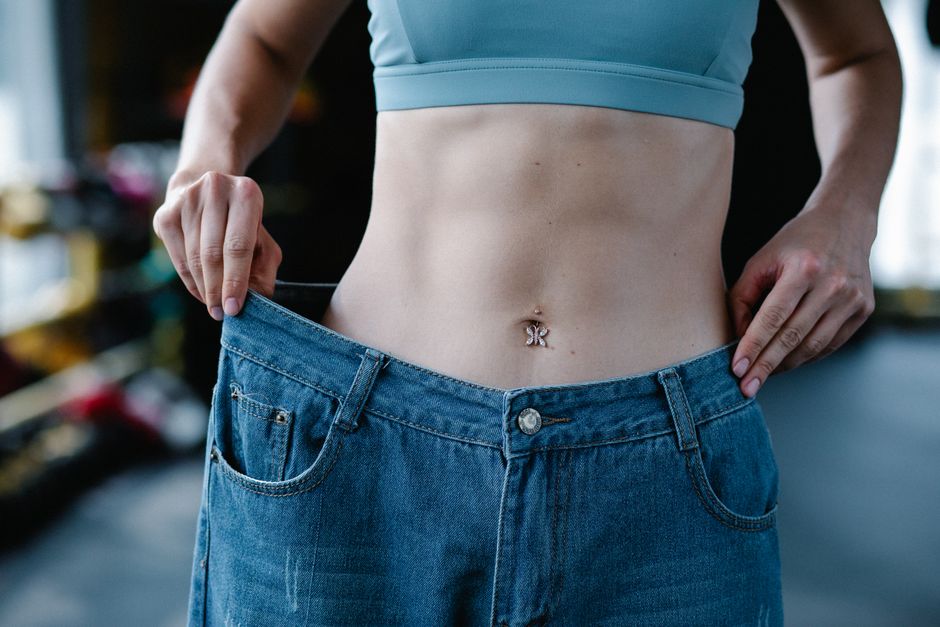
Why Your 30-Day Home Workout Challenge Isn’t Burning Fat Yet

Starting a **30-day home workout challenge for fat loss** is a real commitment — but if the scale isn’t moving, the problem is almost never the workout itself. The missing piece is almost always what’s happening in the kitchen. Working out at home does not automatically create the calorie deficit your body needs to burn stored fat.
Bodyweight sessions burn fewer calories than most people expect. A 30-minute home HIIT session might torch 200–300 calories, which is easy to erase with one unplanned snack. Low-to-moderate exercise also spikes ghrelin, the hunger hormone, pushing you toward larger portions after your session.
The single biggest nutrition mistake people make is the **”I earned it” mindset** — the belief that finishing a workout unlocks a reward meal. This quietly cancels the deficit every single day.
- Home workouts burn **200–350 calories** per session on average
- Hunger hormones spike after moderate cardio — plan meals in advance
- The “earned it” mindset is the #1 reason home challenges stall
- Nutrition drives roughly **70–80% of fat loss results**, even with daily training
If you want your effort to translate into real results, pairing smart movement with smart eating is non-negotiable. Browse the full range of [workout nutrition strategies](https://sieunjaye.blog/category/workouts/) to find what fits your schedule and goals.
—
Editor’s pick: meal prep containers for weight loss — see current prices and reviews.
How Many Calories You Actually Need During a 30-Day Fat Loss Plan
Estimating your **Total Daily Energy Expenditure (TDEE)** accurately is the foundation of any fat-loss nutrition plan. Most generic calculators use an “active” multiplier that overestimates burn for someone doing bodyweight circuits at home. Use a **lightly active to moderately active** multiplier only.
A safe, sustainable calorie deficit for a 30-day home workout challenge sits between **300 and 500 calories below your TDEE**. Going deeper risks muscle loss, fatigue, and rebound hunger — all of which make finishing the challenge feel impossible. Protecting lean muscle while in a deficit matters because muscle drives your resting metabolic rate.
- Use a **lightly active** TDEE multiplier for home-only workouts
- Target a deficit of **300–500 calories/day** — not more
- Free tracking tools: Cronometer, MyFitnessPal free tier, Lose It!
- Re-check calorie targets every **1–2 weeks** as your weight drops
—
The Macros That Make a No-Gym Challenge Actually Work

**Protein** is the most important macronutrient for bodyweight fat-loss goals. It preserves lean muscle under a calorie deficit, reduces hunger between meals, and has the highest thermic effect of any macro — meaning your body burns more calories just digesting it. Target **0.7–1.0 grams of protein per pound of bodyweight** daily.
Carb timing matters more than total carb intake for home workout performance. A small carb serving before a morning session — oats, a banana, or toast — fuels the workout without spiking blood sugar. Evening workout schedules can shift more carbs to the post-workout meal, using them for recovery rather than storage.
Fat intake should land around **25–35% of total calories**. This range keeps satiety hormones functional, supports hormonal health, and avoids the low-fat trap that leads to constant hunger and cravings.
- **Protein target:** 0.7–1.0g per pound of bodyweight
- **Carbs:** time around workouts for energy and recovery
- **Fat:** 25–35% of daily calories for satiety and balance
- Beginners: start with a **40/30/30** (carb/protein/fat) split
—
Meal Prep Sunday: A Week of Fat-Loss Meals for Home Workout Days
Batch cooking once a week is the single most practical habit you can build into a 30-day home workout challenge. Five **budget-friendly proteins** — chicken thighs (~$1.50–$2/serving), eggs (~$0.25/egg), canned tuna (~$1/can), ground turkey (~$2.50/serving), and lentils (~$0.40/serving) — cover every meal type and keep cost under $3 per serving.
For base carbs, prep **brown rice, rolled oats, and cubed sweet potato** in bulk. These hold well in the refrigerator for 4–5 days and pair with every protein source above. One sheet-pan roast on Sunday handles sweet potatoes and vegetables simultaneously, cutting active cooking time to under 45 minutes.
Portion meals by **workout intensity**. On full-body circuit days, bump carbs by 50–75 grams and keep protein at the high end. On rest days, reduce carbs slightly to maintain the deficit without feeling deprived.
- **5 budget proteins:** chicken thighs, eggs, canned tuna, ground turkey, lentils
- **3 base carbs to batch-cook:** brown rice, oats, sweet potato
- Sheet-pan roasting cuts Sunday prep to **under 45 minutes**
- Increase carbs by **50–75g on high-intensity workout days**
—
Pre-Workout Meals and Snacks for Morning Home Workouts
For morning home workouts, eating **30–60 minutes before** your session strikes the right balance between fueled performance and digestive comfort. The goal is fast-digesting carbs paired with a small amount of protein — nothing heavy, nothing that causes bloat mid-burpee.
Reliable pre-workout combos from your pantry include **Greek yogurt with honey**, a slice of whole-grain toast with a hard-boiled egg, or a small bowl of oats with berries. These combinations cost under $1.50 and require zero special supplements. Expensive pre-workout powders are simply not necessary for a 30-day bodyweight challenge.
**Fasted training** can accelerate fat burning for some people, but it is not universally better. If training fasted makes you dizzy or triggers overeating at breakfast, it is not the right tool for your challenge.
- Eat **30–60 min before** morning sessions — not immediately before
- Budget combos: banana + peanut butter, Greek yogurt + honey, oats + berries
- Skip expensive supplements — **whole food carbs + protein** do the same job
- If fasted performance drops, eat a small snack first
—
Post-Workout Recovery Meals That Speed Up Fat Loss After Home Circuits
The **30–45 minute post-workout window** is when your muscles are most receptive to protein synthesis. You do not need to obsess over the exact minute, but eating within an hour of finishing your home circuit supports recovery and reduces the soreness that breaks consistency. Target a meal with **20–30 grams of protein and 30–50 grams of carbohydrates**, keeping total calories under 400.
Quick assembly recovery meals include a two-egg scramble with canned black beans and salsa on a whole-grain tortilla, cottage cheese with banana and a drizzle of honey, or a turkey and spinach wrap. These take under 10 minutes to put together — important when post-workout motivation to cook is low.
**Anti-inflammatory ingredients** are a smart addition to recovery meals because reduced muscle soreness means you can train again tomorrow. Turmeric in a scramble, blueberries in oatmeal, and spinach in a wrap all support the inflammation response after intense bodyweight work.
- Post-workout target: **20–30g protein + 30–50g carbs within 45 minutes**
- Fast options: turkey wrap, egg scramble with beans, cottage cheese + banana
- Add **turmeric, berries, or leafy greens** to reduce recovery soreness
- Keep post-workout calories **under 400** to protect the daily deficit
—
The 7-Day Starter Meal Plan for a 30-Day Fat Loss Workout Schedule
A structured 7-day meal framework removes decision fatigue — the silent calorie budget killer. Each day follows the same architecture: **protein-forward breakfast, balanced lunch, structured dinner, and one optional afternoon snack**. The snack is optional because it depends on whether your calorie budget allows for it after the first three meals.
A well-built fat-loss week using the proteins and carbs from the prep section costs approximately **$50–$60 in groceries for one person**. That figure drops further when you apply the ingredient overlap strategy — one large pack of chicken thighs, for example, covers lunch on three different days prepared three different ways.
Flexible swaps keep the plan accessible. For **dairy-free** readers, swap Greek yogurt for coconut yogurt or silken tofu. For **gluten-free**, replace whole-grain wraps with brown rice or corn tortillas. For **vegetarian**, replace animal proteins 1:1 with lentils, tempeh, or canned chickpeas.
| Day | Breakfast | Lunch | Dinner | Snack |
|---|---|---|---|---|
| Mon | Oats + berries + protein | Tuna + brown rice bowl | Sheet-pan chicken + sweet potato | Greek yogurt + honey |
| Tue | Egg scramble + toast | Turkey lettuce wraps | Lentil soup + crusty bread | Apple + peanut butter |
| Wed | Greek yogurt parfait + banana | Chicken + rice + roasted veggies | Ground turkey taco bowl | Hard-boiled egg + fruit |
| Thu | Oats + banana + almond butter | Lentil + spinach salad | Tuna pasta + olive oil + lemon | Cottage cheese + berries |
| Fri | Egg muffins + fruit | Ground turkey stir-fry + rice | Chicken thigh + sweet potato mash | Peanut butter rice cake |
| Sat | Smoothie (protein + banana + spinach) | Leftover chicken + veggie bowl | Homemade turkey burger + side salad | Portioned trail mix |
| Sun | Eggs + avocado toast | Lentil + tomato soup | Sheet-pan salmon + broccoli + brown rice | Optional rest day |
—
Intermittent Fasting as a Fat-Loss Tool During Your No-Gym Challenge
**Intermittent fasting (IF)** — specifically a 16:8 eating window — can be a useful tool during a 30-day home workout challenge, but it is not mandatory. The benefit is structural: compressing your eating window naturally reduces the number of meals where you can overconsume.
For **morning workout schedules**, a 16:8 window starting at 10 AM and ending at 6 PM works well. For **evening workouts**, shift the window to 12 PM–8 PM to allow a post-workout meal before the fast begins. The specific window matters less than consistency.
During the fasting window, stick to **water, black coffee, and plain tea**. Electrolytes — sodium, potassium, magnesium — can be added to water without breaking the fast. If your workout quality drops significantly after two weeks of IF or the eating window triggers overeating, IF is likely working against you.
- **16:8 IF** = 16 hours fasted, 8-hour eating window
- Morning trainers: window from **10 AM–6 PM** works well
- Evening trainers: shift to **12 PM–8 PM** to catch post-workout meal
- Fasting drinks: **water, black coffee, plain tea, electrolytes only**
—
Grocery List and Budget Guide for a Full Month of Fat-Loss Eating
Building a reliable **monthly grocery rhythm** is what separates people who finish the 30-day challenge lean from those who fall off by week two. The 20-item staple list below covers the majority of meals in this guide and can be rotated week after week without monotony.
**The 20 fat-loss staple items:** chicken thighs, ground turkey, canned tuna, eggs, dried lentils, brown rice, rolled oats, sweet potatoes, frozen broccoli, frozen spinach, frozen berries, canned black beans, Greek yogurt, cottage cheese, almond butter, olive oil, whole-grain tortillas, bananas, apples, canned diced tomatoes.
For **frozen vs. fresh produce**, frozen wins on both budget and nutrition for most vegetables. Frozen spinach, broccoli, and berries are picked and frozen at peak ripeness, retaining nutrients as well as or better than fresh produce that has been sitting in transit. Store-brand versions of every item on this list cut costs by 20–30% with no nutritional difference.
| Item | Fresh | Frozen/Canned | Verdict |
|---|---|---|---|
| Spinach | $3.50/bag | $2.00/bag frozen | Frozen wins for cooking |
| Blueberries | $4.50/pint | $2.50/bag frozen | Frozen wins |
| Broccoli | $2.00/head | $1.50/bag frozen | Frozen wins |
| Chicken thighs | $5–6/lb | N/A | Fresh — freeze extras |
| Tuna | N/A | $1.00/can | Canned wins every time |
—
Hydration, Sleep, and the Two Fat-Loss Levers Nobody Talks About
**Hydration** during a daily 30-day workout challenge is non-negotiable — most US adults are chronically under-hydrated even without added exercise. The general target for someone doing daily home workouts is **half your bodyweight in ounces per day**, plus an additional 16–20 ounces for each workout session.
**Sleep quality** may be the most underrated fat-loss lever of any 30-day challenge. Adults sleeping fewer than 6 hours per night have elevated cortisol, increased ghrelin, and reduced leptin — a biological triple threat against fat loss. You can eat perfectly and train daily, but running on 5 hours of sleep means your body will actively resist fat loss. Target **7–9 hours** per night throughout the challenge.
Certain foods support better sleep and overnight recovery. **Tart cherry juice** has research backing for sleep quality; magnesium-rich foods like pumpkin seeds, dark leafy greens, and almonds support muscle recovery during sleep; and a small cottage cheese snack before bed provides slow-releasing protein that feeds muscle repair overnight.
- **Water target:** half your bodyweight (lbs) in ounces + 16–20 oz per workout
- Sleep target: **7–9 hours** — under 6 hours actively sabotages fat loss
- Sleep-supporting foods: tart cherry juice, pumpkin seeds, cottage cheese before bed
- **Electrolytes** (sodium, potassium, magnesium) prevent fatigue and cramps
—
The Nutrition Habits That Make Your Results Last Beyond Day 30
The 30-day challenge format works as a launch pad — it builds habits, proves what your body can do, and creates momentum. But the **sprint mindset** is its biggest liability. When day 30 arrives and the structure disappears, most people return to previous eating patterns and lose progress within weeks.
If fat loss stalls after the first two weeks — which happens frequently as your lighter body burns fewer calories doing the same workouts — drop calories by only **50–100 per day** and increase protein slightly to preserve muscle. Many people make the mistake of cutting 300+ more calories at this point, which accelerates muscle loss and performance decline.
Building a **maintenance week** into the second half of your challenge — eating at TDEE rather than a deficit for 5–7 days — resets hunger hormones and prevents metabolic adaptation. It feels counterintuitive, but it genuinely improves the next deficit phase. Pair this strategy with the rest of the [workout-focused eating plans](https://sieunjaye.blog/category/workouts/) on this site to keep building after the challenge ends.
- Fat loss stalling? Drop calories by only **50–100/day** — not more
- Add a **5–7 day maintenance week** eating at TDEE to reset hormones
- The one habit that outlasts any 30-day plan: **protein at every meal**
- Post-challenge goal: shift from deficit eating to **sustainable maintenance**
—
Frequently Asked Questions
Can you really lose fat in 30 days with just home workouts and diet changes?
Yes — with a consistent calorie deficit of 300–500 calories daily and daily home workouts, most people can realistically lose **4–8 pounds of body fat** in 30 days. The combination of diet and exercise is more effective than either alone, and bodyweight training is sufficient stimulus for fat loss when nutrition is dialed in. Results vary based on starting point, sleep quality, and consistency.
What should I eat on rest days during a 30-day home workout challenge?
On rest days, reduce carbohydrate intake slightly — by **50–75 grams** — since you do not need the same workout fuel. Keep protein high to support overnight muscle repair, and let fat fill the remaining calorie budget. Total calories should still sit 200–300 below TDEE on rest days, just with a different macro distribution than training days.
Is it okay to drink protein shakes if I am trying to lose fat without going to the gym?
Protein shakes are a tool, not a requirement. If hitting your daily protein target through whole foods is difficult, a simple **whey or plant-based protein shake** with water or unsweetened almond milk is a cost-effective, low-calorie way to close the gap. Look for options with 20–25 grams of protein per serving and under 150 calories. They are not a magic fat-loss supplement — just convenient protein.
How do I keep from overeating at night when home workouts leave me starving?
Evening hunger after home workouts usually signals that daytime meals were too low in protein or total volume. Increase **protein at lunch and dinner**, add a fiber-rich vegetable side to every meal, and plan a **structured evening snack** — cottage cheese, Greek yogurt, or a hard-boiled egg — rather than grazing freely. Brushing your teeth after your planned snack is a simple behavioral cue that signals the kitchen is closed for the night.
Top Product Recommendations
| Product Name | Rating | Key Feature | Est. Price | Action |
|---|---|---|---|---|
| Top-rated meal prep containers for weight loss | ★★★★★ | Editor-recommended meal prep containers for weight loss from this guide | $18–$42 | Check Lowest Price on Amazon |
| Best-value whey protein powder unflavored | ★★★★☆ | Affordable whey protein powder unflavored — strong everyday results | $12–$28 | Check Lowest Price on Amazon |
| Premium food kitchen scale digital | ★★★★☆ | Higher-end food kitchen scale digital for visible, lasting results | $45–$95 | Check Lowest Price on Amazon |
Affiliate Disclosure: This post contains affiliate links. We may earn a commission if you buy through our links, at no extra cost to you. Medical Disclaimer: This content is for informational purposes only and is not medical advice. Consult a healthcare professional before changing diet or exercise.
Leave a Reply