
Every January, the internet floods with promises about the next revolutionary diet. You have probably already seen bold claims about the best diet 2026 meal plan circulating on social media and wellness blogs. Here is the honest truth most of those articles skip over: there is no single magic diet. What actually works is a structured, scientifically grounded meal plan that fits your lifestyle, your budget, and your health goals. This guide gives you exactly that.
Whether you are a busy parent trying to feed a family well, a professional meal prepping on Sundays, or someone starting fresh after the holidays, this best diet 2026 meal plan breaks down every meal of the week with specific recipes, portion guidance, and smart swaps for common dietary needs. By the time you finish reading, you will have a complete roadmap for eating better starting this week — no extreme restrictions, no expensive supplements, just practical nutrition.
Why the Best Diet 2026 Meal Plan Actually Works
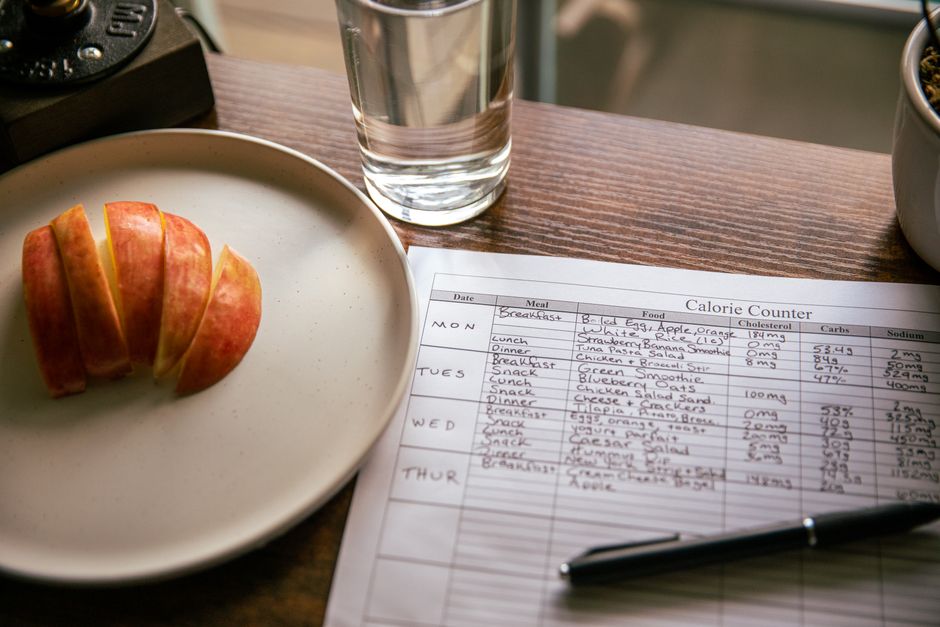
The most effective meal plans share a handful of evidence-based principles, and this one builds on all of them.
**Calorie awareness without obsessive tracking.** You do not need to weigh every morsel of food. Most people succeed by learning roughly how many calories their body needs daily — roughly **1,600 to 2,200 calories** for most American adults depending on gender and activity level — and choosing whole, filling foods that naturally keep them in that range.
**Protein-first thinking.** Every meal in this plan prioritizes lean protein — eggs, Greek yogurt, chicken breast, ground turkey, and salmon. Nutrition research consistently shows that higher protein intake (20–30% of total daily calories) preserves muscle mass during weight management, keeps you fuller longer, and reduces late-night snacking urges.
**Fiber from real food.** Vegetables, legumes, and whole grains deliver the fiber your gut and satiety hormones need. Most Americans fall short of the recommended 25–38 grams per day, so this plan deliberately stacks fiber-rich ingredients into every meal.
**Smart carbs, not no carbs.** Complex carbohydrates from oats, quinoa, brown rice, and sweet potatoes fuel your day without spiking blood sugar. Refined grains and sugary foods are minimized, not banned outright — a realistic approach that most people can stick with long-term.
**Healthy fats built in.** Olive oil, avocado, nuts, and nut butters supply monounsaturated fats that support heart health and add rich flavor so you never feel deprived.
- **Practical tip:** Start with a rough daily calorie target and adjust portions up or down after two weeks based on your energy levels and progress.
- **Common mistake:** Skipping protein at breakfast. Studies show a high-protein morning meal significantly reduces hunger and cravings throughout the day compared to carb-heavy or no breakfast at all.
Editor’s pick: meal plan — see current prices and reviews.
Weekly Meal Plan Overview
A solid weekly structure is the backbone of any sustainable meal plan. This overview distributes macronutrients evenly across the week while keeping grocery costs manageable.
**Macro targets per day (approximate):**
- Protein: 90–120 grams
- Carbohydrates: 180–250 grams
- Fat: 55–75 grams
- Fiber: 28–35 grams
Seasonal produce saves money and tastes better. In spring and summer, lean into zucchini, tomatoes, berries, and corn. In fall and winter, squash, sweet potatoes, Brussels sprouts, and apples deliver great nutrition at lower prices. Frozen vegetables work just as well for most recipes when fresh is out of season or overpriced.
**Batch cooking** is the single biggest habit shift that separates people who stick with meal plans from those who quit by Wednesday. Dedicate 60–90 minutes on Sunday to cook two proteins, a batch of grains, and chop vegetables for the first three days. Use the remaining prep time mid-week for the second half of the week.
- Store cooked proteins and grains in airtight glass containers — they keep 3–4 days refrigerated.
- Prep salad greens and dressings separately so nothing wilts before lunch.
- Label containers with the day you intend to eat them to cut decision fatigue.
Breakfast Recipes

Breakfast sets the tone for the entire day. These recipes each deliver at least **25 grams of protein** and keep added sugars under 10 grams per serving.
Greek Yogurt Power Bowl
**Prep time:** 5 minutes | **Serves:** 1 | **Calories:** ~380 | **Protein:** 32g
- 1 cup plain nonfat Greek yogurt
- ½ cup mixed fresh or frozen berries
- 2 tablespoons raw almonds, roughly chopped
- 1 tablespoon chia seeds
- 1 teaspoon raw honey or pure maple syrup
**Instructions:** Layer yogurt in a bowl, top with berries, almonds, and chia seeds. Drizzle with honey. This takes less time than waiting in line at a coffee shop and delivers a protein punch that sustains you through a morning meeting or a gym session.
**Swaps:** Replace berries with sliced banana for more carbs. Use coconut yogurt for a dairy-free alternative. Trade almonds for walnut pieces or pumpkin seeds for variety.
Scrambled Eggs with Spinach and Avocado Toast
**Prep time:** 10 minutes | **Serves:** 1 | **Calories:** ~420 | **Protein:** 28g
- 3 large eggs, whisked with a splash of milk
- 1 cup fresh baby spinach, roughly chopped
- ½ avocado, sliced
- 1 slice sprouted whole grain bread, toasted
- Pinch of red pepper flakes and sea salt
**Instructions:** Heat a nonstick skillet over medium heat, add a tiny spray of cooking oil. Pour in eggs and scramble gently until just set. Wilt spinach into the pan for 30 seconds. Spread avocado on toast and pile eggs and spinach on top. Season with red pepper flakes and salt.
**Common mistake:** Overcooking eggs until they are rubbery. Pull the pan off the heat when eggs still look slightly wet — residual heat finishes them perfectly.
Lunch Recipes
Lunch is where most people stall their progress. These options are hearty enough to carry you through a 3 PM slump without reaching for a candy bar.
Mediterranean Chickpea Salad
**Prep time:** 15 minutes (make ahead) | **Serves:** 4 | **Calories per serving:** ~410 | **Protein:** 16g | **Fiber:** 11g
- 2 cans (15 ounces each) chickpeas, drained and rinsed
- 1 large cucumber, diced
- 1 pint cherry tomatoes, halved
- ½ red onion, thinly sliced
- ½ cup kalamata olives, pitted
- 4 ounces feta cheese, crumbled (omit for vegan option)
- ¼ cup extra virgin olive oil
- 2 tablespoons fresh lemon juice
- 1 teaspoon dried oregano, garlic powder, salt, and black pepper
**Instructions:** Combine chickpeas, cucumber, tomatoes, onion, and olives in a large bowl. Whisk olive oil, lemon juice, oregano, garlic powder, salt, and pepper separately. Pour dressing over salad and toss. Fold in feta just before serving if keeping individual portions — otherwise all ingredients keep well refrigerated for four days.
**Batch tip:** Divide into four containers on Sunday. The salad actually tastes better by Wednesday as the dressing marinates the chickpeas.
Grilled Chicken and Quinoa Bowl with Roasted Vegetables
**Prep time:** 10 minutes active + 25 minutes roasting | **Serves:** 4 | **Calories per serving:** ~520 | **Protein:** 42g
- 1½ pounds boneless, skinless chicken breast
- 2 cups dry quinoa, cooked according to package directions
- 2 bell peppers (any color), sliced
- 1 medium zucchini, sliced into half-moons
- 2 cups broccoli florets
- 2 tablespoons olive oil, divided
- 1 teaspoon Italian seasoning, salt, and pepper
- Lemon wedges for serving
**Instructions:** Preheat oven to 425°F. Toss bell peppers, zucchini, and broccoli with 1 tablespoon olive oil, Italian seasoning, salt, and pepper. Spread on a baking sheet and roast 20–25 minutes until lightly browned. Meanwhile, season chicken with remaining olive oil, salt, and pepper. Grill or pan-sear over medium-high heat 6–7 minutes per side until internal temperature reaches 165°F. Let rest 5 minutes, then slice. Assemble bowls with quinoa, roasted vegetables, and sliced chicken. Serve with lemon wedges.
**Swaps:** Swap quinoa for brown rice, farro, or cauliflower rice. Replace chicken with baked salmon fillets or marinated tofu for variety.
Dinner Recipes
Dinner should be satisfying without leaving you uncomfortably full before bed. These recipes balance hearty flavor with reasonable portion sizes the whole family will actually eat.
One-Pot Turkey Taco Skillet
**Prep time:** 15 minutes | **Cook time:** 20 minutes | **Serves:** 4 | **Calories per serving:** ~480 | **Protein:** 36g
- 1 pound lean ground turkey (93% lean or leaner)
- 1 can (15 ounces) black beans, drained and rinsed
- 1 cup frozen corn kernels
- 1 medium onion, diced
- 1 bell pepper, diced
- 2 tablespoons taco seasoning (check label for low-sodium if needed)
- 1 can (14 ounces) diced tomatoes with green chiles
- Fresh cilantro, sliced avocado, Greek yogurt, and lime wedges for toppings
**Instructions:** Brown turkey in a large deep skillet over medium-high heat, breaking it apart with a spatula, about 8 minutes. Add onion and bell pepper and cook 4 minutes until softened. Stir in taco seasoning, black beans, corn, and diced tomatoes. Simmer 8–10 minutes until thickened. Serve in bowls over brown rice with sliced avocado, a dollop of Greek yogurt, fresh cilantro, and a squeeze of lime.
**Batch cooking note:** This recipe doubles easily. Cook two pounds of turkey and split into two containers — one for dinner, one for a quick lunch later in the week.
Slow Cooker Salmon with Sweet Potato Wedges
**Prep time:** 10 minutes | **Cook time:** 3–4 hours on low | **Serves:** 4 | **Calories per serving:** ~490 | **Protein:** 38g
- 4 salmon fillets (5–6 ounces each)
- 4 medium sweet potatoes, scrubbed and cut into 1-inch wedges
- 1 tablespoon olive oil
- 2 teaspoons smoked paprika, garlic powder, salt, and black pepper
- 1 lemon, thinly sliced
- Fresh dill or parsley for garnish
**Instructions:** Rub sweet potato wedges with olive oil and season with half the paprika, garlic powder, salt, and pepper. Place in the bottom of a slow cooker with ½ cup water. Lay salmon fillets on top. Season fish with remaining spices and lay lemon slices over the top. Cook on low 3–4 hours until salmon flakes easily and sweet potatoes are tender. Garnish with fresh herbs and serve.
**Common mistake:** Overcooking salmon. Pull it at 3 hours if your slow cooker runs hot — fish continues cooking slightly after you remove it from heat.
Snacks and Beverages
Strategic snacking prevents energy crashes and keeps you from overeating at dinner. The key is choosing snacks that pair protein or fiber with a small amount of healthy fat.
- **Apple slices with almond butter** — 1 medium apple + 2 tablespoons natural almond butter: ~300 calories, 8g protein, 4g fiber
- **Hard-boiled eggs (2) with everything bagel seasoning** — ~140 calories, 12g protein
- **Homemade trail mix** — ¼ cup almonds, ¼ cup dried cranberries, 2 tablespoons dark chocolate chips: ~310 calories
- **Cottage cheese with sliced peaches or pineapple** — 1 cup cottage cheese + ½ cup fruit: ~200 calories, 24g protein
Chocolate Protein Smoothie
**Prep time:** 3 minutes | **Serves:** 1 | **Calories:** ~340 | **Protein:** 30g
- 1 scoop chocolate protein powder (whey or plant-based)
- 1 cup unsweetened almond milk
- ½ frozen banana
- 1 tablespoon natural peanut butter
- ½ cup ice
Blend all ingredients until smooth. This works as a post-workout recovery drink or a quick breakfast on rushed mornings.
**Swaps:** Replace banana with ½ avocado for a thicker, lower-sugar smoothie. Use oat milk or regular milk for more calories if you are building mass.
Overnight Oats
**Prep time:** 5 minutes (night before) | **Serves:** 1 | **Calories:** ~380 | **Protein:** 14g
- ½ cup old-fashioned rolled oats
- ½ cup unsweetened almond milk
- ¼ cup plain Greek yogurt
- 1 tablespoon chia seeds
- 1 teaspoon cinnamon and vanilla extract
Combine all ingredients in a mason jar or sealed container. Refrigerate overnight. In the morning, top with fresh berries and a tablespoon of sliced almonds. No cooking required.
Meal Plan Adjustments for Dietary Restrictions
One of the strongest features of this best diet 2026 meal plan is its built-in flexibility. You should never feel locked out of good nutrition because of a food sensitivity or lifestyle choice.
Gluten-Free Adjustments
Going gluten-free does not require rebuilding this plan from scratch.
- Swap wheat bread for certified gluten-free bread or lettuce wraps
- Replace regular soy sauce (which often contains wheat) with tamari or coconut aminos
- Choose quinoa, rice, potatoes, and corn as grain bases — all are naturally gluten-free
- Verify that taco seasoning, protein powders, and canned goods are labeled gluten-free, since some contain anti-caking agents or flavor enhancers derived from wheat
Most recipes in this plan — the turkey taco skillet, chickpea salad, salmon with sweet potato — are naturally gluten-free with a quick label check on seasonings and sauces.
Vegetarian and Vegan Swaps
Plant-based eating aligns perfectly with this structure when you ensure adequate protein at each meal.
- Replace ground turkey with crumbled extra-firm tofu (press 15 minutes, crumble, and season like meat) or cooked lentils
- Use hummus, edamame, black beans, andlentil-based dishes as protein anchors for lunch and dinner
- Plant-based protein powders (pea, soy, or rice protein) work interchangeably with whey in smoothies and overnight oats
- Replace dairy feta with crumbled tofu feta or omit entirely — the chickpea salad holds its flavor without it
Low-Carb and Keto-Friendly Options
Cutting carbohydrates requires the most deliberate adjustments in this plan, but it is straightforward.
- Replace quinoa and brown rice with cauliflower rice, spiralized zucchini noodles, or extra leafy greens
- Swap sweet potato wedges for turnip fries or roasted radishes — both roast at the same temperature and timing
- Use lettuce wraps instead of bread for the turkey taco skillet
- Add an extra tablespoon of olive oil or half an avocado to bump fat content to 65–70% of daily calories
- Target net carbohydrates under 50 grams per day for active fat adaptation
**Comparison Table: Dietary Adjustments at a Glance**
| Adjustment | Key Protein Swap | Grain Substitute | Fat Boost |
|---|---|---|---|
| Gluten-Free | No change needed | Quinoa, rice, potatoes | Olive oil, avocado |
| Vegetarian | Tofu, tempeh, lentils | Same grains | Nuts, seeds, nut butter |
| Vegan | Tofu, edamame, chickpeas | Same grains | Coconut oil, avocado |
| Low-Carb/Keto | Same lean proteins | Cauliflower rice, lettuce wraps | Olive oil, MCT oil, cheese |
Frequently Asked Questions (FAQ)
What exactly is the Best Diet 2026 Meal Plan?
The best diet 2026 meal plan is a structured weekly nutrition guide built around evidence-based principles — lean protein at every meal, fiber-rich whole foods, smart carbohydrate choices, and healthy fats. It includes specific breakfast, lunch, dinner, and snack recipes with portion guidance, prep time, and serving sizes tailored for American home cooks on a realistic budget. Unlikefad diets that cut entire food groups, this plan is designed to be sustainable across months, not weeks.
How is this meal plan different from other popular diet approaches?
This plan prioritizes flexibility and practicality over rigid rules. Where keto eliminates entire food groups and paleo restricts Legumes and dairy, the best diet 2026 meal plan incorporates a wide variety of foods and explicitly includes swaps for every major dietary restriction — gluten-free, vegetarian, vegan, low-carb, and keto. It also addresses the #1 reason most meal plans fail: cost and convenience. Batch cooking, seasonal produce recommendations, and one-pot recipes keep grocery bills and prep time manageable for busy households.
Can I customize this meal plan for specific dietary needs or restrictions?
Absolutely. The plan includes dedicated sections with specific ingredient swaps for gluten-free, vegetarian, vegan, and low-carb eating. Every recipe lists easy substitutions — for example, swapping Greek yogurt for coconut yogurt in breakfast bowls, replacing ground turkey with crumbled tofu for plant-based households, or using cauliflower rice instead of quinoa for low-carb goals. If you have a medical condition requiring strict dietary management, work with a registered dietitian to fine-tune portions, but the core structure of this plan adapts to nearly every common eating pattern.
Top Product Recommendations
| Product Name | Rating | Key Feature | Est. Price | Action |
|---|---|---|---|---|
| Best Meal Plan Pick | ★★★★★ | Top-rated overall | $25–$45 | Check Lowest Price on Amazon |
| Budget Meal Plan Option | ★★★★☆ | Great for beginners | $12–$28 | Check Lowest Price on Amazon |
| Premium Meal Plan Choice | ★★★★☆ | Pro-level results | $50–$90 | Check Lowest Price on Amazon |
Affiliate Disclosure: This post contains affiliate links. We may earn a commission if you buy through our links, at no extra cost to you. Medical Disclaimer: This content is for informational purposes only and is not medical advice. Consult a healthcare professional before changing diet or exercise.
Leave a Reply