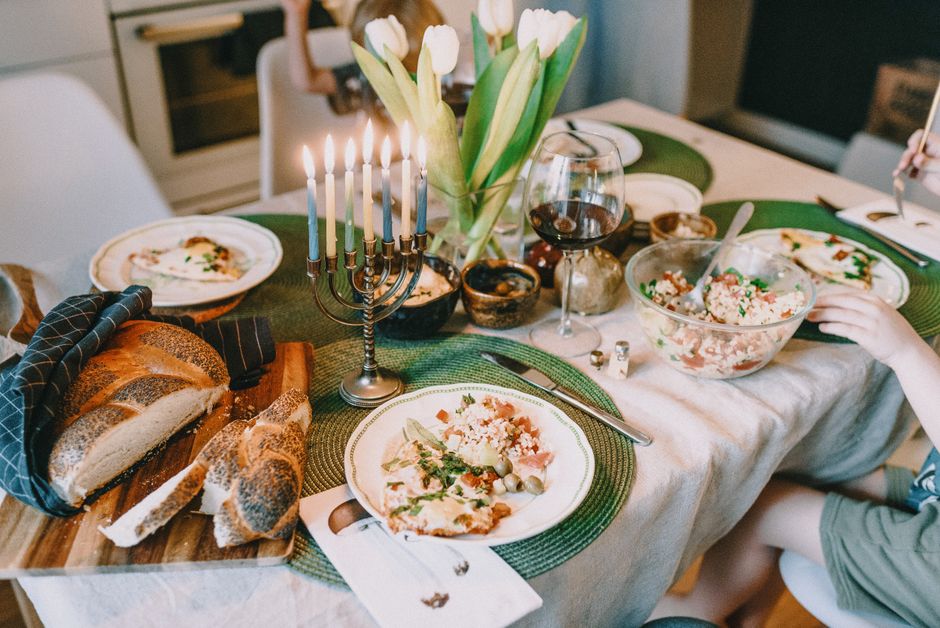
Passover is one of the most beloved holidays on the Jewish calendar, and the food is a big part of why it resonates so deeply with families across the United States. This guide walks you through the best Passover recipes for 2026, from time-honored classics to lighter, modern twists that fit a variety of dietary needs. Whether you are planning a full Seder dinner, looking for quick weeknight meals during chol hamoed, or need make-ahead strategies to keep your kitchen stress-free, we have got you covered.
Traditional Passover Dishes Every Family Should Master
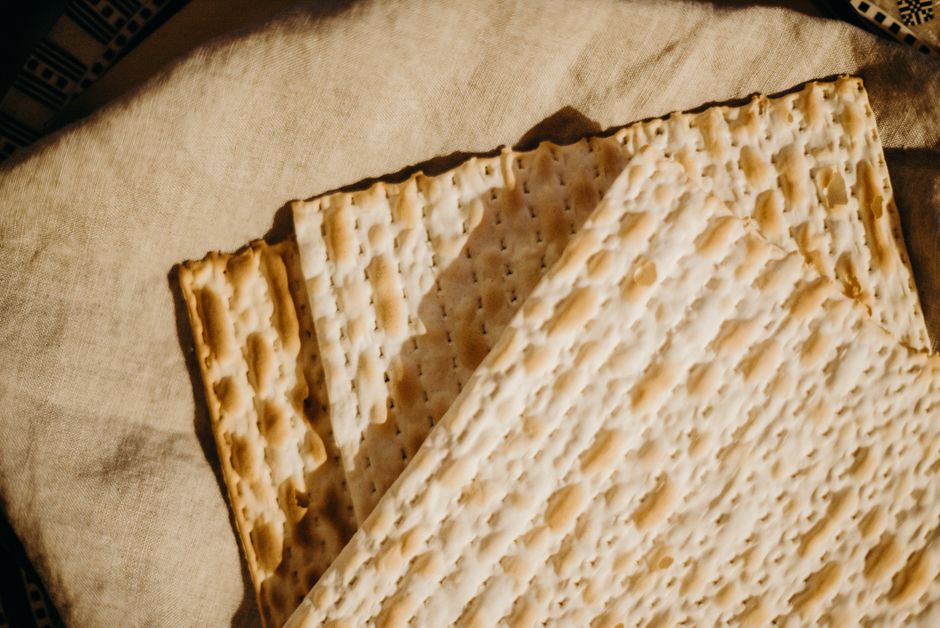
No Seder table is complete without the classics that have graced Jewish tables for generations. **Matzah ball soup** is arguably the crown jewel of the Passover meal — fluffy, golden matzah balls floating in a rich, golden chicken broth. The secret is using quality chicken stock, letting the matzah meal mixture rest for at least 30 minutes before shaping, and simmering the balls gently so they stay light rather than dense.
**Gefilte fish** remains a staple, though many modern home cooks now bake it instead of poaching for easier handling. Roasted lamb or beef brisket delivers the main-course drama — a 3–4 pound brisket roasted at 325°F for roughly 3.5 hours yields tender, sliceable meat that feeds 6–8 people. **Potato kugel** is the ultimate comfort side dish: grate your potatoes and onions, bind with matzah meal and eggs, and bake at 400°F for about 45 minutes until golden and crisp. **Tzimmes**, a sweet vegetable stew featuring carrots, sweet potatoes, and dried fruits like apricots or raisins, adds color and a touch of natural sweetness to balance savory dishes.
- **Tip:** Season your brisket generously with salt, pepper, and garlic the night before and let it marinate in the refrigerator.
- **Common mistake:** Skipping the resting time after roasting — letting the meat rest for 15 minutes makes slicing much cleaner.
- **Swap:** If you prefer poultry over beef, bone-in chicken thighs roasted the same way work beautifully.
Editor’s pick: passover matzah meal — see current prices and reviews.
Healthy Passover Recipes That Still Taste Incredible
Eating well during Passover does not mean sacrificing flavor. A **quinoa salad with fresh herbs** comes together in under 20 minutes, serves 4–6 as a side, and delivers complete plant-based protein. Cook 1 cup quinoa in 2 cups water, fluff with a fork, and toss with chopped parsley, mint, dill, lemon zest, olive oil, and a pinch of salt.
**Roasted vegetables** — parsnips, carrots, and sweet potatoes — caramelize beautifully at 425°F in about 35–40 minutes. Toss them in olive oil, add a splash of maple syrup for depth, and finish with flaky sea salt. **Grilled asparagus with lemon zest** takes just 12 minutes at high heat and brightens the plate with minimal effort. **Stuffed mushrooms** made with a matzah meal and herb filling bake at 375°F for 20 minutes, offering a satisfying umami-rich appetizer that everyone reaches for.
For dessert, a **baked apple and pear crumble** using crushed matzah as the topping satisfies the sweet tooth without heavy flour or dairy. Core and slice 4 apples and 2 pears, toss with cinnamon and a tablespoon of honey, top with a crumbled mixture of matzah meal, butter, brown sugar, and walnuts, then bake at 375°F for 30 minutes.
- **Ingredient swap:** Replace traditional breadcrumbs in stuffings with finely crushed matzah meal or almond flour for a lighter texture.
- **Time-saver:** Roast vegetables on a sheet pan in a single layer — crowding causes steaming instead of caramelizing.
- **Nutrition highlight:** Sweet potatoes provide over 400% of your daily vitamin A needs per serving, making them one of the most nutritious Seder sides available.
Passover Recipes for Special Dietary Needs
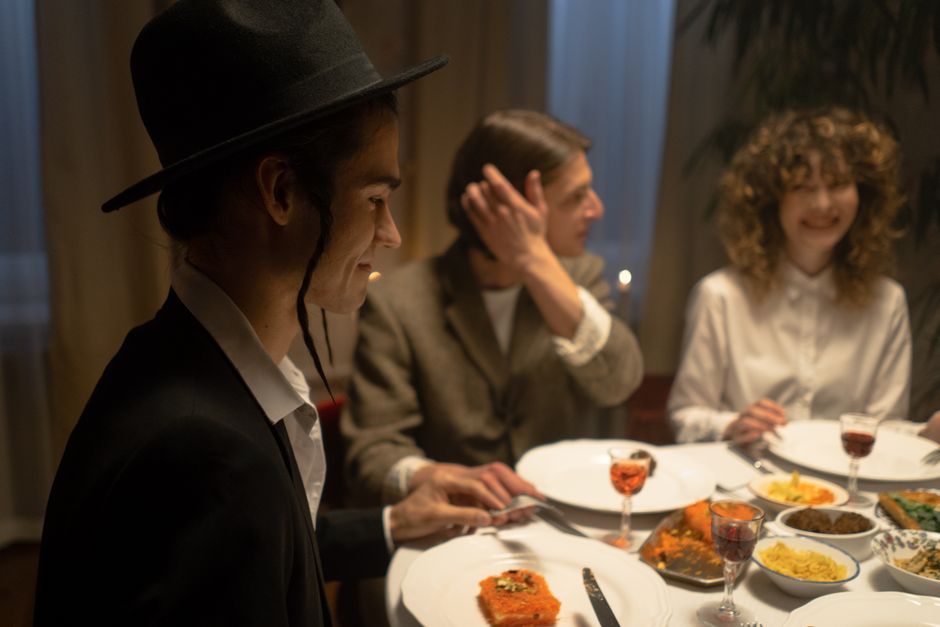
Modern families follow many different eating styles, and the best Passover menus accommodate everyone at the table. If you are avoiding gluten, most traditional matzah-based dishes already fit — just double-check that your matzah is certified kosher for Passover, since some brands add wheat starch that disqualifies them.
For **low-carb and keto** diners, lean into roasted meats, grilled vegetables, and eggs-based dishes. Replace potato kugel with a cauliflower-based version: grate cauliflower, squeeze out moisture, mix with eggs and parmesan, and bake at 400°F for 25 minutes for a dish that cuts carbs by roughly 70%.
**Vegan Passover entrees** focus on vegetables as the star. A lentil and vegetable stew, a stuffed artichoke, or a hearty mushroom and herb roast all provide protein and fiber without any animal products. **Paleo-friendly** desserts use date-sweetened bases and almond flour instead of matzah meal, keeping your menu aligned with ancestral eating principles.
| Dietary Need | Key Substitutions | Passover-Friendly Alternatives |
|---|---|---|
| Gluten-Free | Replace breadcrumbs with matzah meal | Matzah ball soup, roasted vegetables |
| Low-Carb / Keto | Swap potatoes for cauliflower or zucchini | Cauliflower kugel, herb-crusted chicken |
| Vegan | Use plant-based stocks and oils | Quinoa salad, stuffed peppers, vegetable tzimmes |
| Paleo | Replace matzah with almond flour crusts | Flourless nut-based desserts |
Easy and Quick Passover Recipes for Busy Weeknights
Not every night of chol hamoed needs a three-hour cooking project. **Simple roasted chicken with herbs** requires just five ingredients — chicken pieces, olive oil, garlic, rosemary, and thyme — and roasts at 400°F in 40–45 minutes, easily serving four people.
**One-pan vegetarian dishes** streamline cleanup dramatically. A sheet-pan dinner of chickpeas, bell peppers, zucchini, and cherry tomatoes tossed in cumin, paprika, and olive oil roasts at 425°F for 25 minutes and works as both a main and a side. For the fastest option, **5-ingredient recipes** like scrambled eggs with spinach and feta, or Greek yogurt parfaits layered with berries and crushed matzah, come together in under 10 minutes.
**Slow cooker** recipes are a lifesaver during the holiday rush. A brisket in the slow cooker on low for 8 hours requires just 15 minutes of active prep in the morning. Set it before your Seder prep begins, and the main course is handled while you focus on sides and desserts.
- **Prep tip:** Wash and chop all vegetables the morning before cooking to cut active prep time in half.
- **Quick swap:** Fresh herbs can replace dried — use three times the amount for the same flavor impact.
- **30-minute meal strategy:** Use pre-washed greens and pre-cut vegetables from the grocery store to keep weeknight meals fast without sacrificing nutrition.
Make-Ahead Passover Recipes to Save Your Sanity
One of the smartest strategies for a stress-free Seder is embracing make-ahead cooking. Most **freezer-friendly** dishes improve with a day or two of resting, as flavors meld and deepen. Brisket actually tastes better made up to two days ahead — simply slice, store in its braising liquid, and reheat gently at 325°F covered with foil for about 30 minutes.
**Make-ahead side dishes** like tzimmes and kugel both refrigerate well for up to three days and reheat at 350°F for 20 minutes without losing texture. Potato kugel can be frozen raw and baked directly from frozen — just add 10–15 minutes to the baking time.
**Passover desserts** travel well and freeze beautifully. Flourless chocolate cake, macaroon-style cookies, and fruit-based crisps all hold up for weeks in the freezer when wrapped tightly. The baked apple and pear dessert from the healthy section can be assembled and frozen unbaked — pop it in the oven 45 minutes before serving.
- **Storage rule:** Keep brisket and other braised dishes submerged in their cooking liquid to prevent drying out.
- **Reheating tip:** Always recover dishes with foil when oven-reheating to retain moisture.
- **Time-saving strategy:** Prep all your matzah meal mixtures, herb blends, and spice rubs on erev Passover and store in labeled containers — meal assembly the next day becomes nearly effortless.
Seder Starters and Appetizers That Set the Tone
The first course sets expectations for the entire meal. Beyond the traditional matzah ball soup, consider a **herbed matzah brei** — similar to a savory French omelette made with soaked matzah, eggs, and fresh dill or chives — as a lighter opener that takes just 8 minutes in a nonstick pan.
A **spring vegetable soup** using asparagus, peas, and fresh mint in a clear broth appeals to guests who want something lighter before the heavier courses arrive. Serve it in small cups as a palate cleanser between the fish course and the main meal.
- **Serving size guide:** Plan 4–6 fluid ounces of soup per guest as a starter course.
- **Make-ahead note:** Soups without dairy freeze especially well — skip the cream and add it fresh when reheating if desired.
- **Presentation tip:** Garnish matzah ball soup with fresh dill, thinly sliced scallions, or a drizzle of good-quality olive oil for a restaurant-quality finish.
Drinks and Desserts to Complete Your Passover Table
A memorable Seder deserves thoughtful drinks and a sweet finish. **Homemade sangria** using red wine, sliced citrus, and a splash of pomegranate juice complements rich brisket beautifully. For a non-alcoholic option, sparkling apple cider with a cinnamon stick and fresh berries feels festive without extra effort.
Dessert rounds out the evening with either traditional richness or lighter brightness. **Flourless chocolate torte** using eggs, bittersweet chocolate, sugar, and butter bakes in 30 minutes at 350°F and serves 10–12, making it ideal for larger gatherings. A **fresh berry pavlova** using egg whites and sugar whipped into stiff peaks offers a naturally gluten-free showstopper that contrasts beautifully with the heavier main courses.
- **Dessert serving tip:** Allow flourless cakes to cool completely before slicing — they firm up considerably as they rest.
- **Drink pairing:** Sweet wines like Manischewitz Concord grape pair naturally with chocolate desserts, while dry reds suit the brisket course.
- **Make-ahead advantage:** Both the torte and pavlova can be made two days ahead and stored at room temperature, freeing up Seder day for cooking.
Frequently Asked Questions (FAQ)
What are the most common Passover cooking mistakes to avoid?
The biggest mistakes home cooks make during Passover include overcooking or undercooking brisket — using a meat thermometer and pulling the brisket at 195°F ensures fall-apart tenderness without turning it mushy. Underseasoning is another frequent issue; because matzah-based dishes lack the fat and gluten structure that carry flavor in regular baking, generous seasoning with salt, herbs, and acids like lemon juice makes a significant difference. Finally, always double-check every ingredient label for Passover compliance — even small amounts of leavened grain in sauces or spice mixes can disqualify a dish from the holiday.
How can I make traditional Passover recipes more flavorful and interesting?
Expand your flavor horizons by experimenting with international spice profiles — Moroccan ras el hanout or za’atar can transform a basic roasted chicken, while a squeeze of pomegranate molasses adds bright, complex sweetness to tzimmes. Fresh citrus zest, particularly lemon and orange, wakes up matzah ball soup and vegetable dishes without adding any prohibited ingredients. Do not underestimate quality olive oil — a drizzle of extra-virgin olive oil on finished dishes adds richness that mimics the depth dairy would normally provide.
What are the best kitchen safety practices during Passover meal preparation?
Prevent cross-contamination by designating separate cutting boards and utensils for meat and dairy-free dishes — this is especially critical since many Passover dishes are naturally dairy-free and must stay that way for observant guests. Keep cooked dishes above raw ingredients in the refrigerator, and never leave perishable items at room temperature for more than two hours. When reheating brisket or braised dishes, ensure internal temperature reaches 165°F throughout. Always wash your hands thoroughly with soap and warm water for at least 20 seconds before handling food, and sanitize countertops after preparing raw meat to protect everyone at your Seder table.
Can I prepare an entire Seder menu that works for multiple dietary restrictions at once?
Absolutely. Build your menu around naturally allergen-friendly base dishes — roasted meats, grilled vegetables, quinoa salads, and soups — then add specific accommodations as side notes. A large pot of matzah ball soup made with gluten-free chicken stock satisfies both traditional and gluten-free guests simultaneously. Offering one clearly labeled vegan entree and one keto-friendly dessert alongside the main spread means every guest leaves satisfied without requiring entirely separate menus.
Top Product Recommendations
| Product Name | Rating | Key Feature | Est. Price | Action |
|---|---|---|---|---|
| Top-rated passover matzah meal | ★★★★★ | Editor-recommended passover matzah meal from this guide | $18–$42 | Check Lowest Price on Amazon |
| Best-value kosher for passover chicken broth | ★★★★☆ | Affordable kosher for passover chicken broth — strong everyday results | $12–$28 | Check Lowest Price on Amazon |
| Premium passover recipe cookbook | ★★★★☆ | Higher-end passover recipe cookbook for visible, lasting results | $45–$95 | Check Lowest Price on Amazon |
Affiliate Disclosure: This post contains affiliate links. We may earn a commission if you buy through our links, at no extra cost to you.
Leave a Reply