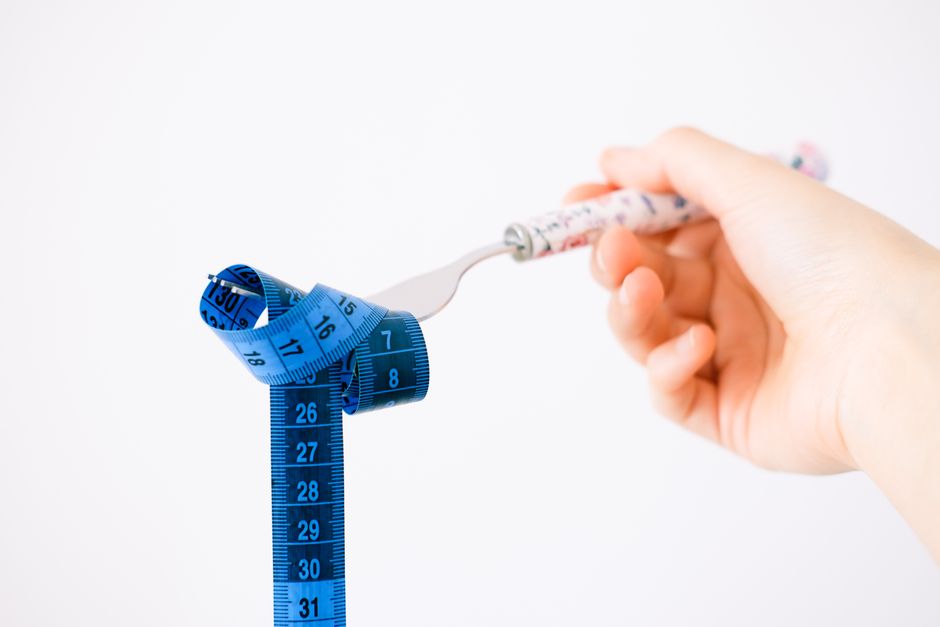
Starting a weight-loss journey can feel overwhelming, but a solid **meal plan for weight loss** removes the guesswork and gives you a clear roadmap to follow every single day. This guide walks you through building a weekly plan that fits your schedule, your budget, and your taste buds — no extreme diets, no deprivation, just practical steps toward a healthier you.
How to Create a Meal Plan That Actually Works

Before you open a single recipe app, take a moment to calculate your daily caloric needs. A general starting point for most adults is **1,500–2,000 calories per day** for sustainable weight loss, but your number depends on age, activity level, sex, and current weight. Online TDEE calculators give you a personalized estimate in seconds. Once you know your target calories, break them into three main meals and one or two small snacks.
Next, account for any dietary restrictions or personal preferences. Whether you follow a low-carb approach, prefer plant-based meals, or need to avoid gluten, your plan must reflect what you will actually eat. A plan that ignores your lifestyle — such as requiring two hours of prep every evening — will collapse within a week. Build your framework around foods you enjoy and routines you can maintain long-term.
A balanced meal plan includes lean protein at most meals, complex carbohydrates such as sweet potatoes or quinoa, healthy fats from sources like avocado and olive oil, and a generous helping of vegetables. Use this simple ratio as your baseline:
| Meal Component | Portion Approx. | Examples |
|---|---|---|
| **Protein** | 25–30% of plate | Chicken breast, tofu, salmon, eggs |
| **Vegetables** | 40–50% of plate | Spinach, broccoli, bell peppers |
| **Whole Grains / Carbs** | 20–25% of plate | Brown rice, oats, whole-wheat pasta |
| **Healthy Fats** | 10–15% of total calories | Olive oil, nuts, avocado |
Editor’s pick: meal prep glass containers set — see current prices and reviews.
Finding and Organizing Healthy Recipes
The internet is flooded with recipes, so the real skill is sorting signal from noise. Stick to two or three trusted sources — sites that list full nutrition facts and ingredient measurements clearly — rather than scrolling endlessly through social media. Search for recipes using your target calorie range: type “400-calorie dinner recipes” or “high-protein lunch under 500 calories” to surface options that already match your plan.
Once you find five to seven breakfast, lunch, and dinner recipes you like, organize them into a weekly calendar. A free printable planner or a spreadsheet works well. Map out which meals repeat on busy weekdays and which days have more prep time for cooking. Repetition is not boring — it is efficient. Eating the same balanced breakfast four days a week saves mental energy and reduces decision fatigue.
Set a dedicated 20-minute block each Sunday to finalize your weekly menu. Write your grocery list directly from the menu so you buy only what you need.
Grocery Shopping on a Budget

A well-planned grocery list is the single biggest money saver in meal planning. When you shop with a list, you avoid impulse buys and reduce food waste. Before heading to the store, check what you already have on hand so you do not double-buy pantry staples like canned beans or whole grains.
To stretch your budget further, prioritize seasonal produce — strawberries in summer, squash in fall — because supply is higher and prices are lower. Frozen vegetables are just as nutritious as fresh and cost significantly less, making them a smart staple for any weight-loss plan. Buying **family-size packs of chicken thighs or ground turkey** and portioning them out at home also cuts per-pound costs dramatically compared to pre-packaged single servings.
Store brands often match name-brand nutrition labels ingredient for ingredient. Swapping branded items for store equivalents can save $10–$20 per shopping trip with zero sacrifice in quality.
Preparing Meals in Advance
**Meal prepping** is the habit that turns a good plan into a lasting one. The most beginner-friendly method is batch cooking: prepare a large pot of protein and a big sheet pan of roasted vegetables on Sunday, then mix and match them throughout the week with different grains or sauces.
Here is a simple three-batch prep routine:
- **Batch 1 (Sunday):** Cook 2 cups of quinoa and 1.5 lbs of lean ground turkey with onions and garlic. Store in separate containers.
- **Batch 2 (Midweek):** On Wednesday, quickly sauté fresh spinach and slice bell peppers to refresh your vegetable supply.
- **Batch 3 (Leftover remix):** Use leftover components to assemble one new meal — for example, turkey-quinoa stuffed peppers or a spinach turkey bowl with a drizzle of tahini.
Invest in a set of airtight glass containers. They are easier to clean, resist stains, and keep food fresh for up to four days in the refrigerator. Label each container with the contents and date so nothing gets lost in the back of the fridge.
Common Meal Prep Mistakes and How to Fix Them
Even experienced meal planners run into snags. One of the most common pitfalls is **overcomplicating the menu**. Trying to cook eight entirely new recipes in one week leads to burnout and half-used ingredients spoiling in the crisper drawer. Stick to three or four core recipes and rotate them with one new addition each week.
Another mistake is ignoring portion sizes during prep. It is easy to package “one serving” that is actually two. Use a small kitchen scale for the first few weeks until you develop an accurate eye for proper portions. A standard serving of cooked protein is roughly the size of a deck of cards — about 3 to 4 ounces.
Finally, many people skip breakfast or lunch prep because mornings are rushed. Solve this by prepping breakfast items the night before. Overnight oats, Greek yogurt parfaits layered in jars, or hard-boiled eggs portioned into a daily egg carton take under five minutes to grab and go.
Healthy Breakfast Ideas for Weight Loss
Breakfast sets the tone for the entire day. A high-protein morning meal curbs mid-morning cravings and stabilizes blood sugar. Try a simple spinach and egg scramble: whisk three eggs with a handful of fresh spinach and a pinch of pepper, cook in one teaspoon of olive oil, and serve with a side of sliced tomato.
Overnight oats are another versatile option. Combine **half a cup of rolled oats, one-third cup of unsweetened almond milk, one tablespoon of chia seeds, and a half-cup of frozen berries** in a jar. Refrigerate overnight. In the morning, top with a tablespoon of almond butter for added protein and healthy fats. This meal provides roughly 380 calories with 14 grams of protein and 9 grams of fiber.
For a grab-and-go alternative, blend a smoothie with one frozen banana, one cup of spinach, one scoop of plain protein powder, and enough water to reach your preferred consistency. Smoothies work best when you add a source of fat and fiber — otherwise they digest too quickly and leave you hungry within an hour.
Lunch and Dinner Recipes That Support Weight Loss
A satisfying lunch keeps energy high and prevents the 3 p.m. vending machine raid. Build your plate using the **plate method**: half vegetables, one quarter lean protein, one quarter whole grain. A practical example is a Mediterranean bowl with grilled chicken, cucumber, cherry tomatoes, kalamata olives, and a small portion of hummus over a half-cup of cooked farro.
For dinner, aim to keep calories moderate — roughly 400–550 per serving — while maximizing flavor. A sheet-pan salmon dish checks all the boxes. Place salmon fillets on a lined baking sheet, surround with halved Brussels sprouts and sliced red onion, drizzle with olive oil and lemon, and roast at 400°F for 18–20 minutes. Salmon provides omega-3 fatty acids that support metabolism and satiety.
Swap heavier pasta dishes for zucchini noodles or cauliflower rice two to three nights per week. These low-calorie bases absorb sauce flavors beautifully while slashing carbohydrate content by more than half.
Snacks That Fuel, Not Derail
Strategic snacking bridges the gap between meals and prevents overeating at dinner. The best weight-loss snacks combine **protein and fiber** to promote fullness without excess calories. Good options include a small handful of raw almonds (about 23 nuts, roughly 160 calories), apple slices with one tablespoon of natural peanut butter, or cottage cheese topped with fresh berries.
Pre-portion snacks the moment you get home from the grocery store. Repackage bulk nuts and seeds into 150-calorie snack bags so you are never tempted to eat straight from the container.
Balancing Nutrition and Flavor
Healthy eating does not mean bland food. **Spices and herbs** are your best friends in the kitchen: cumin, smoked paprika, garlic powder, and fresh basil transform plain chicken and vegetables into meals you actually look forward to eating. Invest in a basic spice rack if yours is sparse — the upgrade costs under $20 and pays dividends in meal satisfaction.
Acid brightens everything. A squeeze of fresh lemon or lime over roasted vegetables or grilled fish wakes up the flavors and aids mineral absorption. A splash of vinegar in a marinade or dressing can also slightly lower the glycemic impact of a meal, helping blood sugar stay steadier after eating.
Do not be afraid of healthy fats. Cooking with a modest amount of olive oil or avocado oil adds flavor and helps your body absorb fat-soluble vitamins A, D, E, and K from vegetables. Just measure oil with a spoon rather than pouring freely — one tablespoon adds about 120 calories.
Meal Planning for Busy Schedules
Working long hours does not excuse skipping meal prep. **Dump-and-go slow cooker meals** require five minutes of assembly in the morning and produce dinner waiting for you when you walk in the door. Combine boneless skinless chicken thighs, low-sodium chicken broth, diced tomatoes, black beans, and taco seasoning in the pot. Cook on low for eight hours, then shred the chicken and serve over lettuce or with corn tortillas.
Meal planning apps such as Paprika, Mealime, or Plan to Eat help you store recipes, generate shopping lists, and schedule your week in one place. Setting a recurring phone reminder for your Sunday prep session makes the routine stick.
For travel or irregular schedules, keep a small stash of shelf-stable emergency meals: canned tuna, whole-grain crackers, and single-serving nut butter pouches. These prevent last-minute fast food runs that can derail your calorie goals.
Staying Accountable and Tracking Progress
Accountability dramatically improves adherence. Weigh yourself once a week at the same time and under the same conditions — preferably first thing in the morning before eating or drinking. Daily weigh-ins create anxiety and are unnecessary for tracking long-term trends.
Keep a simple food journal, even if you just write down what you ate in a notes app. Studies consistently show that people who track their food intake lose more weight than those who do not. Seeing your actual intake in writing exposes hidden calories — that handful of cheese eaten while cooking, the soda consumed with lunch — that add up silently.
Set non-scale victories as milestones: more energy by week two, fitting into a favorite pair of pants by week four, or completing a 20-minute walk without stopping by week three. These wins keep morale high even when the scale plateaus.
Frequently Asked Questions
How many calories should I eat daily to lose weight?
Most adults need **1,500–2,000 calories per day** to create a sustainable calorie deficit for weight loss, though active individuals or those with higher body weight may need more. Use an online TDEE calculator to find your personal baseline, then subtract 300–500 calories to create a deficit of half a pound to one pound per week, which is a safe and maintainable rate.
Can I meal prep if I only have a small kitchen?
Absolutely. You do not need a chef-grade setup to meal prep successfully. A single large pot, one sheet pan, and a few glass containers are enough to prepare a full week of meals. Focus on simple one-pan or one-pot recipes that minimize cleanup and counter space. Slow cookers and electric pressure cookers are compact and ideal for small kitchens.
What are the best meal prep containers for beginners?
Start with **medium-sized airtight glass containers** with snap-lock lids. They are durable, microwave-safe, and resist staining from tomato-based sauces. A 10-container set typically costs $20–$30 and covers breakfast, lunch, and dinner for a full five-day workweek. If glass feels heavy for packed lunches, high-quality BPA-free plastic or stainless steel options are lightweight alternatives.
Top Product Recommendations
| Product Name | Rating | Key Feature | Est. Price | Action |
|---|---|---|---|---|
| Top-rated meal prep glass containers set | ★★★★★ | Editor-recommended meal prep glass containers set from this guide | $18–$42 | Check Lowest Price on Amazon |
| Best-value high protein meal prep recipes cookbook | ★★★★☆ | Affordable high protein meal prep recipes cookbook — strong everyday results | $12–$28 | Check Lowest Price on Amazon |
| Premium bulk healthy grocery shopping list organizer | ★★★★☆ | Higher-end bulk healthy grocery shopping list organizer for visible, lasting results | $45–$95 | Check Lowest Price on Amazon |
Affiliate Disclosure: This post contains affiliate links. We may earn a commission if you buy through our links, at no extra cost to you. Medical Disclaimer: This content is for informational purposes only and is not medical advice. Consult a healthcare professional before changing diet or exercise.
Leave a Reply