
Understanding Calorie Deficit
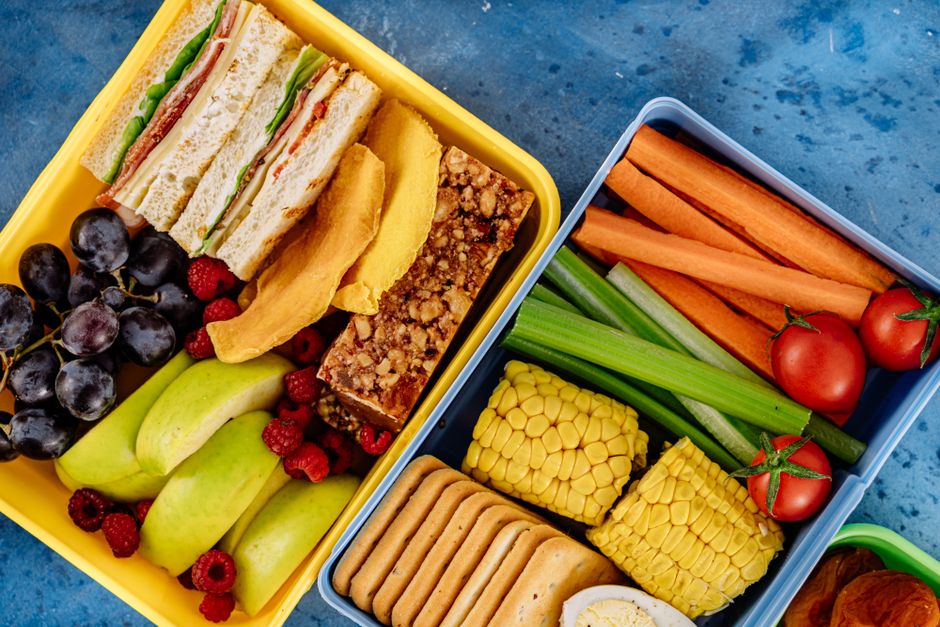
The foundation of any successful weight loss journey starts with understanding **calorie deficit** — a simple but powerful principle that drives results. A calorie deficit occurs when you consume fewer calories than your body burns in a day. Your body then turns to stored fat for energy, which is exactly what causes fat loss over time. It is not about starving yourself or cutting out entire food groups. Instead, it is about finding the right balance where your body draws on its reserves without feeling sluggish or deprived.
Calculating your daily calorie needs is the first practical step. A common starting point for US adults is the **Mifflin-St Jeor equation**, which estimates your Basal Metabolic Rate (BMR) based on your age, sex, height, and weight. Once you have your BMR, you multiply it by an activity factor — sedentary people use 1.2, while those who exercise regularly may use 1.55 or higher. For weight loss, most nutrition experts recommend subtracting **500 to 750 calories** from your Total Daily Energy Expenditure (TDEE) to lose roughly 1 to 1.5 pounds per week, which is a safe and sustainable rate for most people.
The good news is that creating a calorie deficit does not have to mean eating tiny portions of boring food. You can **swap calorie-dense foods for nutrient-rich alternatives** — for example, replacing a large bag of potato chips with a bowl of air-popped popcorn saves hundreds of calories while still giving you that crunchy satisfaction. Focusing on **high-volume, lower-calorie foods** like leafy greens, cucumbers, and broth-based soups helps you feel full on fewer calories. The key is consistency over perfection — missing one day of deficit does not undo your progress, but sustained deficit over weeks and months absolutely moves the needle.
Editor’s pick: meal prep containers glass set — see current prices and reviews.
Macro Ratios for Weight Loss
Once you understand calorie deficit, the next layer is **macronutrients** — the three big categories your food breaks down into: protein, carbohydrates, and fats. Each plays a distinct role in how you feel, how your body composition changes, and whether you can stick to your plan long-term. Getting the macro ratio right is not a one-size-fits-all formula, but research-backed starting points give you a solid framework to build from.
**Protein** deserves special attention in any weight loss meal plan. It is the most satiating macronutrient, meaning it keeps you feeling full longer than carbs or fat. Protein also helps preserve lean muscle mass while your body burns fat for fuel. Most evidence-based weight loss plans recommend **0.5 to 0.8 grams of protein per pound of body weight** per day for people actively losing weight. For a 160-pound person, that is roughly 80 to 130 grams of protein daily. Good sources include chicken breast, Greek yogurt, eggs, fish, tofu, and legumes.
Carbohydrates are your body’s preferred energy source, especially for daily activity and exercise. Rather than cutting carbs drastically, most nutrition coaches suggest allocating **40 to 50 percent of your daily calories** to carbs from whole food sources like oats, sweet potatoes, brown rice, and fruits. Healthy fats should make up about **20 to 30 percent** of your calorie intake, coming from foods like avocado, olive oil, almonds, and salmon. These support hormone function and help you absorb fat-soluble vitamins.
| Macro | Calories per Gram | Recommended % of Diet | Best Sources |
|---|---|---|---|
| Protein | 4 cal/g | 30–40% | Chicken, fish, Greek yogurt, tofu |
| Carbohydrates | 4 cal/g | 40–50% | Oats, sweet potatoes, fruits |
| Fats | 9 cal/g | 20–30% | Avocado, olive oil, nuts, salmon |
One common mistake is over-restricting carbs, which often leads to fatigue, cravings, and ultimately binge eating. Instead, adjust your ratios gradually based on how you feel and how your weight changes week to week. If you are very active, you may need more carbs for energy; if you are more sedentary, a slightly higher protein ratio often works better.
Healthy and Nutritious Ingredients
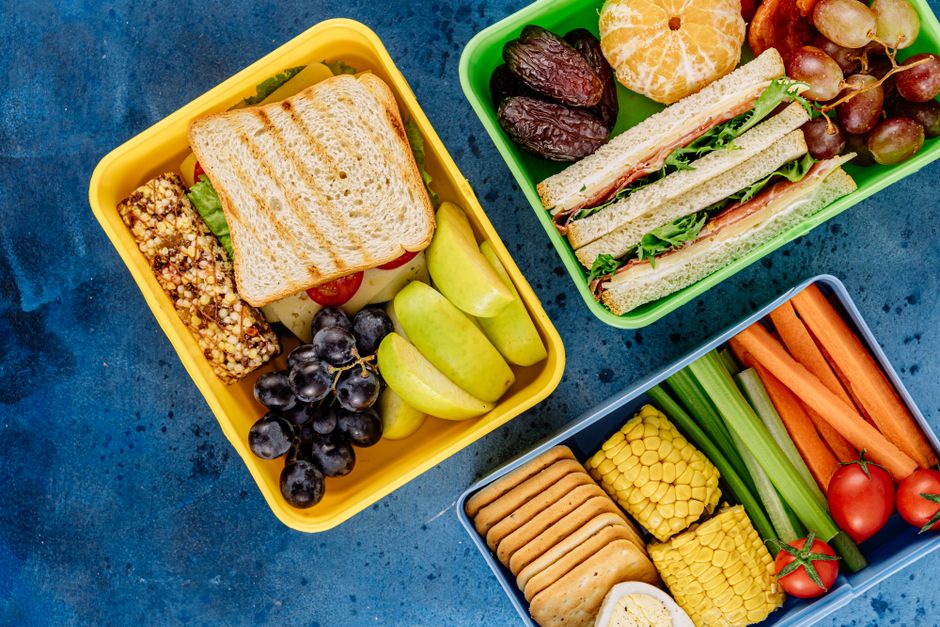
Stocking your kitchen with the right ingredients makes meal planning dramatically easier and keeps you from reaching for processed options when you are tired or stressed. The goal is to fill your pantry, refrigerator, and freezer with **whole, minimally processed foods** that are rich in fiber, vitamins, and minerals while being moderate in calories. Building your grocery list around these staples sets you up for success every single week.
**Vegetables should anchor every meal.** Dark leafy greens like spinach and kale, cruciferous vegetables like broccoli and cauliflower, and colorful options like bell peppers and tomatoes add bulk and nutrition without many calories. A large salad with grilled chicken and a light vinaigrette can keep you full for under 400 calories while delivering vitamins A, C, K, and folate. Frozen vegetables are just as nutritious as fresh ones and often cost less, making them a smart budget choice.
**Lean proteins** are non-negotiable for a weight loss meal plan because they provide the amino acids your body needs while keeping you satisfied. Skinless chicken thighs, ground turkey breast, canned tuna, and sardines are versatile and affordable protein sources. Eggs remain one of the most budget-friendly protein options — a three-egg omelet with spinach and feta is a filling, protein-packed breakfast for roughly $1.50.
Whole grains like **quinoa, oats, brown rice, and whole-wheat pasta** provide sustained energy and fiber, which slows digestion and prevents blood sugar spikes that trigger hunger. Stock up on canned beans and lentils — they are inexpensive, shelf-stable, and packed with both protein and fiber. For healthy fats, keep a jar of natural peanut butter, a bottle of extra-virgin olive oil, and a bag of raw almonds on hand. These ingredients form the foundation of hundreds of different meals, keeping your menu interesting without relying on processed convenience foods.
Meal Prep and Batch Cooking
One of the biggest reasons people abandon a weight loss meal plan is lack of time during busy weekdays. **Meal prep and batch cooking** solve this problem by shifting the time investment to a single session — usually a couple of hours on Sunday — so you have grab-and-go meals ready all week. When healthy food is already prepared and waiting in your refrigerator, you are far less likely to order takeout or grab something from the vending machine.
Start with a **simple weekly prep routine**: cook a large batch of a lean protein (such as baked chicken thighs or ground turkey), a big pot of a complex grain like quinoa or brown rice, and roast a sheet pan full of mixed vegetables. These three components alone can be mixed and matched into dozens of different meals throughout the week. Divide them into individual containers right after cooking so that each portion is pre-portioned for your calorie goals.
Invest in a set of **high-quality meal prep containers** — glass containers with secure lids are durable and microwave-safe, making them ideal for office lunches. A standard approach is the “five-day method”: prep five lunches and five snacks on Sunday evening, and you are set for the workweek. For breakfast, overnight oats are a no-cook option — simply combine rolled oats, Greek yogurt, and your choice of fruit in a jar the night before.
A common mistake in meal prep is **overcomplicating the menu**. Trying to prepare ten different elaborate recipes each week leads to burnout. Stick to three or four base ingredients and vary the sauces, seasonings, and combinations instead. Another pitfall is forgetting to label containers with dates — cooked proteins generally stay fresh for three to four days in the refrigerator, while properly stored freezer meals last up to three months.
Meal Planning on a Budget
Eating healthy for weight loss does not have to drain your bank account. With a strategic approach, you can build a **nutritious, satisfying meal plan for under $75 to $100 per person per week** in most US cities. The key is combining smart grocery shopping habits with a flexible recipe rotation that makes the most of affordable staples.
**Buy proteins in bulk when they are on sale** and freeze what you cannot use immediately. Chicken thighs and drumsticks are often significantly cheaper than boneless skinless breasts, and they taste just as good roasted or slow-cooked. Eggs, canned fish, and dried or canned beans are among the cheapest protein sources per gram. Incorporate one or two plant-based dinner nights each week — a hearty lentil soup or black bean tacos delivers solid protein and fiber at a fraction of the cost of meat.
**Plan your weekly menu before you shop.** This single habit prevents impulse purchases, which are one of the biggest budget drainers in grocery shopping. Write out your seven breakfasts, lunches, dinners, and snacks, then build your shopping list from the menu. Stick to the list at the store, and if an item is not on it, leave it in the cart. Shopping the perimeter of the store — where fresh produce, proteins, and dairy are typically located — helps you avoid the pricier processed foods in the center aisles.
Use leftovers creatively to stretch your budget further. Roast a whole chicken on Sunday and shred the leftovers for salads, sandwiches, and stir-fries throughout the week. Cook a big batch of brown rice and repurpose it into fried rice, stuffed peppers, or burrito bowls. Buying **seasonal produce** saves money too — corn, zucchini, and tomatoes are cheapest in summer, while squash and root vegetables offer the best value in fall and winter.
Delicious and Satisfying Meal Ideas
A weight loss meal plan that works long-term must actually taste good. Recipes that feel like a punishment — dry chicken breasts and plain broccoli — are impossible to sustain. These **satisfying meal ideas** bring flavor, variety, and real enjoyment to your table while staying within your calorie and macro targets.
**Breakfast:** Start your day with a **vegetable and egg scramble**. Whisk three eggs with a splash of milk, then cook in a nonstick pan with diced bell peppers, spinach, and a sprinkle of shredded cheese. Serve with half a whole-wheat avocado toast for roughly 350 calories and 25 grams of protein. Overnight oats are another great option — combine half a cup of rolled oats, one cup of unsweetened almond milk, a tablespoon of chia seeds, and a handful of frozen berries. Let it sit overnight; in the morning you have a fiber-rich breakfast for about 300 calories.
**Lunch:** A **Mediterranean chicken bowl** keeps you full until dinner. Layer grilled chicken breast over a base of mixed greens, cucumber, cherry tomatoes, and quinoa. Drizzle with two tablespoons of tahini-lemon dressing. Total calorie count comes to roughly 420 calories with 40 grams of protein — a balanced lunch that covers all your macros. Meal prep these bowls in jars with the dressing on the bottom and layers stacked above — they stay fresh in the fridge for up to three days.
**Dinner:** Try **baked salmon with roasted sweet potato and steamed broccoli**. Season a five-ounce salmon fillet with garlic powder, paprika, salt, and pepper. Roast at 400°F for 12 to 15 minutes. Pair with a cubed sweet potato roasted in olive oil and a serving of steamed broccoli. This meal delivers roughly 480 calories, 35 grams of protein, and plenty of omega-3 fatty acids and fiber.
**Snacks:** Keep pre-portioned snacks on hand so you never go more than three to four hours without eating. Options include a handful of raw almonds (about 15 nuts, 170 calories), a medium apple with a tablespoon of natural peanut butter (roughly 200 calories), or a cup of cottage cheese with sliced cucumber (about 120 calories). These snacks bridge the gap between meals without derailing your calorie goals.
Staying on Track with Your Meal Plan
Consistency is what separates people who see steady weight loss from those who feel stuck. **Staying on track with your meal plan** is less about willpower and more about building habits and systems that make the right choice the easy choice. Small daily actions compound into significant results over weeks and months.
**Track your food intake**, especially in the beginning. Most people are surprised to discover how many calories they actually consume — hidden sources like cooking oil, sauces, and beverages add up fast. Free smartphone apps like MyFitnessPal or LoseIt let you log meals quickly and see your daily totals at a glance. After a few weeks of tracking, you develop an intuitive sense of portion sizes and calorie density, and you may not need to log every meal to stay on course.
**Cravings and temptations** are normal and will happen. Instead of fighting them head-on, outsmart them. If you crave something salty, reach for a small portion of roasted chickpeas instead of a bag of chips. If chocolate is your weakness, keep a small square of dark chocolate in the house rather than an entire bar. The goal is not to eliminate all indulgences — that approach backfires — but to **swap higher-calorie versions for lower-calorie alternatives** that satisfy the same craving.
Expect your weight loss to **plateau occasionally**. After losing the first five to ten pounds, your body adapts and your rate of loss naturally slows. When this happens, do not panic or abandon your plan. Instead, try recalculating your calorie needs — as you lose weight, your TDEE decreases, so you may need to trim 50 to 100 calories from your daily intake or increase your activity level slightly. Review your portions and be honest about any slip-ups in tracking. Consistency through plateaus is what ultimately leads to reaching your goal weight.
Frequently Asked Questions (FAQ)
What is the best meal delivery service for weight loss?
The best meal delivery service for weight loss depends on your budget, dietary preferences, and calorie goals. Services like **Blue Apron, HelloFresh, and Nutrisystem** all offer calorie-controlled meal options tailored for weight loss, with pre-portioned ingredients and nutritional information provided. If you prefer more flexibility, **Fresh Easy** or **Trader Joe’s meal kits** give you semi-homemade options that you finish at home. For a more hands-off approach, subscription services with pre-cooked meals — such as **Factor** or **Daily Harvest** — deliver chef-prepared options that are ready in minutes. Compare menus, calorie ranges, and subscription costs to find the service that fits your lifestyle and goals.
Can I still enjoy occasional treats while following a weight loss meal plan?
Absolutely yes. Completely eliminating the foods you love is one of the most common reasons people quit a meal plan. The key is **planned indulgences** rather than spontaneous ones. Set aside a small calorie window — about 150 to 250 calories — for a treat two or three times per week. A small serving of dark chocolate, a single scoop of ice cream, or a glass of wine fits this budget. By planning the treat into your daily calorie count, you avoid the guilt and the subsequent all-or-nothing binge that often follows feeling deprived.
How can I meal plan for a family while also trying to lose weight?
The most practical approach is to **build one base meal that works for everyone** and adjust portions and sides individually. For example, make a large batch of lean ground turkey chili with beans, diced tomatoes, and bell peppers. Serve it over a bed of greens for your meal, while your family has it over brown rice with a side of cornbread. This way you share the grocery cost and cooking effort across one menu while each person gets a portion tailored to their goals. Let family members customize their own bowls with toppings like cheese, sour cream, or avocado so everyone feels satisfied.
Top Product Recommendations
| Product Name | Rating | Key Feature | Est. Price | Action |
|---|---|---|---|---|
| Top-rated meal prep containers glass set | ★★★★★ | Editor-recommended meal prep containers glass set from this guide | $18–$42 | Check Lowest Price on Amazon |
| Best-value digital food scale for portion control | ★★★★☆ | Affordable digital food scale for portion control — strong everyday results | $12–$28 | Check Lowest Price on Amazon |
| Premium overnight oat jars with lids | ★★★★☆ | Higher-end overnight oat jars with lids for visible, lasting results | $45–$95 | Check Lowest Price on Amazon |
Affiliate Disclosure: This post contains affiliate links. We may earn a commission if you buy through our links, at no extra cost to you. Medical Disclaimer: This content is for informational purposes only and is not medical advice. Consult a healthcare professional before changing diet or exercise.
Leave a Reply