
Intermittent fasting has become increasingly popular in recent years as a way to promote weight loss and improve overall health. But with so many different fasting methods and meal plans out there, it can be challenging to know where to start. In this article, we’ll break down the best intermittent fasting meal plan for 2026 and provide practical tips for making it work for you.
Meal Planning for Intermittent Fasting
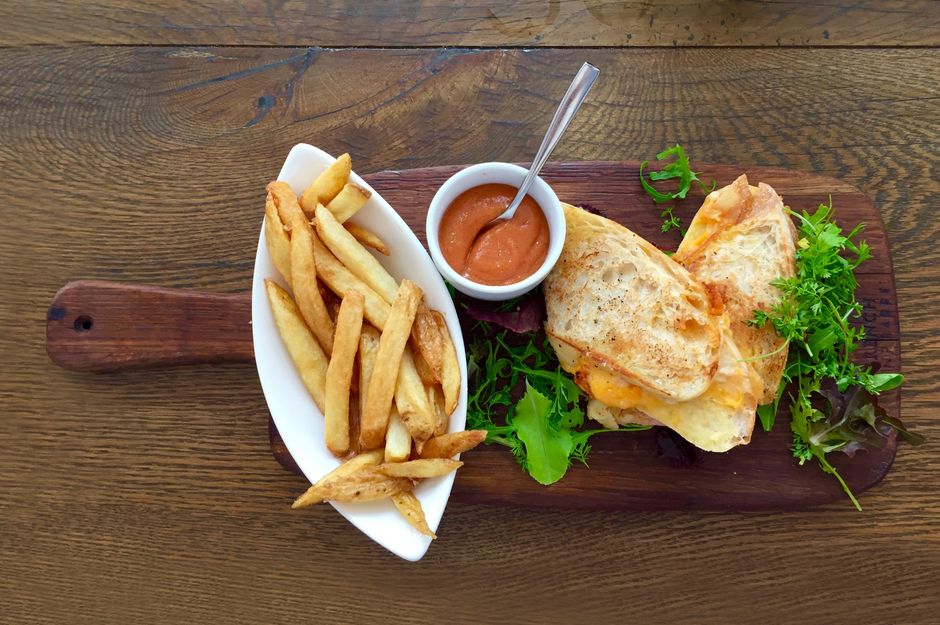
Intermittent fasting is an eating pattern that cycles between periods of fasting and eating. The goal is to create a calorie deficit by limiting your food intake to specific windows of time, which can help promote weight loss and improve insulin sensitivity.
To get started with meal planning for intermittent fasting, first determine which fasting method works best for your lifestyle. Some popular options include the 16/8 method (16 hours of fasting, 8 hours of eating), the 5:2 method (eating normally for 5 days, restricting calories to 500-600 for 2 non-consecutive days), and alternate-day fasting.
Once you’ve chosen your fasting method, create a balanced meal plan that fits your fasting schedule. Aim to consume nutrient-dense foods during your eating windows, such as lean proteins, healthy fats, and complex carbs. And be sure to stay hydrated during your fasting periods by drinking plenty of water and unsweetened beverages.
Editor’s pick: intermittent fasting books — see current prices and reviews.
Preparing Nutrient-Dense Meals
When it comes to preparing meals for intermittent fasting, focus on incorporating nutrient-dense ingredients that will keep you feeling full and satisfied. Some great options include:
- **Protein:** Lean meats like chicken and turkey, fish, eggs, tofu, and legumes
- **Healthy Fats:** Avocado, nuts, seeds, olive oil, and coconut oil
- **Complex Carbs:** Sweet potatoes, brown rice, quinoa, oats, and fruits
- **Vegetables:** Leafy greens like spinach and kale, broccoli, cauliflower, bell peppers, and zucchini
Try to avoid processed foods and added sugars as much as possible, and opt for whole, unprocessed ingredients whenever you can. If you’re short on time or budget, consider making simple ingredient swaps or substitutions to make your meals more nutritious. For example, swap out white rice for brown rice or cauliflower rice, or replace sour cream with Greek yogurt.
Meal Prepping for Fasting and Non-Fasting Days

Meal prepping can be a game-changer when it comes to sticking to your intermittent fasting meal plan. By preparing meals in advance, you can save time and ensure you always have healthy options on hand during your eating windows.
When meal prepping for fasting and non-fasting days, be sure to distinguish between the two. On fasting days, focus on preparing nutrient-dense meals that are easy to digest and won’t leave you feeling overly full or bloated. On non-fasting days, aim for more balanced meals that include a mix of protein, healthy fats, and complex carbs.
Some time-saving meal prep strategies include:
- Preparing large batches of foods like soups, stews, or casseroles that can be easily reheated throughout the week
- Chopping and prepping vegetables in advance
- Portioning out meals into individual containers for easy grab-and-go options
Avoid common meal prepping mistakes that can lead to weight gain, such as overeating during your eating windows or choosing unhealthy ingredients. Stick to your meal plan as much as possible and be mindful of portion sizes.
Healthy and Delicious Breakfast Recipes
Breakfast can be one of the most challenging meals to navigate when you’re intermittent fasting, especially if you’re used to eating first thing in the morning. But with some creativity and planning, you can enjoy delicious and nutritious breakfasts even on fasting days.
Some quick and easy breakfast ideas for non-fasting days include:
- **Smoothies:** Blend together your favorite fruits, vegetables, and protein powder for a nutrient-packed breakfast that’s easy to digest
- **Oatmeal:** Cook up a batch of overnight oats with your favorite toppings, such as fresh berries, nuts, and a drizzle of honey
- **Breakfast burritos:** Scramble eggs with vegetables and cheese, then wrap them up in a whole-grain tortilla for a portable breakfast option
For fasting days, consider prepping breakfast options that are easy to grab and go, such as hard-boiled eggs, avocado toast, or chia seed pudding. And if you’re short on time or budget, there are plenty of affordable and healthy breakfast meal prep ideas out there, such as egg muffins or breakfast bars.
Nutritious Lunch and Dinner Recipes
When it comes to lunch and dinner options for intermittent fasting, aim for wholesome and satisfying meals that will keep you feeling full and energized. Some great options include:
- **Salads:** Top a bed of leafy greens with your favorite proteins, vegetables, and healthy fats for a satisfying and nutrient-packed meal
- **One-pot meals:** Cook up a batch of soup, stew, or chili that you can easily reheat for lunch or dinner throughout the week
- **Stir-fries:** Sauté your favorite vegetables and proteins in a wok or skillet for a quick and easy meal that’s packed with flavor
If you’re meal prepping for work or home, consider making simple swaps or substitutions to make your meals more nutritious. For example, use cauliflower rice instead of white rice, or swap out pasta for zucchini noodles.
Snacking and Intermittent Fasting
While intermittent fasting is primarily focused on when you eat rather than what you eat, it’s still important to make healthy snacking choices during your eating windows. Aim for nutrient-dense snacks that will keep you feeling full and satisfied, such as:
- **Nuts and seeds:** Almonds, walnuts, pumpkin seeds, and sunflower seeds
- **Fruits and vegetables:** Apples, carrots, celery sticks, and cherry tomatoes
- **Protein-packed options:** Hard-boiled eggs, Greek yogurt, and hummus
When preparing and portioning snacks, be mindful of serving sizes and avoid overeating. And be sure to steer clear of unhealthy snacks that can hinder your weight loss progress, such as chips, cookies, and candy.
Frequently Asked Questions (FAQ)
What are some common mistakes beginners make when starting intermittent fasting?
Some common mistakes beginners make when starting intermittent fasting include:
- Overeating during eating windows
- Choosing unhealthy or processed foods
- Not staying hydrated during fasting periods
- Fasting for too long or too often
To avoid these mistakes, be mindful of portion sizes, choose whole and unprocessed foods, drink plenty of water, and listen to your body’s hunger cues.
How can I make meal prepping easier and more efficient?
To make meal prepping easier and more efficient, consider:
- Investing in quality food storage containers
- Prepping ingredients in bulk, such as chopping vegetables or cooking grains
- Batch cooking larger meals that can be easily reheated throughout the week
- Keeping a well-stocked pantry with healthy staples
What are some budget-friendly meal prep ingredients that also promote weight loss?
Some budget-friendly meal prep ingredients that also promote weight loss include:
- Lentils and beans
- Frozen fruits and vegetables
- Whole grains like brown rice and oats
- Canned fish and poultry
By incorporating these ingredients into your meal prep routine, you can save money while also supporting your weight loss goals.
Staying Motivated and Consistent
Staying motivated and consistent with intermittent fasting and meal prepping can be challenging, especially if you’re just starting out. To stay on track, consider:
- Setting realistic goals and celebrating small victories along the way
- Finding an accountability partner or joining an online community for support
- Experimenting with new recipes and meal ideas to keep things interesting
- Practicing self-compassion and not beating yourself up over slip-ups or setbacks
Remember, consistency is key when it comes to seeing results with intermittent fasting and meal prepping. Stay committed to your goals and be patient with yourself as you navigate this new way of eating.
Tracking Progress and Adjusting as Needed
As you embark on your intermittent fasting journey, it’s important to track your progress and make adjustments as needed. Consider keeping a food and exercise journal to help you stay accountable and identify any patterns or trends in your eating habits.
If you find that you’re not seeing the results you want, or if you’re experiencing any negative side effects from intermittent fasting, don’t be afraid to make changes to your meal plan or fasting schedule. Listen to your body and consult with a healthcare professional if needed.
And if you’re finding success with intermittent fasting, don’t be afraid to challenge yourself and try new things. Experiment with different fasting methods or meal ideas to keep your journey exciting and engaging.
Embracing a Healthy Lifestyle Beyond Weight Loss
While weight loss is often the primary goal for those starting intermittent fasting, it’s important to remember that this way of eating can also support overall health and well-being. In addition to meal prepping and fasting, consider incorporating other healthy habits into your routine, such as:
- Engaging in regular physical activity and exercise
- Prioritizing sleep and stress management
- Practicing mindful eating and listening to your body’s hunger cues
By embracing a holistic approach to health and wellness, you can not only achieve your weight loss goals but also improve your overall quality of life. And as you continue on your journey with intermittent fasting, remember to be patient, kind, and compassionate with yourself. With dedication and consistency, you can make lasting changes that will benefit your health for years to come.
With the right meal plan and preparation strategies, intermittent fasting can be a sustainable and effective way to support weight loss and improve overall health. By focusing on nutrient-dense meals, making healthy snacking choices, and staying consistent with your fasting schedule, you can achieve your goals and embrace a healthier lifestyle beyond weight loss. So why not give intermittent fasting a try in 2026? With this practical guide and meal plan, you’ll be well on your way to success!
Top Product Recommendations
| Product Name | Rating | Key Feature | Est. Price | Action |
|---|---|---|---|---|
| Top-rated intermittent fasting books | ★★★★★ | Editor-recommended intermittent fasting books from this guide | $18–$42 | Check Lowest Price on Amazon |
| Best-value meal prep containers | ★★★★☆ | Affordable meal prep containers — strong everyday results | $12–$28 | Check Lowest Price on Amazon |
| Premium blender for smoothies | ★★★★☆ | Higher-end blender for smoothies for visible, lasting results | $45–$95 | Check Lowest Price on Amazon |
Affiliate Disclosure: This post contains affiliate links. We may earn a commission if you buy through our links, at no extra cost to you. Medical Disclaimer: This content is for informational purposes only and is not medical advice. Consult a healthcare professional before changing diet or exercise.
Leave a Reply