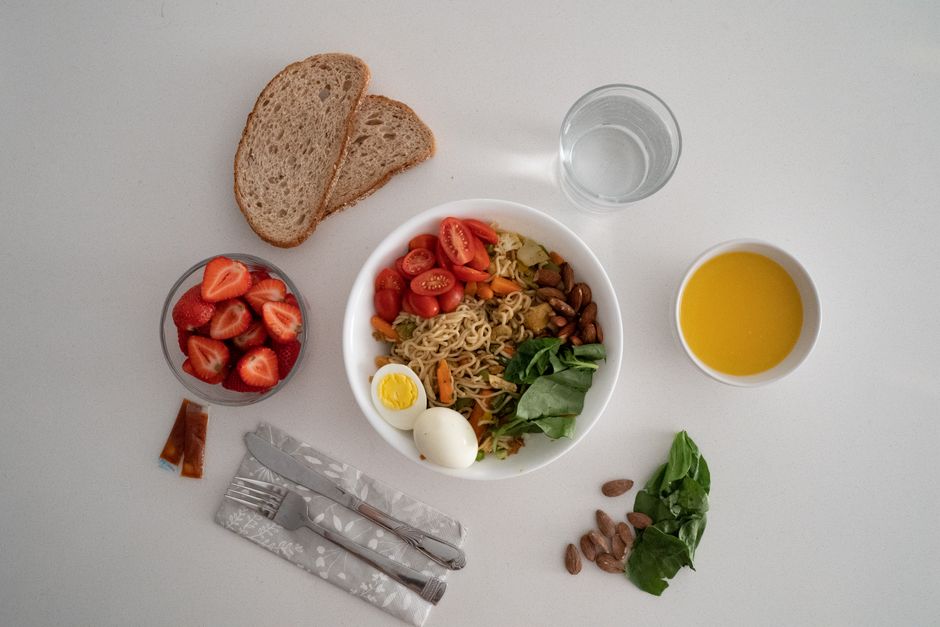
Understanding Intermittent Fasting
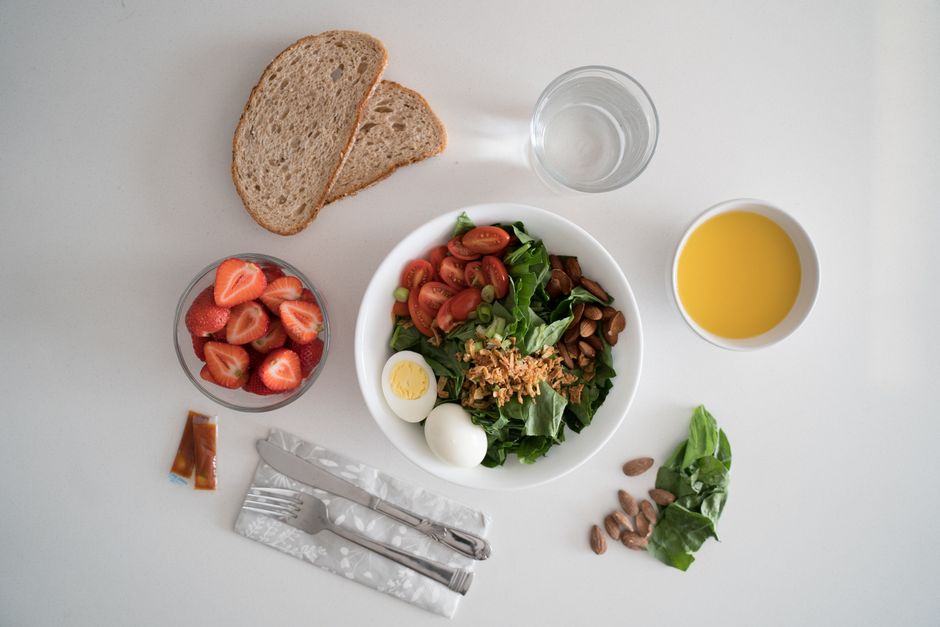
Intermittent fasting has become one of the most popular approaches to weight loss in recent years. This eating pattern cycles between periods of eating and fasting, helping your body tap into fat stores more efficiently. Unlike traditional diets that focus on what you eat, intermittent fasting emphasizes when you eat.
The **16/8 method** is the most popular approach, where you fast for 16 hours and eat during an 8-hour window. The **5:2 diet** involves eating normally five days a week and restricting calories to 500-600 on two non-consecutive days. The **alternate-day fasting** method switches between regular eating days and fasting days.
When you fast, your body undergoes several metabolic changes that promote weight loss. Insulin levels drop significantly, allowing your body to access stored fat for energy. Human growth hormone levels increase, facilitating fat burning and muscle gain. Your cells also initiate cellular repair processes, removing waste material from cells.
Editor’s pick: meal prep containers glass — compare options and current availability.
Creating Your Ideal Meal Plan
Determining your calorie needs is the foundation of any successful intermittent fasting meal plan. Most women need approximately 1,200-1,500 calories during their eating window, while men typically require 1,500-1,800 calories. Use an online calculator to determine your **Total Daily Energy Expenditure (TDEE)** based on your age, weight, height, and activity level.
Your meal plan should include a balance of macronutrients: **40% carbohydrates, 30% protein, and 30% healthy fats**. Protein is especially important during intermittent fasting because it helps preserve muscle mass while you lose fat. Include lean proteins like chicken, fish, eggs, and legumes in every meal.
Adjust your eating schedule based on your lifestyle and fasting method. If you follow the 16/8 method and skip breakfast, plan your first meal around noon and your last meal by 8 PM. Break your fast with a moderate meal containing protein and fiber to avoid blood sugar spikes. Save your largest meal for dinner when you have more time to prepare and enjoy food.
Grocery Shopping on a Budget
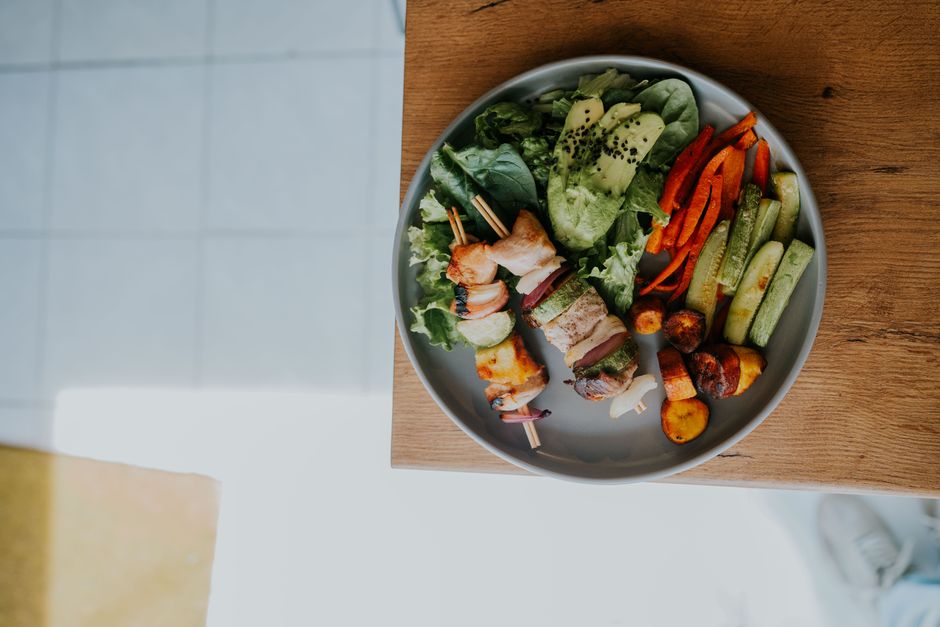
Building an effective intermittent fasting meal plan doesn’t require expensive specialty foods. Focus on **budget-friendly protein sources** like eggs, canned tuna, chicken thighs, and dried beans. These items provide essential nutrients without breaking the bank.
Seasonal produce offers the best value and freshness throughout the year. In spring and summer, stock up on berries, leafy greens, and zucchini. During fall and winter, choose butternut squash, sweet potatoes, and Brussels sprouts. Frozen vegetables are equally nutritious and often more affordable than fresh options.
Pantry staples form the backbone of any budget-conscious meal plan. Keep these items on hand:
- **Whole grains**: brown rice, quinoa, oats, whole wheat pasta
- **Canned goods**: tomatoes, beans, chickpeas, coconut milk
- **Healthy fats**: olive oil, avocado oil, nuts, seeds
- **Spices and herbs**: garlic powder, cumin, paprika, dried basil
Buying in bulk saves money on items you use frequently. Purchase large bags of rice, oats, and dried beans from warehouse stores. Portion them into smaller containers at home for easy meal prep.
Meal Prep Strategies for Success
Successful meal prepping starts with dedicating 2-3 hours on Sunday to prepare your week’s meals. Cook large batches of protein, grains, and roasted vegetables that you can mix and match throughout the week. This approach gives you flexibility while ensuring you always have healthy options available.
Prepare **grab-and-go breakfast options** for your eating window, such as overnight oats, egg muffins, or Greek yogurt parfaits. For lunch and dinner, assemble complete meals in divided containers with protein, vegetables, and complex carbohydrates. Label each container with the date and reheating instructions.
Time-saving strategies include:
- Use a **slow cooker or Instant Pot** for hands-off cooking
- Chop all vegetables at once and store in airtight containers
- Cook proteins using sheet pan meals that require minimal cleanup
- Prepare sauces and dressings in advance to add flavor quickly
Store prepared meals in glass containers in the refrigerator for up to 4 days. For longer storage, freeze individual portions for up to 3 months. Reheat meals in the microwave or oven, adding a splash of water or broth to prevent drying out.
Delicious and Nutritious Recipes
**Breaking Your Fast (First Meal):**
Start with a **protein-packed scramble** containing 3 eggs, spinach, mushrooms, and feta cheese. Serve with a slice of whole grain toast and half an avocado for healthy fats. This meal provides approximately 450 calories and keeps you satisfied for hours.
A **Greek yogurt power bowl** combines 1 cup plain Greek yogurt with mixed berries, 2 tablespoons granola, 1 tablespoon almond butter, and a drizzle of honey. This 380-calorie option delivers probiotics, protein, and antioxidants.
**Lunch and Dinner Options:**
Prepare a **Mediterranean chicken bowl** with 4 ounces grilled chicken, 1 cup quinoa, cucumber, cherry tomatoes, red onion, Kalamata olives, and lemon-herb dressing. This balanced meal contains 520 calories and provides complete nutrition.
Make a **sheet pan salmon dinner** with 5 ounces wild-caught salmon, roasted broccoli, sweet potato wedges, and a side of brown rice. Season with garlic, lemon, and herbs for a 580-calorie satisfying dinner.
A **vegetarian burrito bowl** features black beans, brown rice, sautéed peppers and onions, guacamole, salsa, and a sprinkle of cheese. This fiber-rich option provides 490 calories and keeps you full.
**Snacks and Treats:**
Enjoy these snacks during your eating window:
- Apple slices with 2 tablespoons natural peanut butter (280 calories)
- Handful of mixed nuts and dried fruit (200 calories)
- Veggie sticks with hummus (150 calories)
- Dark chocolate squares with almonds (180 calories)
Staying Hydrated and Energized
Hydration is crucial during fasting periods because your body isn’t receiving water from food sources. Aim for at least **8-10 glasses of water daily**, with most consumed during your fasting window. Proper hydration prevents headaches, fatigue, and false hunger signals.
During your fasting periods, you can consume zero-calorie beverages that won’t break your fast. **Black coffee** provides a metabolism boost and helps suppress appetite. Green tea and herbal teas offer antioxidants without calories. Sparkling water adds variety when plain water becomes boring.
Avoid these beverages during fasting:
- Any drinks containing sugar or artificial sweeteners
- Fruit juices or smoothies
- Coffee with milk, cream, or sugar
- Diet sodas (some experts debate this)
- Bone broth (contains calories)
Combat fatigue by ensuring adequate electrolyte intake. Add a pinch of **Himalayan pink salt** to your water or drink electrolyte-enhanced water without added sugars. If you experience persistent low energy, you may need to adjust your fasting schedule or increase calories during your eating window.
Common Mistakes to Avoid
Many people overeat during their eating window, negating the calorie deficit created by fasting. Track your meals for the first few weeks to ensure you’re meeting but not exceeding your calorie goals. Use a food scale and measuring cups for accurate portions.
Breaking your fast with **high-sugar or processed foods** causes blood sugar spikes and crashes, leading to increased hunger and cravings. Always start with a balanced meal containing protein, healthy fats, and fiber. Save treats for later in your eating window when your blood sugar is stable.
Neglecting protein intake is another common error that leads to muscle loss rather than fat loss. Aim for **0.7-1 gram of protein per pound of body weight** distributed across your meals. This preserves lean muscle mass while promoting fat burning.
Tracking Progress and Adjusting Your Plan
Monitor your weight loss progress using multiple metrics beyond the scale. Take measurements of your waist, hips, and thighs every two weeks. Progress photos capture changes the scale might miss. Pay attention to how your clothes fit and your energy levels throughout the day.
Expect to lose **1-2 pounds per week** with consistent intermittent fasting and a proper meal plan. Weight loss that’s too rapid may indicate you’re not eating enough calories, which can slow your metabolism. If you hit a plateau after 4-6 weeks, adjust your eating window, increase physical activity, or recalculate your calorie needs.
Keep a food and fasting journal to identify patterns and triggers. Note:
- What times you feel most hungry
- Which meals keep you satisfied longest
- Your energy levels throughout the day
- Any digestive issues or side effects
Use this information to refine your meal plan and fasting schedule for optimal results.
Frequently Asked Questions
Q: What is the best time of day to start my intermittent fasting?
A: The best time depends on your lifestyle and natural eating patterns. Most people find the 16/8 method easiest when they skip breakfast and eat between noon and 8 PM. This schedule works well for those who aren’t hungry in the morning and prefer larger dinners with family. However, if you prefer eating breakfast, you can eat from 8 AM to 4 PM instead. Choose a schedule you can maintain consistently for long-term success.
Q: How can I prevent feeling hungry during my fasting periods?
A: Drink plenty of water, black coffee, or herbal tea throughout your fasting window to help suppress appetite. Stay busy with work or activities to distract yourself from hunger signals. Ensure your last meal contains adequate protein and healthy fats, which digest slowly and keep you satisfied longer. Hunger pangs typically pass after 15-20 minutes, and your body adapts to the fasting schedule within 2-3 weeks.
Q: Can I still enjoy coffee and tea while intermittent fasting?
A: Yes, black coffee and unsweetened tea are permitted during fasting periods and won’t break your fast. These beverages contain virtually zero calories and can actually enhance fat burning. However, adding milk, cream, sugar, or artificial sweeteners breaks your fast and triggers an insulin response. If you must add something, a splash of unsweetened almond milk (under 10 calories) is generally acceptable for most people without significantly impacting fasting benefits.
Top Product Recommendations
| Product Name | Rating | Key Feature | Est. Price | Action |
|---|---|---|---|---|
| Top-rated meal prep containers glass | ★★★★★ | Editor-recommended meal prep containers glass from this guide | $18–$42 | Check Lowest Price on Amazon |
| Best-value food scale digital kitchen | ★★★★☆ | Affordable food scale digital kitchen — strong everyday results | $12–$28 | Check Lowest Price on Amazon |
| Premium intermittent fasting tracker journal | ★★★★☆ | Higher-end intermittent fasting tracker journal for visible, lasting results | $45–$95 | Check Lowest Price on Amazon |
Affiliate Disclosure: This post contains affiliate links. We may earn a commission if you buy through our links, at no extra cost to you. Medical Disclaimer: This content is for informational purposes only and is not medical advice. Consult a healthcare professional before changing diet or exercise.
Leave a Reply