Ingredients for Passover Recipes
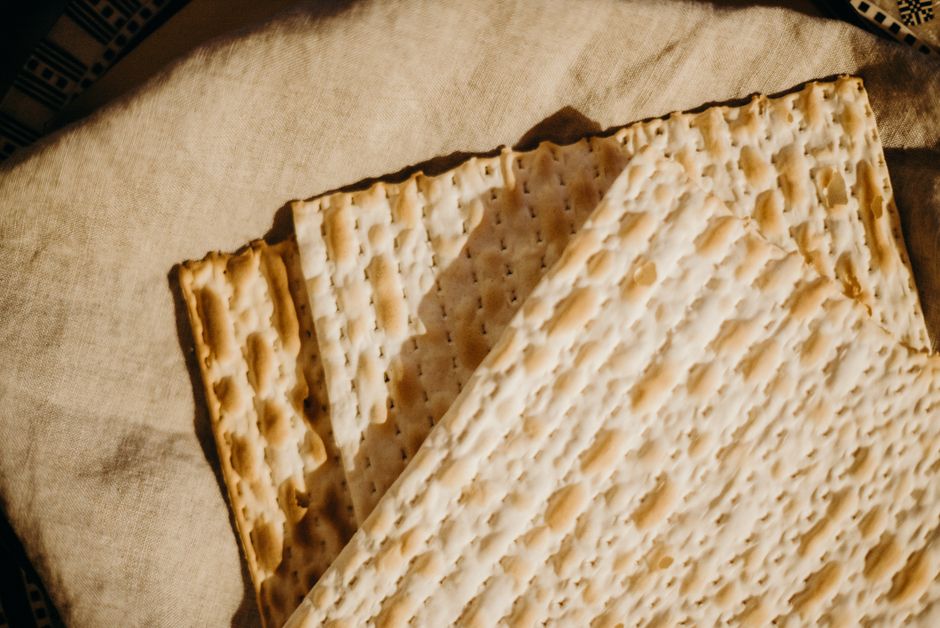
Passover cooking starts with understanding which ingredients meet kosher for Passover standards. **Matzo meal** replaces traditional flour in most recipes, while potato starch serves as a thickening agent for soups and gravies. Stock your pantry with certified kosher for Passover labels—look for the OU-P or Star-K-P symbols on packaging at major US grocery chains like Whole Foods, Kroger, and Wegmans.
Fresh produce forms the foundation of nutritious Passover side dishes. Spring vegetables like **asparagus, baby carrots, and sugar snap peas** are at peak season during April 2026 Passover dates (April 12-20). These vegetables require minimal prep and pair beautifully with brisket or roasted chicken. Leafy greens such as romaine, endive, and kale work perfectly for traditional charoset and modern grain-free salads.
Protein choices for Passover main dishes typically include beef brisket, whole chicken, turkey breast, and salmon filets. US home cooks can find kosher-certified meats at specialty butchers or order online through vendors like Grow & Behold or KOL Foods. Plan approximately **6-8 ounces of protein per adult serving** and shop three days before the Seder to ensure freshness without last-minute stress.
Editor’s pick: kosher for passover matzo meal — compare options and current availability.
Preparing Passover Dishes
Successful Passover meal prep relies on time-blocking your cooking schedule. Start brisket or turkey **48 hours before your Seder**—slow-braising tough cuts transforms them into fork-tender centerpieces. Use a 325°F oven for brisket, allowing 1 hour per pound plus 30 minutes resting time. This low-and-slow method breaks down collagen while keeping meat moist.
Modern twists on traditional Passover recipes keep meals exciting without abandoning heritage. Try **cauliflower matzo balls** by replacing half the matzo meal with riced cauliflower—this cuts carbs by 40% while adding vegetable servings. Swap heavy cream in potato kugel for Greek yogurt mixed with a tablespoon of olive oil. These substitutions maintain richness while improving nutritional profiles for health-conscious families.
Common mistakes include over-mixing matzo ball batter (creates dense, heavy dumplings) and under-seasoning vegetables (Passover doesn’t mean bland food). **Let matzo ball mixture rest 30 minutes in the refrigerator** before forming balls—this allows matzo meal to fully hydrate. Season vegetables generously with kosher salt, black pepper, and fresh herbs like dill, parsley, and thyme. Taste and adjust seasoning before serving since Passover ingredients can taste different than year-round staples.
Healthy Passover Recipe Swaps
Traditional Passover foods are often carb-heavy and high in saturated fat. Smart substitutions preserve flavor while cutting calories and improving nutrient density. Replace **full-fat sour cream with 2% Greek yogurt** in kugels and dips—this swap saves 60 calories and adds 8 grams protein per half-cup serving. Use egg whites instead of whole eggs for lighter matzo brei, keeping one yolk for every three whites to maintain richness.
Low-carb Passover adaptations help guests managing blood sugar or following keto diets. Swap white potatoes for **cauliflower mash** as a side dish—one cup contains only 5 grams carbs versus 27 grams in regular mashed potatoes. Make zucchini noodles (zoodles) as a Passover-friendly pasta alternative, spiralizing raw zucchini and sautéing for 3-4 minutes until tender-crisp. Top with tomato-based sauces or herb-infused olive oil.
Gluten-free eaters already benefit from Passover’s wheat-free requirements, but dairy-free guests need additional accommodations. Use **coconut oil or avocado oil** instead of butter in roasted vegetables and matzo meal coatings. Almond milk works in most Passover recipes calling for dairy milk, though it won’t provide the same richness—add a tablespoon of tahini to compensate. According to Verywell Fit nutrition analysis, these plant-based swaps reduce saturated fat by 65% compared to traditional butter-based recipes.
Budget-Friendly Passover Recipes
Passover grocery bills can spike 40-60% above typical weekly spending, but strategic shopping keeps costs manageable. **Buy matzo meal, potato starch, and canned goods two months early** when supermarkets run pre-Passover sales. Stock non-perishables like olive oil, jarred gefilte fish, and matzo during February and March clearance events at Costco, Target, and Amazon.
Choose affordable protein options that feed crowds without premium pricing. Whole chickens cost $1.50-2.50 per pound versus $8-12 per pound for brisket at US grocery stores in 2026. A 5-pound chicken serves 6-8 people when paired with substantial side dishes like **roasted root vegetables and quinoa salad**. Ground turkey or chicken makes exc nt Passover meatballs at half the cost of ground beef—season well with onion, garlic, and paprika to boost flavor.
Bulk cooking and meal planning prevent Passover food waste. Prepare a double batch of chicken soup and freeze half for later in the week—soup actually tastes better after flavors meld for 24 hours. Roast extra vegetables and repurpose them into frittatas, salads, or side dishes throughout the eight-day holiday. **Cook once, eat twice strategies** cut your active kitchen time by 30% while ensuring you have ready-to-reheat meals when hosting demands your attention elsewhere.
Serving Ideas for Passover Meals
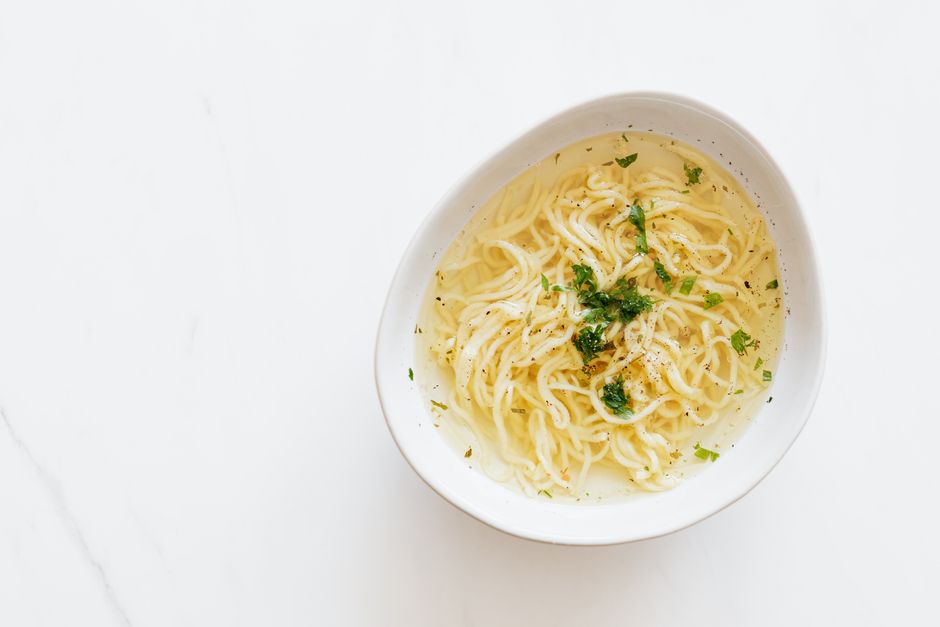
Presentation elevates Passover dishes from everyday meals to celebration-worthy spreads. Arrange charoset in small individual bowls rather than one communal dish—this creates visual interest and ensures everyone gets their preferred apple-to-nut ratio. **Garnish matzo ball soup with fresh dill sprigs and a lemon wheel**—the bright colors pop against golden broth and signal freshness to guests.
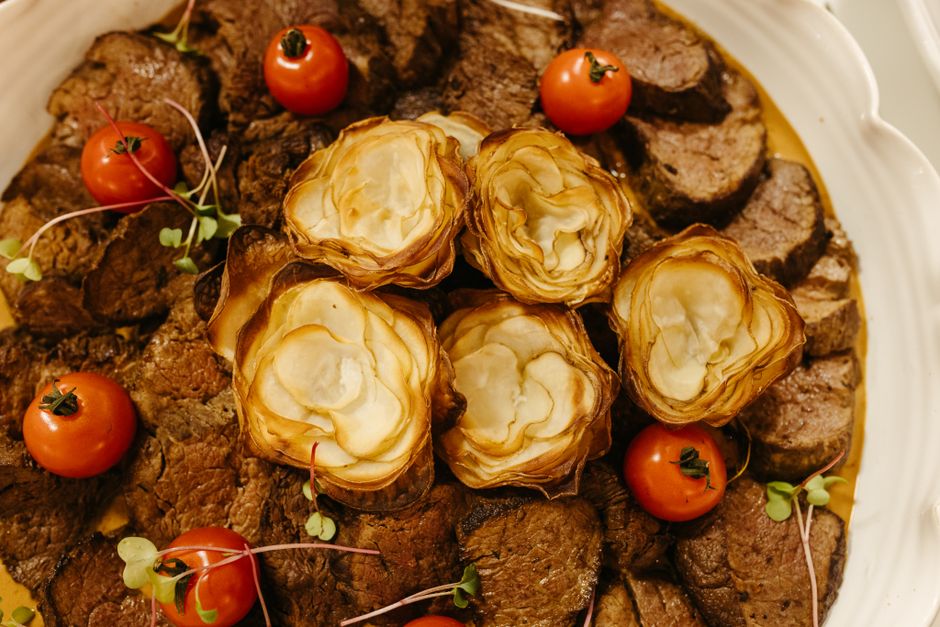
Creative plating transforms simple ingredients into Instagram-worthy dishes. Slice brisket against the grain at a 45-degree angle and fan slices across a white platter, drizzling pan juices over the top. Arrange roasted vegetables in color-blocked sections (orange carrots, green asparagus, purple beets) rather than mixing them together. This technique, borrowed from modern American restaurants, makes home-cooked Passover meals look professionally catered.
Table setting details complete the Passover dining experience. Layer white or cream tablecloths with a patterned runner in blues, silvers, or traditional Judaica motifs. Place fresh flowers like tulips or daffodils (spring blooms available at US florists during April) in low centerpieces that don’t block conversation. **Use cloth napkins folded into simple rectangles topped with a sprig of rosemary**—guests appreciate the sensory detail and the herb doubles as a palate cleanser between courses.
Passover Dessert Recipes
Passover desserts don’t require heavy flourless chocolate cakes to satisfy sweet cravings. **Fresh fruit compotes** made with strawberries, blueberries, and orange zest provide natural sweetness with added fiber and antioxidants. Simmer 4 cups mixed berries with 2 tablespoons honey and 1 teaspoon vanilla for 15 minutes until syrupy—serve warm over coconut whipped cream or dairy-free ice cream.
Low-sugar Passover treats work perfectly for guests watching their intake. Make **almond macaroons** using 3 egg whites, 2 cups almond flour, 1/4 cup honey, and 1 teaspoon almond extract. These naturally gluten-free cookies contain 8 grams sugar per serving versus 18 grams in traditional coconut macaroons. Bake at 325°F for 18-20 minutes until edges turn golden brown.
Vegan and gluten-free Passover desserts accommodate multiple dietary needs simultaneously. Chocolate avocado mousse blends 2 ripe avocados, 1/3 cup cocoa powder, 1/4 cup maple syrup, and 1 teaspoon vanilla until silky smooth. This dairy-free dessert provides healthy fats from avocados while tasting indulgently rich. **Freeze in small ramekins for 2 hours** to create a texture similar to chocolate pots de crème. According to EatingWell nutritional analysis, this dessert contains 12 grams healthy monounsaturated fat per serving compared to zero in traditional custards.
Common Passover Cooking Mistakes and Fixes
Oversalting is surprisingly common during Passover when cooks compensate for matzo meal’s bland flavor. **Taste as you cook** rather than adding salt by memory—Passover ingredients absorb salt differently than wheat flour. If a dish becomes too salty, dilute with unsalted broth, add acid like lemon juice to balance flavors, or stir in cooked unsalted vegetables to absorb excess sodium.
Dry brisket ruins an otherwise perfect Seder meal. This happens when cooks use insufficient liquid or cooking temperatures above 350°F. **Submerge brisket at least halfway in braising liquid** (beef broth, red wine, or tomato sauce) and cover tightly with foil. Check every 45 minutes and add more liquid if the pan looks dry. Internal temperature should reach 195-205°F for proper collagen breakdown—use a meat thermometer rather than guessing doneness.
Matzo balls that fall apart or turn out dense frustrate even experienced cooks. Dense matzo balls result from over-mixing the batter—**fold ingredients together just until combined**, about 10-12 gentle strokes. Falling-apart matzo balls need more binder, so add an extra egg or 2 tablespoons matzo meal to the mixture. Always refrigerate the batter for 30 minutes minimum before shaping, and use wet hands when forming balls to prevent sticking.
Frequently Asked Questions
Q: What are some easy and healthy Passover recipes for beginners?
A: Start with **roasted chicken with vegetables** (4-5 ingredients, one pan, 90 minutes total), matzo ball soup using boxed mix for simplicity, and a mixed green salad with lemon vinaigrette. These core recipes require basic cooking skills and feed 6-8 people. Add a fruit compote for dessert and you have a complete nutritious Passover meal without advanced techniques.
Q: How can I make traditional Passover dishes more nutritious and flavorful?
A: **Replace half the fat with vegetable purees or Greek yogurt**, add extra vegetables to every dish (carrots in matzo balls, spinach in kugel), and use fresh herbs liberally—parsley, dill, cilantro, and thyme boost flavor without calories. Toast spices like paprika and cumin in a dry pan before adding to recipes for deeper taste. Season in layers throughout cooking rather than only at the end.
Q: What are some creative and tasty Passover side dishes that pair well with main courses?
A: Try **quinoa pilaf with dried cranberries and toasted almonds** (naturally gluten-free for Passover), roasted Brussels sprouts with balsamic glaze, sweet potato rounds topped with tahini drizzle, or cauliflower steaks seasoned with za’atar spice blend. These modern sides complement traditional brisket or chicken while adding color, nutrients, and variety to your Passover table. Each recipe takes under 30 minutes active prep time.
Top Product Recommendations
| Product Name | Rating | Key Feature | Est. Price | Action |
|---|---|---|---|---|
| Top-rated kosher for passover matzo meal | ★★★★★ | Editor-recommended kosher for passover matzo meal from this guide | $18–$42 | Check Lowest Price on Amazon |
| Best-value passover cookbook 2026 | ★★★★☆ | Affordable passover cookbook 2026 — strong everyday results | $12–$28 | Check Lowest Price on Amazon |
| Premium meat thermometer instant read | ★★★★☆ | Higher-end meat thermometer instant read for visible, lasting results | $45–$95 | Check Lowest Price on Amazon |
Affiliate Disclosure: This post contains affiliate links. We may earn a commission if you buy through our links, at no extra cost to you.
Leave a Reply