
Why Pre-Workout Nutrition Matters for Your Fitness Goals
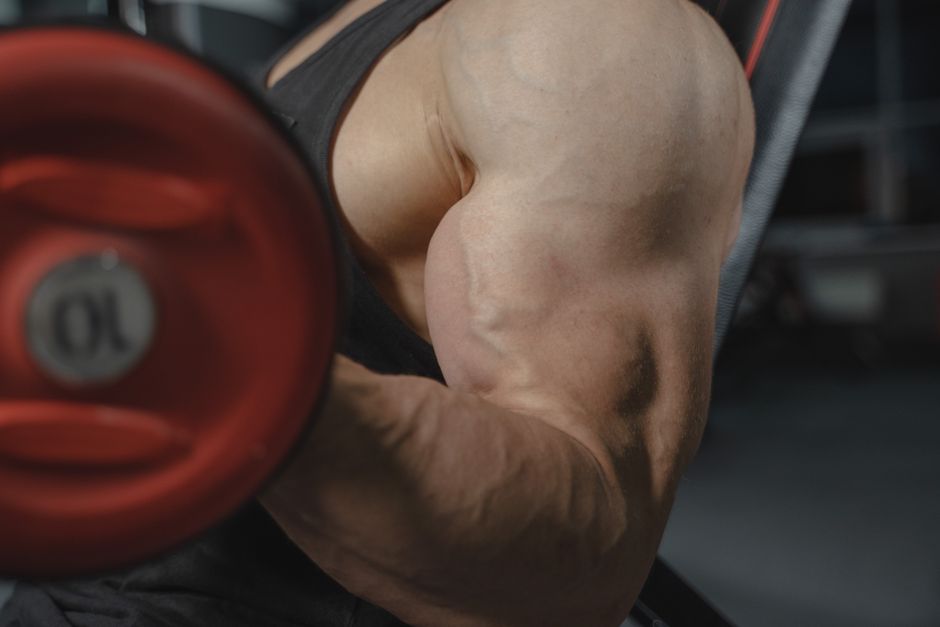
Fueling your body correctly before exercise can make or break your workout performance. The right pre-workout nutrition provides sustained energy, prevents muscle breakdown, and helps you push harder during training sessions. According to fitness nutrition experts, timing and composition matter just as much as the foods you choose.
Many Americans searching for pre-workout guidance on forums want real-world advice from people who’ve tested different approaches. The best pre-workout meals balance **protein, complex carbohydrates, and moderate healthy fats** to optimize performance without causing digestive discomfort. Understanding what works for your body and workout intensity is key to consistent progress.
Editor’s pick: whey protein powder — compare options and current availability.
High-Protein Breakfast Ideas for Morning Workouts
Starting your day with protein-rich foods helps preserve muscle mass and provides amino acids for recovery. **Scrambled eggs with spinach and feta cheese** deliver approximately 20-25 grams of complete protein along with iron and calcium. Cook three eggs in a non-stick pan, add a handful of fresh spinach, and crumble 2 tablespoons of feta on top.
A **Greek yogurt parfait with berries and granola** offers a lighter option with 15-20 grams of protein per serving. Layer one cup of plain Greek yogurt with half a cup of mixed berries and a quarter cup of low-sugar granola. This combination provides probiotics for gut health and antioxidants from the berries.
For those who prefer drinkable breakfasts, a **protein-packed smoothie** blends convenience with nutrition. Combine one cup unsweetened almond milk, one medium banana, two tablespoons natural peanut butter, and one scoop vanilla or chocolate protein powder. This shake delivers 25-30 grams of protein and provides quick-digesting carbs for immediate energy. Prep time is under five minutes, making it perfect for early gym sessions.
Carbohydrate-Rich Lunch Options for Afternoon Training

Complex carbohydrates provide the sustained energy needed for longer or more intense workout sessions. A **quinoa salad with grilled chicken, avocado, and tomatoes** combines complete protein with fiber-rich carbs. Cook one cup of quinoa according to package directions, add 4 ounces of grilled chicken breast, half an avocado sliced, and one cup of cherry tomatoes.
**Whole wheat pasta with turkey meatballs and marinara sauce** offers familiar comfort food that fuels performance. Use 2 ounces of whole wheat pasta, three turkey meatballs made with lean ground turkey, and half a cup of low-sodium marinara. This meal provides approximately 400-500 calories with a 40-30-30 macro split of carbs, protein, and fats.
The **sweet potato and black bean burrito bowl** works well for those following plant-based diets or wanting to reduce meat consumption. Roast one medium sweet potato, combine with half a cup of black beans, add brown rice, salsa, and a dollop of Greek yogurt. Sweet potatoes digest slowly, preventing energy crashes mid-workout, while black beans add protein and fiber.
Healthy Snacks for Quick Energy Boost
When you only have 30-60 minutes before training, smaller snacks prevent fullness while still providing fuel. **Hummus with carrot and cucumber sticks** offers a Mediterranean-inspired option with plant-based protein and fiber. Use a quarter cup of hummus with one cup of sliced vegetables for approximately 150-180 calories.
**Apple slices with almond butter** provide natural sugars for immediate energy plus healthy fats for satiety. Slice one medium apple and pair with two tablespoons of almond butter. This snack contains about 250 calories and takes less than two minutes to prepare. Choose crisp apple varieties like Honeycrisp or Fuji for better texture.
**Roasted chickpeas seasoned with cumin and paprika** serve as a crunchy, portable alternative to chips or crackers. Drain and dry one can of chickpeas, toss with one tablespoon olive oil and spices, then roast at 400°F for 25-30 minutes. Make a batch ahead and store in an airtight container for grab-and-go convenience throughout the week.
Pre-Workout Power Shakes and Smoothies
Liquid nutrition digests faster than solid foods, making shakes ideal for those with sensitive stomachs or tight schedules. A **banana and oats smoothie with whey protein** combines fast and slow-digesting carbs with high-quality protein. Blend one banana, a quarter cup of rolled oats, one scoop whey protein powder, one cup milk of choice, and ice.
The **berries, chia seeds, and Greek yogurt blend** provides antioxidants and omega-3 fatty acids alongside protein. Use one cup mixed berries (fresh or frozen), one tablespoon chia seeds, three-quarters cup Greek yogurt, and half a cup of water or coconut water. Let it sit for five minutes so chia seeds can gel slightly, creating a thicker texture.
A **kale, mango, and coconut water mixture** offers a tropical twist with added greens for micronutrients. Combine one cup chopped kale, one cup frozen mango chunks, one cup coconut water, and half a banana for sweetness. The natural electrolytes in coconut water help with hydration, especially important for longer cardio sessions or hot weather workouts.
Timing Your Pre-Workout Meals for Maximum Performance
Meal timing significantly impacts how you feel during exercise. Large meals containing 400-600 calories need **2-3 hours for digestion** before intense training. This allows your body to process nutrients without competing blood flow between your digestive system and working muscles.
Medium-sized snacks of 200-300 calories work best when consumed **60-90 minutes before** your workout. This window provides enough time for initial digestion while keeping energy levels elevated. Monitor how different foods affect your personal digestion speed and adjust accordingly.
Small snacks under 200 calories can be eaten as close as **30-45 minutes before** exercise, particularly if they’re primarily simple carbohydrates. A banana, energy bar, or small serving of dried fruit falls into this category. Avoid high-fiber or high-fat foods in this timeframe, as they slow digestion and may cause cramping or discomfort.
Common Pre-Workout Nutrition Mistakes to Avoid
Many fitness enthusiasts sabotage their performance through poor food choices before training. **Eating too much fat or fiber** right before exercise is a frequent error. While healthy fats and fiber are important for overall nutrition, they slow gastric emptying and can cause bloating, gas, or urgent bathroom trips mid-workout.
**Consuming high-sugar processed foods** leads to rapid blood sugar spikes followed by crashes. Energy drinks, candy bars, or sugary pastries might provide a quick boost, but you’ll likely feel fatigued 30-40 minutes into your session. Choose whole food sources of carbohydrates with some protein to stabilize blood sugar levels.
**Skipping pre-workout nutrition entirely** is equally problematic, especially for morning exercisers. Training in a completely fasted state can work for some people during low-intensity cardio, but it typically impairs performance during strength training or high-intensity intervals. Even a small snack makes a measurable difference in power output and endurance.
Building Your Personal Pre-Workout Meal Plan
Experimentation helps you discover which foods and timing work best for your body and workout type. Start by **keeping a food and performance journal** for two weeks. Note what you ate, when you ate it, and how you felt during your workout. Patterns will emerge showing which meals support your best sessions.
Consider your **workout intensity and duration** when planning meals. A 30-minute moderate-intensity cardio session requires less fuel than a 90-minute strength training workout. High-intensity interval training or heavy lifting sessions benefit from more carbohydrates, while steady-state cardio can work well with moderate carbs and slightly higher fat.
**Adjust portion sizes based on your goals**. Those trying to lose weight might opt for smaller pre-workout meals, relying more on stored body fat for fuel. Athletes training for performance or muscle gain need more substantial meals to support training volume and recovery. Track your energy levels, workout quality, and progress toward your goals to fine-tune your approach.
Frequently Asked Questions
Q: What is the best time to eat a pre-workout meal?
A: The optimal timing depends on meal size and your digestion speed. Large meals need 2-3 hours, medium snacks work best 60-90 minutes before, and small snacks can be consumed 30-45 minutes pre-workout. Experiment to find your personal sweet spot that provides energy without causing digestive discomfort.
Q: How can I ensure my pre-workout meal is nutritious and balanced?
A: Focus on combining **lean protein, complex carbohydrates, and moderate healthy fats**. A good ratio is roughly 40% carbs, 30% protein, and 30% fat for meals eaten 2-3 hours before training. For snacks closer to workout time, shift toward more carbs and protein with minimal fat. Choose whole food sources over processed options whenever possible.
Q: Are there any specific foods to avoid before working out?
A: Avoid high-fat fried foods, excessive fiber, cruciferous vegetables (broccoli, cauliflower), spicy foods, and high-sugar processed snacks. These can cause bloating, gas, cramping, or energy crashes during exercise. Also skip carbonated beverages, as they create uncomfortable bloating during movement. Stick with easily digestible whole foods that you’ve tested during training rather than trying new foods before important workouts.
Top Product Recommendations
| Product Name | Rating | Key Feature | Est. Price | Action |
|---|---|---|---|---|
| Top-rated whey protein powder | ★★★★★ | Editor-recommended whey protein powder from this guide | $18–$42 | Check Lowest Price on Amazon |
| Best-value Greek yogurt | ★★★★☆ | Affordable Greek yogurt — strong everyday results | $12–$28 | Check Lowest Price on Amazon |
| Premium almond butter | ★★★★☆ | Higher-end almond butter for visible, lasting results | $45–$95 | Check Lowest Price on Amazon |
Affiliate Disclosure: This post contains affiliate links. We may earn a commission if you buy through our links, at no extra cost to you. Medical Disclaimer: This content is for informational purposes only and is not medical advice. Consult a healthcare professional before changing diet or exercise.
Leave a Reply