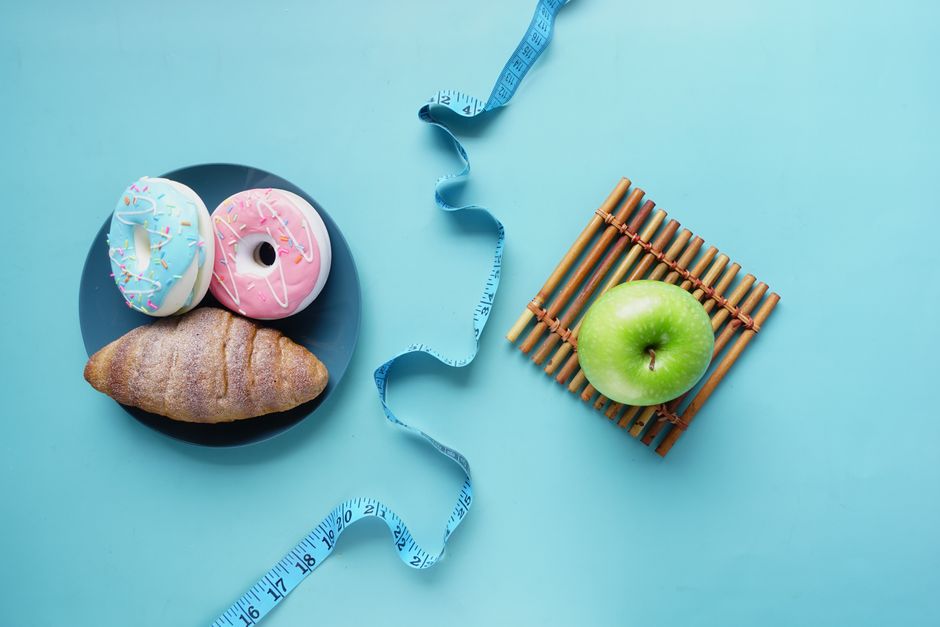
Creating a successful meal plan for weight loss doesn’t have to be complicated or time-consuming. Many Americans struggle with meal prep because they lack a clear strategy that fits their lifestyle and dietary needs. This guide walks you through practical solutions to common meal planning challenges, helping you save time, reduce food waste, and achieve your weight loss goals without sacrificing flavor or variety.
Identifying Common Meal Prep Challenges
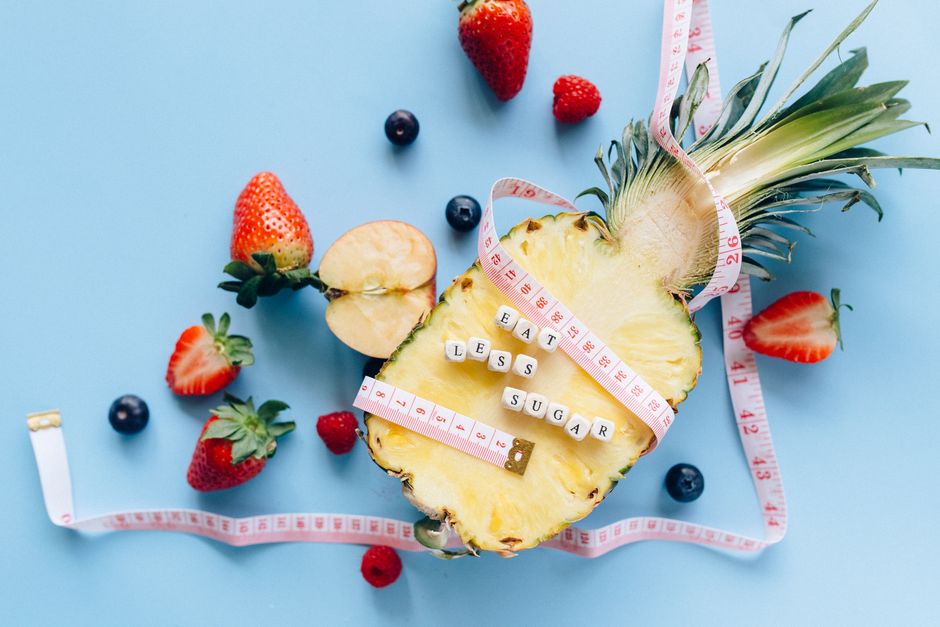
Managing multiple dietary preferences within one household is one of the biggest obstacles to consistent meal planning. When one family member follows a gluten-free diet while another avoids dairy, creating a single meal plan can feel overwhelming. The key is identifying which ingredients can serve as a flexible base for multiple variations.
Many home cooks waste money by purchasing specialty ingredients for complicated recipes they never complete. According to nutrition experts, the average American household throws away nearly $1,500 worth of food annually, much of it from ambitious meal plans that didn’t account for realistic time constraints. Start by auditing your current eating patterns and identifying which meals you actually have time to prepare.
Finding balance between healthy eating and practical meal prep requires honest assessment of your schedule and cooking skills. A meal plan packed with elaborate recipes requiring 90 minutes of active cooking time won’t work for someone juggling a full-time job and family responsibilities. Choose recipes with 30 minutes or less of hands-on prep time for weeknight meals.
Editor’s pick: glass meal prep containers with lids — compare options and current availability.
Practical Meal Prep Solutions
Meal planning for households with different dietary needs starts with communication. Hold a brief family meeting each week to discuss preferences, upcoming schedule conflicts, and any foods people want to avoid. Create a shared list of **5-7 flexible base recipes** that everyone enjoys and can be easily modified with different proteins or sides.
Common meal planning mistakes include overbuying perishable ingredients, failing to prep vegetables in advance, and not accounting for leftovers in your weekly plan. Prevent these issues by shopping from a detailed list organized by store section, washing and chopping vegetables immediately after grocery shopping, and intentionally planning leftover nights into your weekly rotation.
Easy meal prep ideas that deliver both nutrition and convenience include **sheet pan dinners** with protein and vegetables roasted together, grain bowls with mix-and-match toppings, and slow cooker meals that cook while you work. These approaches minimize dishes while maximizing flavor and nutrient density.
Customizable Meal Prep Recipes

Recipes that allow ingredient substitutions based on preferences give you the flexibility to use what’s in your pantry while accommodating different tastes. A basic stir-fry template works with chicken, shrimp, tofu, or beef, paired with any combination of vegetables and your choice of sauce. Keep the cooking method consistent while varying the specific ingredients.
Meal prep dishes suitable for gluten-free eaters include naturally gluten-free grains like **quinoa, rice, and buckwheat** as the foundation. Build bowls with grilled chicken, roasted sweet potatoes, sautéed greens, and tahini dressing. Always check labels on sauces and condiments, as hidden gluten often lurks in prepared seasonings.
Easy and nutritious meal prep ideas for busy weekdays include egg muffins loaded with vegetables that reheat in 60 seconds, mason jar salads layered to prevent sogginess, and protein-packed energy balls for grab-and-go snacks. Prepare these items on Sunday afternoon to set yourself up for success throughout the week.
Saving Time and Money with Meal Planning
Meal planning strategies to minimize food waste start with shopping your pantry first before making a grocery list. Build your weekly plan around ingredients you already have, then add only the fresh items needed to complete each recipe. This approach prevents duplicate purchases and ensures older items get used before they expire.
Time-saving meal prep techniques include **batch cooking proteins** on Sunday (grill 3-4 pounds of chicken, bake a large salmon fillet, cook dried beans in the Instant Pot), washing and chopping all vegetables at once, and using the same base ingredients across multiple meals. When you prep 2-3 pounds of roasted vegetables, they can become side dishes, salad toppings, and omelet fillings throughout the week.
Sticking to your meal plan requires keeping it visible and easily accessible. Post your weekly menu on the refrigerator with a checklist format so family members know what’s for dinner each night. This eliminates the 5 PM “what’s for dinner” panic that leads to expensive takeout orders or unhealthy convenience foods.
Avoiding Common Meal Planning Mistakes
Making meal planning simple and effective means starting with just **3-4 dinners per week** rather than trying to plan every single meal. Leave flexibility for leftovers, dining out, or those nights when a simple sandwich is all you need. As the habit becomes established, you can gradually add more planned meals.
Tips for avoiding meal prep mistakes that sabotage nutrition goals include portioning meals immediately after cooking rather than eating directly from large batches, including vegetables with every meal rather than treating them as optional sides, and planning healthy snacks to prevent energy crashes that lead to poor food choices.
Keeping meal prep interesting requires rotating through different cuisines and flavor profiles each week. If Monday featured Italian-inspired chicken parmesan, try Tuesday’s Asian-style lettuce wraps and Wednesday’s Mexican-inspired burrito bowls. This variety prevents the monotony that causes people to abandon their meal plans.
Smart Shopping and Storage Strategies
Organizing your grocery shopping by store layout saves time and reduces impulse purchases. Create a master template listing items by department (produce, meat, dairy, pantry staples) and check off only what you need each week. Most Americans spend 20-30% more when shopping without a specific list because they buy items they already have at home.
Investing in quality food storage containers makes meal prep more efficient and appetizing. **Glass containers with locking lids** are ideal because they’re microwave-safe, don’t absorb odors, and let you see contents at a glance. Standardize your container sizes so they stack efficiently in your refrigerator and make portioning consistent.
Proper food storage extends the life of prepped ingredients significantly. Store leafy greens wrapped in paper towels inside plastic bags to absorb excess moisture. Keep cut vegetables in airtight containers with a damp paper towel. Cooked proteins stay fresh for 3-4 days when stored in shallow containers that allow quick cooling.
Building Balanced Meals for Weight Loss
A balanced meal for weight loss should include lean protein (4-6 ounces), complex carbohydrates (1/2 to 1 cup), healthy fats (1-2 tablespoons), and non-starchy vegetables (unlimited). This combination provides sustained energy, keeps you full between meals, and delivers essential nutrients without excessive calories.
Lean protein options that work well for meal prep include **chicken breast, turkey, white fish, shrimp, tofu, and legumes**. Prepare proteins using dry-heat cooking methods like grilling, baking, or air frying rather than breading and deep frying to keep calories in check while maximizing flavor.
Complex carbohydrates provide lasting energy without blood sugar spikes that trigger cravings. Choose options like sweet potatoes, brown rice, quinoa, whole wheat pasta, and oats. Cook a large batch of 2-3 different grains on prep day so you can mix and match them with various proteins and vegetables throughout the week.
Meal Prep Timeline and Workflow
An efficient meal prep session typically takes 2-3 hours on a Sunday afternoon and sets you up for the entire week. Start by preheating your oven and getting grains cooking on the stovetop while you wash and chop vegetables. This overlapping workflow maximizes your time and energy.
The optimal prep sequence begins with **longest-cooking items first**: put chicken in the oven, start rice cooking, then move to chopping vegetables while those items cook unattended. Finish by assembling complete meals in containers or prepping individual components that you’ll combine throughout the week.
Breaking meal prep into smaller sessions works better for some schedules. Prep proteins and grains on Sunday, then do a quick 20-minute vegetable prep on Wednesday evening to ensure fresh produce throughout the week. This hybrid approach maintains variety while preventing the overwhelm of marathon prep sessions.
Frequently Asked Questions
Q: How many days ahead should I meal prep for weight loss?
A: Most foods maintain optimal quality for 3-4 days when properly stored, making Sunday prep ideal for Monday through Thursday meals. Prep fresh ingredients like salads on Wednesday evening for the end of the week. Freezer-friendly items like soups and casseroles can be prepared 2-3 weeks in advance.
Q: Can I meal prep if I have dietary restrictions or food allergies?
A: Absolutely. Meal prep is actually easier when you control all ingredients. Focus on naturally compliant whole foods like vegetables, lean proteins, and gluten-free grains. Always read labels on packaged ingredients and consider dedicating specific containers or cooking tools to allergen-free meals if sharing a kitchen.
Q: What are the best containers for meal prep and portion control?
A: Glass containers with divided compartments work best because they’re microwave-safe, dishwasher-safe, and help with portion control by keeping foods separated. Choose containers in 2-3 standardized sizes (small for snacks, medium for lunches, large for dinners) so they stack efficiently. Invest in at least 10-12 containers to have enough for a full week without constant washing.
Q: How do I keep meal prepped food from getting boring or soggy?
A: Store wet and dry ingredients separately, then combine just before eating. Keep dressings in small containers, store crispy toppings like nuts separately, and undercook vegetables slightly since they’ll continue softening during storage. Rotate through different cuisines and flavor profiles each week to maintain interest and prevent menu fatigue.
Top Product Recommendations
| Product Name | Rating | Key Feature | Est. Price | Action |
|---|---|---|---|---|
| Top-rated glass meal prep containers with lids | ★★★★★ | Editor-recommended glass meal prep containers with lids from this guide | $18–$42 | Check Lowest Price on Amazon |
| Best-value food storage containers portion control | ★★★★☆ | Affordable food storage containers portion control — strong everyday results | $12–$28 | Check Lowest Price on Amazon |
| Premium meal prep cookbook for weight loss | ★★★★☆ | Higher-end meal prep cookbook for weight loss for visible, lasting results | $45–$95 | Check Lowest Price on Amazon |
Affiliate Disclosure: This post contains affiliate links. We may earn a commission if you buy through our links, at no extra cost to you. Medical Disclaimer: This content is for informational purposes only and is not medical advice. Consult a healthcare professional before changing diet or exercise.
Leave a Reply