Intermittent Fasting 101
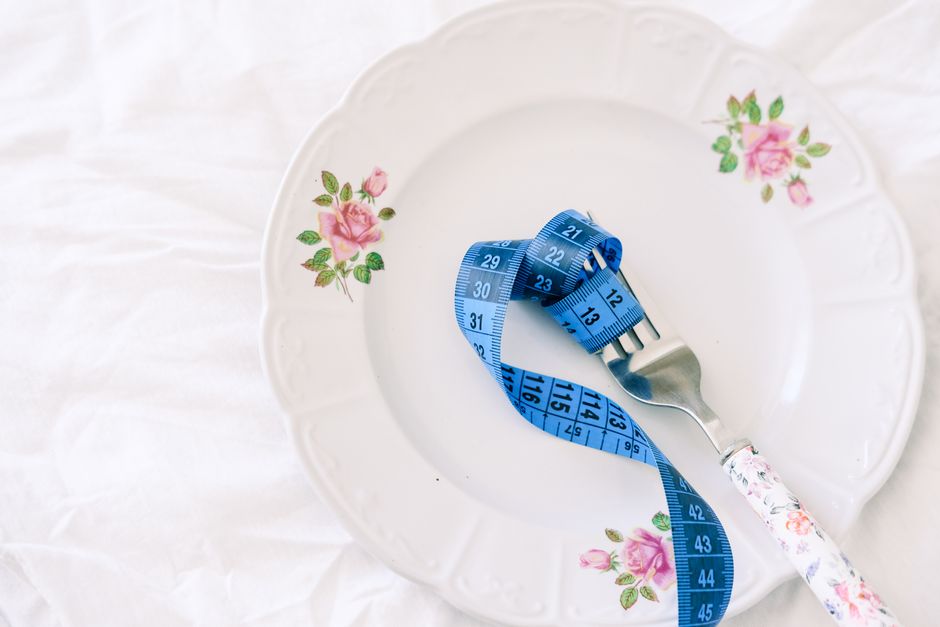
Intermittent fasting has become one of the most popular weight-loss strategies in America, and for good reason. This eating pattern cycles between periods of eating and fasting, making it easier to reduce calorie intake without complicated diet rules. Unlike traditional diets that restrict what you eat, intermittent fasting focuses on when you eat.
The benefits for weight loss are significant. According to Healthline, intermittent fasting can help you lose 3-8% of your body weight over 3-24 weeks, which is considerable compared to other methods. It works by giving your body extended breaks from digestion, allowing insulin levels to drop and fat burning to increase. Many Americans also report better energy, improved focus, and simplified meal planning.
The most common schedules include the **16/8 method** (fasting 16 hours, eating within an 8-hour window), the **5:2 diet** (eating normally 5 days, restricting calories to 500-600 on 2 days), and **alternate-day fasting**. For beginners in 2026, the 16/8 method remains the most sustainable option. You might eat between noon and 8 PM, skipping breakfast and having lunch and dinner during your eating window.
Editor’s pick: meal prep containers glass — compare options and current availability.
Choosing the Right Foods for Intermittent Fasting
What you eat during your eating windows matters just as much as when you eat. Focus on **nutrient-dense whole foods** that keep you satisfied and support your weight-loss goals. Prioritize lean proteins like chicken breast, fish, eggs, and Greek yogurt. Add plenty of vegetables, especially leafy greens, broccoli, and bell peppers.
Healthy fats are crucial for satiety. Include avocados, nuts, seeds, olive oil, and fatty fish in your meals. Complex carbohydrates like quinoa, sweet potatoes, brown rice, and oats provide sustained energy without blood sugar spikes. Fiber-rich foods help you stay full longer, which is essential when you’re eating fewer meals per day.
During fasting periods, stick to **zero-calorie beverages**. Black coffee, plain tea (green, black, or herbal), and water are your best friends. Avoid anything with calories, including milk, sugar, juice, or diet sodas with artificial sweeteners that might trigger hunger. Sparkling water with lemon is a great option for variety. Stay hydrated by drinking at least 8-10 glasses of water throughout the day, especially during fasting hours.
Creating a Weekly Meal Plan
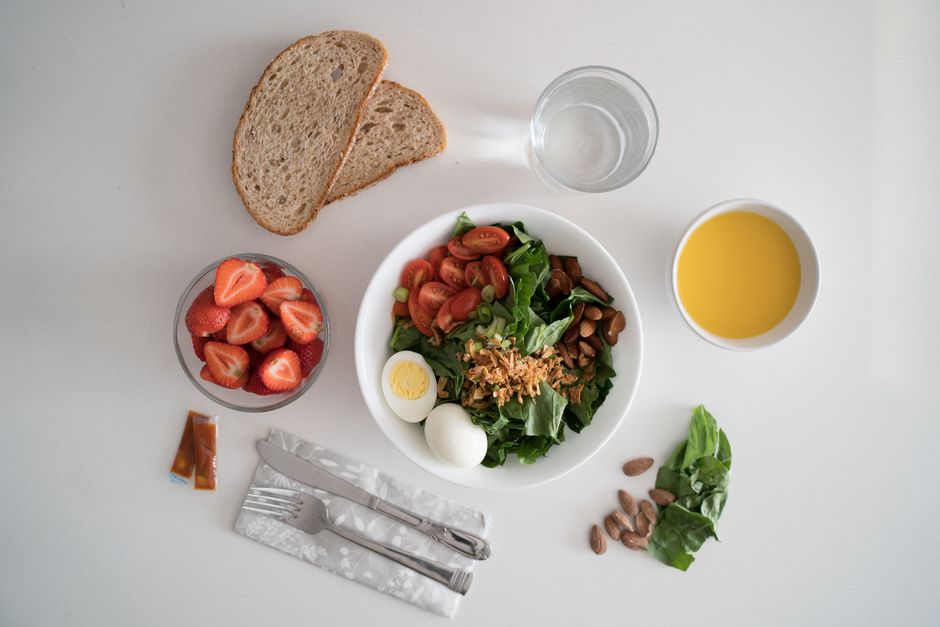
Planning your meals around your fasting schedule prevents last-minute decisions that derail your progress. For a 16/8 schedule with a noon-to-8 PM eating window, aim for two substantial meals and one snack. Your first meal at noon should include **30-40 grams of protein** to break your fast properly and stabilize blood sugar.
Balance your macros for optimal results. According to EatingWell, a good starting point is 40% carbs, 30% protein, and 30% healthy fats. Adjust based on your activity level and how your body responds. Track your meals for the first two weeks to ensure you’re hitting these targets without obsessing over every calorie.
Here’s a **sample 7-day meal plan** for the 16/8 method:
| Day | Meal 1 (Noon) | Snack (3 PM) | Meal 2 (7 PM) |
|---|---|---|---|
| Monday | Grilled chicken salad with avocado | Apple with almond butter | Baked salmon, roasted vegetables, quinoa |
| Tuesday | Veggie omelet with whole grain toast | Greek yogurt with berries | Turkey chili with black beans |
| Wednesday | Tuna wrap with mixed greens | Hummus with carrot sticks | Stir-fried tofu with brown rice |
| Thursday | Greek yogurt bowl with granola, fruit | Handful of mixed nuts | Grilled chicken breast, sweet potato, broccoli |
| Friday | Quinoa Buddha bowl with chickpeas | Protein smoothie | Shrimp tacos with cabbage slaw |
| Saturday | Scrambled eggs with spinach, avocado | Cottage cheese with cucumber | Beef and vegetable stir-fry |
| Sunday | Smoked salmon with cream cheese on whole grain crackers | Trail mix | Roasted chicken thighs, Brussels sprouts, wild rice |
Preparing Meals for Intermittent Fasting
Meal prep is your secret weapon for intermittent fasting success. Dedicate 2-3 hours on Sunday to prepare components for the week ahead. Cook a large batch of protein (grilled chicken, hard-boiled eggs, ground turkey), chop vegetables, and prepare grains. Store everything in clear containers so you can quickly assemble meals.
**Batch cooking strategies** save time and money. Make a big pot of chili, soup, or casserole that serves 4-6 portions. Freeze half for later weeks. Roast multiple sheet pans of vegetables at once. Cook a whole week’s worth of quinoa or brown rice in your rice cooker or Instant Pot.
Smart food swaps keep your meal plan budget-friendly and convenient. Swap expensive salmon for canned tuna or sardines. Use frozen vegetables instead of fresh when they’re out of season. Replace specialty grains with affordable brown rice or oats. Buy rotisserie chicken instead of cooking chicken breasts from scratch. These swaps reduce prep time without sacrificing nutrition.
Staying on Track with Intermittent Fasting
Sticking to your meal plan requires practical strategies, especially during the first few weeks. **Plan your eating window around your social life**. If you have dinner plans on weekends, shift your window to 2 PM-10 PM for those days. Flexibility prevents you from feeling restricted or missing out on important meals with family.
Handling cravings during fasting periods gets easier with practice. When hunger strikes, drink a large glass of water or hot green tea. Often, what feels like hunger is actually thirst or boredom. Stay busy during fasting hours with work, hobbies, or light exercise. Brush your teeth or chew sugar-free gum to reduce food thoughts.
Adjust your meal plan every 3-4 weeks based on results. Not losing weight? Reduce portion sizes slightly or cut back on calorie-dense foods like nuts and oils. Feeling too hungry? Add more protein and fiber to your meals. According to Verywell Fit, it’s normal to hit plateaus. When this happens, try shortening your eating window to 6 hours or adding one 24-hour fast per week.
Common Mistakes to Avoid
Many beginners sabotage their progress by making the same avoidable mistakes. **Overeating during eating windows** is the biggest trap. Just because you fasted doesn’t mean you should consume a day’s worth of calories in one sitting. Stick to reasonable portions that match your calorie goals, typically 1,500-1,800 calories for women and 1,800-2,200 for men.
Another mistake is choosing the wrong fasting schedule for your lifestyle. If you’re a breakfast person who gets lightheaded without morning food, the 16/8 method with a morning eating window (8 AM-4 PM) works better than skipping breakfast. Don’t force a schedule that makes you miserable. Intermittent fasting should enhance your life, not control it.
Neglecting **nutrient quality** is equally problematic. You can technically eat junk food during your eating window, but you’ll feel terrible and won’t lose weight effectively. Prioritize whole foods 80-90% of the time. Save treats for occasional enjoyment, not daily habits. Your body needs vitamins, minerals, and fiber to function optimally during fasting periods.
Maximizing Your Results
Combine intermittent fasting with other healthy habits for accelerated weight loss. **Light to moderate exercise** during fasting periods can boost fat burning. Try walking, yoga, or light strength training in the morning before your eating window opens. Save intense workouts for after you’ve eaten to avoid dizziness or fatigue.
Sleep quality significantly impacts weight-loss results. Aim for 7-9 hours per night. Poor sleep increases hunger hormones and makes it harder to stick to your fasting schedule. Create a bedtime routine that starts 30 minutes before your fasting window begins, helping you avoid late-night snacking.
Track your progress with measurements beyond the scale. Take weekly photos, measure your waist circumference, and note how your clothes fit. Many people lose inches before pounds drop. Energy levels, mood improvements, and better digestion are also valuable indicators that your meal plan is working. Celebrate these non-scale victories to stay motivated.
Adapting Your Plan for Long-Term Success
Intermittent fasting works best as a sustainable lifestyle, not a quick fix. After the first month, assess what’s working and what needs adjustment. Maybe you’ve discovered that 18/6 feels better than 16/8, or that eating your largest meal at lunch keeps you more satisfied than a big dinner.
Build in **planned breaks** from strict fasting during vacations, holidays, or stressful life events. Taking a week off won’t erase your progress. It prevents burnout and helps you maintain a healthy relationship with food. Return to your regular schedule when you’re ready without guilt or restriction.
As you reach your weight-loss goal, transition to maintenance by gradually expanding your eating window or reducing fasting frequency to 5 days per week. Many Americans find that continuing intermittent fasting at a relaxed pace helps them maintain their new weight without feeling deprived. The meal planning skills you’ve developed will serve you for life.
Frequently Asked Questions
What can I drink during my fasting periods?
A: You can drink water, black coffee, plain tea (green, black, herbal), and sparkling water without any additives. These beverages contain zero calories and won’t break your fast. Avoid adding milk, cream, sugar, honey, or artificial sweeteners. Bone broth is debated—technically it has calories, but some fasting experts allow it for beginners struggling with hunger. Lemon or lime slices in water are generally fine since they add minimal calories.
How do I adjust my meal plan if I’m not seeing weight loss results?
A: First, track your actual calorie intake for three days to ensure you’re not overeating during your eating window. Reduce portions by 10-15% or cut back on calorie-dense foods like nuts, oils, and cheese. Try shortening your eating window from 8 hours to 6 hours, or add one 24-hour fast per week. Increase your protein intake to 35-40% of calories to preserve muscle and boost satiety. Give any adjustment 2-3 weeks before making further changes. If you still don’t see results, consult a healthcare provider to rule out underlying issues.
Can I exercise while doing intermittent fasting?
A: Yes, you can absolutely exercise while fasting. Light to moderate activities like walking, yoga, cycling, or light strength training work well during fasting periods and may enhance fat burning. For intense workouts like HIIT or heavy lifting, most people perform better after eating. Schedule these workouts during your eating window or right before your first meal. Start slowly if you’re new to fasted exercise and listen to your body. If you feel dizzy, weak, or lightheaded, stop and eat. Stay well-hydrated before, during, and after workouts regardless of your fasting state.
Top Product Recommendations
| Product Name | Rating | Key Feature | Est. Price | Action |
|---|---|---|---|---|
| Top-rated meal prep containers glass | ★★★★★ | Editor-recommended meal prep containers glass from this guide | $18–$42 | Check Lowest Price on Amazon |
| Best-value digital food scale | ★★★★☆ | Affordable digital food scale — strong everyday results | $12–$28 | Check Lowest Price on Amazon |
| Premium insulated water bottle | ★★★★☆ | Higher-end insulated water bottle for visible, lasting results | $45–$95 | Check Lowest Price on Amazon |
Affiliate Disclosure: This post contains affiliate links. We may earn a commission if you buy through our links, at no extra cost to you. Medical Disclaimer: This content is for informational purposes only and is not medical advice. Consult a healthcare professional before changing diet or exercise.
Leave a Reply