
Pre-Workout Meal Essentials
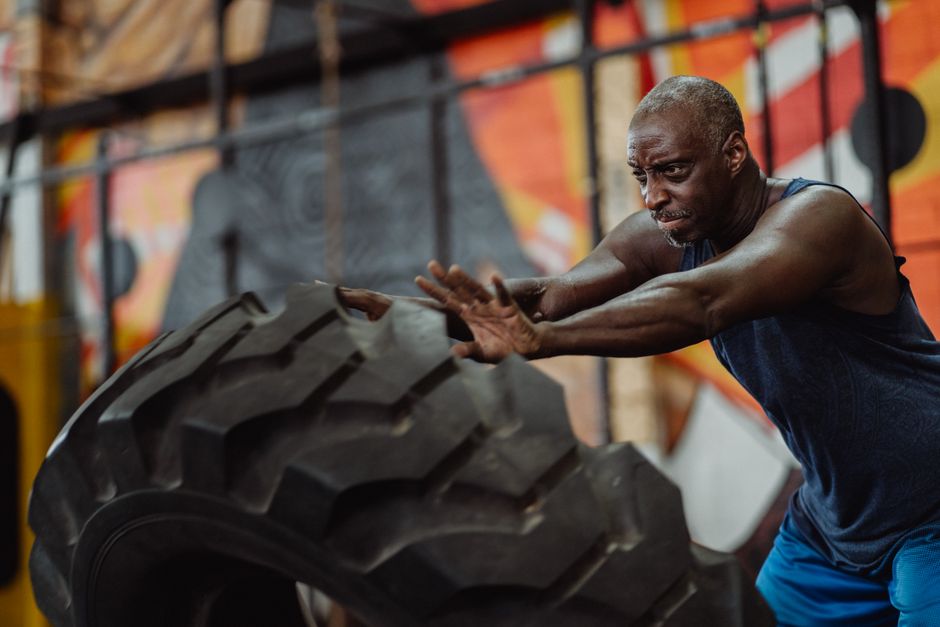
Fueling your body correctly before exercise makes the difference between a sluggish session and a powerful workout. **Pre-workout nutrition** directly impacts your energy levels, endurance, and muscle performance during training. Without proper fuel, you’ll fatigue faster and struggle to push through challenging sets.
The three key nutrients for pre-workout meals are **protein, carbohydrates, and controlled amounts of healthy fats**. Protein supports muscle readiness and reduces breakdown during exercise. Carbohydrates provide immediate and sustained energy for your working muscles. Moderate healthy fats can support longer training sessions without causing digestive discomfort.
Timing matters significantly for optimal performance. Eat a complete meal **2-3 hours before your workout** to allow proper digestion. If you’re short on time, a lighter snack 30-60 minutes before training works well. Listen to your body and adjust timing based on how quickly you digest food and your workout intensity.
Editor’s pick: pre workout supplement powder — compare options and current availability.
Protein Sources for Muscle Power
**Lean protein sources** prepare your muscles for the work ahead and minimize breakdown during training. Greek yogurt, egg whites, chicken breast, and turkey provide complete amino acids without excessive fat. Plant-based options like tofu, tempeh, and legumes work exc ntly for vegetarian athletes.
Incorporate 15-25 grams of protein into your pre-workout meal depending on your body weight and training intensity. A simple approach: pair protein with carbs in every pre-workout meal. Try Greek yogurt with berries, scrambled egg whites with oatmeal, or grilled chicken with sweet potato.
**Protein supplements** like whey or plant-based powders offer convenience when whole foods aren’t practical. According to nutrition research, liquid protein digests faster than solid food, making it ideal 30-45 minutes before training. Mix one scoop with water or a banana for quick absorption. Whole food sources remain superior for meals eaten 2-3 hours before workouts due to their complete nutrient profiles.
Carbohydrates for Energy

Carbohydrates are your body’s preferred fuel source during moderate to high-intensity exercise. They break down into glucose, which muscles use immediately for contractions and power output. **Without adequate carbs, you’ll hit a wall** during demanding workouts, especially resistance training or cardio sessions.
Ideal carbohydrate sources for pre-workout meals include oatmeal, sweet potatoes, brown rice, whole grain bread, bananas, and berries. These provide steady energy release without blood sugar crashes. Aim for 30-60 grams of carbs in your pre-workout meal, adjusting based on workout duration and intensity.
**Simple carbs versus complex carbs** depends on timing. Complex carbohydrates like oatmeal and sweet potatoes work best 2-3 hours before training, providing sustained energy. Simple carbs like bananas, white rice, or honey are better 30-60 minutes before exercise when you need quick fuel. Many athletes combine both: oatmeal with sliced banana gives you immediate and lasting energy.
Fats to Avoid Before Working Out
High-fat foods slow digestion significantly, which can cause discomfort and sluggishness during training. **Avoid fried foods, heavy cream sauces, fatty cuts of meat, and high-fat dairy** in the 2-3 hours before your workout. These foods sit heavily in your stomach and divert blood flow to digestion rather than working muscles.
Specific fats to skip include bacon, sausage, full-fat cheese, butter-heavy dishes, and creamy dressings right before training. These saturated and trans fats take 3-4 hours to digest properly. You’ll feel bloated and experience reduced performance if you ignore this guideline.
**Healthy fat sources** that won’t slow you down include small amounts of almond butter, avocado, or nuts when consumed 2-3 hours before exercise. Keep portions modest—one tablespoon of nut butter or a quarter avocado. These provide sustained energy for longer workouts without digestive issues. The key is quantity and timing rather than complete avoidance.
Hydration and Electrolytes
Proper hydration starts well before you step into the gym. **Dehydration reduces strength, endurance, and cognitive function** during exercise by as little as 2% body water loss. Begin hydrating 2-3 hours before your workout by drinking 16-20 ounces of water.
Best electrolyte sources for pre-workout nutrition include coconut water, electrolyte powders without excessive sugar, watermelon, and bananas. These replenish sodium, potassium, and magnesium lost through sweat. For workouts under 60 minutes, plain water usually suffices. For intense or longer sessions, add electrolytes to maintain performance.
Ensure optimal hydration by checking urine color—pale yellow indicates good hydration. Drink another 8-10 ounces of water 15-20 minutes before training. **Avoid chugging large amounts** right before exercise, which causes sloshing and discomfort. Sip consistently throughout the day rather than playing catch-up before your workout.
Meal Planning and Prep Tips
**Batch cooking saves time and ensures consistent pre-workout nutrition** throughout your week. Prepare 3-4 servings of lean protein and complex carbs on Sunday. Store grilled chicken breast, hard-boiled eggs, baked sweet potatoes, and cooked oatmeal in individual containers. Grab and combine as needed before workouts.
Budget-friendly strategies include buying frozen vegetables and berries, purchasing protein sources in bulk, and using affordable staples like oats, rice, and bananas. A basic pre-workout meal costs under three dollars: oatmeal with banana and a scoop of protein powder. Buying whole foods and preparing them yourself beats expensive pre-workout supplements and bars.
Common ingredient swaps for healthier pre-workout meals:
- **Replace white bread with whole grain bread** for sustained energy
- **Swap sugary cereals for plain oatmeal** with fresh fruit
- **Use egg whites instead of whole eggs** to reduce fat before training
- **Choose plain Greek yogurt over flavored versions** to control sugar intake
- **Select lean turkey or chicken over fatty beef** for easier digestion
Sample Pre-Workout Meals and Timing
For **early morning workouts** (5-6 AM), eat a light snack 30-45 minutes before: banana with almond butter, rice cake with honey, or a small protein shake with berries. Your body needs quick fuel without heavy digestion demands.
**Mid-day workout meals** (2-3 hours before) should include balanced portions: grilled chicken breast with brown rice and steamed vegetables, turkey sandwich on whole grain bread with an apple, or salmon with quinoa and asparagus. These provide complete nutrition with proper digestion time.
**Evening training sessions** benefit from afternoon snacks 60-90 minutes prior: Greek yogurt with granola and berries, whole grain crackers with hummus and vegetables, or a smoothie with protein powder, banana, and oats. Avoid eating large dinners right before evening workouts, which causes discomfort and poor performance.
Common Pre-Workout Nutrition Mistakes
Many people **eat too close to their workout time**, causing digestive distress and reduced performance. Allow at least 30 minutes after eating before training, preferably 2-3 hours for full meals. Experiment during lower-intensity sessions to find your personal timing sweet spot.
Another mistake involves consuming excessive fiber immediately before exercise. While fiber supports overall health, high amounts right before training cause bloating and bathroom urgency. Save fiber-rich meals like large salads or bean-heavy dishes for post-workout or non-training meals.
**Skipping pre-workout nutrition entirely** is perhaps the biggest error. Some believe fasted training burns more fat, but research shows this compromises performance and muscle preservation. You’ll lift lighter weights, complete fewer reps, and recover more slowly. Always fuel properly before demanding workouts.
Frequently Asked Questions
Q: What is the ideal pre-workout meal for muscle building?
A: The ideal pre-workout meal combines 20-30 grams of lean protein with 40-60 grams of complex carbohydrates eaten 2-3 hours before training. Examples include grilled chicken with sweet potato and vegetables, Greek yogurt with oatmeal and berries, or turkey breast with brown rice. This combination provides amino acids for muscle support and glucose for energy during resistance training.
Q: How long before a workout should I eat?
A: Eat a complete meal 2-3 hours before your workout for optimal digestion and nutrient availability. If you’re short on time, consume a lighter snack 30-60 minutes before training—like a banana with almond butter or a protein shake. Adjust timing based on your digestion speed and workout intensity. High-intensity sessions require more digestion time than moderate cardio.
Q: Can I take supplements instead of eating a pre-workout meal?
A: Supplements can work when whole food meals aren’t practical, but they shouldn’t completely replace real food. Pre-workout powders provide quick energy through caffeine and amino acids but lack the complete nutrition of whole foods. Use supplements as a backup option for rushed mornings or when training immediately after work. Prioritize whole food meals whenever possible for better overall nutrition and sustained energy.
Top Product Recommendations
| Product Name | Rating | Key Feature | Est. Price | Action |
|---|---|---|---|---|
| Top-rated pre workout supplement powder | ★★★★★ | Editor-recommended pre workout supplement powder from this guide | $18–$42 | Check Lowest Price on Amazon |
| Best-value protein powder whey isolate | ★★★★☆ | Affordable protein powder whey isolate — strong everyday results | $12–$28 | Check Lowest Price on Amazon |
| Premium electrolyte powder packets | ★★★★☆ | Higher-end electrolyte powder packets for visible, lasting results | $45–$95 | Check Lowest Price on Amazon |
Affiliate Disclosure: This post contains affiliate links. We may earn a commission if you buy through our links, at no extra cost to you. Medical Disclaimer: This content is for informational purposes only and is not medical advice. Consult a healthcare professional before changing diet or exercise.
Leave a Reply