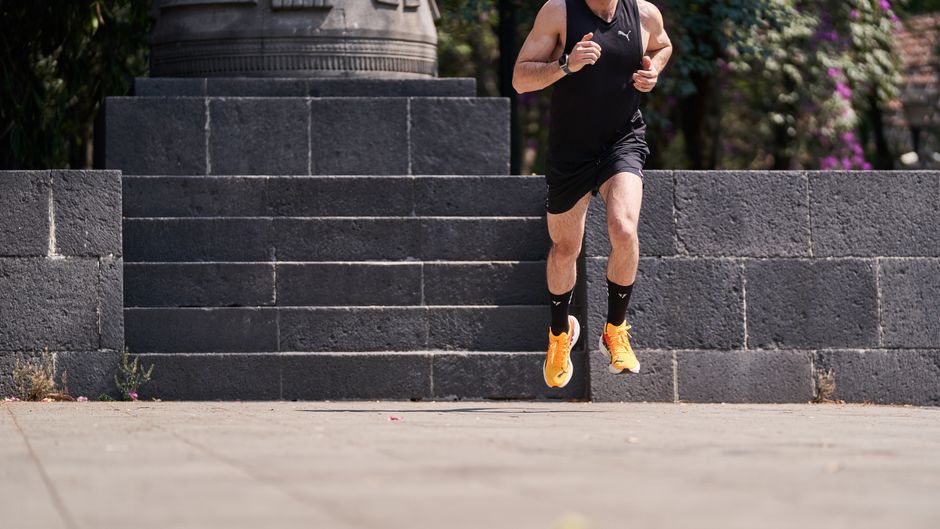
Protein-Packed Breakfast Ideas
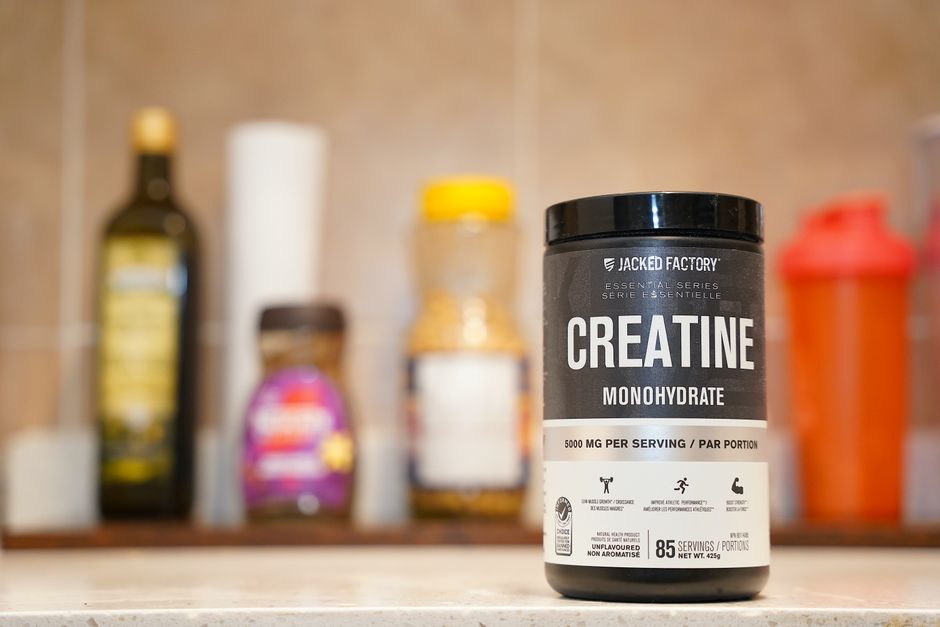
Starting your day with a **protein-rich breakfast** sets the foundation for a powerful workout session. High-protein morning meals help preserve muscle mass, stabilize blood sugar, and provide sustained energy throughout your training. Aim for 20-30 grams of protein in your pre-workout breakfast to maximize performance.
**Quick protein breakfast options** include Greek yogurt parfaits with granola and berries, scrambled eggs with whole-grain toast, or cottage cheese mixed with sliced almonds and honey. These meals take less than 10 minutes to prepare and deliver the amino acids your muscles need. For busy mornings, prepare overnight oats with protein powder, chia seeds, and nut butter the night before.
**Protein smoothies** offer incredible versatility for pre-workout nutrition. Blend one scoop of whey or plant-based protein powder with frozen banana, spinach, almond milk, and a tablespoon of peanut butter. This combination provides approximately 25 grams of protein, complex carbohydrates, and healthy fats. Add oats or Greek yogurt to increase thickness and calorie content for longer, more intense training sessions.
Timing matters with breakfast workouts. Consume your protein-packed meal 60-90 minutes before exercise to allow proper digestion. Lighter options like smoothies can be consumed 30-45 minutes pre-workout without causing digestive discomfort.
Editor’s pick: plant based protein powder — compare options and current availability.
Carbohydrate-Rich Lunch Choices
**Carbohydrates serve as your body’s primary fuel source** during moderate to high-intensity workouts. Loading up on quality carbs at lunch prepares your glycogen stores for afternoon or evening training sessions. Target 40-60 grams of carbohydrates in your pre-workout lunch depending on workout intensity and duration.
Exc nt carb-rich lunch options include **brown rice bowls with grilled chicken and roasted vegetables**, whole wheat pasta with marinara sauce and lean ground turkey, or quinoa salad with chickpeas and avocado. These meals provide sustained energy without causing blood sugar crashes mid-workout. Sweet potatoes offer one of the best carbohydrate sources, delivering fiber, vitamins, and easily digestible starches.
**Balancing carbs and protein** in your lunch meal optimizes workout performance and recovery. A practical ratio is 3:1 carbohydrates to protein for endurance-focused workouts, and 2:1 for strength training sessions. For example, pair 1 cup of cooked brown rice (45g carbs) with 4 ounces of grilled chicken breast (25g protein) and steamed broccoli.
Avoid heavy, fatty lunches before afternoon workouts. Foods like burgers, fried items, or cream-based sauces slow digestion and divert blood flow away from your muscles. Stick with lean proteins, whole grains, and vegetables for optimal energy levels.
Healthy Snack Options for Energy Boost

Strategic **pre-workout snacking** bridges the gap between meals and provides quick energy without overloading your digestive system. The best pre-workout snacks combine easily digestible carbohydrates with a small amount of protein, typically consumed 30-60 minutes before training.
**Top energy-boosting snack choices** include banana with almond butter, rice cakes with honey and sliced turkey, apple slices with string cheese, or a handful of trail mix with dried fruit and nuts. These options provide 15-25 grams of carbohydrates and keep you satisfied without feeling heavy. Energy balls made from dates, oats, and nut butter offer portable nutrition you can prep in advance.
For **homemade pre-workout snacks**, try no-bake protein bites combining rolled oats, honey, protein powder, and dark chocolate chips. Mix ingredients, roll into balls, and refrigerate for grab-and-go fuel. Another option is whole grain toast with mashed avocado and a drizzle of honey, delivering healthy fats and quick-burning carbs.
Portion control matters with pre-workout snacks. Keep servings between 100-200 calories to avoid digestive discomfort during exercise. Listen to your body and adjust timing and quantity based on how you feel during workouts.
Hydration and Pre-Workout Drinks
**Proper hydration directly impacts workout performance**, affecting everything from strength output to endurance capacity. Even mild dehydration of 2% body weight loss can decrease performance by 10-20%. Begin hydrating 2-3 hours before your workout by drinking 16-20 ounces of water.
The **best pre-workout drinks** depend on workout duration and intensity. For sessions under 60 minutes, plain water suffices for most people. For longer or more intense workouts, consider drinks containing electrolytes like sodium and potassium. Coconut water provides natural electrolytes with approximately 600mg of potassium per cup. Sports drinks work well for extended cardio sessions but contain added sugars unnecessary for shorter workouts.
**Homemade pre-workout drink recipes** offer cost-effective alternatives to commercial products. Mix 16 ounces of water with the juice of half a lemon, one tablespoon of honey, and a pinch of sea salt for natural electrolyte replenishment. Another option combines green tea (for caffeine), a squeeze of orange juice (for vitamin C and carbs), and a teaspoon of maple syrup.
Caffeine enhances workout performance by increasing alertness and reducing perceived exertion. Consume 100-200mg of caffeine (equivalent to one cup of coffee) 30-60 minutes pre-workout for optimal benefits. Avoid excessive caffeine intake, which can cause jitters, anxiety, or digestive issues during training.
Timing Your Pre-Workout Meal
**Meal timing significantly influences workout quality and results.** The ideal window depends on meal size and composition. Large meals containing protein, carbs, and fats require 3-4 hours for complete digestion. Medium-sized meals need 2-3 hours, while small snacks can be consumed 30-60 minutes before exercise.
For **morning workout enthusiasts**, eating a full breakfast may not be practical. In this case, consume a light snack like a banana with peanut butter 30 minutes pre-workout, or train fasted if your session is under 45 minutes. Some people perform well with fasted morning cardio, but strength training typically benefits from pre-workout fuel.
**Scheduling meals around your workout routine** requires planning but becomes second nature with consistency. If you train at 6 PM, eat lunch by 1 PM and have a snack around 4:30 PM. For lunchtime workouts, eat breakfast by 9 AM and consume a light snack 45 minutes before training. Track how different timing strategies affect your energy levels and adjust accordingly.
Digestion speed varies by individual. Experiment with timing to find your personal sweet spot. Some athletes tolerate food closer to workouts, while others need more buffer time. Pay attention to digestive comfort, energy levels, and performance quality when fine-tuning your schedule.
Pre-Workout Meal Planning Tips
**Effective meal planning ensures consistent pre-workout nutrition** without daily stress or decision fatigue. Start by identifying 3-4 breakfast options, 3-4 lunch options, and 2-3 snack options that work well before your workouts. Rotate these meals throughout the week to maintain variety while simplifying preparation.
**Budget-friendly pre-workout meal planning** focuses on affordable staples like oats, rice, pasta, eggs, canned tuna, frozen vegetables, bananas, and peanut butter. Buy proteins in bulk and freeze portions for later use. Generic brands of Greek yogurt, cottage cheese, and protein powder offer identical nutrition at lower prices. A week of pre-workout meals can cost $25-40 when planned strategically.
**Meal prep saves time and guarantees nutrition availability** when you need it. Dedicate 1-2 hours on Sunday to prepare components for the week. Cook a large batch of brown rice, grill several chicken breasts, chop vegetables, and portion snacks into grab-and-go containers. Prepare overnight oats in mason jars for five ready-made breakfasts. Assemble energy balls or protein muffins that last all week in the refrigerator.
Invest in quality storage containers that keep food fresh and make transport easy. Glass containers work well for reheating meals, while insulated lunch bags keep perishables safe until workout time. Label containers with dates to track freshness.
Common Pre-Workout Nutrition Mistakes
Many fitness enthusiasts **sabotage their workouts through poor pre-workout nutrition choices**. One major mistake is eating too close to training time, causing digestive distress, cramping, or nausea during exercise. Allow adequate digestion time based on meal size and your personal tolerance.
Another common error involves **consuming too much fat or fiber** immediately before workouts. While healthy in general, these nutrients slow digestion and can cause gastrointestinal discomfort during training. Save high-fat meals like salmon, avocado-heavy dishes, or nuts for post-workout when digestion time is less critical. Similarly, excessive fiber from beans, cruciferous vegetables, or bran cereals can cause bloating during exercise.
**Skipping pre-workout nutrition entirely** ranks among the most detrimental mistakes, especially for intense or prolonged training sessions. Working out on empty leads to low blood sugar, decreased performance, muscle breakdown, and poor recovery. Even a small snack provides measurably better results than training completely fasted.
Relying solely on **commercial pre-workout supplements** while ignoring whole food nutrition creates an incomplete fueling strategy. Supplements can enhance performance but should complement, not replace, balanced meals. Whole foods provide fiber, vitamins, minerals, and phytonutrients absent from powdered products.
Frequently Asked Questions
Q: What is the ideal pre-workout meal?
A: The perfect pre-workout meal combines **complex carbohydrates for energy, lean protein for muscle support, and minimal fat** for easy digestion. An example is oatmeal with banana and a scoop of protein powder consumed 2-3 hours before training. For sessions under 60 minutes, a lighter option like rice cakes with honey and turkey works well 45-60 minutes pre-workout. Customize based on your workout intensity, duration, and personal digestion speed.
Q: How long before a workout should I eat?
A: **Large meals require 3-4 hours, medium meals need 2-3 hours, and small snacks can be consumed 30-60 minutes** before exercise. High-intensity workouts demand more digestion time than moderate sessions. If you experience stomach discomfort, nausea, or cramping during training, increase the buffer time between eating and exercising. Morning exercisers often perform well with just a banana or energy gel 20-30 minutes pre-workout.
Q: Can I eat the same pre-workout meal every day?
A: While eating the same pre-workout meal daily is not harmful, **variety ensures broader nutrient intake and prevents dietary boredom**. Rotate between 3-5 different pre-workout options throughout the week. This approach provides diverse vitamins, minerals, and phytonutrients while maintaining convenience. If you find one meal that works perfectly for your digestion and performance, using it frequently is acceptable, but aim for some weekly variation in other meals.
Q: What are some healthy pre-workout meal ideas for vegetarians or vegans?
A: **Plant-based pre-workout options** include tofu scramble with whole grain toast, smoothie bowls with plant protein powder and fruit, quinoa with black beans and avocado, or hummus with whole wheat pita and vegetables. Exc nt vegan protein sources include tempeh, edamame, lentils, chickpeas, and hemp seeds. Combine these with carbohydrate sources like sweet potatoes, brown rice, or fruit for complete pre-workout nutrition delivering 20-30 grams of plant protein and 40-60 grams of carbohydrates.
Top Product Recommendations
| Product Name | Rating | Key Feature | Est. Price | Action |
|---|---|---|---|---|
| Top-rated plant based protein powder | ★★★★★ | Editor-recommended plant based protein powder from this guide | $18–$42 | Check Lowest Price on Amazon |
| Best-value meal prep containers | ★★★★☆ | Affordable meal prep containers — strong everyday results | $12–$28 | Check Lowest Price on Amazon |
| Premium pre workout supplements | ★★★★☆ | Higher-end pre workout supplements for visible, lasting results | $45–$95 | Check Lowest Price on Amazon |
Affiliate Disclosure: This post contains affiliate links. We may earn a commission if you buy through our links, at no extra cost to you. Medical Disclaimer: This content is for informational purposes only and is not medical advice. Consult a healthcare professional before changing diet or exercise.
Leave a Reply