Ingredients for Healthy Weight Loss Meals

Building a successful weight loss meal plan starts with stocking your kitchen with the right ingredients. **Lean proteins** form the foundation of satisfying, muscle-preserving meals. Chicken breast, turkey, white fish like cod or tilapia, and plant-based options such as tofu and tempeh deliver essential amino acids without excessive calories. According to nutrition experts, aiming for 20-30 grams of protein per meal helps maintain satiety and supports metabolism.
**Whole grains** provide sustained energy without blood sugar spikes. Brown rice, quinoa, farro, and steel-cut oats contain fiber that keeps you full longer than refined grains. A half-cup serving of cooked quinoa offers about 110 calories and 4 grams of protein, making it an exc nt base for weight loss bowls. Swap white rice for cauliflower rice on higher-calorie days to cut portions while maintaining volume.
**Low-calorie vegetables** should fill half your plate at every meal. Spinach, kale, broccoli, bell peppers, zucchini, and cauliflower provide vitamins, minerals, and fiber for minimal calories. Most non-starchy vegetables contain fewer than 50 calories per cup, letting you eat generous portions. Roasting vegetables with a light spray of olive oil brings out natural sweetness without deep-frying.
**Healthy fats** in controlled portions support hormone production and nutrient absorption. Avocado, raw almonds, walnuts, chia seeds, and extra virgin olive oil add richness to meals. Measure carefully—one tablespoon of olive oil contains 120 calories, and a quarter avocado has about 60 calories. These fats help you feel satisfied, reducing the temptation to snack between meals.
Editor’s pick: meal prep containers with lids — compare options and current availability.
Meal Prep Tips to Save Time and Money
**Planning meals for the week** eliminates daily decision fatigue and reduces impulse eating. Spend 20 minutes each Sunday mapping breakfast, lunch, dinner, and two snacks for seven days. Write a detailed grocery list organized by store section to avoid wandering aisles where tempting processed foods live. Most Americans save $50-100 weekly by meal prepping versus buying lunch out.
**Cooking in bulk** transforms three hours on Sunday into grab-and-go convenience all week. Bake four chicken breasts, roast two sheet pans of vegetables, and cook a large pot of brown rice or quinoa. Portion cooked proteins into individual containers with measured grains and vegetables. Label containers with dates and calorie counts if tracking macros.
**Using leftovers creatively** prevents boredom and waste. Monday’s grilled chicken becomes Tuesday’s wrap filling or Wednesday’s salad topper. Roasted vegetables blend into frittatas or grain bowls. Keep versatile sauces like salsa, Greek yogurt-based dressings, or low-sodium soy sauce to refresh the same ingredients with different flavor profiles.
**Shopping for seasonal produce** cuts costs and maximizes freshness. Summer squash, tomatoes, and berries cost less in July, while Brussels sprouts and sweet potatoes peak in fall. Frozen vegetables work equally well for meal prep and often contain more nutrients than “fresh” produce shipped cross-country. Buy store brands for staples like canned beans, oats, and spices to stretch your budget further.
Easy Breakfast Recipes for Weight Loss
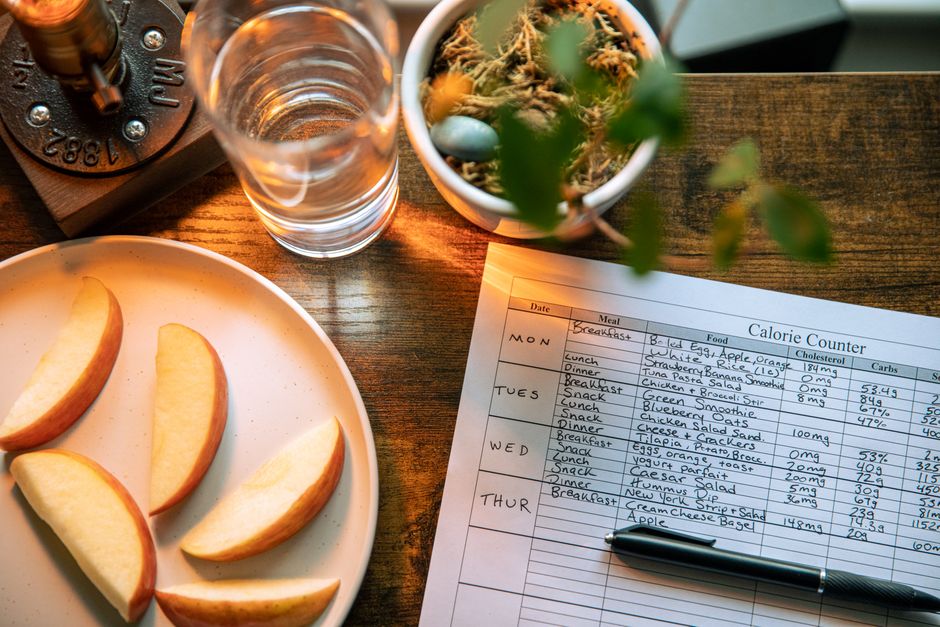
**Overnight oats** require zero morning effort and deliver filling fiber. Combine half a cup of rolled oats with three-quarters cup unsweetened almond milk, one tablespoon chia seeds, and a handful of frozen berries in a mason jar. Refrigerate overnight. Top with two tablespoons Greek yogurt and a teaspoon of almond butter before eating. This breakfast provides about 320 calories, 12 grams of protein, and keeps you full until lunch.
**Veggie-packed omelets** turn three eggs into a complete meal under 300 calories. Whisk eggs with a splash of water, pour into a non-stick pan sprayed with cooking spray, and add diced bell peppers, mushrooms, spinach, and a tablespoon of shredded cheese. Fold and cook until set. Serve with a slice of whole-grain toast for complex carbs. Prep vegetables the night before to speed up morning cooking.
**Whole-grain toast with avocado and egg** became trendy for good reason—it balances macros perfectly. Toast one slice of sprouted grain bread, mash a quarter avocado on top, and add one poached or fried egg cooked in a non-stick pan. Season with red pepper flakes and black pepper. This breakfast delivers healthy fats, protein, and fiber for sustained energy. Skip the second slice of toast to keep calories around 280.
Healthy Lunch Ideas for Work or School
**Mason jar salads** layer ingredients to prevent sogginess until you’re ready to eat. Start with two tablespoons of dressing at the bottom, add sturdy vegetables like cucumbers and bell peppers, then grains or beans, softer vegetables, protein, and greens on top. When ready to eat, shake and pour into a bowl. A Mediterranean jar with chickpeas, cucumber, tomatoes, feta, and balsamic vinaigrette provides about 380 calories and travels well.
**Wraps with lean protein and vegetables** satisfy sandwich cravings with fewer calories than bread. Use a large whole-wheat or spinach tortilla, spread with two tablespoons hummus, add 3 ounces of sliced turkey or grilled chicken, and pile on lettuce, shredded carrots, and sliced tomatoes. Roll tightly and cut in half. Pair with an apple for a complete 400-calorie lunch. Choose low-carb tortillas to save 50-100 calories if desired.
**Veggie and hummus sandwiches** prove plant-based lunches can be hearty. Spread two slices of whole-grain bread with three tablespoons of hummus, layer with roasted red peppers, cucumbers, shredded carrots, spinach, and a thin slice of avocado. This fiber-rich lunch comes in around 350 calories and provides plant protein. Add a hard-boiled egg on the side if you need more protein to stay full.
Quick and Nutritious Dinner Recipes
**Grilled chicken with roasted vegetables** is the reliable foundation of weight loss meal plans. Season 4-ounce chicken breasts with garlic powder, paprika, salt, and pepper, then grill or bake at 400°F for 20-25 minutes. Toss broccoli, Brussels sprouts, and bell peppers with one teaspoon of olive oil and roast alongside the chicken. This complete meal provides 35 grams of protein and stays under 400 calories.
**Baked fish with quinoa and steamed broccoli** cooks in 15 minutes for busy weeknights. Place a 5-ounce cod or tilapia fillet on parchment paper, season with lemon juice and herbs, fold into a packet, and bake at 425°F for 12 minutes. Serve over half a cup of cooked quinoa with one cup of steamed broccoli. This light dinner delivers omega-3s and complete protein for about 380 calories.
**Tofu stir-fry with brown rice** satisfies takeout cravings without the oil and sodium. Press and cube 8 ounces of extra-firm tofu, pan-fry in a teaspoon of sesame oil until golden, then set aside. Stir-fry snap peas, bell peppers, and carrots in the same pan, return tofu, and toss with two tablespoons of low-sodium soy sauce mixed with a teaspoon of honey and garlic. Serve over two-thirds cup of brown rice for a 420-calorie plant-based dinner.
Snack Options That Won’t Ruin Your Diet
**Apple slices with almond butter** combine natural sweetness with satisfying fat and protein. Slice one medium apple and pair with one tablespoon of natural almond butter for a 180-calorie snack. The fiber in the apple and protein in the nut butter prevent blood sugar crashes. Measure the almond butter carefully—it’s easy to double the portion and add unnecessary calories.
**Carrot and celery sticks with hummus** provide crunchy satisfaction for minimal calories. Cut two large carrots and three celery stalks into sticks and serve with a quarter cup of hummus. This volumetric snack fills you up with fiber and water content for only 150 calories. Prep vegetables on Sunday and store in water-filled containers to maintain crispness all week.
**Greek yogurt with a handful of nuts** delivers protein and healthy fats between meals. Choose plain, non-fat Greek yogurt to save calories, then add flavor with a teaspoon of honey and 10-12 raw almonds or walnuts. This 180-calorie snack provides 15 grams of protein, helping preserve muscle during weight loss. Avoid flavored yogurts with added sugars that can contain 20+ grams of sugar per serving.
Common Mistakes and How to Fix Them
Many people **skip meals thinking it accelerates weight loss**, but this strategy backfires by slowing metabolism and triggering overeating later. Your body interprets prolonged fasting as starvation and holds onto fat stores. Eat every 3-4 hours to maintain stable blood sugar and consistent energy. If breakfast feels impossible, start with something small like a banana with peanut butter.
**Drinking calories** sabotages even the most careful meal plan. Sugary coffee drinks, juice, and alcohol add hundreds of calories without triggering fullness. A medium flavored latte contains 250-400 calories—equivalent to a meal. Switch to black coffee, unsweetened tea, or sparkling water with lemon. Save alcohol for special occasions, as it also lowers inhibitions around food choices.
**Not measuring portions** leads to calorie creep even with healthy foods. Two tablespoons of peanut butter easily becomes four when eyeballing, doubling calories from 190 to 380. Invest in a digital food scale and measuring cups, using them consistently for two weeks until you can accurately estimate portions. Weigh proteins raw and grains cooked for the most accurate tracking.
**Eating too little** paradoxically stalls weight loss by putting your body into conservation mode. Women need at least 1200 calories daily and men 1500 to support basic metabolic functions. Extreme restriction leads to muscle loss, fatigue, and eventual bingeing. Calculate your total daily energy expenditure and subtract 500 calories for steady, sustainable loss of 1 pound weekly.
Frequently Asked Questions
Q: What is the best time to eat meals for weight loss?
A: Eating smaller meals every 3-4 hours helps maintain stable blood sugar and prevents extreme hunger that leads to overeating. Most nutrition experts recommend eating breakfast within an hour of waking to jumpstart metabolism, then spacing lunch and dinner 4-5 hours apart with planned snacks between meals. Some people find success with intermittent fasting, but consistent meal timing works better for those with active lifestyles or blood sugar sensitivities.
Q: How can I make healthy meal choices when eating out?
A: Choose grilled, baked, or steamed dishes instead of fried options, and request sauces and dressings on the side to control portions. Ask for double vegetables instead of rice or potatoes, and share entrees or immediately box half your meal before eating. Research restaurant menus online before arriving so you make decisions based on nutrition rather than hunger. Skip the bread basket and sugary drinks, which add empty calories before your meal arrives.
Q: Can I still enjoy occasional treats while following a meal plan for weight loss?
A: Yes, building in planned treats prevents feelings of deprivation that lead to bingeing. Practice the 80/20 rule—eat nutrient-dense whole foods 80% of the time and allow treats for the remaining 20%. Choose smaller portions of what you truly want rather than low-calorie substitutes that don’t satisfy. A small square of dark chocolate or half a cup of real ice cream fits into most meal plans when you account for the calories and adjust other meals accordingly.
Top Product Recommendations
| Product Name | Rating | Key Feature | Est. Price | Action |
|---|---|---|---|---|
| Top-rated meal prep containers with lids | ★★★★★ | Editor-recommended meal prep containers with lids from this guide | $18–$42 | Check Lowest Price on Amazon |
| Best-value digital food scale for portion control | ★★★★☆ | Affordable digital food scale for portion control — strong everyday results | $12–$28 | Check Lowest Price on Amazon |
| Premium whole grain bread sprouted | ★★★★☆ | Higher-end whole grain bread sprouted for visible, lasting results | $45–$95 | Check Lowest Price on Amazon |
Affiliate Disclosure: This post contains affiliate links. We may earn a commission if you buy through our links, at no extra cost to you. Medical Disclaimer: This content is for informational purposes only and is not medical advice. Consult a healthcare professional before changing diet or exercise.
Leave a Reply