Intermittent Fasting Basics
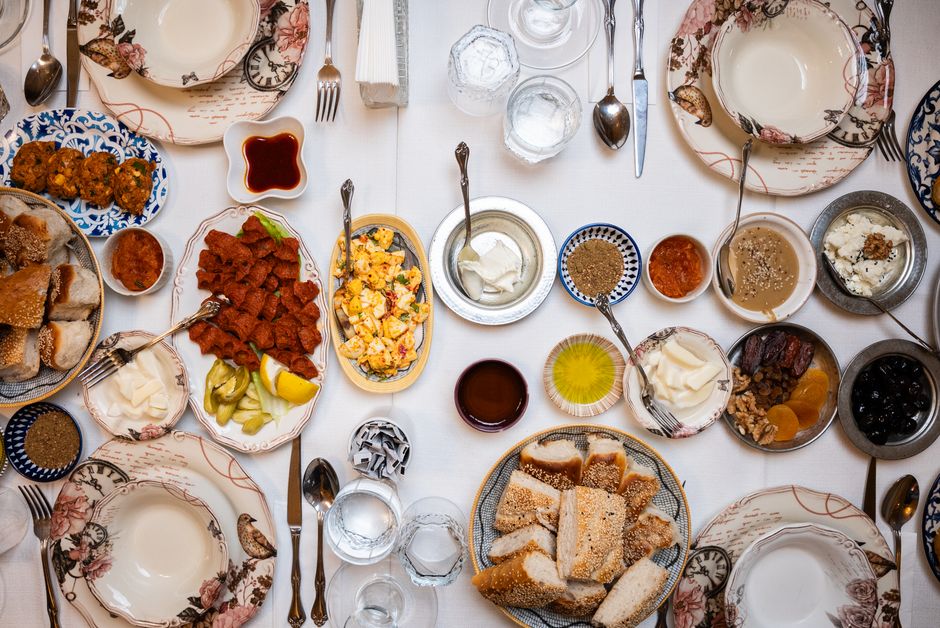
Intermittent fasting has become one of the most popular weight-loss approaches in 2026, and for good reason. This eating pattern alternates between periods of eating and fasting, helping your body burn fat more efficiently while simplifying your daily routine. Unlike traditional diets that focus on what you eat, intermittent fasting emphasizes when you eat, making it easier to stick with long-term.
The most popular schedule is the **16/8 method**, where you fast for 16 hours and eat during an 8-hour window. Many Americans choose to skip breakfast and eat between noon and 8 PM. The **5:2 approach** involves eating normally five days per week and restricting calories to 500-600 on two non-consecutive days. Both methods have been shown to support weight loss, improve insulin sensitivity, and reduce inflammation.
Combining intermittent fasting with a **keto diet** can accelerate results for some people. The high-fat, low-carb approach keeps you fuller longer during fasting periods and helps your body stay in fat-burning mode. However, this combination isn’t necessary for success—many people achieve their goals with intermittent fasting alone using balanced, whole-food meals.
Editor’s pick: meal prep containers with compartments — compare options and current availability.
Meal Planning Essentials
Successful intermittent fasting starts with smart meal planning. Without a plan, you’re more likely to grab convenient but unhealthy options when your eating window opens. Planning ahead ensures you’re getting enough **protein, healthy fats, and fiber** to stay satisfied and nourished throughout your fasting periods.
Start by calculating your daily calorie needs based on your age, weight, activity level, and goals. Most women aiming for weight loss need 1,400-1,800 calories per day, while men typically need 1,800-2,200 calories. Divide these calories across 2-3 meals within your eating window, focusing on nutrient-dense foods that provide lasting energy.
Adjust your meal plan based on your lifestyle and preferences. If you work night shifts, shift your eating window to match your schedule. If you have a physically demanding job, you may need slightly more calories or carbohydrates. Listen to your body and make changes as needed—intermittent fasting should feel sustainable, not restrictive.
Breakfast Recipes for Later Eating Windows
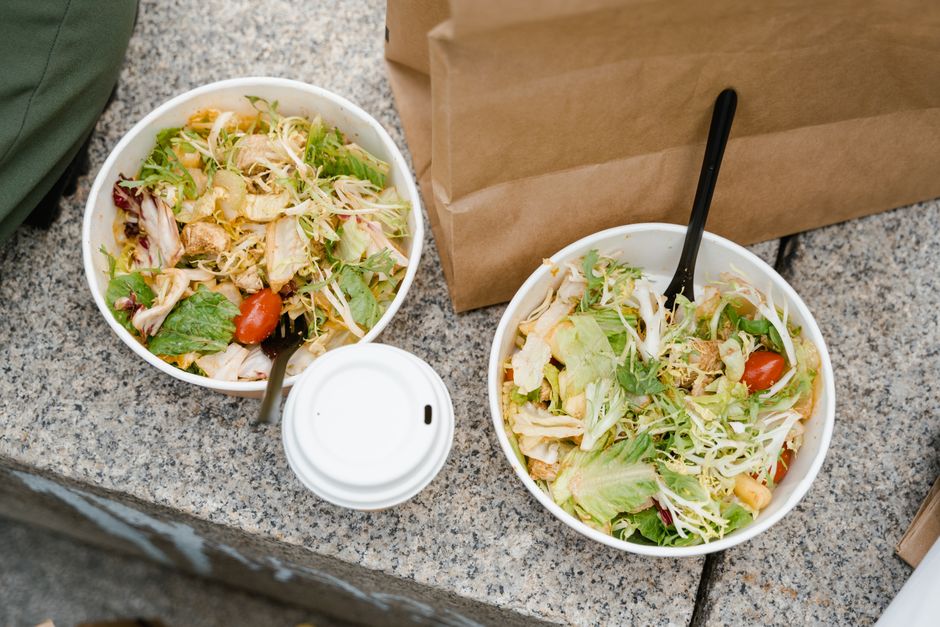
When your eating window starts at noon or later, your first meal needs to be satisfying and nutritious. Think of it as a brunch that provides sustained energy without causing a blood sugar crash. These recipes work whether you’re following a traditional balanced approach or a keto-style plan.
**Veggie-Packed Scrambled Eggs** make an exc nt first meal. Scramble 3 eggs with spinach, bell peppers, onions, and mushrooms in olive oil or butter. Serve with half an avocado and a side of berries. This provides about 400 calories with plenty of protein and healthy fats. For a budget-friendly swap, use frozen vegetables instead of fresh.
**Greek Yogurt Power Bowl** offers a quicker option. Combine 1 cup full-fat Greek yogurt with 1/4 cup mixed nuts, 2 tablespoons chia seeds, and fresh berries. Drizzle with a teaspoon of honey if desired. This provides probiotics for gut health along with protein and fiber. Swap regular yogurt for Greek yogurt to double the protein content.
**Salmon and Avocado Toast** works well for those who can tolerate some carbs. Top two slices of whole-grain bread with mashed avocado, smoked salmon, and a squeeze of lemon. Add a side salad with olive oil dressing. For a lower-carb version, use lettuce wraps instead of bread.
Lunch and Dinner Recipes
Your main meals should focus on **lean proteins, non-starchy vegetables, and healthy fats**. These combinations keep you full for hours and provide the nutrients your body needs for optimal function and weight loss.
**Sheet Pan Chicken and Vegetables** is perfect for meal prep. Season 4 chicken breasts with herbs and arrange on a sheet pan with broccoli, Brussels sprouts, and bell peppers. Drizzle with olive oil and roast at 400°F for 25-30 minutes. This makes 4 servings at about 350 calories each. Swap chicken thighs for breasts if you prefer more flavor and don’t mind slightly higher calories.
**Taco Salad Bowl** delivers satisfying flavors without the tortilla. Brown 1 pound ground turkey or beef with taco seasoning, then serve over mixed greens with black beans, salsa, shredded cheese, sour cream, and guacamole. Each serving provides around 450 calories with exc nt protein content. For a leaner option, use ground turkey breast instead of regular ground turkey.
**Baked Salmon with Asparagus** offers restaurant-quality results at home. Season a 6-ounce salmon fillet with lemon, garlic, and dill, then bake at 375°F for 15-18 minutes. Serve with roasted asparagus and a small portion of quinoa or cauliflower rice. This meal provides omega-3 fatty acids and about 400 calories. Frozen salmon fillets work just as well as fresh and cost significantly less.
**Stir-Fry Beef and Broccoli** comes together in under 20 minutes. Slice 8 ounces flank steak thinly and stir-fry with broccoli, snap peas, and a sauce made from soy sauce, ginger, and garlic. Serve over cauliflower rice for low-carb or brown rice for more carbs. One serving contains approximately 380 calories with high protein.
Batch Cooking and Meal Prep Strategies
Meal prepping saves time, money, and willpower during busy weeks. Dedicate 2-3 hours on Sunday to prepare components you’ll use throughout the week. This approach reduces the temptation to order takeout when you’re hungry and your eating window opens.
Cook **large batches of protein** like grilled chicken breasts, hard-boiled eggs, and ground turkey. Store in individual portions so you can grab and reheat quickly. Prepare **roasted vegetables** in large quantities—they keep well for 4-5 days and pair with any protein.
Invest in quality food storage containers with compartments. Portion your meals immediately after cooking to avoid overeating. Label containers with dates and calorie counts if that helps you stay on track. Common mistakes include not cooling food properly before refrigerating and storing everything in one large container, which makes portion control difficult.
Snack and Beverage Options
During your fasting window, stick to **zero-calorie beverages** like water, black coffee, and unsweetened tea. These keep you hydrated and can help suppress appetite without breaking your fast. Green tea and black coffee may even enhance fat burning during fasted periods.
When your eating window is open, choose snacks that provide **protein and fiber** rather than quick-burning carbs. A handful of almonds (about 1 ounce) provides healthy fats and 6 grams of protein for roughly 160 calories. String cheese paired with cherry tomatoes offers protein and volume for under 100 calories.
**Veggie sticks with hummus** make an exc nt mid-afternoon snack. Cut up carrots, celery, and bell peppers and pair with 1/4 cup hummus for about 150 calories. For a sweeter option, try apple slices with 1 tablespoon almond butter, providing fiber and healthy fats that keep you satisfied.
Avoid common snacking pitfalls like granola bars and flavored yogurts, which often contain as much sugar as candy. Dried fruit seems healthy but packs concentrated calories and sugar. Fruit juice breaks your fast and spikes blood sugar without providing filling fiber. Stick to whole foods during your eating window for best results.
Comparison Table: Popular IF Schedules
| Schedule | Fasting Hours | Eating Window | Best For | Difficulty |
|---|---|---|---|---|
| 16/8 | 16 hours | 8 hours | Beginners, consistent schedules | Easy |
| 18/6 | 18 hours | 6 hours | Experienced fasters | Moderate |
| 20/4 | 20 hours | 4 hours | Advanced, busy professionals | Hard |
| 5:2 | 2 days/week | 5 days normal | Those who dislike daily restrictions | Moderate |
| OMAD | 23 hours | 1 hour | Experienced fasters | Very Hard |
Common Mistakes and How to Fix Them
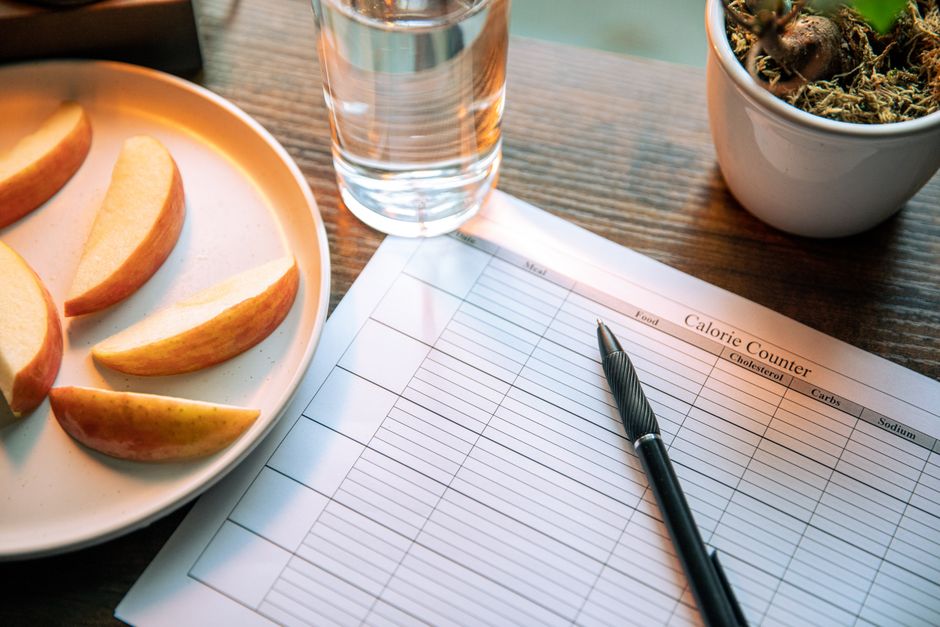
Many beginners make the mistake of **overeating during their eating window**, consuming more calories than they would have eaten normally. Just because you fasted doesn’t mean you can eat unlimited quantities. Track your intake for the first few weeks to ensure you’re in a calorie deficit.
Another common error is **not drinking enough water** during fasting periods. Aim for at least 8-10 glasses of water daily, more if you exercise. Dehydration can mimic hunger and cause headaches, making fasting unnecessarily difficult.
Some people **choose the wrong eating window** for their lifestyle. If you’re naturally hungry in the morning and social dinners are rare, don’t force yourself into a noon-8 PM window. Experiment with different schedules until you find what feels sustainable. The best plan is the one you can stick with long-term.
Don’t make the mistake of **eating low-quality foods** just because they fit your calorie budget. A 400-calorie fast-food burger won’t nourish your body the same way 400 calories of salmon and vegetables will. Prioritize whole foods, adequate protein, and plenty of vegetables for optimal results.
Frequently Asked Questions
Q: What are some common mistakes beginners make when starting intermittent fasting?
A: The biggest mistakes include overeating during the eating window, not drinking enough water, choosing an incompatible fasting schedule, and consuming too many calories from beverages like sweetened coffee drinks. Start with a moderate 14-16 hour fast and gradually extend it as your body adapts. Track your food intake for the first two weeks to ensure you’re still in a calorie deficit, and focus on whole, nutrient-dense foods rather than processed options.
Q: How can I adjust my meal plan to accommodate dietary restrictions or food allergies?
A: Intermittent fasting works with virtually any dietary pattern. For dairy-free diets, use coconut yogurt instead of Greek yogurt and nutritional yeast instead of cheese. If you’re vegetarian, replace animal proteins with tofu, tempeh, legumes, and quinoa while ensuring adequate protein intake. For gluten intolerance, swap bread and regular grains for gluten-free alternatives like rice, quinoa, and certified gluten-free oats. The timing of eating matters more than specific foods.
Q: What are some strategies for staying motivated and on track with intermittent fasting?
A: Track your progress with photos and measurements rather than just the scale, as body composition changes aren’t always reflected in weight. Join online communities or find an accountability partner who’s also practicing intermittent fasting. Prepare meals in advance so you’re not tempted by convenience foods when your eating window opens. Set non-scale goals like improved energy, better sleep, or fitting into a favorite pair of jeans. Remember that occasional breaks for special occasions won’t derail your progress—consistency over time matters most.
Top Product Recommendations
| Product Name | Rating | Key Feature | Est. Price | Action |
|---|---|---|---|---|
| Top-rated meal prep containers with compartments | ★★★★★ | Editor-recommended meal prep containers with compartments from this guide | $18–$42 | Check Lowest Price on Amazon |
| Best-value food scale for portion control | ★★★★☆ | Affordable food scale for portion control — strong everyday results | $12–$28 | Check Lowest Price on Amazon |
| Premium intermittent fasting tracker journal | ★★★★☆ | Higher-end intermittent fasting tracker journal for visible, lasting results | $45–$95 | Check Lowest Price on Amazon |
Affiliate Disclosure: This post contains affiliate links. We may earn a commission if you buy through our links, at no extra cost to you. Medical Disclaimer: This content is for informational purposes only and is not medical advice. Consult a healthcare professional before changing diet or exercise.
Leave a Reply