Intermittent Fasting Basics
Intermittent fasting is an eating pattern that alternates between periods of fasting and eating. It has gained popularity in recent years due to its potential benefits for weight loss and overall health. Unlike traditional diets that focus on what foods to eat, intermittent fasting focuses on when to eat.
**Benefits of intermittent fasting for weight loss:**
- Promotes fat burning by increasing insulin sensitivity and allowing the body to access stored fat for energy.
- Reduces calorie intake by limiting the eating window, leading to a calorie deficit and weight loss.
- May help preserve muscle mass during weight loss, as it doesn’t require a significant reduction in protein intake.
**Different types of intermittent fasting:**
- 16/8 method: Fasting for 16 hours and eating within an 8-hour window each day.
- 5:2 method: Eating normally for five days and restricting calorie intake to 500-600 calories on two non-consecutive days.
- Eat Stop Eat: Fasting for a full 24 hours once or twice a week.
Editor’s pick: intermittent fasting books — compare options and current availability.
Preparing for Intermittent Fasting
**How to get started with intermittent fasting:**
1. Choose an intermittent fasting method that suits your lifestyle and preferences.
2. Gradually ease into the fasting routine to allow your body to adapt.
3. Stay hydrated by drinking water, tea, and coffee during fasting periods.
4. Focus on consuming nutrient-dense, whole foods during eating windows.
**Adjusting your meal schedule:**
- If using the 16/8 method, you may choose to skip breakfast and have your first meal at lunchtime.
- Plan your meals and snacks in advance to ensure you have healthy options available during eating windows.
**What to expect during the first week:**
- Hunger and cravings, especially during the initial adaptation phase.
- Increased energy levels and mental clarity as your body adjusts to the new eating pattern.
- Potential temporary side effects such as headaches, irritability, or difficulty sleeping.
Foods to Enjoy During Fasting Periods
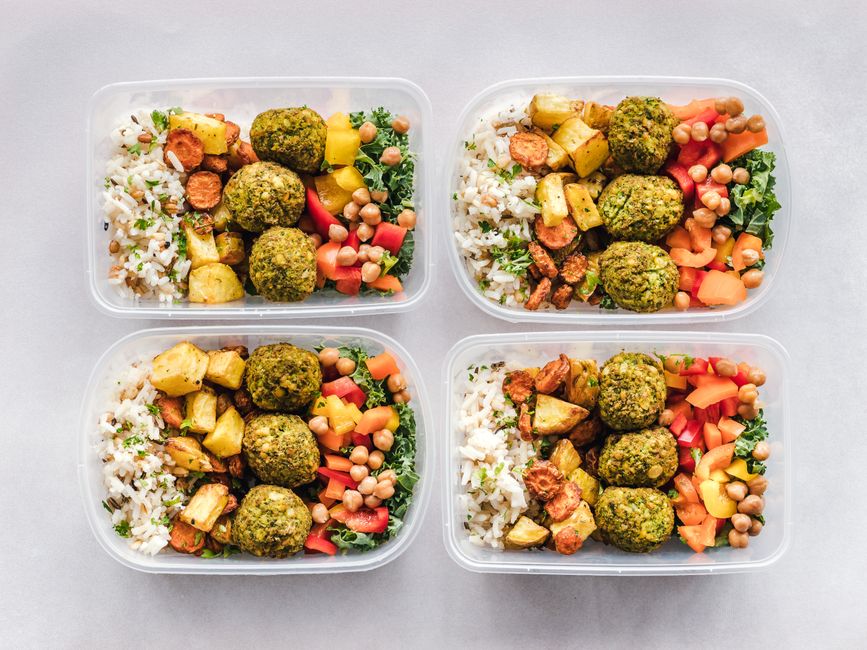
**Low-calorie, nutrient-dense foods:**
- Leafy greens (spinach, kale, lettuce)
- Non-starchy vegetables (bell peppers, cucumbers, zucchini)
- Low-sugar fruits (berries, apples, citrus fruits)
**Hydrating beverages:**
- Water
- Herbal tea
- Black coffee
**Foods to avoid during fasting periods:**
- High-calorie, processed foods
- Sugary drinks and snacks
- Refined carbohydrates (white bread, pasta, pastries)
Best Foods for Your Intermittent Fasting Meal Plan
**Protein-rich foods:**
- Lean meats (chicken, turkey, lean beef)
- Fish and seafood
- Eggs
- Plant-based proteins (beans, lentils, tofu)
**Healthy fats:**
- Avocado
- Nuts and seeds
- Olive oil
- Fatty fish (salmon, mackerel, sardines)
**Fiber-rich vegetables and fruits:**
- Broccoli
- Brussels sprouts
- Berries
- Avocado
Sample Intermittent Fasting Meal Plan
**Breakfast ideas for fasting days:**
- Veggie-packed omelet
- Chia seed pudding with berries
- Avocado toast with poached egg
**Lunch and dinner recipes for fasting days:**
- Grilled chicken salad with mixed greens and olive oil dressing
- Baked salmon with roasted vegetables
- Stir-fried tofu with mixed vegetables
**Snack options and tips:**
- Hard-boiled eggs
- Handful of nuts
- Sliced vegetables with hummus
- Choose snacks that are high in protein and fiber to keep you feeling full and satisfied.
Intermittent Fasting Meal Prep Tips
**Preparing meals in advance:**
- Cook large batches of protein and vegetables to have on hand for quick meals.
- Portion out meals into individual containers for easy grab-and-go options.
- Prepare snacks in advance, such as cutting up vegetables or portioning out nuts.
**Time-saving meal prep techniques:**
- Use a slow cooker or Instant Pot to prepare large batches of meals.
- Prep ingredients (e.g., chopping vegetables, marinating meats) in advance for quick assembly.
- Make use of leftovers by incorporating them into new meals.
**Storing and reheating meals:**
- Store meals in airtight containers in the refrigerator or freezer.
- Reheat meals in the microwave or oven, ensuring they reach a safe internal temperature.
- Consider investing in quality food storage containers and resealable bags for optimal freshness.
Combining Intermittent Fasting with Other Diets (Keto, Paleo)
**How to incorporate intermittent fasting with keto diet:**
- Focus on consuming high-fat, low-carb foods during eating windows.
- Avoid carb-heavy foods, even during eating periods.
- Monitor your ketone levels to ensure you remain in ketosis.
**Intermittent fasting and paleo diet:**
- Stick to whole, unprocessed foods that are allowed on the paleo diet.
- Emphasize consuming lean meats, fish, vegetables, and fruits.
- Avoid grains, legumes, and dairy products, which are not permitted on the paleo diet.
**Benefits and challenges of combining diets:**
- Combining diets may lead to faster weight loss and improved metabolic health.
- It can be more challenging to stick to both diets simultaneously, requiring careful planning and preparation.
- Some people may find it difficult to get enough calories and nutrients during the limited eating windows.
Frequently Asked Questions (FAQ)
What is the best time window for intermittent fasting?
The best time window for intermittent fasting depends on your individual preferences and lifestyle. The most popular method is the 16/8 approach, where you fast for 16 hours and eat within an 8-hour window each day. However, other methods like the 5:2 method or Eat Stop Eat may be more suitable for some people.
Can I drink coffee or tea during fasting periods?
Yes, you can drink black coffee or unsweetened tea during fasting periods. These beverages are low in calories and can help curb hunger and cravings. However, it’s essential to avoid adding sugar, milk, or other calorie-containing additives to your drinks during fasting periods.
How often should I do intermittent fasting for weight loss?
The frequency of intermittent fasting for weight loss depends on your goals and tolerance. Some people may choose to fast every day using the 16/8 method, while others may opt for the 5:2 method, fasting two non-consecutive days per week. It’s essential to listen to your body and adjust the frequency as needed. Consistency is key for achieving and maintaining weight loss results.
Can I exercise while doing intermittent fasting?
Yes, you can exercise while doing intermittent fasting. In fact, combining intermittent fasting with regular exercise can enhance weight loss and improve overall health. It’s best to schedule your workouts during your eating windows to ensure you have enough energy and nutrients to fuel your workouts. However, some people may find it challenging to exercise while fasting, so it’s essential to listen to your body and adjust your routine as needed.
Top Product Recommendations
| Product Name | Rating | Key Feature | Est. Price | Action |
|---|---|---|---|---|
| intermittent는 무엇을 의미하나요? | Lingoland 영한 사전 | ★★★★☆ | Recommended in this article: intermittent fasting books | See Amazon | Check Lowest Price on Amazon |
| MGS系列轻武器资料大全:MGS PW – 知乎 | ★★★★☆ | Recommended in this article: keto diet cookbooks | See Amazon | Check Lowest Price on Amazon |
| EDT to UTC Converter – Convert Eastern Time to Universal Time | ★★★★☆ | Recommended in this article: paleo diet guide | See Amazon | Check Lowest Price on Amazon |
Affiliate Disclosure: This post contains affiliate links. We may earn a commission if you buy through our links, at no extra cost to you. Medical Disclaimer: This content is for informational purposes only and is not medical advice. Consult a healthcare professional before changing diet or exercise.
Leave a Reply