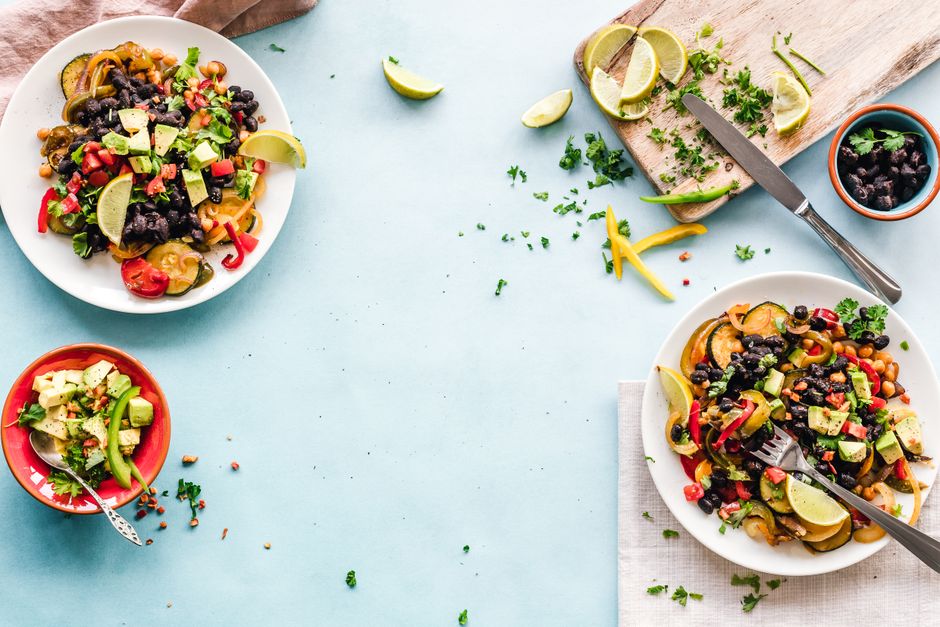
Why Intermittent Fasting Works for Weight Loss
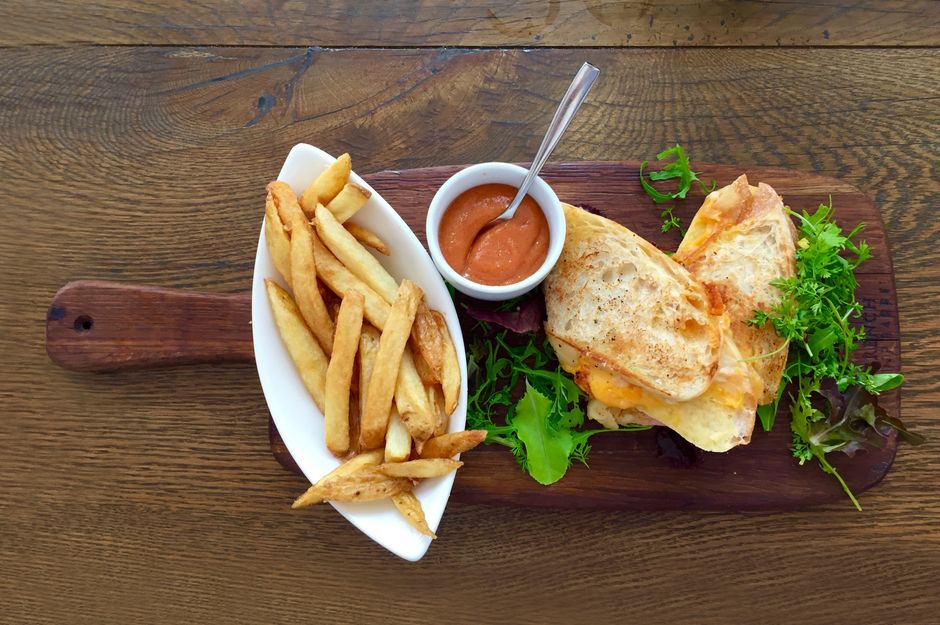
Intermittent fasting has become increasingly popular for weight loss due to its simple approach and numerous health benefits. Unlike traditional calorie-restrictive diets, intermittent fasting focuses on **when** to eat rather than **what** to eat. This eating pattern cycles between periods of fasting and eating, allowing the body to burn fat more efficiently.
When you fast, your body enters a metabolic state called ketosis, where it burns stored fat for energy instead of relying on glucose from food. This process helps reduce insulin levels, increase human growth hormone, and boost metabolism, all of which contribute to weight loss.
Compared to other popular weight-loss diets, intermittent fasting is more sustainable and easier to follow long-term. It doesn’t require counting calories or eliminating entire food groups, making it an attractive option for those looking to lose weight without feeling deprived.
Editor’s pick: intermittent fasting books — compare options and current availability.
Choosing the Right Intermittent Fasting Schedule
There are several intermittent fasting schedules to choose from, each with its own benefits and challenges. The most popular schedules include:
- **16/8 method**: Fast for 16 hours and eat within an 8-hour window each day.
- **5:2 method**: Eat normally for five days and restrict calories to 500-600 for two non-consecutive days.
- **Eat Stop Eat**: Fast for 24 hours once or twice a week.
When selecting a schedule, consider your lifestyle, daily routines, and personal preferences. It’s essential to choose a plan that you can maintain consistently for the best results. If you’re new to intermittent fasting, start with a less restrictive schedule and gradually increase the fasting duration as you become more comfortable.
Essential Foods for Your Intermittent Fasting Meal Plan
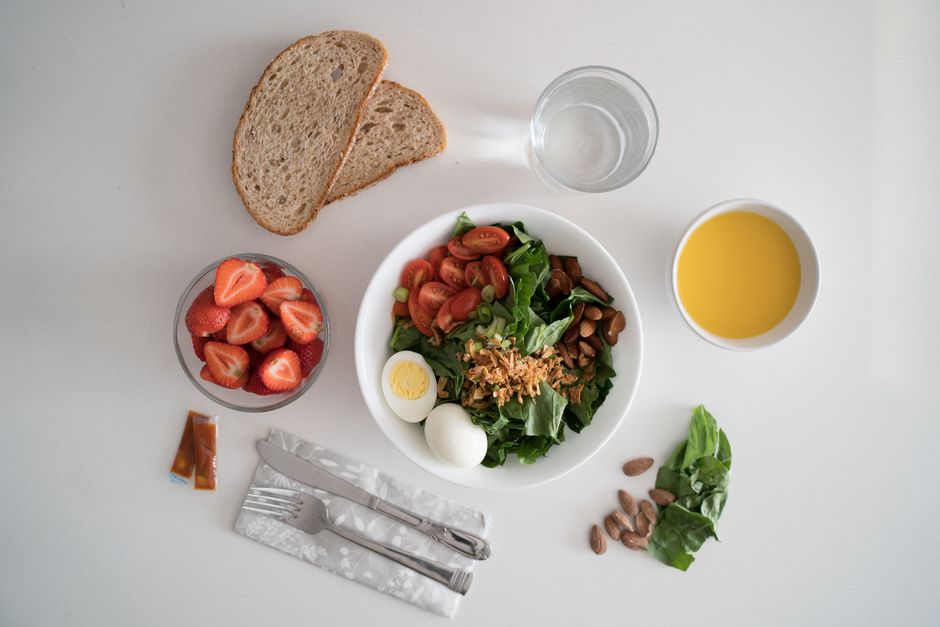
To maximize the benefits of intermittent fasting, focus on incorporating nutrient-dense, whole foods into your diet. These foods will keep you feeling full and satisfied while providing the necessary nutrients for optimal health.
**Foods to include:**
- **Protein**: Lean meats, fish, eggs, and plant-based sources like beans and lentils.
- **Healthy fats**: Avocados, nuts, seeds, and olive oil.
- **Fiber-rich vegetables**: Leafy greens, broccoli, cauliflower, and carrots.
- **Low-sugar fruits**: Berries, apples, and citrus fruits.
- **Whole grains**: Quinoa, brown rice, and oats.
**Foods to avoid:**
- **Processed foods**: Chips, crackers, and baked goods.
- **Sugary drinks**: Soda, fruit juice, and sweetened coffee/tea.
- **Refined grains**: White bread, pasta, and pastries.
By focusing on whole, unprocessed foods, you’ll naturally reduce your calorie intake and promote weight loss during your eating windows.
Preparing Meals for Intermittent Fasting
Meal prepping is essential for successful intermittent fasting, as it helps you stay on track and avoid temptations. Here are some tips for efficient meal preparation:
1. **Plan your meals in advance**: Decide on your breakfast, lunch, dinner, and snack options for the week and create a grocery list accordingly.
2. **Prepare meals in batches**: Cook large portions of protein, vegetables, and grains to have on hand for quick meals throughout the week.
3. **Use meal prep containers**: Invest in high-quality, portable containers to store and transport your meals easily.
4. **Keep it simple**: Choose simple, no-cook, or one-pot meals to save time and energy.
**Meal ideas:**
- **Breakfast**: Overnight oats with berries and nuts, or a protein smoothie with spinach and avocado.
- **Lunch**: Grilled chicken salad with mixed greens, tomatoes, cucumbers, and a light vinaigrette.
- **Dinner**: Baked salmon with roasted vegetables and quinoa.
- **Snacks**: Hard-boiled eggs, raw vegetables with hummus, or a small handful of nuts.
By preparing meals in advance, you’ll be less likely to make poor food choices during your eating windows and stay on track with your weight loss goals.
Combining Intermittent Fasting with Keto or Vegan Diets
Intermittent fasting can be combined with other popular diets, such as keto or vegan, for enhanced weight loss results. However, it’s essential to ensure that you’re meeting your nutritional needs while following these restrictive diets.
**Keto and intermittent fasting:**
- **Benefits**: Combining these diets may lead to faster weight loss and improved mental clarity.
- **Challenges**: It can be difficult to consume enough healthy fats while fasting.
- **Meal plan adjustments**: Focus on high-fat, low-carb foods during your eating windows, such as avocados, nuts, and fatty fish.
**Vegan and intermittent fasting:**
- **Benefits**: Plant-based foods are often lower in calories, making it easier to maintain a calorie deficit.
- **Challenges**: It can be challenging to consume enough protein during fasting periods.
- **Meal plan adjustments**: Incorporate plant-based protein sources like beans, lentils, and tofu into your meals.
**Sample meal ideas:**
- **Keto**: Baked chicken with buttered broccoli and cauliflower rice.
- **Vegan**: Quinoa stir-fry with mixed vegetables and tofu.
By combining intermittent fasting with these diets, you can tailor your meal plan to your specific needs and preferences while still achieving significant weight loss results.
Avoiding Common Intermittent Fasting Mistakes
To ensure the success of your intermittent fasting journey, it’s essential to avoid common mistakes that can hinder your progress. Some of these mistakes include:
- **Overeating during eating windows**: Just because you’re in an eating window doesn’t mean you should indulge in unhealthy foods or overeat. Stick to nutrient-dense, whole foods and practice mindful eating.
- **Not staying hydrated**: Drinking enough water is crucial during fasting periods to prevent dehydration and support overall health.
- **Fasting for too long**: If you’re new to intermittent fasting, start with shorter fasting periods and gradually increase the duration as you become more comfortable.
To overcome these challenges, make sure to:
- **Plan your meals in advance** to avoid impulsive food choices.
- **Drink plenty of water** and other non-caloric beverages during fasting periods.
- **Listen to your body** and adjust your fasting schedule as needed.
By avoiding these common mistakes and implementing these solutions, you’ll be well on your way to successful intermittent fasting and weight loss.
Staying on Track with Your Meal Plan
Consistency is key when it comes to intermittent fasting and weight loss. To stay on track with your meal plan, consider the following tips:
1. **Set realistic goals**: Establish achievable goals for both meal prep and weight loss to keep yourself motivated and on track.
2. **Track your progress**: Keep a food diary or use a meal tracking app to monitor your intake and ensure you’re staying within your calorie and nutrient goals.
3. **Be flexible**: If you have a slip-up or don’t follow your plan perfectly, don’t be too hard on yourself. Just get back on track with your next meal or the following day.
4. **Find support**: Surround yourself with supportive friends and family members, or join online communities to share your experiences and learn from others.
By implementing these strategies, you’ll be more likely to stick to your intermittent fasting meal plan and achieve your weight loss goals.
Frequently Asked Questions (FAQ)
What is the best time window for eating during intermittent fasting?
The best time window for eating during intermittent fasting depends on your personal preferences and lifestyle. The most popular schedule is the 16/8 method, where you fast for 16 hours and eat within an 8-hour window each day. However, other schedules like the 5:2 method or Eat Stop Eat may work better for some individuals. Experiment with different schedules to find the one that works best for you.
How can I make meal prep easier and more efficient?
To make meal prep easier and more efficient, try the following tips:
- **Plan your meals in advance** and create a grocery list to avoid impulse purchases.
- **Cook in batches** and store leftovers in portable containers for easy access throughout the week.
- **Choose simple meals** that require minimal preparation and cooking time.
- **Invest in meal prep tools** like a slow cooker, pressure cooker, or food processor to save time and effort.
What are some healthy and tasty snack options for intermittent fasting?
Healthy and tasty snack options for intermittent fasting include:
- **Hard-boiled eggs**: High in protein and easy to prepare in advance.
- **Raw vegetables with hummus**: Provides fiber and healthy fats to keep you feeling full.
- **Nuts and seeds**: Nutrient-dense and portable for on-the-go snacking.
- **Greek yogurt with berries**: High in protein and low in sugar, making it a great option for weight loss.
Remember to stick to whole, unprocessed foods and practice portion control during your eating windows.
More Resources for Successful Intermittent Fasting
To further support your intermittent fasting journey, consider exploring the following resources:
- **Websites and blogs**: Check out popular health and wellness websites like Healthline, EatingWell, and Verywell Fit for meal ideas, inspiration, and expert advice.
- **Books and guides**: Read up on the science behind intermittent fasting and learn how to optimize your results with books like “The Complete Guide to Fasting” by Jason Fung and “Delay, Don’t Deny” by Gin Stephens.
- **Online communities**: Join Facebook groups, Reddit forums, or other online platforms dedicated to intermittent fasting for support, motivation, and shared experiences.
By utilizing these resources and staying committed to your intermittent fasting meal plan, you’ll be well on your way to achieving your weight loss goals and improving your overall health.
Top Product Recommendations
| Product Name | Rating | Key Feature | Est. Price | Action |
|---|---|---|---|---|
| intermittent는 무엇을 의미하나요? | Lingoland 영한 사전 | ★★★★☆ | Recommended in this article: intermittent fasting books | See Amazon | Check Lowest Price on Amazon |
| MEAL | 영어를 한국어로 번역: Cambridge Dictionary | ★★★★☆ | Recommended in this article: meal prep containers | See Amazon | Check Lowest Price on Amazon |
| topics.wsj.com | ★★★★☆ | Recommended in this article: keto diet foods | See Amazon | Check Lowest Price on Amazon |
Affiliate Disclosure: This post contains affiliate links. We may earn a commission if you buy through our links, at no extra cost to you. Medical Disclaimer: This content is for informational purposes only and is not medical advice. Consult a healthcare professional before changing diet or exercise.
Leave a Reply