Intermittent Fasting 101
Intermittent fasting has become increasingly popular for weight loss and overall health improvement. This eating pattern involves alternating periods of fasting and eating, allowing your body to burn fat more efficiently. Some of the most common intermittent fasting protocols include:
- **16:8**: Fasting for 16 hours and eating within an 8-hour window each day.
- **5:2**: Eating normally for five days and restricting calorie intake to 500-600 calories on two non-consecutive days.
- **Eat Stop Eat**: Fasting for a full 24 hours once or twice per week.
When choosing an intermittent fasting schedule, consider your lifestyle, work schedule, and personal preferences. The 16:8 method is often recommended for beginners due to its simplicity and flexibility.
Editor’s pick: intermittent fasting book — compare options and current availability.
Preparing for Intermittent Fasting
As you begin your intermittent fasting journey, it’s essential to be prepared for the challenges ahead. During the first week, you may experience hunger, cravings, and fatigue as your body adjusts to the new eating pattern. To manage these symptoms, try:
- Drinking plenty of water and herbal teas to stay hydrated.
- Consuming electrolyte-rich foods or supplements to maintain balance.
- Keeping busy and focusing on non-food related activities during fasting hours.
Building Your Ideal Meal Plan
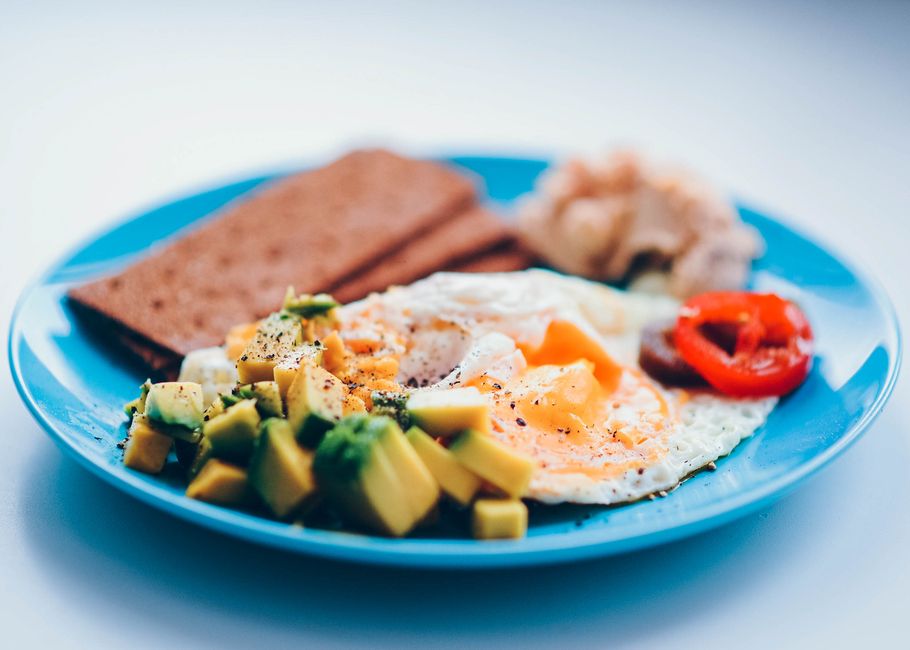
To create a successful intermittent fasting meal plan, start by calculating your daily calorie and macronutrient needs based on your age, gender, height, weight, and activity level. Aim for a balanced diet that includes:
- **Protein**: Lean meats, fish, eggs, dairy, legumes, and plant-based proteins.
- **Healthy fats**: Avocados, nuts, seeds, olive oil, and fatty fish.
- **Complex carbohydrates**: Vegetables, fruits, whole grains, and legumes.
Plan your meals around your fasting and eating windows, ensuring you consume enough nutrients to support your body’s needs.
Keto-Friendly Intermittent Fasting Meals
Combining intermittent fasting with a ketogenic diet can be an effective way to accelerate weight loss and promote fat burning. To create keto-friendly meals, focus on high-fat, moderate protein, and low-carb ingredients. Some delicious and easy-to-prepare keto meal ideas include:
- **Breakfast**: Scrambled eggs with spinach and feta cheese, or a keto smoothie with avocado, coconut milk, and low-carb berries.
- **Lunch**: Grilled chicken salad with olive oil dressing, or a lettuce-wrapped burger with bacon and cheese.
- **Dinner**: Baked salmon with asparagus and butter, or a cauliflower pizza with tomato sauce, mozzarella, and toppings.
For snacks, consider options like hard-boiled eggs, celery sticks with almond butter, or a handful of nuts.
Intermittent Fasting and Exercise
Incorporating exercise into your intermittent fasting routine can help you achieve even better results. When scheduling your workouts, consider:
- **Fasting hours**: Perform light cardio or yoga to boost metabolism and fat burning.
- **Eating windows**: Engage in strength training or high-intensity interval training (HIIT) to maximize muscle growth and recovery.
Remember to listen to your body and adjust your workout intensity based on your energy levels and overall well-being.
Troubleshooting Common Issues
If you experience side effects like fatigue, headaches, or constipation while intermittent fasting, try:
- Gradually easing into your chosen fasting protocol.
- Ensuring you’re consuming enough electrolytes and staying hydrated.
- Adjusting your meal plan to include more nutrient-dense foods.
If you’re not seeing the desired results, consider tracking your calories and macros to ensure you’re in a calorie deficit. You may also need to experiment with different fasting protocols to find the one that works best for you.
Intermittent Fasting Success Stories
Many individuals have achieved significant weight loss and improved health through intermittent fasting. Some success stories include:
- A 40-year-old woman who lost 50 pounds in six months following the 16:8 method.
- A 30-year-old man who reversed his type 2 diabetes by combining intermittent fasting with a low-carb diet.
- A 55-year-old woman who improved her energy levels and mental clarity by adopting a 5:2 fasting protocol.
These success stories demonstrate the potential benefits of intermittent fasting when combined with a healthy diet and lifestyle.
Frequently Asked Questions (FAQ)
What is the best time of day to start and end my fasting hours?
The best time to start and end your fasting hours depends on your personal preferences and lifestyle. Many people find it easiest to fast overnight and into the morning, breaking their fast with a late breakfast or early lunch. Others prefer to fast during the day and eat during the evening. Experiment with different fasting windows to find what works best for you.
How can I avoid feeling hungry during my fasting hours?
To minimize hunger during your fasting hours, try:
- Drinking water, herbal tea, or black coffee.
- Staying busy and focusing on non-food related activities.
- Consuming high-fiber, high-protein foods during your eating window to promote satiety.
Can I drink coffee or tea during my fasting hours?
Yes, you can drink black coffee or plain tea during your fasting hours, as they contain minimal calories. However, be mindful of adding sugar, milk, or other calorie-containing additives, as they can break your fast and interfere with the benefits of intermittent fasting.
Top Product Recommendations
| Product Name | Rating | Key Feature | Est. Price | Action |
|---|---|---|---|---|
| intermittent는 무엇을 의미하나요? | Lingoland 영한 사전 | ★★★★☆ | Recommended in this article: intermittent fasting book | See Amazon | Check Lowest Price on Amazon |
| Big Board: Top 100 – NBADraft.net | ★★★★☆ | Recommended in this article: keto diet cookbook | See Amazon | Check Lowest Price on Amazon |
| [간호백과사전]혈액검사 쉽게알기 전해질 검사 Electrolyte (생화학 … | ★★★★☆ | Recommended in this article: electrolyte supplements | See Amazon | Check Lowest Price on Amazon |
Affiliate Disclosure: This post contains affiliate links. We may earn a commission if you buy through our links, at no extra cost to you. Medical Disclaimer: This content is for informational purposes only and is not medical advice. Consult a healthcare professional before changing diet or exercise.
Leave a Reply