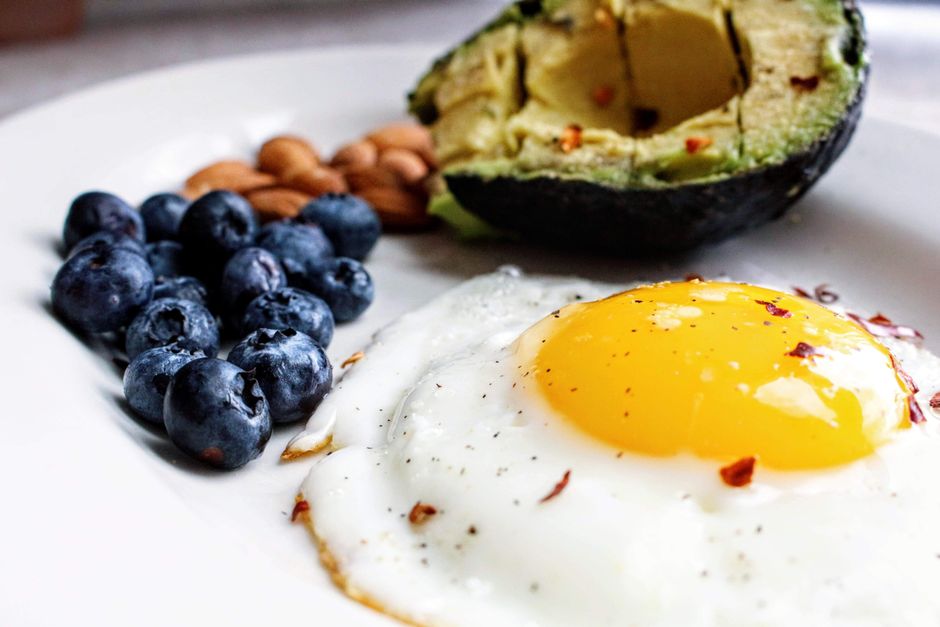
Losing weight can be a challenging journey, but having a well-structured meal plan can make all the difference. A balanced and nutritious meal plan not only helps you shed those extra pounds but also ensures you maintain good health. In this article, we’ll explore the key aspects of creating a successful meal plan for weight loss, including understanding your caloric needs, building a balanced diet, and preparing healthy meals on a budget.
Understanding Your Caloric Needs
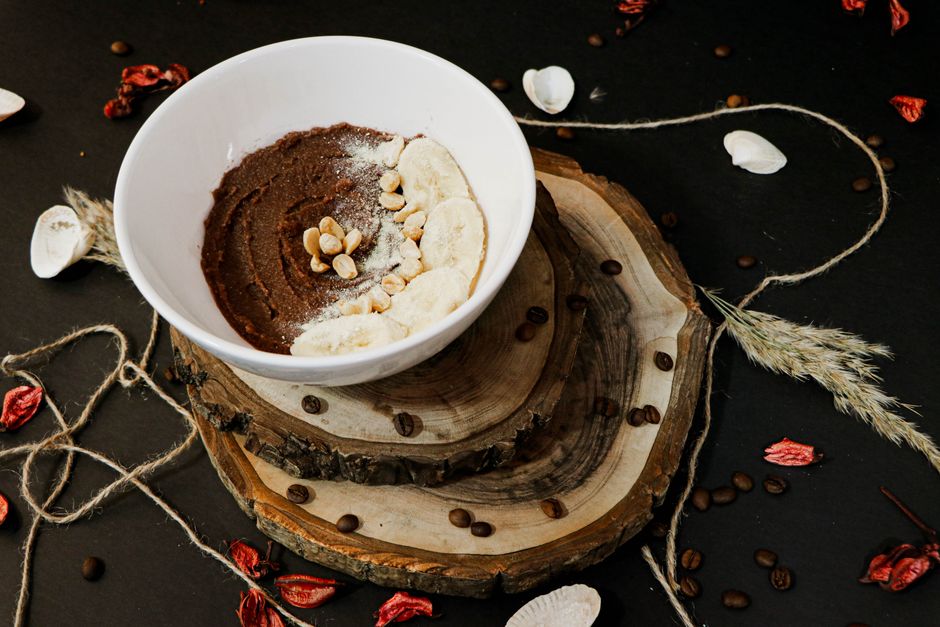
To lose weight, you need to consume fewer calories than you burn. Calculating your daily caloric intake is the first step in creating a meal plan. Factors such as your age, gender, height, weight, and activity level influence your calorie needs. You can use online calculators or consult a nutritionist to determine your daily calorie requirements for weight loss.
Editor’s pick: meal prep containers — compare options and current availability.
Building a Balanced Meal Plan
A balanced meal plan should include a variety of nutrient-dense foods. Macronutrients, such as protein, fats, and carbohydrates, play a crucial role in weight loss. Protein helps build and maintain muscle mass, while healthy fats and carbohydrates provide energy. Incorporating fiber-rich foods, such as fruits, vegetables, and whole grains, can help you feel full and satisfied, reducing the likelihood of overeating.
Creating a Weekly Meal Prep Schedule

Meal prepping is a great way to ensure you have healthy meals ready to go throughout the week. By preparing meals in batches, you can save time and avoid the temptation of reaching for unhealthy snacks or takeout. Create a meal prep calendar to stay organized and plan your meals around your schedule.
Healthy and Delicious Meal Ideas
Eating healthy doesn’t have to be boring. There are plenty of delicious meal ideas that can help you lose weight. For breakfast, try options like overnight oats, egg white scrambles, or Greek yogurt with berries. Lunch and dinner recipes can include grilled chicken or fish with roasted vegetables, quinoa salads, or vegetable stir-fries. Snack on fresh fruits, raw veggies with hummus, or a handful of nuts to keep you satisfied between meals.
Swapping Ingredients for Healthier Options
Making healthier substitutions in your recipes can help reduce calories and improve nutrition. Swap out refined grains for whole grains, use Greek yogurt instead of sour cream, and opt for natural sweeteners like honey or maple syrup instead of processed sugars. Experiment with spices and herbs to add flavor to your meals without relying on excessive salt or sugar.
Preparing Meals on a Budget
Eating healthy on a budget is possible with some planning and smart shopping strategies. Buy in-season produce, which is often cheaper and more nutritious. Look for sales and discounts on lean proteins and whole grains. Plan your meals around the ingredients you already have in your pantry to reduce food waste and save money.
Meal Planning for Special Diets
If you have specific dietary needs or restrictions, you can still create a successful meal plan for weight loss. Gluten-free, dairy-free, vegan, low-carb, and keto-friendly meal ideas can all be incorporated into your plan. Focus on whole, unprocessed foods and seek out recipes that cater to your specific diet.
Frequently Asked Questions (FAQ)
What is the best meal plan for weight loss?
The best meal plan for weight loss is one that is balanced, nutritious, and tailored to your individual needs and preferences. A successful meal plan should include a variety of whole foods, be rich in protein and fiber, and contain moderate amounts of healthy fats and carbohydrates. Popular meal plans for weight loss include the Mediterranean diet, DASH diet, and flexible dieting.
How can I make my meal plan more interesting and varied?
To keep your meal plan interesting and varied, try incorporating different cuisines and flavors into your recipes. Experiment with new ingredients and cooking methods to prevent boredom and maintain motivation. You can also add variety by changing up your protein sources, such as trying different types of fish or plant-based proteins.
Can I still enjoy treats while following a meal plan for weight loss?
Yes, you can still enjoy treats while following a meal plan for weight loss. The key is moderation and making healthier choices. Opt for homemade desserts using natural sweeteners and whole ingredients, or indulge in small portions of your favorite treats occasionally. Remember, a balanced approach to eating is essential for long-term success and sustainability.
By following these guidelines and creating a personalized meal plan, you’ll be well on your way to achieving your weight loss goals while maintaining good health and enjoying delicious meals.
Top Product Recommendations
| Product Name | Rating | Key Feature | Est. Price | Action |
|---|---|---|---|---|
| Transfer Centre LIVE! Football transfer news, updates and … | ★★★★☆ | Recommended in this article: meal prep containers | See Amazon | Check Lowest Price on Amazon |
| dpp – 民主進步黨 – 綠色執政品質保證 | ★★★★☆ | Recommended in this article: healthy cookbooks | See Amazon | Check Lowest Price on Amazon |
| Food – Wikipedia | ★★★★☆ | Recommended in this article: food scale | See Amazon | Check Lowest Price on Amazon |
Affiliate Disclosure: This post contains affiliate links. We may earn a commission if you buy through our links, at no extra cost to you. Medical Disclaimer: This content is for informational purposes only and is not medical advice. Consult a healthcare professional before changing diet or exercise.
Leave a Reply