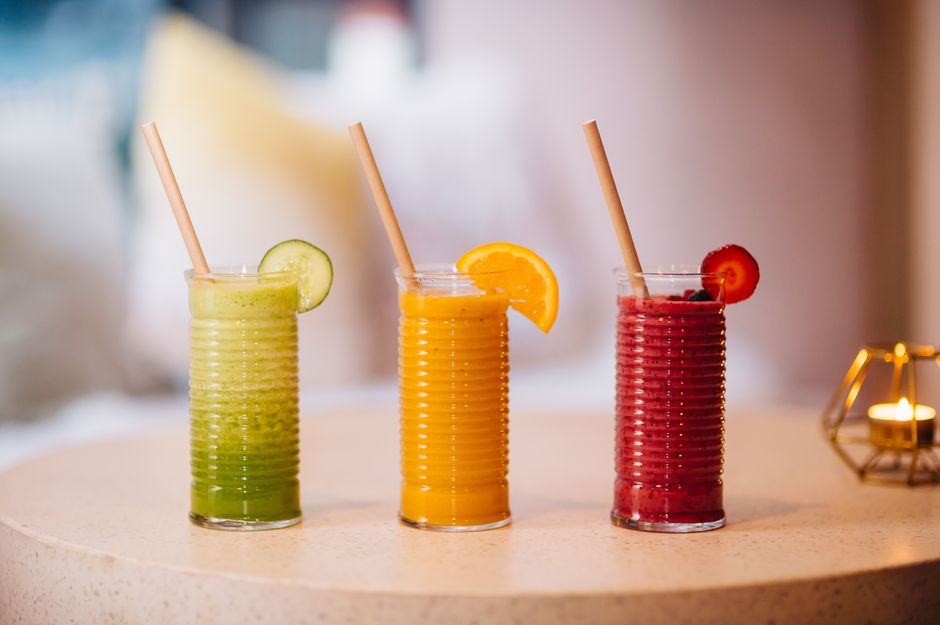
What Is a 3-Day Juice Cleanse?
A 3-day juice cleanse is a short-term dietary approach where you replace solid meals with freshly pressed fruit and vegetable juices for three consecutive days. The idea behind this type of detox is simple: give your digestive system a rest while flooding your body with concentrated vitamins, minerals, and antioxidants from whole produce. Many people try a juice cleanse when they want to reset their eating habits, jumpstart weight loss, or simply consume more fruits and vegetables in an easy-to-digest form.
The typical juice cleanse involves drinking between four and six juices per day, spaced roughly every two to three hours. Each juice typically contains a blend of fruits, vegetables, herbs, and sometimes superfood add-ins like ginger, turmeric, or leafy greens. Unlike fasting from food entirely, a juice cleanse still provides calories and nutrients, which can help you maintain energy levels while still giving your body a break from processing heavy meals.
Most people choose a 3-day timeframe because it is long enough to experience potential benefits without being so restrictive that it becomes unsustainable. A 3-day juice cleanse plan can serve as a gentle introduction to juicing, allowing you to test how your body responds before committing to a longer cleanse. Many participants report feeling lighter, more energized, and more mindful about food choices after completing a short cleanse.
Quick pick: Compare top-rated Detox options.
Pros of Doing a 3-Day Juice Cleanse
One of the biggest advantages of a 3-day juice cleanse is the significant increase in fruit and vegetable consumption. Most Americans fall short of the recommended daily servings of produce, and juicing makes it easy to pack multiple servings into a single glass. A single green juice might contain spinach, kale, cucumber, celery, and lemon, delivering a powerhouse of nutrients that would be hard to eat in solid form during a busy day.
A juice cleanse also provides a mental reset from everyday eating patterns. By removing solid foods for three days, you break automatic habits like snacking while watching television or reaching for processed comfort foods. This conscious break can help you become more aware of your eating triggers and make more intentional choices once you return to solid foods. Many people find that a juice cleanse helps reduce cravings for sugar, salt, and processed foods.
The short duration of a 3-day plan makes it more approachable than longer cleanses. You can schedule it around a low-stress period, prepare in advance, and experience the potential benefits without major lifestyle disruption. Some people use a juice cleanse as a launching pad for longer-term dietary improvements, using the three-day reset as motivation to adopt healthier eating habits going forward.
Cons of Doing a 3-Day Juice Cleanse
Despite the potential benefits, a 3-day juice cleanse is not without drawbacks. One significant concern is the loss of dietary fiber. When you juice produce, you remove the pulp that contains most of the fiber, which plays a crucial role in digestive health, blood sugar regulation, and feelings of fullness. Without fiber, you may feel hungry more quickly and experience blood sugar swings throughout the day.
Juice cleanses can also lead to insufficient protein and healthy fat intake. Most juices are low in protein and fat, two macronutrients that are essential for muscle maintenance, hormone production, and satiety. If you are active or have higher protein needs, a 3-day juice cleanse may leave you feeling weak, fatigued, or unable to maintain your normal activity level.
Another potential issue is the cost and food waste associated with juicing. Fresh organic produce for three days can add up quickly, and the pulp left over from juicing often goes to waste unless you compost it or use it in recipes. Additionally, some people experience initial side effects like headaches, dizziness, or gastrointestinal discomfort during the first day or two as their bodies adjust to the sudden change in diet.
Juicing vs. Blending: Which Is Better?
When it comes to getting more fruits and vegetables into your diet, both juicing and blending have merit, but they work differently in your body. Juicing extracts the liquid from produce, leaving behind the fiber-rich pulp. This creates a concentrated, easily digestible beverage that your body can absorb nutrients from quickly. Blending, on the other hand, grinds up the entire fruit or vegetable, pulp and all, resulting in a smoothie that retains most of the original fiber.
| Feature | Juicing | Blending |
|---|---|---|
| Fiber content | Minimal | High |
| Nutrient absorption | Fast | Gradual |
| Satiety level | Lower | Higher |
| Digestion | Easy on gut | More work for digestive system |
| Volume needed | More produce per serving | Less produce per serving |
If your primary goal is to rest your digestive system or flood your body with a high concentration of nutrients quickly, juicing may be the better choice. If you want to stay fuller longer, maintain stable blood sugar, and support gut health with fiber, blending into a smoothie is likely more effective. Many health enthusiasts keep both appliances on hand and choose based on their daily goals and activity level.
Best Fruits and Vegetables for Juicing
Not all produce is created equal when it comes to juicing. Some fruits and vegetables yield more juice, maintain better flavor, and deliver superior nutrition compared to others. Understanding which ingredients work best will help you create more delicious and nutritious juices during your 3-day cleanse.
Leafy greens like spinach, kale, and Swiss chard are juicing staples because they are packed with vitamins A, C, and K, as well as minerals like iron and calcium. They yield a lot of liquid and blend well with sweeter fruits that can mask their earthy flavor. Cucumber and celery are exc nt base ingredients because they are extremely hydrating and mild-tasting, making up the bulk of your juice without overpowering the flavors of more potent ingredients.
Citrus fruits like lemon, lime, and grapefruit add bright, invigorating flavor while providing a generous dose of vitamin C, which supports immune function and helps your body absorb iron from plant sources. Berries such as strawberries, blueberries, and raspberries add natural sweetness and anthocyanins, powerful antioxidants that protect cells from damage. Carrots and beets add natural sweetness and earthy depth, along with beta-carotene and nitrates that support eye health and blood flow.
Fresh herbs and spices can elevate your juices from basic to exceptional. Ginger adds warmth and spice along with anti-inflammatory benefits. Fresh turmeric root provides a earthy, golden boost of curcumin, a potent anti-inflammatory compound. Mint, parsley, and cilantro add fresh, bright notes that make even green juices taste invigorating and clean.
Sample 3-Day Juice Cleanse Plan
A well-planned 3-day juice cleanse gives your body consistent nutrition while keeping taste interesting enough that you can stick with it. Here is a practical day-by-day plan that balances flavor, variety, and nutritional variety.
**Day 1:**
- **Morning (Green Juice):** Spinach, kale, cucumber, celery, green apple, and lemon. This cleansing green juice sets the tone for the day with a high-nutrient, low-sugar foundation.
- **Mid-Morning (Berry Blast):** Strawberries, blueberries, raspberries, and a splash of coconut water. This antioxidant-rich juice satisfies sweet cravings without added sugars.
- **Lunch (Cucumber Cooler):** Cucumber, watermelon, mint, and lime. Ultra-refreshing and hydrating for the midday hours.
- **Afternoon (Ginger Zinger):** Carrot, orange, ginger, and turmeric. A warming, energizing juice to carry you through the afternoon slump.
- **Evening (Herbal Restore):** Celery, cucumber, parsley, lemon, and a hint of garlic. Light and restorative for your final juice of the day.
**Day 2:**
- **Morning (Carrot Ginger):** Carrots, fresh ginger root, orange, and a dash of cinnamon. Warming and energizing to start day two.
- **Mid-Morning (Pineapple Mint):** Fresh pineapple, mint leaves, cucumber, and lime. Tropical and refreshing.
- **Lunch (Lemonade Cleanse):** Grapefruit, lemon, maple syrup, and cayenne pepper. A tangy, metabolism-supporting lemonade.
- **Afternoon (Beet Boost):** Beets, apple, ginger, and carrot. A nitric oxide-rich juice for sustained energy.
- **Evening (Spinach Reset):** Spinach, pear, celery, lemon, and parsley. Light and nutrient-dense to close the day.
**Day 3:**
- **Morning (Watermelon Sunrise):** Watermelon, strawberry, mint, and lime. Light, sweet, and incredibly hydrating.
- **Mid-Morning (Rainbow Detox):** Beet, carrot, orange, turmeric, and ginger. A colorful, comprehensive nutrient boost.
- **Lunch (Green Apple Celery):** Green apple, celery, cucumber, spinach, and lemon. Crisp and satisfying.
- **Afternoon (Citrus Wave):** Orange, grapefruit, lemon, and a touch of ginger. Bright and energizing.
- **Evening (Almond Milk Base):** Homemade almond milk with vanilla and a sprinkle of cinnamon. Creamy and satisfying for the final evening.
Preparing for Your Juice Cleanse
Successful juicing starts long before your first glass. Taking time to prepare ensures you stay on track and reduces stress during the cleanse itself. The most important step is shopping for fresh, high-quality produce. Visit your local farmers market or grocery store and select the freshest fruits and vegetables available. Organic produce is ideal when possible, especially for items you will not peel like leafy greens and berries.
You will need a few key pieces of equipment to make your cleanse work smoothly. A quality juicer is essential for extracting maximum liquid from produce. Centrifugal juicers work quickly and are budget-friendly, while masticating (slow) juicers preserve more nutrients and produce less heat, which can degrade sensitive vitamins. You will also want a high-powered blender for making homemade almond milk and any smoothie-style beverages you include.
Prepare your produce in advance by washing, chopping, and storing everything before your cleanse begins. Cut fruits and vegetables into pieces that fit easily into your juicer chute to save time and frustration during busy mornings. Store prepped produce in airtight containers in the refrigerator, and consider labeling each container with the juice it will be used for. Spending an hour on prep work the night before your cleanse makes the actual juicing process quick and painless.
Common mistake to avoid: Do not try to juice too far in advance. Fresh juice begins losing nutrients within 24 to 48 hours, so aim to make your daily juices fresh each morning or the night before and store them in airtight glass containers in the refrigerator. Drink each juice within 24 hours of making it for maximum nutritional benefit.
Staying Hydrated and Energized During Your Cleanse
Drinking four to six juices per day may not provide all the hydration your body needs, especially if you are active or live in a warm climate. Water intake should continue alongside your juices throughout the cleanse. Aim for at least eight glasses of plain water daily, and consider adding a glass of mineral water or coconut water occasionally for added electrolytes.
Light activity is generally fine during a juice cleanse, but intense exercise may leave you feeling depleted. Stick to gentle activities like walking, yoga, stretching, or light swimming. If you feel dizziness or excessive fatigue, honor your body is signals and rest. Some people find that they actually have more energy during a cleanse due to the removal of inflammatory processed foods and sugar, while others need to scale back their usual workout intensity.
If you feel genuinely hungry between juices, reach for raw vegetables like celery sticks, cucumber slices, or a handful of baby carrots. These low-calorie options can help manage hunger pangs without breaking your cleanse. Some cleansing protocols also allow for small amounts of raw nuts or seeds if you need more sustenance, though this varies depending on the strictness of your chosen plan.
Frequently Asked Questions (FAQ)
Can I do a juice cleanse while working out?
Light to moderate exercise is generally manageable during a 3-day juice cleanse, but you should expect your energy levels and performance to differ from normal. Short walks, yoga, gentle stretching, and light resistance training are typically fine. High-intensity interval training, heavy weightlifting, and long cardio sessions may leave you feeling dizzy, weak, or excessively fatigued. If you are training for a specific athletic event or have a strenuous workout scheduled, consider rescheduling your cleanse for a lower-activity period. Always listen to your body and stop exercising if you feel lightheaded or unwell.
How much weight can I expect to lose on a 3-day juice cleanse?
Most people can expect to lose between 2 and 5 pounds during a 3-day juice cleanse, though much of this initial loss is water weight rather than fat. When you drastically reduce calorie intake, your body uses stored glycogen for energy, and each gram of glycogen is stored with approximately 3 to 4 grams of water. This water loss accounts for a significant portion of early weight loss on any very low-calorie diet. To keep weight off after the cleanse, transition back to solid foods gradually, focusing on whole foods, lean proteins, healthy fats, and plenty of vegetables while avoiding a return to processed foods and excessive sugar.
Are there any side effects associated with juice cleansing?
Common side effects during a juice cleanse include headaches, fatigue, dizziness, irritability, constipation, and mild nausea, especially during the first 24 to 48 hours. These symptoms often result from caffeine withdrawal, sugar cravings, dehydration, or your digestive system adjusting to the sudden absence of solid food. To minimize side effects, drink plenty of water, gradually reduce caffeine intake before the cleanse, and ensure you are getting enough electrolytes. If side effects are severe or persist beyond the first two days, consider shortening your cleanse or consulting a healthcare professional. Individuals with diabetes, hypoglycemia, kidney disease, or other medical conditions should seek medical advice before attempting any juice cleanse.
Can I do a juice cleanse if I have a medical condition?
If you have any pre-existing medical conditions, particularly diabetes, hypoglycemia, kidney problems, heart conditions, or eating disorders, you should consult your healthcare provider before starting any juice cleanse. Juice cleanses can cause dangerous blood sugar fluctuations in people with diabetes, and the concentrated nutrients may interact with certain medications. Your doctor can help you determine whether a modified cleanse is safe for you or recommend alternatives that better suit your health situation. Never replace prescribed medications or medical treatments with a juice cleanse, and stop the cleanse immediately if you experience severe symptoms of any kind.
Top Product Recommendations
| Product Name | Rating | Key Feature | Est. Price | Action |
|---|---|---|---|---|
| Best Detox Pick | ★★★★★ | Top-rated overall | $25–$45 | Check Lowest Price on Amazon |
| Budget Detox Option | ★★★★☆ | Great for beginners | $12–$28 | Check Lowest Price on Amazon |
| Premium Detox Choice | ★★★★☆ | Pro-level results | $50–$90 | Check Lowest Price on Amazon |
Affiliate Disclosure: This post contains affiliate links. We may earn a commission if you buy through our links, at no extra cost to you.
Leave a Reply