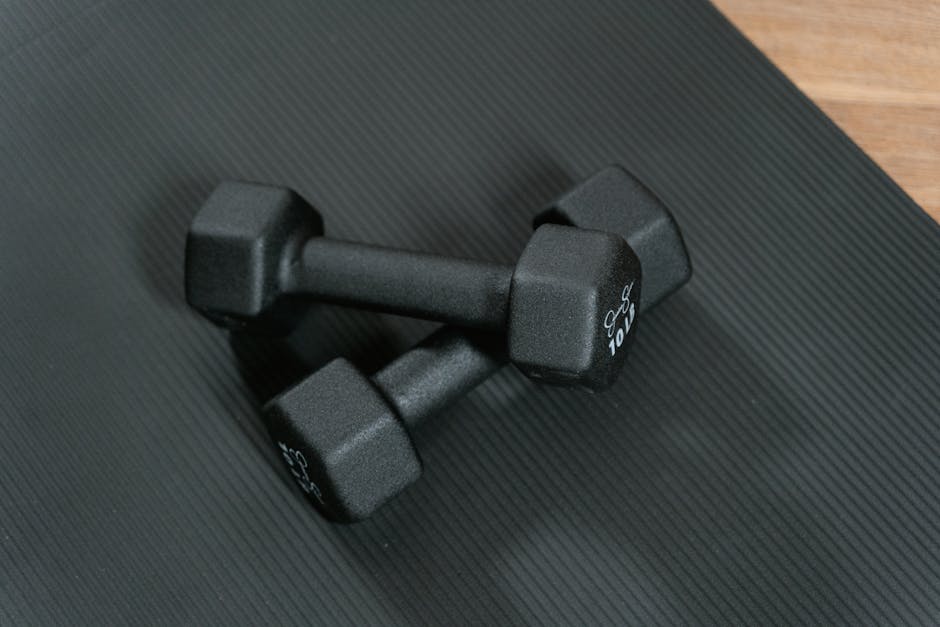
Consistency in your workouts means nothing without the right fuel to back it up. What you eat before and after training determines whether you build strength, sustain energy, or burn out halfway through a session. This guide walks you through smart meal prep techniques, pre-workout nutrition strategies, and delicious recipes that keep your fitness goals on track without taking over your kitchen or your budget.
Meal Prep 101: Basics for Beginners
Meal prep is the single most effective habit any fitness-minded home cook can build. It eliminates daily decision fatigue, reduces food waste, and ensures a healthy meal is always within reach. Start by setting aside one or two hours on the weekend to plan your menu for the week ahead.
- **Map out your week** before you shop — write down breakfasts, lunches, dinners, and snacks so you buy only what you need.
- **Keep it simple at first** — three or four base recipes you can mix and match across the week prevent early burnout.
- **Invest in good containers** — glass meal prep containers with secure lids keep food fresh longer and are safe for reheating.
Budget-friendly ingredients like canned beans, frozen vegetables, eggs, and bulk chicken thighs form the backbone of any affordable meal prep routine. Buying staples in larger quantities cuts cost per serving significantly. Start with a single protein, one grain, and two vegetables you can rotate throughout the week.
Pre-Workout Nutrition: Timing and Macros
Fueling your body before exercise requires more than just grabbing whatever is closest. Timing your meals correctly prevents stomach discomfort during training while maximizing the energy available to your muscles.
- Eat a **balanced meal with protein and carbs 2–3 hours before** a workout for sustained energy.
- For a **light snack 30–60 minutes before**, choose simple carbs like a banana or a few whole-grain crackers.
- Always **hydrate with 16–20 ounces of water** in the two hours leading up to your session.
Your pre-workout plate should emphasize **complex carbohydrates** for slow-burning fuel, a moderate amount of lean protein for muscle preservation, and minimal fat, which digests slowly and can cause GI distress during intense activity. A grilled chicken breast with sweet potato and steamed broccoli checks every one of these boxes cleanly.
Easy and Healthy Breakfast Ideas for Workouts
Morning workouts demand fast-digesting fuel that does not leave you feeling heavy. These breakfast options come together in under 15 minutes and pack the protein and carbs your body needs to perform and recover.
**Protein Smoothies:** Blend one cup of frozen mixed berries, one scoop of protein powder, one cup of milk or oat milk, and a tablespoon of almond butter. This delivers roughly 30 grams of protein and replenishes glycogen after overnight fasting. Add half a frozen banana for natural sweetness and extra potassium.
**Overnight Oats:** Combine one-half cup of rolled oats, two-thirds cup of milk, one tablespoon of chia seeds, and one tablespoon of maple syrup in a jar. Refrigerate overnight and top with fresh berries in the morning. Oats provide slow-releasing carbs ideal for longer morning workouts and the fiber keeps you satisfied until lunch.
**Quick Egg Dishes:** Scramble two eggs with spinach and one-quarter cup of cottage cheese for 20 grams of protein in under five minutes. Hard-boiled eggs prepared in advance offer a portable, no-cook option — boil a dozen at the start of the week and grab one or two as a pre-workout snack on busy mornings.
Lunch and Dinner Recipes for Fitness Goals
Lean proteins, colorful vegetables, and smart carbohydrate choices form the foundation of any fitness-focused dinner plate. Grilling and baking preserve flavor while keeping fat content manageable.
- **Bake chicken breast** at 425°F for 20–25 minutes with olive oil, garlic, and your favorite seasonings for a hands-off lean protein.
- **Grill salmon fillets** with lemon and dill for omega-3 fatty acids that support recovery and joint health.
- **Roast a sheet pan** of broccoli, bell peppers, and zucchini at 400°F for 15–20 minutes for a colorful, fiber-rich side.
| Carb Source | Protein (g per cup cooked) | Carbs (g per cup) | Best For |
|---|---|---|---|
| Quinoa | 8 | 40 | Post-workout recovery meals |
| Brown rice | 5 | 45 | Sustained energy, budget meals |
| Sweet potato | 4 | 26 | Pre-workout fuel, fiber boost |
| Whole wheat pasta | 7 | 37 | Hearty dinner recipes |
Snacking Strategies for Active Lifestyles
Strategic snacking between meals stabilizes blood sugar, curbs cravings, and powers the gap between lunch and an evening gym session. The key is choosing portable, nutrient-dense options that travel well.
- **Almonds and walnuts** provide healthy fats and protein in a handful.
- **String cheese and Greek yogurt** deliver calcium and casein protein that digests slowly.
- **Apple slices with peanut butter** combine natural fruit sugar with plant-based protein for balanced energy.
For pre-workout snacking, aim for **30–45 grams of carbohydrates** with a small amount of protein 30 minutes before training. A banana, two tablespoons of raisins, or half an energy bar are solid choices. Post-workout, prioritize **protein-to-carb ratio of roughly 1:3** to kick-start muscle recovery — chocolate milk, a smoothie, or a turkey and whole-grain cracker sandwich all fit the bill.
Meal Prep Tips for Busy Schedules
When your calendar is packed, meal prep must work smarter, not harder. Batch cooking is the single biggest time saver — prepare proteins like chicken breast, ground turkey, and hard-boiled eggs in large batches and store them in separate containers.
- **Freeze individual portions** in labeled freezer bags — thaw overnight in the fridge for a ready-to-heat meal the next day.
- **Use an instant pot or slow cooker** to cook grains and proteins unattended while you handle other tasks.
- **Organize your fridge by day and meal** — place containers front and center so you actually see and use them.
Essential tools that pay for themselves quickly include a sharp chef’s knife for fast chopping, glass storage containers with measurement markings, a decent digital food scale for portion control, and silicone Stasher bags for extending the life of prepped produce. These investments cost less than two takeout orders and make healthy eating effortless.
Food Safety and Meal Storage
Meal prep only works when your food stays safe to eat throughout the week. Mishandling leads to foodborne illness that can derail your training as surely as skipping a workout.
- **Refrigerate prepped items within two hours** of cooking — harmful bacteria multiply fastest at room temperature.
- **Keep your fridge at or below 40°F** and your freezer at 0°F or below for optimal food safety.
- **Label every container** with the dish name and prep date so nothing lingers past its prime.
Most meal prep recipes stay fresh for **3–4 days refrigerated** and **2–3 months frozen**. If you notice off smells, unusual textures, or any sign of mold, discard the item immediately — taste-testing is never worth the risk. Silicone Stasher bags remove air from storage containers, which dramatically slows bacterial growth and keeps produce fresher for days longer than standard baggies.
Frequently Asked Questions (FAQ)
What are some easy meal prep ideas for beginners?
Start with three straightforward recipes you can make in under 30 minutes: overnight oats for breakfast, grilled chicken with roasted vegetables for lunch and dinner, and homemade energy bites for snacks. These require minimal ingredients, basic cooking skills, and one sheet pan or skillet. As you build confidence, expand into batch-cooked grains, marinated proteins, and overnight slow-cooker recipes.
How can I make my meal prep routine more time-efficient?
Plan your weekly menu on a single notepad or notes app before shopping to avoid duplicate ingredients and last-minute decisions. Cook proteins and grains in large batches — an instant pot can handle dried beans, chicken breast, and hard-boiled eggs simultaneously. Prep all vegetables at once right after shopping, then store pre-chopped produce in clearly labeled containers for grab-and-use convenience throughout the week.
What are some budget-friendly meal prep ingredients?
Buy seasonal produce from your local grocery store or discount chain, choose store-brand proteins over name brands, and stock up on pantry staples like canned beans, rolled oats, and brown rice in bulk. Chicken thighs cost less than chicken breast and stay juicier during batch cooking. Frozen vegetables offer the same nutrition as fresh at a fraction of the price and require zero prep time.
Top Product Recommendations
| Product Name | Rating | Key Feature | Est. Price | Action |
|---|---|---|---|---|
| Top-rated meal prep containers set | ★★★★★ | Editor-recommended meal prep containers set from this guide | $18–$42 | Check Lowest Price on Amazon |
| Best-value protein powder for smoothies | ★★★★☆ | Affordable protein powder for smoothies — strong everyday results | $12–$28 | Check Lowest Price on Amazon |
| Premium silicone food storage bags | ★★★★☆ | Higher-end silicone food storage bags for visible, lasting results | $45–$95 | Check Lowest Price on Amazon |
Affiliate Disclosure: This post contains affiliate links. We may earn a commission if you buy through our links, at no extra cost to you. Medical Disclaimer: This content is for informational purposes only and is not medical advice. Consult a healthcare professional before changing diet or exercise.
Leave a Reply