Why Dietary Supplements Matter for Everyday Health
Many Americans struggle to get all the nutrients they need from food alone. Between busy schedules, processed food choices, and soil depletion reducing the nutritional value of produce, gaps in our diets are more common than most people realize. Dietary supplements offer a practical way to bridge those gaps and support overall health without overhauling your entire lifestyle. Whether you are looking to fill a specific nutritional deficiency, boost your energy levels, or simply maintain a balanced diet, supplements can play a meaningful role in your daily routine. This guide walks you through everything you need to know about choosing, using, and maximizing dietary supplements in your meals.
Choosing the Right Dietary Supplements
Not all supplements are created equal, and selecting the right ones starts with understanding your personal health goals. Are you trying to support bone health, improve digestion, increase your vitamin intake, or enhance athletic performance? Each goal points toward different types of supplements, so it helps to get clear on what you are trying to achieve before shopping. Look for third-party tested products with verified ingredient labels and avoid any supplement that makes unrealistic health claims. Reading the supplement facts label carefully matters — check the serving size, the form of the nutrient, and whether the daily value percentage meets your needs. Consulting with a healthcare provider before starting any new supplement is always a smart step, especially if you take prescription medications or have underlying health conditions.
Essential Types of Dietary Supplements to Know
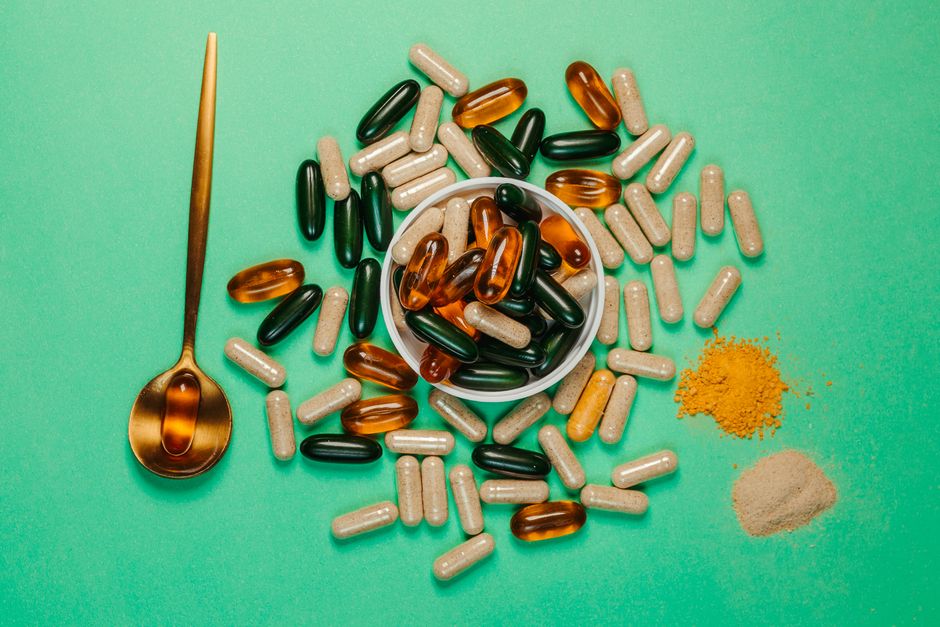
The supplement market is vast, but certain types appear in most American households. Multivitamins cover broad nutritional bases, while single-nutrient supplements like vitamin D, B12, iron, and calcium target specific deficiencies. Omega-3 fatty acid supplements support heart and brain health. Probiotic supplements promote gut health and digestion. Protein powders and amino acid supplements appeal to active individuals looking to meet their fitness goals. Magnesium supplements help with muscle function and sleep quality. Each category serves a different purpose, so matching the right supplement to your actual needs rather than buying whatever is trending produces the best results.
How to Incorporate Supplements Into Your Daily Meals
Adding supplements to your meals is easier than most people think, and doing so can improve absorption for certain nutrients. Fat-soluble vitamins like A, D, E, and K absorb better when taken with a meal that contains healthy fats. You can stir a powdered multivitamin into your morning oatmeal, blend vitamin C powder into a fruit smoothie, or add omega-3 capsules into a homemade salad dressing. For those who prefer whole-food approaches, nutritional yeast flakes work well as a savory topping for eggs, pasta, or roasted vegetables. Liquid supplements mix conveniently into beverages, making them a practical option for kids or anyone who has trouble swallowing pills. Planning your supplement schedule around your meals takes just a few minutes and can significantly improve how well your body uses those nutrients.
Delicious Smoothie Recipes Packed With Supplements
Smoothies are one of the easiest and most enjoyable ways to combine nutrition and supplements in a single meal. This berry protein smoothie works well as a quick breakfast or post-workout snack. Blend one cup of frozen mixed berries, one scoop of vanilla protein powder, one tablespoon of almond butter, one cup of unsweetened almond milk, and half a frozen banana. Add a sprinkle of ground flaxseed for extra fiber and omega-3 content. For a green-powered morning boost, blend spinach, a half avocado, one tablespoon of hemp seeds, half a cup of pineapple, one cup of coconut water, and a quality greens supplement powder. Both recipes take under five minutes and deliver a substantial nutritional punch that keeps you satisfied for hours.
Meal Prep Ideas for Supplement-Friendly Eating
Batch cooking makes it far easier to stick with a supplement-enhanced diet throughout the week. Prepare overnight oats in jars by combining rolled oats, chia seeds, Greek yogurt, and a scoop of your favorite unflavored protein powder. Store them in the fridge and grab one on your way out each morning. Mason jar salads with hard-boiled eggs, chickpeas, and leafy greens work well for lunch and travel fine in a bag. Batch-cook brown rice and quinoa together, then portion them into containers to pair with roasted vegetables and a protein source at dinnertime. Adding a daily multivitamin or supplement packet to your meal prep checklist ensures you never skip a dose even on your busiest days.
Budget-Friendly Supplement Options Worth Considering
You do not need to spend a fortune to get quality supplements. Generic store brands from reputable retailers often contain the same active ingredients as expensive name brands, simply without the premium packaging and marketing. Buying supplements in bulk from warehouse stores reduces the per-serving cost significantly. Checking for sales, using manufacturer coupons, and shopping at trusted online retailers can stretch your supplement budget further. Comparing the supplement facts labels between a budget option and a premium option will often reveal that the main difference is the price, not the quality. Subscribing and saving programs at major retailers also offer ongoing discounts that make daily supplementation much more affordable for families.
Smart Supplement Swaps for a Healthier Diet
One of the most effective ways to use supplements in the kitchen is to replace less nutritious ingredients with more nutrient-dense alternatives. Instead of using white flour in baking, try substituting a portion of it with protein powder or ground flaxseed to boost the fiber and protein content of your treats. Swap sugary granola for a homemade blend of rolled oats, chia seeds, and a touch of honey. Replace sour cream in recipes with Greek yogurt mixed with a probiotic supplement powder for a gut-friendly twist. Replacing sugary drinks with infused water that includes mineral supplement drops adds flavor and nutrition without the empty calories. These small ingredient swaps add up over time and contribute meaningfully to your overall nutritional intake.
Creative Serving Ideas for Family Meals
Getting the whole family on board with supplements is easier when you make them part of meals that everyone enjoys. Top whole-grain pasta with a creamy sauce made from blended cottage cheese, nutritional yeast, and a turmeric supplement for an antioxidant boost. Add a berry and spinach smoothie bowl to your weekend breakfast routine and let family members customize their toppings with seeds, nuts, and fresh fruit. Serve oven-baked chicken tenders coated in crushed almonds and seasonings alongside a side of roasted vegetables tossed with olive oil and garlic supplement capsules punctured into the dish. Presentation matters for kids and adults alike, so taking a moment to arrange meals attractively on the plate makes supplements feel less like a chore and more like an intentional part of cooking.
Understanding Supplement Quality and Safety
Not every supplement on the market meets high standards for purity and potency. Third-party testing organizations like NSF International, USP, and ConsumerLab provide certification that verifies a supplement contains what the label claims and is free from harmful contaminants. Reading customer reviews and checking the manufacturer\’s reputation also helps you avoid low-quality products. Avoid supplements that list proprietary blends without disclosing specific dosages, and steer clear of any product that promises miraculous results in an unreasonably short timeframe. Storing supplements properly — in a cool, dry place away from direct sunlight — preserves their effectiveness over time. Always check the expiration date before using any supplement, as potency decreases after that point.
Frequently Asked Questions (FAQ)
What are some common misconceptions about dietary supplements?
A major misconception is that supplements can fully replace a healthy diet. While supplements fill nutritional gaps, they work best when combined with a balanced eating plan rich in whole foods like vegetables, fruits, lean proteins, and whole grains. Another myth is that more is always better, but taking excessive amounts of certain fat-soluble vitamins can actually cause harm. Following recommended serving sizes and talking to a healthcare provider about your individual needs is the safest approach.
How can I ensure that I am getting the most out of my dietary supplements?
Consistency matters more than anything. Taking your supplements at the same time each day, preferably with a meal that contains fat for better absorption, builds a lasting habit. Storing them somewhere visible — next to your coffee maker or next to your toothbrush — helps you remember to take them. Tracking your supplement intake in a simple journal or phone app keeps you accountable and ensures you never miss a day.
Are there any potential side effects associated with taking dietary supplements?
Yes, some people experience side effects, particularly when first starting a new supplement or when taking high doses. Common mild side effects include digestive upset, nausea, or headaches. Certain supplements like iron can cause stomach irritation if taken without food, while others like magnesium may have a laxative effect at higher doses. Starting with a lower serving size and gradually increasing it allows your body to adjust. If you experience persistent or severe symptoms, stop taking the supplement and consult a healthcare professional right away.
Can I take multiple supplements at the same time?
In most cases, yes, but it is important to check for interactions between different supplements or between supplements and medications. Some minerals compete for absorption when taken together, so spacing out iron and calcium supplements by several hours improves how well your body uses both. A healthcare provider or pharmacist can help you design a supplement schedule that maximizes benefits and minimizes potential conflicts.
Top Product Recommendations
| Product Name | Rating | Key Feature | Est. Price | Action |
|---|---|---|---|---|
| Best Supplements Pick | ★★★★★ | Top-rated overall | $25–$45 | Check Lowest Price on Amazon |
| Budget Supplements Option | ★★★★☆ | Great for beginners | $12–$28 | Check Lowest Price on Amazon |
| Premium Supplements Choice | ★★★★☆ | Pro-level results | $50–$90 | Check Lowest Price on Amazon |
Affiliate Disclosure: This post contains affiliate links. We may earn a commission if you buy through our links, at no extra cost to you. Medical Disclaimer: This content is for informational purposes only and is not medical advice. Consult a healthcare professional before changing diet or exercise.
Leave a Reply