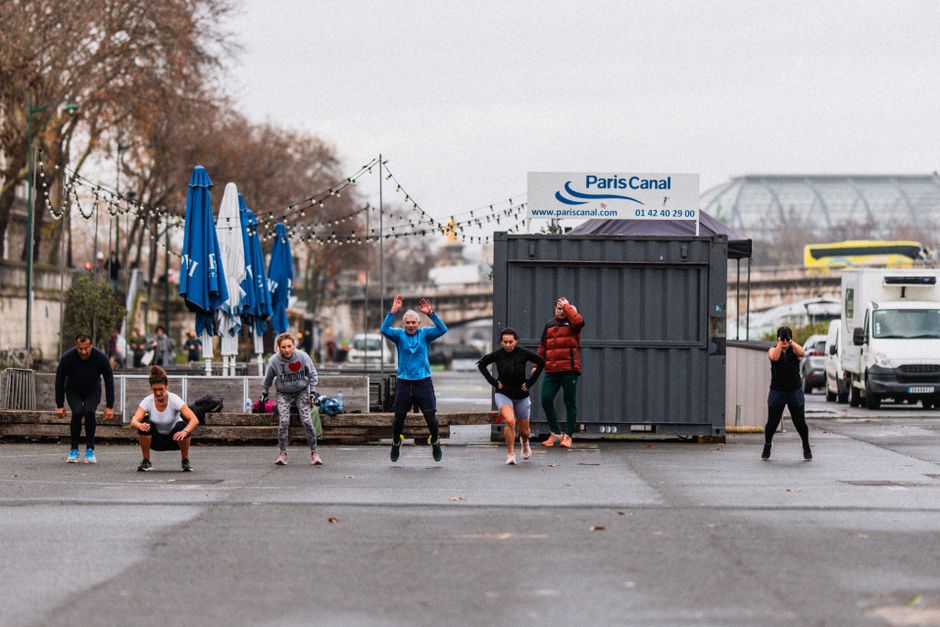
Why Low-Carb Nutrition Matters for Your Workouts
Fueling your **workouts** with the right nutrition can transform your fitness results. Low-carb eating supports fat-burning while preserving muscle mass, making it ideal for active Americans. When you reduce carbs and increase healthy fats and protein, your body adapts to use fat as its primary fuel source. This metabolic shift can enhance endurance and recovery. Many fitness enthusiasts find that low-carb meals help them maintain steady energy throughout the day without the crashes that come from high-sugar foods.
The key is choosing **nutrient-dense ingredients** that support your training goals. Focus on quality proteins like chicken, fish, eggs, and grass-fed beef. Add healthy fats from avocados, olive oil, nuts, and seeds. Include low-carb vegetables like spinach, broccoli, cauliflower, and zucchini for vitamins and minerals. These whole foods provide the building blocks your muscles need to recover and grow stronger after each training session.
Quick pick: Compare top-rated Workouts options.
Meal Prep for Busy Fitness Enthusiasts
Meal prepping saves time and keeps you on track with your nutrition goals. Start your Sunday by cooking **protein in bulk**—grill several chicken breasts, bake a large piece of salmon, or prepare a dozen hard-boiled eggs. Store these in portion-sized containers for grab-and-go convenience throughout the week. This approach costs less than buying prepared meals and gives you complete control over ingredients.
For breakfast before morning workouts, try a **veggie-packed omelet** made with three eggs, spinach, mushrooms, and cheese. Prep the vegetables the night before so you can cook it in under five minutes. Another quick option is Greek yogurt topped with a handful of almonds and a few berries. If you prefer something you can eat on the go, make egg muffins by whisking eggs with diced peppers, onions, and cooked sausage, then baking in a muffin tin.
Lunch options that fuel afternoon workouts include **lettuce-wrapped turkey burgers** with avocado and tomato. Make several patties at once and refrigerate them for the week. Pair with cucumber slices and ranch dressing made from Greek yogurt. Another budget-friendly choice is a large salad with grilled chicken, olive oil dressing, and plenty of colorful vegetables. Pack dressing separately to keep greens crisp until you’re ready to eat.
Budget-conscious meal prep means buying **seasonal vegetables** and proteins on sale. Chicken thighs cost less than breasts and contain more flavor and healthy fats. Frozen vegetables work just as well as fresh for most recipes and reduce waste. Buy eggs by the dozen, as they’re one of the most affordable complete proteins available. Batch-cook soups and stews on weekends, then freeze individual portions for quick weekday meals.
Protein-Packed Snacks for Optimal Muscle Recovery
Post-workout snacks should deliver **20-30 grams of protein** to support muscle repair. Homemade protein bars beat store-bought versions in both taste and cost. Mix almond butter with vanilla protein powder, add a handful of sugar-free chocolate chips, press into a pan, and refrigerate. Cut into bars and wrap individually for portable fuel. These bars cost about one dollar each compared to three or four dollars for commercial brands.
Protein shakes offer quick nutrition when you need it fast. Blend **unsweetened almond milk** with vanilla or chocolate protein powder, a tablespoon of heavy cream, and ice. Add a spoonful of cocoa powder or instant coffee for variety. For a thicker texture similar to a milkshake, include half an avocado or a quarter cup of full-fat Greek yogurt. This combination provides protein and healthy fats that satisfy hunger for hours.
Other satisfying post-workout snacks include **string cheese with pepperoni slices**, celery sticks filled with cream cheese, or a handful of mixed nuts. Keep individual portions in small bags or containers so you always have something ready after training. Beef jerky provides portable protein, though watch for added sugars in some brands. Hard-boiled eggs with everything bagel seasoning make another exc nt recovery snack that costs pennies per serving.
Low-Carb Dinners for Post-Workout Recovery
After an intense workout, your body needs substantial nutrition to rebuild and recover. **Sheet pan dinners** simplify cooking while delivering balanced macros. Place salmon fillets on a lined baking sheet, surround with broccoli florets and sliced bell peppers, drizzle everything with olive oil, season with garlic and herbs, then roast at 400°F for 20 minutes. This one-pan approach means minimal cleanup when you’re tired from training.
Ground beef offers versatility and affordability for weeknight meals. Brown a pound with diced onions and garlic, then add riced cauliflower, diced tomatoes, and Mexican spices for a **low-carb burrito bowl**. Top with shredded cheese, sour cream, and sliced avocado. This recipe feeds four people for under fifteen dollars and reheats beautifully for next-day lunches.
Rotisserie chicken from the grocery store provides ready-to-eat protein for busy evenings. Shred the meat and toss with Caesar dressing over chopped romaine lettuce for a classic salad. Use the carcass to make **bone broth** by simmering it with vegetables and apple cider vinegar for several hours. This nutrient-rich liquid supports joint health and recovery while costing almost nothing to make.
Zucchini noodles replace traditional pasta in many recipes. Spiralize two large zucchinis, sauté briefly in butter, then top with marinara sauce and Italian sausage. Sprinkle with parmesan cheese for a satisfying meal that takes fifteen minutes from start to finish. The vegetable base adds fiber and micronutrients without excess carbohydrates that might interfere with your training goals.
Carb Cycling: How to Optimize Your Workouts
Carb cycling involves alternating between **low-carb and higher-carb days** based on your training schedule. This strategy helps athletes maintain performance while still enjoying the benefits of low-carb eating. On heavy training days, increase your carb intake to fuel intense workouts and replenish glycogen stores. On rest days or light activity days, return to very low carb intake to promote fat burning and metabolic flexibility.
A typical weekly schedule might include **higher carbs on Monday, Wednesday, and Friday** when you do strength training or high-intensity intervals. Aim for 100-150 grams of carbs from sources like sweet potatoes, rice, or oats on these days. On Tuesday, Thursday, and weekend days with lighter activity, keep carbs under 50 grams to maintain ketosis. This approach gives your body the fuel it needs for performance while still spending most of the week in a fat-adapted state.
Timing matters when implementing carb cycling. Consume your extra carbs **around your workout window**—split between pre and post-training meals. For example, if you train at 6 PM, have a medium sweet potato with lunch and another serving with dinner. This strategic timing ensures the carbs support your training rather than being stored as fat. Keep protein and fat intake consistent across all days to maintain stable energy and satiety.
Adjust your carb intake based on **workout intensity and personal response**. If you feel sluggish during high-intensity training on low-carb days, you may need slightly more carbs on those days. If you’re not seeing fat loss progress, reduce the amount of carbs on higher-carb days or limit them to just two days per week. Track your energy levels, performance metrics, and body composition to find the sweet spot that works for your individual metabolism and training goals.
Sample Weekly Meal Plan for Active Lifestyles
Monday marks a heavy training day, so start with **scrambled eggs and a small serving of oatmeal** for breakfast. Mid-morning, have Greek yogurt with berries. Lunch features grilled chicken over mixed greens with olive oil dressing and a side of roasted sweet potato. Post-workout, drink a protein shake with a banana. Dinner includes grass-fed beef stir-fry with plenty of vegetables over cauliflower rice.
Tuesday is a rest day with lower carbs. Begin with a **three-egg omelet filled with cheese and spinach**. Snack on string cheese and almonds. Lunch consists of tuna salad wrapped in lettuce leaves with avocado slices. Afternoon snack features celery with almond butter. Dinner showcases baked salmon with roasted Brussels sprouts and a side salad with full-fat dressing.
Wednesday brings another training session, so include strategic carbs. Breakfast offers **protein pancakes made with eggs and protein powder** topped with a small amount of maple syrup. Mid-morning snack includes an apple with peanut butter. Lunch features turkey and cheese roll-ups with carrot sticks and hummus. Post-workout, eat a protein bar and some fruit. Dinner includes chicken thighs with roasted butternut squash and green beans.
| Day | Carbs | Training | Sample Dinner |
|---|---|---|---|
| Monday | 120g | Heavy | Beef stir-fry with sweet potato |
| Tuesday | 40g | Rest | Salmon with Brussels sprouts |
| Wednesday | 110g | Moderate | Chicken with squash |
| Thursday | 35g | Light | Pork chops with cauliflower |
| Friday | 130g | Heavy | Turkey burgers with rice |
| Saturday | 45g | Rest | Steak with asparagus |
| Sunday | 50g | Light | Shrimp with zucchini noodles |
Common Mistakes and How to Fix Them
Many people starting low-carb eating for workouts don’t consume **enough sodium and electrolytes**. When you reduce carbs, your body releases water and minerals, which can cause fatigue, headaches, and muscle cramps. Fix this by adding salt to your food, drinking bone broth, and considering an electrolyte supplement. These simple steps prevent the sluggish feeling some experience during the adaptation phase.
Another mistake involves **cutting fat too aggressively** while also keeping carbs low. Your body needs energy from somewhere, and if you restrict both carbs and fats, you’ll feel depleted and struggle through workouts. Include generous amounts of healthy fats like olive oil, avocados, nuts, butter, and fatty fish. These foods provide sustained energy and help you feel satisfied after meals.
Some athletes **don’t give their body enough time to adapt** before judging low-carb eating. It typically takes two to four weeks for your metabolism to become efficient at burning fat for fuel. During this transition, performance may temporarily dip. Push through this adaptation period rather than giving up after a few days. Most people find their energy and strength return to normal or even improve once fully adapted.
Underestimating **protein needs** represents another common error. Active individuals require more protein than sedentary people to support muscle repair and growth. Aim for at least 0.8 grams of protein per pound of body weight, and possibly more if you’re training intensely. Prioritize protein at every meal to meet these requirements without having to rely heavily on supplements.
Budget-Friendly Shopping Strategies
Buy **protein in bulk** when it goes on sale and freeze what you won’t use immediately. Ground beef, chicken thighs, and pork shoulder offer exc nt value. Eggs remain one of the cheapest protein sources available at roughly two dollars per dozen. Canned tuna and sardines provide affordable options for quick meals. Shopping sales and buying family packs typically saves 20-30% compared to individual portions.
Frozen vegetables cost less than fresh and last much longer without spoiling. **Bags of broccoli, cauliflower, and mixed vegetables** work perfectly for stir-fries, soups, and side dishes. The nutritional value matches fresh vegetables since they’re frozen at peak ripeness. Stock your freezer with multiple varieties so you always have vegetables available for any recipe.
Generic and store brands **deliver the same quality** as name brands for staples like cheese, butter, oils, and spices. Compare unit prices rather than package prices to find the best deals. Join your grocery store’s loyalty program to receive member-only discounts and digital coupons. Shopping at discount grocery chains or buying from wholesale clubs can significantly reduce your monthly food costs.
Grow your own herbs on a sunny windowsill to save money on expensive fresh herbs. **Basil, cilantro, and parsley** grow easily indoors and cost just a few dollars for seed packets that produce months of fresh herbs. Even a small garden or a few containers on a patio can yield zucchini, tomatoes, and peppers throughout the growing season, further reducing your grocery bills.
Frequently Asked Questions
Q: What are some good pre-workout snacks that are low in carbs?
A: Exc nt low-carb pre-workout snacks include **hard-boiled eggs**, string cheese with a few almonds, or Greek yogurt with a small handful of berries. A small serving of nut butter on celery provides quick energy without spiking blood sugar. Some athletes prefer a protein shake made with unsweetened almond milk and a scoop of protein powder consumed 30-60 minutes before training. Choose options that provide 10-15 grams of protein and some healthy fats for sustained energy.
Q: How can I meal prep for my workouts on a tight budget?
A: Start by **buying proteins on sale** and cooking them in large batches every Sunday. Focus on affordable options like chicken thighs, ground beef, and eggs. Use frozen vegetables instead of fresh to reduce waste and cost. Prepare simple meals that use the same base ingredients in different combinations throughout the week. Make a large pot of soup or chili that provides multiple servings for just a few dollars. Avoid pre-packaged convenience foods and prepare everything from scratch to maximize your budget.
Q: What are some easy, low-carb dinner options for after a workout?
A: Quick post-workout dinners include **sheet pan meals** with protein and vegetables roasted together, taking just 25 minutes total. Scrambled eggs with cheese and vegetables makes a fast, protein-rich dinner ready in five minutes. Rotisserie chicken from the grocery store paired with a bagged salad offers instant nutrition with zero cooking. Ground beef taco bowls over lettuce with all your favorite toppings come together in fifteen minutes and satisfy hunger after tough training sessions.
Top Product Recommendations
| Product Name | Rating | Key Feature | Est. Price | Action |
|---|---|---|---|---|
| Best Workouts Pick | ★★★★★ | Top-rated overall | $25–$45 | Check Lowest Price on Amazon |
| Budget Workouts Option | ★★★★☆ | Great for beginners | $12–$28 | Check Lowest Price on Amazon |
| Premium Workouts Choice | ★★★★☆ | Pro-level results | $50–$90 | Check Lowest Price on Amazon |
Affiliate Disclosure: This post contains affiliate links. We may earn a commission if you buy through our links, at no extra cost to you. Medical Disclaimer: This content is for informational purposes only and is not medical advice. Consult a healthcare professional before changing diet or exercise.
Leave a Reply