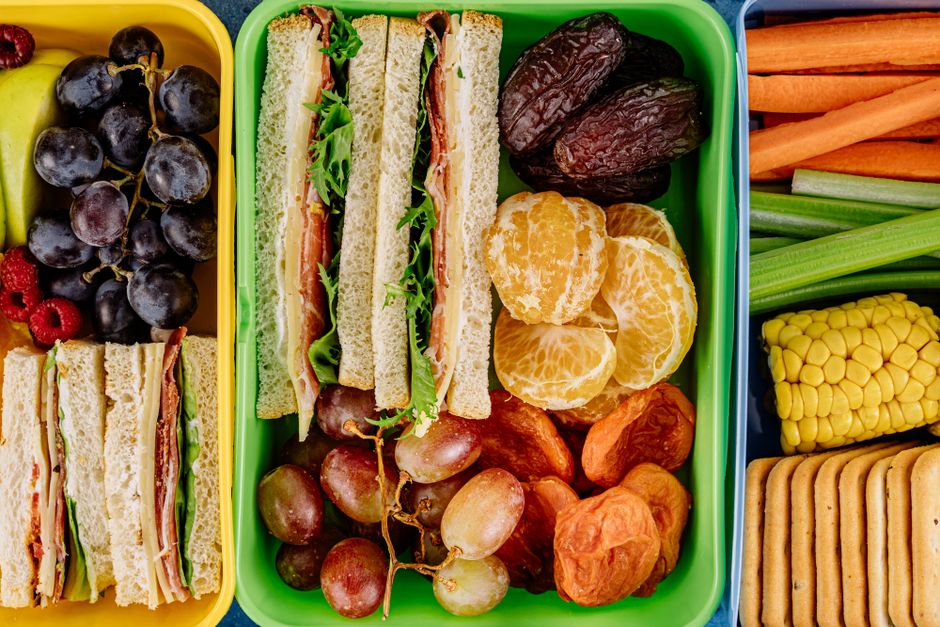
Weekly Meal Prep Schedule
A successful **high-protein meal plan** starts with smart scheduling. Mornings are ideal for batch cooking proteins like chicken breasts, hard-boiled eggs, and ground turkey. Cook large portions once and divide them into containers for the week ahead.
Evenings work best for assembly tasks. Chop vegetables, portion snacks into bags, and pack tomorrow’s lunch after dinner. This rhythm keeps prep manageable without overwhelming your schedule.
Adjust your plan around your life. Busy weekdays might feature simple reheated meals, while relaxed weekends allow for fresh cooking. Flexibility prevents burnout and keeps healthy eating sustainable.
Quick pick: Compare top-rated Meal Plan options.
Protein-Packed Breakfast Recipes
Scrambled eggs with spinach and feta deliver **20 grams of protein** per serving. Whisk three eggs, fold in fresh spinach, and top with crumbled feta. Cook over medium heat for fluffy texture in under five minutes.
Greek yogurt parfaits offer quick grab-and-go nutrition. Layer one cup plain Greek yogurt with granola and mixed berries. Add a drizzle of honey if desired, and you’ll get **15-20 grams of protein** depending on yogurt brand.
Overnight oats with chia seeds combine convenience with nutrition. Mix rolled oats, milk, chia seeds, and vanilla protein powder in a jar. Refrigerate overnight and top with almonds or walnuts before eating. This breakfast provides sustained energy and **25+ grams of protein**.
Lunch and Dinner Main Dishes
Grilled chicken with roasted vegetables is a **meal prep staple**. Season chicken breasts with garlic powder, paprika, and black pepper. Grill for 6-7 minutes per side until internal temperature reaches 165°F. Pair with roasted bell peppers, zucchini, and carrots tossed in olive oil.
Turkey and avocado wraps pack protein without heavy cooking. Spread hummus on a whole wheat tortilla, layer sliced deli turkey, avocado, lettuce, and tomato. Roll tightly and slice in half. Serve with a mixed green salad dressed with balsamic vinegar.
Baked salmon with quinoa delivers **omega-3 fatty acids** alongside protein. Season salmon fillets with lemon juice, dill, and salt. Bake at 400°F for 12-15 minutes. Serve over cooked quinoa with steamed broccoli for a complete nutrient-dense dinner.
Healthy Snack and Side Dish Options
Hard-boiled eggs paired with almonds create a **portable protein snack**. Boil a dozen eggs on Sunday and store in the refrigerator. Grab two eggs and a small handful of almonds for approximately 15 grams of protein between meals.
Carrot sticks with hummus satisfy crunchy cravings. Cut carrots into sticks and portion hummus into small containers. This combination provides fiber, protein, and healthy fats while keeping calories reasonable.
Apple slices with peanut butter balance sweet and savory. Use natural peanut butter without added sugar. Two tablespoons provides 8 grams of protein plus satisfying healthy fats that curb hunger.
Meal Prep Time-Saving Tips
Cooking in bulk transforms meal prep efficiency. Roast three pounds of chicken breasts simultaneously instead of cooking daily. Freeze individual portions in labeled containers and thaw as needed throughout the month.
Slow cookers offer **hands-off meal preparation**. Load ingredients in the morning, set on low, and return to ready-to-eat dinner. Pulled chicken, beef stew, and chili all freeze beautifully for future quick meals.
Prepping ingredients the night before saves morning chaos. Chop vegetables, measure oats, and pack lunch containers after dinner. Morning assembly takes minutes when components are ready, making healthy choices easier when rushed.
Ingredient Substitutions for Dietary Preferences
Swapping carbs for extra vegetables or protein suits low-carb diets. Replace pasta with zucchini noodles or spaghetti squash. Substitute rice with cauliflower rice to increase vegetable intake while maintaining meal volume.
Gluten-free and low-fat modifications accommodate various needs. Use corn tortillas instead of wheat wraps. Choose low-fat Greek yogurt or cottage cheese instead of full-fat versions to reduce calories while preserving protein content.
Adjusting seasoning for low-sodium diets requires creativity. Replace salt with herbs like rosemary, thyme, and oregano. Use citrus juice, garlic, and onion powder to enhance flavor without adding sodium.
Budget-Friendly Protein Sources
Eggs remain the most **economical protein source** at roughly $3 per dozen. Each egg provides 6 grams of protein, making them cost-effective for any meal. Buy in bulk when on sale and check expiration dates for freshness.
Canned tuna and salmon offer shelf-stable convenience. Stock up during sales for quick protein additions to salads and wraps. Rinse canned fish to reduce sodium content if following a low-salt diet.
Dry beans and lentils stretch protein budgets further. Cook large batches and freeze portions for future meals. Combine with rice for complete amino acid profiles in vegetarian meal plans.
Common Meal Prep Mistakes and Solutions
Over-seasoning ruins otherwise perfect batch cooking. Season lightly during initial cooking and adjust individual portions when reheating. This prevents waste from overly salty or spicy meals nobody wants to eat.
Improper storage causes food spoilage and safety concerns. Cool cooked food completely before refrigerating to prevent bacterial growth. Use airtight containers and consume refrigerated meals within 3-4 days maximum.
Skipping variety leads to meal prep burnout. Rotate proteins, vegetables, and seasonings weekly. Monday’s grilled chicken becomes Wednesday’s chicken fajitas when approached creatively with different spices and accompaniments.
Frequently Asked Questions
Q: How much protein should I eat daily for muscle maintenance?
A: Most adults need **0.8 grams of protein per kilogram** of body weight daily. Active individuals and those building muscle may require 1.2-2.0 grams per kilogram. A 150-pound person typically needs 55-110 grams depending on activity level.
Q: Can I meal prep for an entire week safely?
A: Yes, with proper storage techniques. Cooked proteins and vegetables stay fresh **3-4 days refrigerated**. Freeze portions for later in the week and thaw overnight in the refrigerator. Label containers with prep dates to track freshness.
Q: What kitchen tools make meal prep easier?
A: Invest in quality food storage containers with tight lids. A slow cooker handles batch cooking with minimal supervision. Sharp knives, cutting boards, and sheet pans streamline ingredient preparation and cooking efficiency.
Top Product Recommendations
| Product Name | Rating | Key Feature | Est. Price | Action |
|---|---|---|---|---|
| Best Meal Plan Pick | ★★★★★ | Top-rated overall | $25–$45 | Check Lowest Price on Amazon |
| Budget Meal Plan Option | ★★★★☆ | Great for beginners | $12–$28 | Check Lowest Price on Amazon |
| Premium Meal Plan Choice | ★★★★☆ | Pro-level results | $50–$90 | Check Lowest Price on Amazon |
Affiliate Disclosure: This post contains affiliate links. We may earn a commission if you buy through our links, at no extra cost to you. Medical Disclaimer: This content is for informational purposes only and is not medical advice. Consult a healthcare professional before changing diet or exercise.
Leave a Reply