Understanding Intermittent Fasting
**Intermittent fasting** is an eating pattern that cycles between periods of eating and fasting. Unlike traditional diets that focus on what you eat, intermittent fasting emphasizes when you eat. The approach has gained popularity among women seeking sustainable **weight-loss** strategies that fit naturally into busy lifestyles.
For women, intermittent fasting offers multiple benefits beyond weight management. Research shows it can improve metabolic health, increase energy levels throughout the day, and support healthy hormone balance. Many women report feeling more focused and productive during fasting hours once their bodies adapt to the schedule.
The female body responds differently to fasting than the male body due to hormonal fluctuations. Women should approach fasting gradually and pay attention to how their bodies respond. Start with shorter fasting windows and extend them as you become comfortable with the routine.
Quick pick: Compare top-rated Weight Loss options.
Choosing the 16/8 Fasting Schedule
The **16/8 method** involves fasting for 16 hours and eating during an 8-hour window each day. This schedule works perfectly for beginners because it includes sleep time in the fasting period. Most women choose to skip breakfast and eat between noon and 8 PM, though you can adjust these hours to match your lifestyle.
This fasting window is flexible enough to accommodate work schedules, social events, and family meals. If you prefer eating breakfast, you might fast from 8 PM to noon the next day. Working night shifts? Adjust your eating window to align with your sleep schedule and work hours.
Success with the 16/8 schedule requires consistency and planning. **Stay hydrated** by drinking water, black coffee, or unsweetened tea during fasting hours. Keep yourself busy with work, hobbies, or light activities to avoid focusing on hunger signals that often fade after the first week.
Preparing for Your First Fast
Your first fasting experience may feel challenging as your body adjusts to a new eating pattern. Expect mild hunger pangs, especially during your usual meal times. These sensations typically decrease significantly after three to five days as your body adapts to burning stored fat for energy.
Mental preparation matters just as much as physical readiness. Understand that temporary discomfort is normal and doesn’t mean something is wrong. Set realistic expectations and remind yourself that the adjustment period is temporary.
Before starting your fast, eat balanced meals rich in **protein, healthy fats, and fiber**. Avoid high-sugar foods and refined carbohydrates that cause blood sugar spikes and crashes. Stock your kitchen with nutritious whole foods for your eating window to make healthy choices easier.
Creating a Meal Plan for Fasting Days
Breaking your fast properly sets the tone for your eating window. Start with easily digestible foods like bone broth, a small salad with olive oil, or a handful of nuts. Wait 30 minutes before eating a full meal to allow your digestive system to wake up gradually.
Your meals during the eating window should be **nutrient-dense and satisfying**. Focus on lean proteins like chicken, fish, or tofu, paired with colorful vegetables and whole grains. Include healthy fats from avocados, nuts, seeds, and olive oil to promote satiety and hormone health.
Balancing your macronutrients ensures you get adequate calories without overeating. A typical meal might include grilled salmon with roasted vegetables and quinoa, or a large salad topped with grilled chicken, chickpeas, and tahini dressing. Plan two to three meals that total your daily caloric needs based on your activity level and weight-loss goals.
| Meal Component | Examples | Benefits |
|---|---|---|
| Lean Protein | Chicken, fish, eggs, legumes | Supports muscle maintenance |
| Healthy Fats | Avocado, nuts, olive oil | Increases satiety |
| Complex Carbs | Quinoa, sweet potato, oats | Provides sustained energy |
| Vegetables | Leafy greens, broccoli, peppers | Delivers essential nutrients |
Fasting and Exercise: What You Need to Know
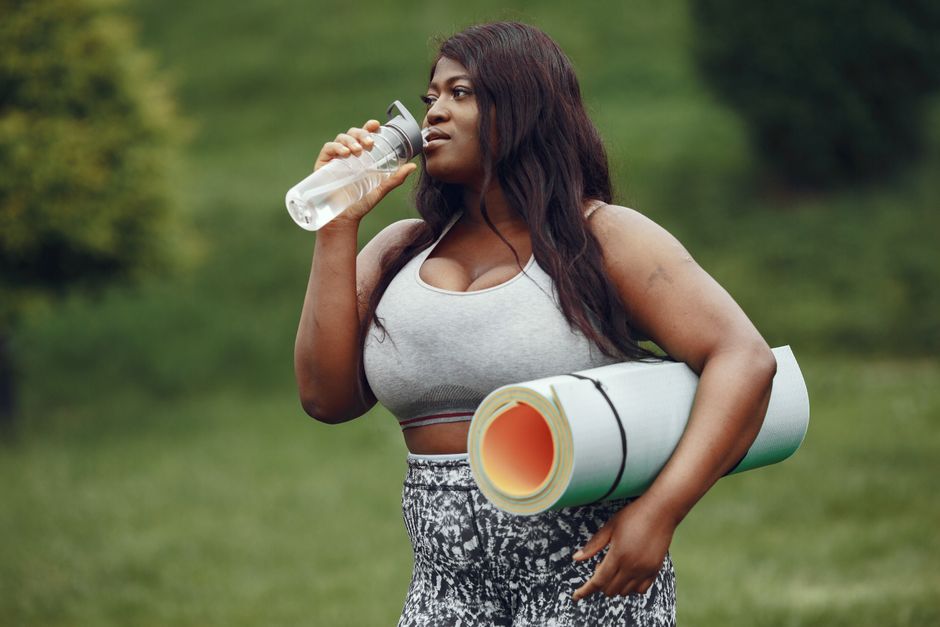
Women can absolutely exercise while practicing intermittent fasting. Many find they perform well during fasted workouts once adapted. **Light to moderate exercise** like walking, yoga, or swimming works well during fasting hours and can help reduce hunger.
High-intensity workouts are best scheduled during your eating window or shortly before breaking your fast. This timing allows you to refuel properly and support muscle recovery. Listen to your body and reduce intensity if you feel dizzy, weak, or unusually fatigued.
Staying motivated requires setting realistic fitness goals that complement your fasting schedule. Track your workouts in a journal or app to see progress over time. Remember that some days will feel harder than others, especially during your menstrual cycle when energy levels naturally fluctuate.
Staying Hydrated and Healthy While Fasting
**Proper hydration** is critical during fasting hours. Water helps suppress hunger, supports metabolic processes, and prevents dehydration-related headaches. Aim for at least eight glasses of water throughout the day, starting with a large glass when you wake up.
During fasting hours, you can drink water, black coffee, green tea, herbal tea, and sparkling water without breaking your fast. These beverages contain zero or negligible calories and can help you feel satisfied. Avoid adding cream, sugar, or artificial sweeteners that trigger insulin responses.
Recognize the difference between true thirst and boredom or habit-driven drinking urges. If you feel thirsty, drink water immediately. Add a pinch of sea salt to your water if you experience muscle cramps or dizziness, as these can indicate electrolyte imbalances.
Troubleshooting Common Fasting Issues
Hunger and cravings during fasting are common but manageable challenges. **Distract yourself** with activities like reading, working on a project, or going for a walk. Hunger often comes in waves that pass within 15 to 20 minutes if you don’t give in to them.
Headaches during the first week typically result from caffeine withdrawal, dehydration, or low blood sugar. Increase your water intake, maintain your normal caffeine consumption, and ensure you eat enough during your eating window. Most side effects resolve within a few days as your body adjusts.
Consult a doctor or registered dietitian before starting intermittent fasting if you have a history of eating disorders, diabetes, or hormonal imbalances. Pregnant or breastfeeding women should not practice intermittent fasting. Stop fasting and seek medical advice if you experience persistent dizziness, extreme fatigue, or menstrual irregularities.
Tracking Your Progress and Success
Keeping a detailed journal helps you identify patterns and stay accountable. Record your fasting hours, meals, energy levels, mood, and any challenges you face. Many **fasting apps** automate tracking and send reminders when your eating window begins and ends.
Weight loss is just one measure of success with intermittent fasting. Track other improvements like better sleep quality, increased mental clarity, reduced inflammation, and more stable energy throughout the day. Take body measurements and progress photos monthly to see changes that the scale might not reflect.
Celebrate small victories along your journey. Completing your first full week, fitting into clothes that were tight before, or noticing improved digestion all deserve recognition. Share your progress with supportive friends or online communities to stay motivated during challenging periods.
Frequently Asked Questions (FAQ)
Q: What is the difference between intermittent fasting and other types of diets?
A: Intermittent fasting focuses on when you eat rather than what you eat. Traditional diets restrict specific foods or macronutrients, while intermittent fasting allows you to eat normal foods within a designated time window. This approach often feels more sustainable because it doesn’t require giving up favorite foods permanently.
Q: Can I drink coffee or tea during my fasting hours?
A: Yes, black coffee and unsweetened tea are allowed during fasting hours. Both beverages contain minimal calories and won’t break your fast. They can actually help suppress appetite and boost metabolism. Avoid adding cream, milk, sugar, or artificial sweeteners, as these additions will break your fast.
Q: How long does it take to see results from intermittent fasting?
A: Most women notice initial changes within two to four weeks of consistent practice. Weight loss typically begins after the first week once your body adapts to the new eating pattern. Energy improvements and mental clarity often appear sooner, sometimes within the first few days. Sustainable weight loss of one to two pounds per week is a healthy and realistic goal.
Top Product Recommendations
| Product Name | Rating | Key Feature | Est. Price | Action |
|---|---|---|---|---|
| Best Weight Loss Pick | ★★★★★ | Top-rated overall | $25–$45 | Check Lowest Price on Amazon |
| Budget Weight Loss Option | ★★★★☆ | Great for beginners | $12–$28 | Check Lowest Price on Amazon |
| Premium Weight Loss Choice | ★★★★☆ | Pro-level results | $50–$90 | Check Lowest Price on Amazon |
Affiliate Disclosure: This post contains affiliate links. We may earn a commission if you buy through our links, at no extra cost to you. Medical Disclaimer: This content is for informational purposes only and is not medical advice. Consult a healthcare professional before changing diet or exercise.
Leave a Reply