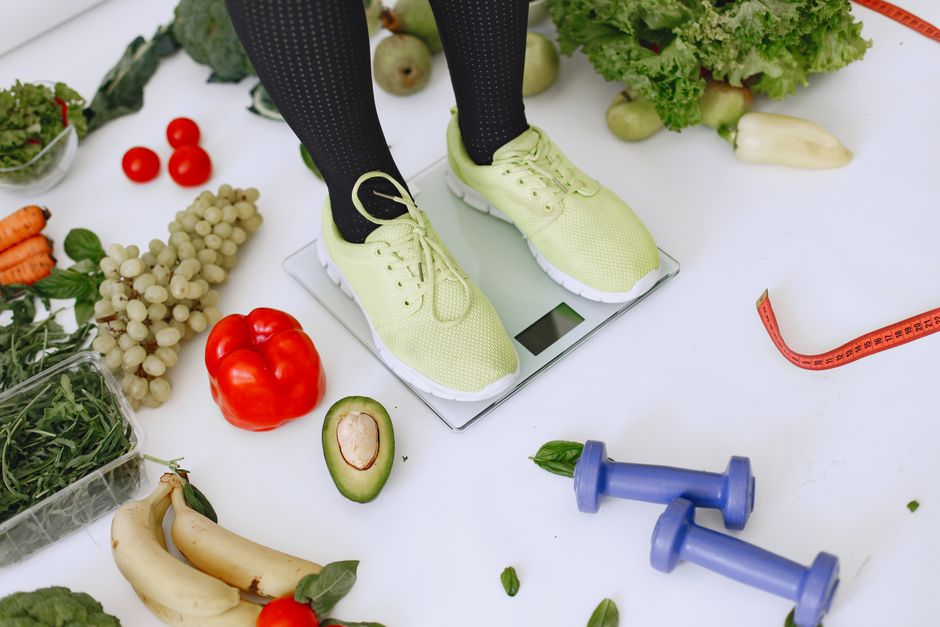
What Is Weight-Loss Meal Prep and Why Does It Matter?
Weight-loss meal prep is the practice of planning, shopping for, and preparing healthy meals in advance so you always have a nutritious option ready instead of reaching for convenience food. Instead of deciding what to eat in the moment — a decision that almost always leans toward processed snacks or takeout — you open your fridge and find pre-portioned containers filled with lean proteins, fiber-rich vegetables, and whole grains that support your goals. Meal prepping removes the impulse-driven choices that derail even the most dedicated weight-loss plans.
The core concept behind effective weight-loss meal prep is straightforward: you control portion sizes, ingredients, and cooking methods so every meal aligns with your calorie and macronutrient targets. When you batch-cook on a Sunday afternoon, you eliminate the 3 p.m. vending machine visit and the “I’ll just order something quick” trap that leads to calorie overspending. Most home cooks who commit to a structured meal prep routine report eating more vegetables, consuming fewer refined carbs, and maintaining a sustainable calorie deficit without feeling deprived.
Key components of a successful weight-loss meal prep routine include a realistic weekly menu, a well-organized grocery list, proper storage containers, and a few go-to recipes that taste good reheated. You do not need fancy equipment or professional culinary skills — you need consistency and a handful of recipes that are easy to scale up for the week ahead.
- Meal prep saves time during busy weekdays by eliminating daily cooking
- Pre-portioned containers help you track calorie intake without guessing
- Batch cooking reduces food waste and grocery spending
- Having healthy meals ready prevents impulse eating and poor food choices
Quick pick: Compare top-rated Weight Loss options.
Essential Ingredients for Weight-Loss Meal Prep
Stocking your kitchen with the right weight-loss ingredients is the foundation of every successful meal prep session. The goal is to build meals around lean proteins, high-fiber carbohydrates, and colorful vegetables while keeping saturated fat and added sugars to a minimum. When your pantry is filled with these staples, putting together a healthy meal takes minutes rather than hours.
**Proteins** are the most filling macronutrient, and they protect lean muscle mass while you create a calorie deficit. Chicken breast, ground turkey, white fish fillets, eggs, Greek yogurt, and tofu are all exc nt, budget-friendly choices. Canned tuna and salmon are pantry stars that cost less than fresh seafood and still deliver high-quality protein with omega-3 fatty acids. Legumes such as black beans, lentils, and chickpeas provide plant-based protein at a fraction of the cost of meat, and they double as fiber powerhouses that keep you full for hours.
**Vegetables** should make up at least half of your plate at every meal. Frozen broccoli, spinach, peppers, and green beans are just as nutritious as fresh varieties and cost significantly less. Seasonally, you can grab zucchini, asparagus, and butternut squash at farmer’s markets or discount grocery stores for pennies on the dollar compared to off-season prices. Root vegetables like sweet potatoes and carrots are affordable, shelf-stable for weeks, and roasted well in large batches.
**Whole grains** such as brown rice, quinoa, oats, and whole-wheat pasta provide sustained energy and fiber. Buying these in bulk bins or large bags cuts costs dramatically compared to individual serving packages. Steel-cut oats, for example, cost about $0.30 per serving and are incredibly filling — a major win for anyone watching their food budget while trying to lose weight.
Healthy and budget-friendly ingredient swaps:
| Instead of | Choose This | Savings Tip |
|---|---|---|
| Pre-packaged salad kits | Head lettuce + bulk vegetables | Save $4–$6 per salad |
| Chicken thighs | Chicken breast or whole rotisserie | Lower fat, same protein |
| Pre-cut produce | Whole vegetables + a $15 knife | Cut produce cost by 60% |
| Protein bars | Greek yogurt + nuts | $1 per serving vs. $3–$4 |
| White rice | Cauliflower rice blend | Lower calories, similar volume |
Meal Prep Time-Savers for Busy Home Cooks
One of the biggest objections people raise about meal prepping is the time investment required. The honest answer is that a full Sunday prep session takes most home cooks between 90 minutes and 3 hours — but that time replaces roughly 10 to 15 hours of weekday cooking and decision-making across the week. The efficiency payoff is enormous once you build a repeatable system.
**Batch cooking grains and proteins** is the single biggest time-saver in any meal prep routine. Cook a large pot of brown rice, roast two sheet pans of chicken breast and vegetables, and hard-boil a dozen eggs all at once. These base components form the foundation of dozens of meals when you mix and match them with different sauces, spices, and fresh garnishes throughout the week. A simple marinade of olive oil, lemon juice, garlic, and Italian herbs transforms plain chicken breast into three completely different-tasting meals when paired with different sides.
Investing in a few basic kitchen tools dramatically cuts prep time. A sharp chef’s knife reduces vegetable chopping from 15 minutes to 5 minutes. A slow cooker or Instant Pot makes hands-off protein cooking possible while you handle other tasks. A good food scale helps you portion meals accurately without guesswork, which directly supports your weight-loss goals by preventing accidental overeating.
Time-saving meal prep shortcuts for busy home cooks:
- **Wash and chop produce on Sunday** — store clean, dry vegetables in paper towel-lined containers to keep them fresh all week
- **Use frozen pre-chopped onions, peppers, and garlic** — sacrifice a small amount of flavor for major time savings
- **Pre-portion snacks into zip-top bags or small containers** — prevents mindless eating and makes calorie counting easy
- **Cook double portions on weeknight dinners** — turn tonight’s dinner into tomorrow’s lunch with zero extra effort
- **Use a whiteboard or phone app for your weekly menu** — knowing exactly what you are cooking eliminates mid-week decision fatigue
Nutritional Information for Weight-Loss Meals
Understanding the nutritional content of your meals is what separates random healthy eating from a targeted weight-loss strategy. You do not need to become a nutritionist or memorize every micronutrient, but you do need a working understanding of calorie counts, macronutrient ratios, and how they relate to your body’s energy needs.
A calorie deficit — consuming fewer calories than your body burns — is the fundamental requirement for weight loss. The average moderately active adult burns roughly 2,000 to 2,500 calories per day, which means most people aiming to lose weight should target 1,400 to 1,800 calories daily, depending on their starting point and activity level. Meal prep shines here because restaurant and takeout meals routinely contain 800 to 1,500 calories per serving without any nutritional labeling to warn you. When you build your own meals, you know exactly what goes in them.
**Macronutrient balance** matters as much as total calories. Adequate protein intake — roughly 0.5 to 0.8 grams per pound of body weight — preserves muscle mass during a calorie deficit and keeps appetite satisfied. Carbohydrates provide energy for workouts and daily activities, while healthy fats support hormone production and nutrient absorption. A balanced plate for weight loss typically looks like: one quarter lean protein, one quarter complex carbohydrates, and one half vegetables.
Reading nutrition labels carefully before adding ingredients to your grocery list helps you make informed choices. Pay attention to serving sizes, which are often smaller than what you actually eat. Added sugars, sodium, and saturated fat accumulate quickly in processed foods, even those marketed as “healthy” or “low-fat.” Comparing the nutrition facts panel between similar products — Greek yogurt versus regular yogurt, for instance — reveals surprising differences in protein and sugar content that directly affect your weight-loss progress.
| Nutrient | Why It Matters for Weight Loss | Best Food Sources |
|---|---|---|
| Protein | Builds lean muscle, increases satiety | Chicken, fish, eggs, Greek yogurt, legumes |
| Fiber | Slows digestion, keeps you full | Vegetables, whole grains, beans, berries |
| Healthy Fats | Supports hormones, adds flavor | Olive oil, avocado, nuts, seeds |
| Complex Carbs | Sustained energy, not blood sugar spikes | Brown rice, quinoa, sweet potatoes, oats |
Budgeting for Weight-Loss Meals
Eating healthy for weight loss does not have to strain your wallet. In fact, many of the most nutritious weight-loss foods — beans, eggs, oats, seasonal vegetables, and whole chickens — are among the least expensive items in any grocery store. The key is shifting your purchasing habits away from convenience-oriented processed foods and toward whole ingredients that require a little more preparation but cost far less per serving.
**Cost-effective ingredients** that deliver high nutritional value per dollar include dried beans and lentils, which cost as little as $0.10 to $0.20 per serving when cooked from dry. Eggs provide high-quality protein at roughly $0.25 to $0.35 per egg. Whole chickens are cheaper per pound than pre-cut chicken parts and can be roasted whole, yielding both breast meat for one meal and dark meat for another. Frozen vegetables are nutritionally equivalent to fresh and often cost half as much, especially when bought in large bags.
Strategic grocery shopping slashes your food budget without sacrificing nutrition. Buying produce in season typically cuts costs by 30 to 50 percent compared to off-season imports. Shopping the perimeter of the store — where fresh produce, proteins, and dairy are located — keeps you away from expensive processed snacks and sugary beverages. Using store loyalty cards and shopping discount grocers such as Aldi can reduce your weekly grocery bill by 20 to 40 percent, and those savings compound significantly over months of consistent meal prepping.
Meal planning strategies to reduce food waste and save money:
- **Plan your weekly menu before shopping** — a written list prevents impulse purchases that add up fast
- **Shop the sales and build meals around what’s discounted** — proteins and produce go on sale in predictable cycles
- **Use every part of your ingredients** — vegetable scraps make stock, overripe bananas freeze well for smoothies
- **Cook from dry beans and grains** — dried legumes cost a fraction of canned versions and have less sodium
- **Embrace batch cooking** — one big Sunday session produces $50 to $80 worth of meals that cover 10 to 14 meals
Easy and Delicious Weight-Loss Recipes
This is where meal prep becomes genuinely enjoyable. The most effective weight-loss meal plan is one you can stick to, which means the food has to taste good. These recipes are built around accessible ingredients, simple techniques, and bold flavors that hold up beautifully after reheating.
Quick and Healthy Breakfast Ideas
**Greek yogurt parfaits** layered with plain Greek yogurt, a handful of fresh or frozen berries, a drizzle of honey, and a quarter-cup of granola or chopped almonds make a protein-packed breakfast in under two minutes. One parfait delivers 20 to 25 grams of protein for roughly 280 calories and keeps you full well past your morning commute. Prep these in small jars on Sunday night and grab one from the fridge on your way out the door.
**Veggie egg muffins** are a breakfast meal prep staple. Whisk 8 to 10 eggs with a splash of milk, pour into a greased muffin tin, and divide chopped spinach, bell peppers, mushrooms, and a sprinkle of cheese among the cups. Bake at 350°F for 20 to 22 minutes. You get 10 portable egg muffins for roughly $0.50 each, each packed with 8 grams of protein and multiple servings of vegetables. Store them in the fridge for five days or freeze individual portions for up to three months.
**Overnight oats** in mason jars combine rolled oats, almond milk, chia seeds, and a touch of maple syrup or vanilla extract. Layer with sliced banana, a dollop of almond butter, or cinnamon-spiced apples. Leave them in the fridge overnight and they are ready to eat cold in the morning. A single jar costs about $1.50 and provides 15 grams of fiber and 12 grams of protein — a breakfast that genuinely moves the needle on your weight-loss goals.
Nutritious and Satisfying Lunch Options
**Mediterranean chicken bowls** combine grilled or baked chicken breast over a base of brown rice or quinoa with cucumber, cherry tomatoes, red onion, feta cheese, kalamata olives, and a lemon-herb vinaigrette. One bowl totals approximately 450 calories with 40 grams of protein and five servings of vegetables. Batch-prep these bowls in divided compartments and they stay fresh in the fridge for four days without any texture degradation.
**Black bean and corn salad** tossed with diced tomatoes, red bell pepper, cilantro, lime juice, and a small amount of olive oil makes a high-fiber, plant-based lunch that travels well. Serve over a bed of mixed greens or wrapped in a whole-wheat tortilla. Each serving provides 14 grams of fiber and 15 grams of protein for just $1.75 per serving, making it one of the most cost-effective weight-loss meals you can batch-prep.
Low-Calorie Dinner Recipes
**Baked salmon with roasted vegetables** is a weeknight-friendly dinner that requires minimal active cooking time. Season salmon fillets with lemon, dill, and garlic, arrange on a sheet pan alongside halved Brussels sprouts and sweet potato cubes, and roast at 400°F for 18 to 22 minutes. One serving delivers roughly 380 calories, 35 grams of protein, and a full day’s worth of vitamin C from the vegetables. Double the recipe and portion into containers for two nights of effortless dinner prep.
**Turkey and vegetable stir-fry** over cauliflower rice keeps dinner around 320 calories while delivering 30 grams of lean protein. Ground turkey browned with ginger, garlic, low-sodium soy sauce, and sesame oil, tossed with snap peas, shredded carrots, and broccoli, and served over riced cauliflower takes under 20 minutes start to finish. This meal reheats perfectly and tastes even better the next day as the flavors meld overnight.
Healthy Snacks for Weight Loss
Strategic snacking is an underrated tool in weight-loss meal prep. The right snacks bridge the gap between meals, prevent blood sugar crashes that trigger overeating, and add meaningful nutrition to your daily intake. The critical distinction between helpful and harmful snacks is whether they contain protein, fiber, or both — foods that actually move the needle on fullness versus empty-calorie options that spike blood sugar and leave you hungry an hour later.
**Homemade snacks** consistently outperform store-bought options in both nutrition and cost. Roasted chickpeas seasoned with smoked paprika and garlic powder provide 7 grams of protein and 6 grams of fiber per half-cup serving for about $0.35. Hard-boiled eggs prepped in advance in the fridge offer 6 grams of protein each for roughly $0.25. A small handful of mixed nuts — almonds, walnuts, and cashews — delivers healthy fats and 4 to 5 grams of protein per ounce, which satisfies cravings without derailing your calorie budget.
Comparing homemade and store-bought snacks:
| Snack | Homemade | Store-Bought |
|---|---|---|
| Trail mix | $0.50/serving (nuts + dried fruit) | $2.50–$4.00/serving |
| Protein bar | $1.00–$1.50 each | $2.50–$4.00 each |
| Veggie sticks + hummus | $0.75/serving | $3.00–$4.50/serving |
| Greek yogurt cup | $0.80/serving | $1.50–$2.50/serving |
| Hard-boiled eggs | $0.25 each | $1.00–$1.50 each |
**Snack prep strategy**: Portion snacks into small containers or zip-top bags on Sunday evening alongside your main meal prep. Label each container with the day of the week and snack type. This eliminates the temptation to eat directly from larger packages, which consistently leads to overeating even with healthy foods.
Meal Prep Containers and Storage Best Practices
The containers you use for meal prep directly affect both food safety and your motivation to eat what you have prepared. Glass containers with secure lids are the gold standard — they do not absorb odors, are microwave and dishwasher safe, and last for years, making them more economical than disposable alternatives despite a higher upfront cost. BPA-free plastic containers are lighter and less breakable, which makes them better for transporting meals to work or the gym.
Proper food storage temperature is a non-negotiable aspect of meal prep safety. The USDA recommends keeping your refrigerator at or below 40°F and your freezer at or below 0°F. Most meal prep recipes keep well in the refrigerator for three to five days. If you are prepping more than five days ahead, freezing individual portions is the smarter strategy — most cooked grains, proteins, and roasted vegetables freeze and reheat beautifully within a two-month window.
Reheating and storing weight-loss meals best practices:
- **Let hot food cool to room temperature before refrigerating** — placing steaming-hot food directly in the fridge forces your appliance to work harder and raises the internal temperature of surrounding foods
- **Label every container with the dish name and date** — foods beyond their prime lose both flavor and nutritional quality
- **Reheat foods to an internal temperature of 165°F** to ensure food safety, especially for poultry and ground meats
- **Avoid freezing dishes with high water content** — zucchini, cucumber, and lettuce-based salads do not thaw well; keep these fresh for the end of the week
- **Invest in a set of nesting containers** — they stack neatly in the refrigerator and make rotation easy, so older meals get eaten first
Frequently Asked Questions (FAQ)
Q: What are some healthy and budget-friendly ingredients for weight-loss meals?
A: Some of the most budget-friendly weight-loss ingredients include dried beans, lentils, eggs, whole chickens, frozen vegetables, oats, brown rice, and canned tuna. These items provide high-quality protein, fiber, and essential micronutrients at a fraction of the cost of pre-packaged diet foods. Buying in bulk and choosing seasonal produce further reduces costs without sacrificing nutritional value.
Q: How can I save time and money while meal prepping for weight loss?
A: Save time by batch-cooking grains, proteins, and roasted vegetables all at once on a single prep day. Use frozen pre-chopped produce to cut active cooking time. Save money by purchasing whole ingredients instead of pre-cut or convenience products, shopping sales cycles, and using store loyalty programs. One 90-minute Sunday prep session can generate 10 to 14 meals, dramatically reducing both your weekly workload and your food spending.
Q: What are some easy and delicious recipes for weight-loss meals?
A: Easy weight-loss recipes include Greek yogurt parfaits for breakfast, Mediterranean chicken bowls or black bean salad for lunch, and baked salmon with roasted vegetables or turkey stir-fry over cauliflower rice for dinner. Each of these recipes takes under 30 minutes to prepare, scales easily for batch cooking, and delivers 25 to 40 grams of protein per serving while staying under 500 calories.
Q: How long do meal prep containers stay fresh in the refrigerator?
A: Most cooked meal prep dishes stay fresh in the refrigerator for three to five days when stored in airtight containers at or below 40°F. For longer storage, freeze individual portions and consume them within two months for best quality. Dishes with fresh greens or high-water-content vegetables should be prepared toward the end of the week to avoid mushy or discolored ingredients.
Top Product Recommendations
| Product Name | Rating | Key Feature | Est. Price | Action |
|---|---|---|---|---|
| Top-rated meal prep containers set | ★★★★★ | Editor-recommended meal prep containers set from this guide | $18–$42 | Check Lowest Price on Amazon |
| Best-value slow cooker instant pot | ★★★★☆ | Affordable slow cooker instant pot — strong everyday results | $12–$28 | Check Lowest Price on Amazon |
| Premium cauliflower rice substitute | ★★★★☆ | Higher-end cauliflower rice substitute for visible, lasting results | $45–$95 | Check Lowest Price on Amazon |
Affiliate Disclosure: This post contains affiliate links. We may earn a commission if you buy through our links, at no extra cost to you. Medical Disclaimer: This content is for informational purposes only and is not medical advice. Consult a healthcare professional before changing diet or exercise.
Leave a Reply