
30 Day Home Workout Challenge for Fat Loss (No Gym Needed)

Understanding Fat Loss Basics
Before you lace up your sneakers, it helps to understand the simple science driving fat loss. The core principle comes down to calories in versus calories out. When your body burns more energy than it takes in, it taps into stored fat for fuel. This does not mean starving yourself or surviving on salads alone. Instead, it means making smart, consistent choices that create a modest daily deficit.
**Exercise plays a critical role in this process.** Workouts that elevate your heart rate and build lean muscle mass help your body burn more calories even when you are resting. Strength training is particularly powerful because muscle tissue requires more energy to maintain than fat tissue. Over time, a combination of cardio and resistance workouts accelerates your metabolism and reshapes your body composition.
Before starting the challenge, estimate your daily calorie needs using an online calculator. A general starting point for moderately active adults is roughly 2,000 calories per day for women and 2,500 for men. From there, subtract 300 to 500 calories to create a safe deficit. Adjust as you go, but this gives you a working baseline.
Quick pick: Compare top-rated Workouts options.
Preparing for the 30-Day Challenge
Setting realistic goals is the single most important step before starting any fitness program. Telling yourself you want to lose 20 pounds in 30 days sounds motivating in theory, but it sets you up for disappointment. A healthy, sustainable rate of fat loss is 1 to 2 pounds per week. Over 30 days, aiming to lose 3 to 6 pounds through exercise and smart eating is realistic and rewarding.
Create a weekly workout schedule that fits your lifestyle. Block out 20 to 30 minutes, five days a week, and treat these sessions like appointments you cannot cancel. Consistency beats intensity early on. A 20-minute workout done every single day produces far better results than a 90-minute session done twice a week.
**You do not need an expensive home gym to get real results.** A few affordable pieces of equipment go a long way:
- Resistance bands for progressive tension
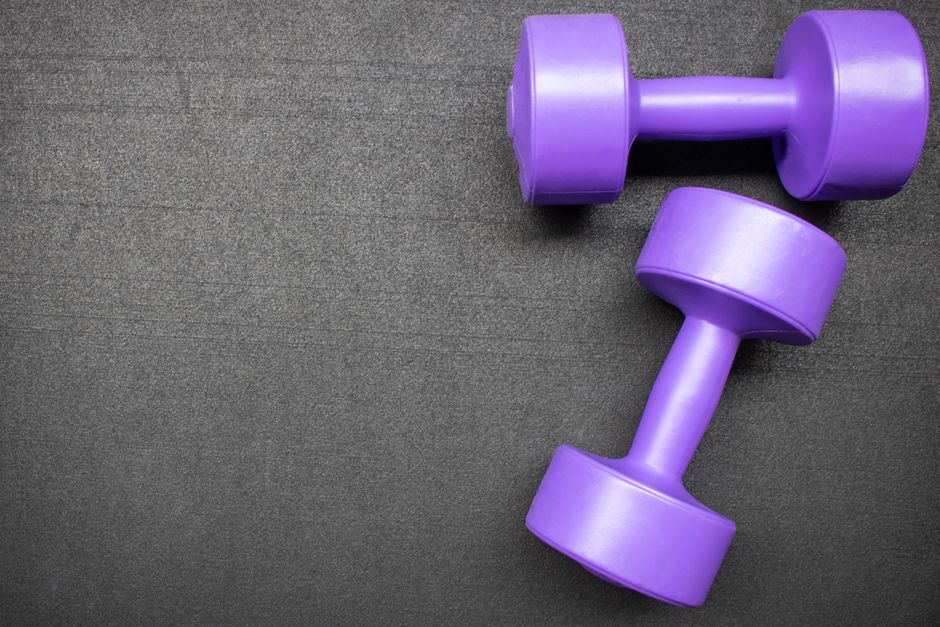
- A set of dumbbells in two or three weight increments
- A quality yoga mat for comfort and floor work
These tools add variety and progressive overload without taking up closet space. For more structured guidance on building your weekly plan, explore our workouts category for routines suited to home environments.
Week 1: Building the Foundation
The first week is about building habits, not setting records. Every session should begin with a 5-minute warm-up. March in place, swing your arms, and gently rotate your hips. This prepares your joints and raises your body temperature safely.
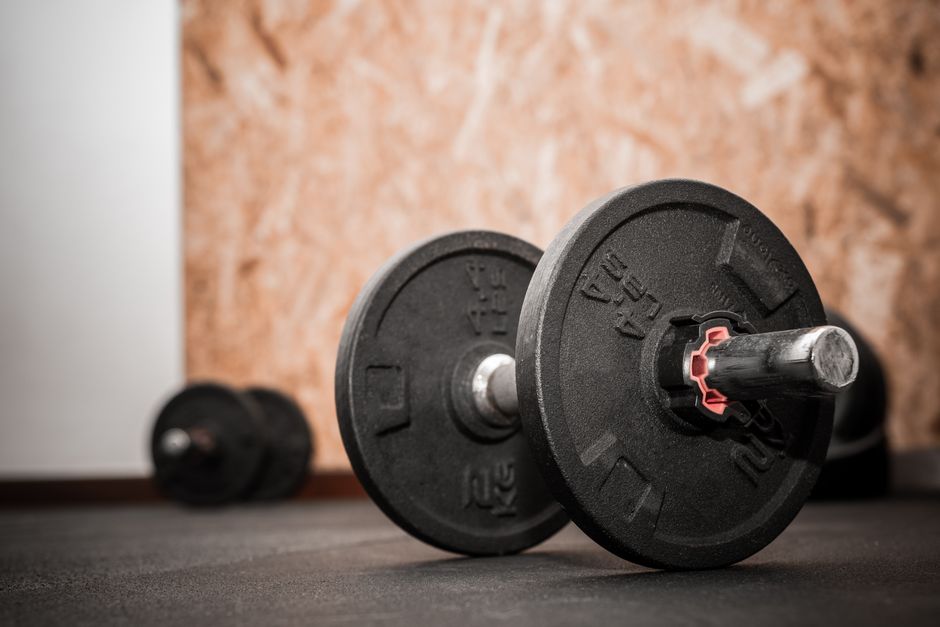
Initial workouts should combine light cardio with basic strength exercises. Jumping jacks, bodyweight squats, wall push-ups, and high knees are exc nt starting points. Perform each exercise for 30 seconds, rest for 15 seconds, and repeat the circuit three times. Keep intensity moderate. You should be breathing harder than normal but still able to hold a conversation.
**Tracking your progress matters more than you might expect.** Write down the exercises you complete, the number of sets, and how you feel afterward. Use a simple notebook or a free phone app. Seeing improvement week over week, even small wins, keeps motivation high and helps you spot patterns when results plateau.
Week 2: Intensifying the Workouts
By week two, your body starts adapting. What felt hard in Week 1 now feels manageable. This is the perfect time to introduce high-intensity interval training, or **HIIT**. HIIT alternates short bursts of intense effort with brief rest periods, maximizing calorie burn in minimal time.
A simple HIIT routine for home involves sprinting in place for 30 seconds, then walking or resting for 60 seconds. Repeat this cycle 6 to 8 times. Give maximum effort during the sprint phase. Your heart rate should spike quickly, and you should feel genuinely winded by the end of each sprint.
For strength training, add resistance by using heavier dumbbells or switching from standard bands to thicker ones. Increase sets or add 2 to 3 extra repetitions per exercise. Small progressive overload signals your muscles to grow and your metabolism to rev up. Keep rest periods between sets short — around 30 to 45 seconds — to maintain an elevated heart rate throughout.
Week 3: Fueling Your Progress with Smart Nutrition
Training hard only takes you so far if your diet does not support your efforts. Nutrition accounts for roughly 80 percent of your fat loss results, which is why this week centers on eating smart. The goal is not a restrictive crash diet. Instead, focus on eating whole, nutrient-dense foods that keep you satisfied while reducing overall calorie intake.
**Meal prepping is a game changer for busy people.** Dedicate an hour on Sunday to prepare grilled chicken breast, roasted vegetables, and whole grains like brown rice or quinoa. Divide them into containers and store them in the refrigerator. When hunger hits, you have a healthy option ready in minutes, which reduces the temptation to order takeout.
Simple food swaps cut calories without feeling deprived:
- Replace sour cream with Greek yogurt in sauces and dips
- Swap white bread for whole grain bread
- Use olive oil instead of butter when cooking
- Replace sugary sodas and juices with sparkling water with lemon
These small changes accumulate into significant daily calorie reduction that supports every workout you complete.
Week 4: Pushing Your Limits
The final week challenges you to test the limits built over the previous three weeks. Advanced bodyweight exercises such as pistol squats, burpees, plyometric lunges, and diamond push-ups push strength and endurance to new levels. If a full burpee feels too difficult, modify by stepping back instead of jumping, and stepping forward instead of jumping up. Modify now, advance when ready.
Burpees deserve special mention because they are one of the most effective total-body exercises you can do without equipment. A single burpee combines a squat, a plank, a push-up, and a jump into one fluid movement. It engages your legs, core, chest, and shoulders while simultaneously elevating your heart rate to near-maximum levels. Start with 5 to 8 reps, rest 45 seconds, and repeat for 3 to 4 rounds.
**Plateaus are normal around the four-week mark.** If your weight loss slows or stops, try swapping one steady-state cardio session for a HIIT workout, adjusting your calorie intake slightly, or changing resistance exercises to target different muscle angles. Sometimes increasing rest periods to push harder during fewer sets is enough to break through.
Frequently Asked Questions (FAQ)
What is the best time of day to work out?
The best time is whenever you can stick to a consistent schedule. Some people prefer morning workouts because energy levels are highest and the session is complete before daily distractions interfere. Others find afternoon or evening workouts more effective after a meal. Morning, afternoon, or evening — what matters most is that you show up regularly.
Can I do this challenge if I have a medical condition or injury?
If you have a medical condition, a past injury, or concerns about your current fitness level, consult your doctor or a licensed physical therapist before starting. Many exercises in this program can be modified to accommodate various limitations. Do not push through sharp pain. Modify movements to protect your joints and muscles while still getting a productive workout.
How can I prevent boredom and keep my workouts interesting?
Rotate between different cardio formats every few days to keep things fresh. Alternate between HIIT days, steady cardio days, and bodyweight circuit training. Play upbeat music or follow free online workout videos to add variety. Changing your environment — moving your mat to a different room or stepping outside for a warm-up — also helps reset your mental engagement and reduces monotony.
What equipment do I absolutely need to complete the 30-day challenge?
Honestly, you can complete the entire challenge with zero equipment. Bodyweight exercises like squats, lunges, push-ups, and planks are the foundation of the program. However, adding resistance bands or a set of dumbbells gives you more options for progressive overload as you advance through the weeks. Start with what you have and add equipment gradually if needed.
How soon will I see results?
Most people notice increased energy and better sleep within the first week. Visible changes in body composition typically appear within 2 to 3 weeks, especially if you combine these home workouts with the nutrition strategies outlined above. Remember that sustainable fat loss is a gradual process — trust the routine and stay patient with yourself.
Do I need to follow a specific meal plan to lose fat?
No single meal plan works for everyone, but the principles remain consistent: prioritize protein, fill up on vegetables, choose whole grains over refined carbs, and manage portion sizes. Use the calorie baseline from the first section as a starting point, and adjust based on your rate of progress. Small, consistent dietary improvements compound over the full 30 days and drive meaningful results alongside your workouts.
Top Product Recommendations
| Product Name | Rating | Key Feature | Est. Price | Action |
|---|---|---|---|---|
| Top-rated resistance bands set home workout | ★★★★★ | Editor-recommended resistance bands set home workout from this guide | $18–$42 | Check Lowest Price on Amazon |
| Best-value adjustable dumbbells for home gym | ★★★★☆ | Affordable adjustable dumbbells for home gym — strong everyday results | $12–$28 | Check Lowest Price on Amazon |
| Premium yoga mat non slip | ★★★★☆ | Higher-end yoga mat non slip for visible, lasting results | $45–$95 | Check Lowest Price on Amazon |
Affiliate Disclosure: This post contains affiliate links. We may earn a commission if you buy through our links, at no extra cost to you. Medical Disclaimer: This content is for informational purposes only and is not medical advice. Consult a healthcare professional before changing diet or exercise.
