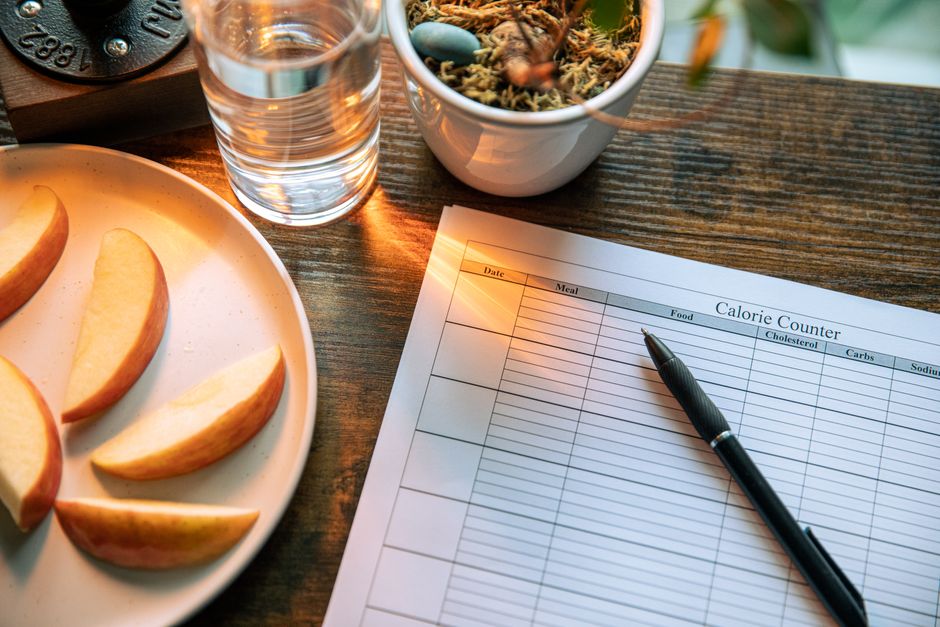
Understanding Your Calorie Needs
Creating an effective meal plan for weight loss starts with understanding how many calories your body needs each day. Your daily calorie requirements depend on factors like age, gender, activity level, and current weight. Most adults need between 1,800 and 2,400 calories daily to maintain their weight, but for weight loss, you’ll typically reduce this by 500-750 calories per day to lose 1-1.5 pounds weekly.
Calculating your **basal metabolic rate (BMR)** gives you the baseline calories your body burns at rest. Add your activity level to determine your total daily energy expenditure (TDEE). Online calculators make this process simple, or consult with a registered dietitian for personalized guidance. Once you know your maintenance calories, subtract 20-25% to create a sustainable deficit.
Macronutrients play a crucial role in your weight loss journey. Aim for **40% carbohydrates, 30% protein, and 30% healthy fats** as a starting point. Protein helps preserve muscle mass during weight loss, carbs fuel your workouts and daily activities, and fats support hormone production and nutrient absorption. Adjust these ratios based on how your body responds and your personal preferences.
Editor’s pick: meal prep containers glass — compare options and current availability.
Planning Your Meals
A well-structured weekly meal plan eliminates guesswork and reduces the temptation to grab unhealthy convenience foods. Start by dedicating one day each week to plan your meals, create a shopping list, and prep ingredients. This upfront investment saves time and keeps you on track throughout the busy week ahead.
**Meal prep and batch cooking** are game-changers for weight loss success. Cook large portions of protein sources like grilled chicken, baked salmon, or turkey meatballs on Sunday. Chop vegetables, cook grains like quinoa or brown rice, and portion snacks into containers. Having ready-to-eat components makes assembling balanced meals quick and effortless during hectic weekdays.
Swapping ingredients strategically reduces calories without sacrificing flavor or satisfaction. Replace sour cream with Greek yogurt, use cauliflower rice instead of white rice, and swap ground beef for lean ground turkey. Use cooking spray instead of oil when possible, and choose open-faced sandwiches to cut bread calories in half. These simple substitutions add up to significant calorie savings over time.
Breakfast Recipes
High-protein breakfasts keep you satisfied until lunch and prevent mid-morning energy crashes. Try a **veggie-packed egg scramble** with spinach, tomatoes, and mushrooms paired with whole grain toast. Greek yogurt parfaits layered with berries and a sprinkle of granola deliver protein and antioxidants. Cottage cheese topped with sliced peaches and a drizzle of honey provides 25+ grams of protein to start your day strong.
Low-calorie breakfast ideas don’t mean skimping on taste or volume. Overnight oats made with unsweetened almond milk, chia seeds, and cinnamon come in under 300 calories but keep you full for hours. Smoothie bowls blended with frozen berries, protein powder, and a handful of spinach topped with sliced almonds offer nutrition and visual appeal. Two-egg omelets with vegetables and a side of fresh fruit make a complete meal under 350 calories.
For busy mornings, prepare **grab-and-go options** that travel well. Hard-boiled eggs paired with an apple take seconds to pack. Homemade egg muffins baked in a muffin tin with vegetables and turkey sausage can be made ahead and reheated quickly. Protein smoothies blended the night before and stored in mason jars are ready when you rush out the door.
Lunch Recipes
Quick and easy salads with protein form the foundation of many successful weight loss meal plans. Build a **mason jar salad** by layering dressing at the bottom, followed by hearty vegetables like cucumbers and bell peppers, grains like farro, protein such as grilled chicken or chickpeas, and leafy greens on top. When ready to eat, shake and pour into a bowl. These stay fresh for 4-5 days in the refrigerator.
Healthy wraps and sandwiches satisfy without derailing your calorie goals. Use large lettuce leaves or low-carb tortillas as wraps filled with sliced turkey, avocado, shredded carrots, and hummus. Open-faced sandwiches on whole grain bread with tuna salad made with Greek yogurt instead of mayo save calories while delivering protein and fiber. Add a side of raw vegetables with tzatziki for crunch and satisfaction.
When eating out or packing lunch for work, stick to **protein-forward choices** that travel well. Grilled chicken salads with dressing on the side allow portion control. Soup and salad combinations provide volume without excessive calories. If ordering sandwiches, request no cheese and extra vegetables, and save half for another meal. Bring pre-portioned nuts and fruit to round out restaurant meals that may be lower in produce.
Dinner Recipes
Nutritious and filling entrees anchor your evening meal and prevent late-night snacking. **Baked salmon** with roasted Brussels sprouts and sweet potato wedges delivers omega-3 fatty acids, fiber, and complex carbs in one balanced plate. Slow cooker chicken chili made with lean ground chicken, black beans, tomatoes, and spices can simmer all day and feeds a family. Sheet pan dinners with protein and vegetables seasoned with herbs require minimal cleanup.
Low-carb dinner options work well for those who prefer lighter evening meals. Zucchini noodles topped with turkey meatballs and marinara sauce satisfy pasta cravings with a fraction of the calories. Cauliflower crust pizza loaded with vegetables and a modest amount of cheese lets you enjoy pizza night guilt-free. Lettuce wrap tacos filled with seasoned ground turkey, salsa, and avocado provide Mexican flavors without the tortilla calories.
Preparing meals the whole family enjoys prevents cooking multiple dinners and reduces temptation to stray from your plan. **Stir-fries** with chicken, shrimp, or tofu and colorful vegetables over brown rice appeal to various taste preferences. Build-your-own taco bowls with seasoned protein, beans, rice, and toppings let each family member customize their plate. Grilled chicken breast prepared plain can be portioned for your meal plan while the rest of the family adds sauces or breading.
Healthy Snacking
Choosing nutritious snacks between meals stabilizes blood sugar and prevents overeating at main meals. Focus on **protein and fiber combinations** that deliver staying power. Apple slices with almond butter, celery sticks with hummus, or a small handful of mixed nuts paired with berries provide balanced nutrition. Greek yogurt with a sprinkle of granola or a protein bar with at least 10 grams of protein and less than 200 calories make convenient options.
Controlling portion sizes prevents healthy snacks from becoming calorie bombs. Pre-portion trail mix, crackers, and cheese into small containers or bags rather than eating from large packages. Use measuring cups until you can eyeball appropriate serving sizes accurately. A food scale helps with calorie-dense foods like nuts, nut butters, and cheese where a few extra grams significantly impact your calorie intake.
Satisfying snack ideas include **air-popped popcorn** seasoned with nutritional yeast for a cheesy flavor with minimal calories. Cucumber rounds topped with cottage cheese and everything bagel seasoning provide crunch and protein. Frozen grapes or banana slices satisfy sweet cravings with natural sugar and fiber. Rice cakes topped with mashed avocado and a sprinkle of sea salt deliver healthy fats and complex carbs.
Eating Out and Special Occasions
Making healthy choices when dining out requires planning but doesn’t mean avoiding restaurants entirely. Review menus online before arriving to identify **grilled, baked, or steamed options** rather than fried foods. Request sauces and dressings on the side to control portions. Start with a broth-based soup or side salad to take the edge off hunger before your entree arrives. Ask for a to-go container when your meal is served and immediately pack half for tomorrow’s lunch.
Navigating holiday meals and parties tests your commitment but becomes easier with strategies in place. Eat a protein-rich snack before attending events to avoid arriving ravenous. Survey all food options before filling your plate, then choose your favorites mindfully. **Fill half your plate with vegetables**, a quarter with lean protein, and a quarter with starches or treats. Sip water or unsweetened beverages between alcoholic drinks to stay hydrated and reduce liquid calories.
Staying on track during special occasions means enjoying celebrations without derailing weeks of progress. Plan for indulgences by eating lighter earlier in the day and adding extra physical activity. Practice the **80/20 rule** where you eat according to your meal plan 80% of the time and allow flexibility for special meals 20% of the time. One celebratory meal won’t undo your progress, but returning to your structured plan the next day prevents one meal from becoming a week-long detour.
Staying Hydrated
Water intake plays a critical role in weight loss by supporting metabolism, reducing water retention, and helping you feel full. Aim for **64-96 ounces of water daily**, adjusting for activity level and climate. Drinking a glass of water before meals can reduce calorie intake by helping you recognize fullness cues more accurately. Proper hydration also prevents mistaking thirst for hunger, a common reason for unnecessary snacking.
Infused water and unsweetened tea recipes add variety without adding calories. Create refreshing combinations like **cucumber-mint water**, lemon-ginger water, or berry-basil infusions by adding fresh ingredients to a pitcher and refrigerating for several hours. Green tea, black tea, and herbal teas provide antioxidants and variety. Iced herbal teas with a squeeze of lemon make satisfying alternatives to sugary beverages during hot weather.
Avoiding high-calorie beverages eliminates hidden calories that don’t provide satiety. A single flavored latte can contain 300-500 calories, equivalent to a small meal. Regular sodas, sweetened iced teas, fruit juices, and energy drinks add hundreds of empty calories daily. Switch to **black coffee, unsweetened tea, sparkling water, or water with fruit** to save calories for satisfying foods instead. If you enjoy alcohol, limit intake to one or two drinks weekly and choose lower-calorie options like wine spritzers or spirits with soda water.
Frequently Asked Questions
Q: What is the best time to eat meals for weight loss?
A: The best meal timing depends on your personal schedule and hunger patterns, but consistency matters more than specific times. Most people benefit from eating within an hour of waking to jumpstart metabolism, having lunch midday, and finishing dinner 2-3 hours before bed. Spreading calories across 3-4 meals with 1-2 snacks prevents extreme hunger and overeating. Some individuals succeed with intermittent fasting approaches, while others need more frequent meals to maintain energy and avoid binges.
Q: How can I meal prep for a week in just a couple of hours?
A: Efficient meal prep focuses on batch cooking versatile components rather than complete meals. Spend 2 hours on Sunday cooking 2-3 protein sources like grilled chicken, hard-boiled eggs, and baked tofu. Chop vegetables for the week and store in containers with damp paper towels. Cook 2-3 grain options and portion into containers. Prepare overnight oats or egg muffins for breakfasts. With these components ready, you can assemble different meals throughout the week in minutes by mixing and matching ingredients with different seasonings and sauces.
Q: What are some healthy and tasty meal plan options for vegetarians or vegans?
A: Plant-based meal plans for weight loss center on **legumes, tofu, tempeh, and seitan** as protein sources. Breakfast options include tofu scrambles with vegetables, smoothie bowls with plant-based protein powder, or peanut butter overnight oats. Lunch ideas feature lentil soups, chickpea salad sandwiches, or quinoa bowls with roasted vegetables and tahini dressing. Dinners might include black bean burgers, vegetable stir-fries with tofu over brown rice, or zucchini noodles with white bean marinara. Snacks like edamame, hummus with vegetables, or roasted chickpeas provide protein and fiber to keep you satisfied between meals.
Top Product Recommendations
| Product Name | Rating | Key Feature | Est. Price | Action |
|---|---|---|---|---|
| Top-rated meal prep containers glass | ★★★★★ | Editor-recommended meal prep containers glass from this guide | $18–$42 | Check Lowest Price on Amazon |
| Best-value food scale digital kitchen | ★★★★☆ | Affordable food scale digital kitchen — strong everyday results | $12–$28 | Check Lowest Price on Amazon |
| Premium protein powder plant based | ★★★★☆ | Higher-end protein powder plant based for visible, lasting results | $45–$95 | Check Lowest Price on Amazon |
Affiliate Disclosure: This post contains affiliate links. We may earn a commission if you buy through our links, at no extra cost to you. Medical Disclaimer: This content is for informational purposes only and is not medical advice. Consult a healthcare professional before changing diet or exercise.
Leave a Reply