
What the 16:8 Schedule Actually Means for Women
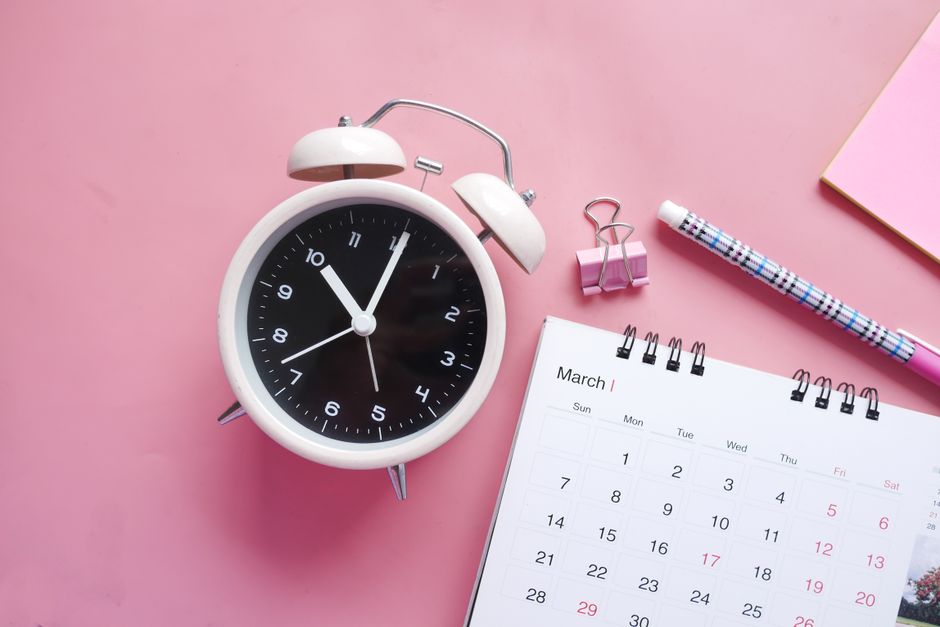
The **intermittent fasting 16 8 schedule for beginners women** splits your day into a 16-hour fasting period and an **8-hour eating window**. If you stop eating at 8 PM, you simply don’t eat again until noon the next day — no special foods, no calorie counting required to start. Women’s hormonal rhythms add a layer of nuance here, making 16:8 a smarter entry point than stricter protocols.
Your **cortisol and estrogen levels** fluctuate across your cycle, which affects hunger at different points in the month. Research suggests women respond better to slightly shorter fasting windows than men, which is exactly why 16:8 fits so well. The two most beginner-friendly options are **12 PM–8 PM** (skip breakfast, eat lunch through dinner) and **10 AM–6 PM** (earlier first meal, earlier cutoff).
One critical clarification: fasting does not mean starving. **Total daily calories still matter** for weight loss — the eating window just makes it easier to eat less without feeling deprived. If you’re researching your options, browsing the full range of [weight-loss strategies](https://sieunjaye.blog/category/weight-loss/) can help you find the right fit.
—
Editor’s pick: intermittent fasting meal prep containers — see current prices and reviews.
Why Women Specifically Benefit From the 16:8 Approach
Two hunger hormones — **ghrelin** (triggers hunger) and **leptin** (signals fullness) — become better regulated with consistent fasting patterns. For women, this often means fewer random cravings and less late-night snacking, which is one of the top frustrations reported by beginners. After roughly 12 hours of fasting, your body begins shifting toward **fat oxidation**, burning stored fat for energy instead of circulating glucose.
The extra four hours beyond that 12-hour mark is where the fat-burning benefit compounds. Compared to stricter protocols like **OMAD** or **5:2 fasting**, 16:8 creates the least daily friction. You still eat twice a day, you can eat socially, and you don’t have to white-knuckle through 500-calorie days.
—
Choosing Your Eating Window: A Practical Time-Block Guide
Your eating window should match your **actual daily life**, not a generic internet schedule. A morning person hungry by 9 AM will struggle with a noon start — a 9 AM–5 PM window works better for her.
| Lifestyle Type | Suggested Window | First Meal | Last Meal |
|---|---|---|---|
| Morning person / early riser | 9 AM – 5 PM | 9 AM breakfast | 5 PM early dinner |
| Standard office worker | 12 PM – 8 PM | Noon lunch | 8 PM dinner |
| Night owl / late schedule | 2 PM – 10 PM | 2 PM brunch | 10 PM dinner |
| Work-from-home parent | 10 AM – 6 PM | 10 AM first meal | 6 PM family dinner |
If your first window choice feels brutal after two weeks, **shift it by one hour** in either direction and give that version another 10 days before judging. Weekends are the trickiest — aim to stay within two hours of your weekday window rather than abandoning it entirely. A Sunday brunch at 10 AM when your window usually opens at noon is totally fine.
—
What to Eat Inside Your 8-Hour Window
**Protein comes first** — it preserves lean muscle while your body burns fat and keeps you full longer than any other macronutrient. Budget-friendly protein anchors include chicken thighs, eggs, canned tuna, Greek yogurt, and cottage cheese. Aim for **25–35 grams of protein per meal** as a starting target.
Fiber-rich vegetables are your calorie-efficient satiety tool. Broccoli, spinach, zucchini, cauliflower, and cabbage add volume without meaningfully adding calories. Healthy fats — **avocado, olive oil, a small handful of nuts** — slow digestion and push back the next hunger signal.
- **Prioritize:** eggs, chicken thighs, canned fish, Greek yogurt, legumes
- **Fill half your plate with:** leafy greens, roasted vegetables, cruciferous vegetables
- **Use fats strategically:** olive oil for cooking, ¼ avocado as a topping, 1 oz nuts as a snack
- **Limit:** white bread, flavored rice cakes, sweetened protein bars, fruit juice
—
A Simple 7-Day Beginner Meal Plan for 16:8
This plan uses a **12 PM–8 PM window** as the default — adjust the times to your chosen window. All meals are achievable on a weeknight in under 30 minutes of active cooking.
- **Day 1:** Noon — 2 scrambled eggs + sautéed spinach + ½ avocado toast on whole grain. Dinner — Sheet-pan chicken thighs with roasted broccoli and brown rice.
- **Day 2:** Noon — Greek yogurt parfait with berries and walnuts. Dinner — Canned tuna pasta with olive oil, garlic, and cherry tomatoes.
- **Day 3:** Noon — Cottage cheese bowl with sliced cucumber, cherry tomatoes, and everything bagel seasoning. Dinner — Ground turkey taco bowls over cauliflower rice.
- **Day 4:** Noon — Leftover taco bowl reheated. Dinner — Baked salmon with roasted asparagus and a small sweet potato.
- **Day 5:** Noon — 3-egg omelet with mushrooms and feta. Dinner — Lentil soup with crusty whole grain bread.
- **Day 6:** Noon — Protein smoothie with spinach, frozen berries, and almond milk. Dinner — Stir-fried chicken and vegetables with brown rice.
- **Day 7:** Noon — Batch-cooked grain bowl. Dinner — Turkey burger lettuce wrap with a side salad.
**Sunday batch prep** makes the week far easier. Cook one protein, one grain, and two roasted vegetable trays — that covers four to five lunches and sides with zero daily cooking. A full week of groceries runs **under $75** at most US grocery chains when you lean on frozen vegetables, canned fish, and store-brand dairy.
—
Breaking Your Fast the Right Way: First-Meal Formula
The first meal you eat sets your **hunger tone for the entire window**. Break your fast with something highly processed or high in sugar, and you’ll fight cravings all day. The reliable formula is: **protein + fiber + healthy fat**.
**Five fast-break meals ready in under 15 minutes:**
1. 2-egg scramble with salsa, spinach, and ½ avocado
2. Plain full-fat Greek yogurt with frozen berries and hemp seeds
3. Canned salmon on whole grain crackers with sliced cucumber
4. Cottage cheese bowl topped with cherry tomatoes and an olive oil drizzle
5. Protein shake blended with spinach, frozen mango, almond milk, and 1 tbsp almond butter
**Do not break your fast with:** fruit juice, plain bagels, sweetened coffee drinks, pastries, or cereal. These spike blood sugar fast and crash it faster, leading to hunger within an hour.
—
The Best Last Meal Before Your Fasting Window
Your **last meal** has to carry you through 16 hours — the goal is slow digestion, stable blood sugar overnight, and enough satisfaction that you’re not lying awake hungry. Slow-digesting proteins combined with complex carbohydrates like sweet potato, lentils, or whole grain pasta create a lasting fullness effect.
**Dinner ideas under 500 calories that still feel satisfying:**
- Baked cod fillet with roasted zucchini and ½ cup brown rice (~420 cal)
- Turkey meatballs over zucchini noodles with marinara (~390 cal)
- Lentil and vegetable soup with one slice of whole grain bread (~450 cal)
- Grilled chicken salad with olive oil dressing, avocado, and chickpeas (~480 cal)
For **portion sizing without a food scale**, use the hand method: protein = palm size, starchy carbs = cupped hand, vegetables = two fists, fat = thumb. It’s not perfect, but it’s accurate enough for most women eating in a moderate calorie range.
—
The 5 Beginner Mistakes That Stall Weight Loss on 16:8
Most women who hit a plateau in weeks three or four are making one of these five mistakes — and fixing just one is often enough to restart progress. Understanding these pitfalls is one of the most useful things you can do when exploring [sustainable weight-loss approaches](https://sieunjaye.blog/category/weight-loss/).
**Mistake 1 — Eating too few calories.** Under-eating triggers your body’s adaptive response — metabolism slows, muscle breaks down, and the scale stalls. Women generally need at least **1,200–1,400 calories** daily even while losing weight.
**Mistake 2 — Drinking caloric beverages during the fasting window.** A flavored coffee creamer, a latte with oat milk, or juice technically breaks a fast. During fasting hours, stick to **black coffee, plain tea, and water only.**
**Mistake 3 — Skipping protein.** Without adequate protein, your body pulls from muscle as well as fat. Many women eating two meals a day fall short of the **90–110 grams of protein** needed to support muscle preservation during weight loss.
**Mistake 4 — Inconsistent window times.** Eating noon to 8 PM on weekdays but 9 AM to 9 PM on weekends disrupts your **circadian rhythm benefits** and confuses your hunger hormones.
**Mistake 5 — Quitting at week one.** The first 7–10 days involve genuine hunger and fatigue as your body shifts fuel sources. This is **adaptation, not failure** — most women report hunger normalizing completely by week two.
—
What You Can Drink During the Fasting Window
Hydration during the fasting window reduces **phantom hunger** — the sensation that’s actually thirst or boredom, not a real calorie need. Staying well-hydrated also prevents the headaches and fatigue many beginners mistakenly blame on fasting itself.
**Safe fasting window drinks:**
- Black coffee (plain — no creamer, no sweetener, no milk)
- Plain green, black, or herbal tea
- Still or sparkling water (plain or naturally flavored, no sugar)
- Zero-calorie, no-added-sugar electrolyte water
**Gray-area drinks — honest guidance:**
- *Cream in coffee:* 1 tablespoon of heavy cream (~50 cal) likely breaks a strict fast but may not meaningfully affect fat burning for most women.
- *Bone broth:* Contains calories and protein, technically breaks a fast, but some women use it to manage hunger in early weeks.
- *Diet soda:* Zero calories, but some research suggests the sweet taste may trigger an insulin response — best avoided if hunger spikes after drinking it.
Women need **extra attention to electrolytes** in the first two weeks, especially sodium, potassium, and magnesium. A pinch of salt in water or a sugar-free electrolyte packet can prevent the headaches many beginners experience.
—
How to Combine 16:8 With Simple Meal Prep
The number one reason women abandon IF isn’t hunger — it’s **decision fatigue and time pressure** around meals. A 30-minute Sunday prep session eliminates both.
**The Sunday 30-minute prep routine:**
1. Roast two sheet pans of vegetables at 400°F for 25 minutes — minimal hands-on time
2. Cook a batch of grains in a rice cooker while the vegetables roast
3. Bake or pan-cook 6–8 chicken thighs, or hard-boil a dozen eggs
That combination covers four to five weekday first meals and most dinner sides. **Sheet-pan dinners and one-pot soups** are the workhorses of an IF-friendly kitchen — minimal cleanup, easy portioning, and they refrigerate well for three to four days.
**Dollar-stretching ingredient swaps:**
- Frozen fish fillets instead of fresh salmon (same nutrition, 40–50% cheaper)
- Dried lentils or beans instead of canned (cheaper per serving, just plan the soak time)
- Frozen spinach instead of fresh for cooked dishes
- Store-brand Greek yogurt instead of name-brand (identical nutrition profile)
For weeks when Sunday prep doesn’t happen, keep **frozen burrito bowls, canned sardines, pre-washed salad kits, and rotisserie chicken** on hand as backups.
—
Tracking Progress Beyond the Scale
Weeks two and three are where most women panic because the scale stays flat or ticks up slightly. This is nearly always **water weight shifting and glycogen depletion**, not a fat-loss failure. The scale is the least reliable tool during the adaptation phase.
**Non-scale victories worth logging every week:**
- **Energy levels** — are afternoon slumps improving?
- **Hunger patterns** — are you less ravenous between meals?
- **Sleep quality** — many women report deeper sleep after week two
- **Clothing fit** — waistbands and pants tell a more accurate story than the scale in early weeks
- **Mental clarity** — reduced brain fog during the fasting window is commonly reported
**Free tracking tools that work:**
- The Clock or Alarm app on your phone to mark fasting start and end times
- A simple Notes entry each day with hunger score (1–10) and energy score (1–10)
- Weekly photos taken in the same light and clothing
If you’ve been consistent for **four full weeks** with no change at all — no scale movement, no clothing change, no energy improvement — that’s the right time to tighten calories slightly or extend the fasting window by one hour. Not before.
—
Frequently Asked Questions (FAQ)
Can women over 40 safely do the 16:8 intermittent fasting schedule?
Yes, with some adjustments. Women in **perimenopause or menopause** may find that starting with a 14-hour fasting window and working up to 16 is gentler on cortisol levels. Prioritizing sleep and keeping protein high are especially important during hormonal transitions. If you have a history of thyroid issues, adrenal fatigue, or disordered eating, talk to your doctor before starting.
How long does it take to see weight loss results on a 16:8 schedule?
Most women experience **weeks 1–2 as the adaptation phase**, with some early weight loss that’s mostly water weight. Genuine fat loss typically becomes visible around **weeks 3–6** for women who are consistent with their window and hitting protein targets. A realistic and sustainable rate is **0.5–1.5 pounds per week** after adaptation.
What if I get extremely hungry during the fasting window?
Early hunger on 16:8 is **mostly habitual, not physiological** — your body is used to receiving food at certain times and sends hunger signals out of habit. This typically resolves within 7–14 days. Black coffee in the morning, staying well-hydrated, and keeping busy during peak hunger times makes the adjustment much easier. If hunger feels genuinely severe after two weeks, shift your window 30 minutes earlier.
Do I need to count calories while doing 16:8?
Calorie counting is not required, but **calorie awareness helps** — especially if you stall. The compressed eating window naturally reduces intake for most women, but it is possible to eat above maintenance calories in 8 hours if you’re relying on calorie-dense foods. A practical guideline without tracking: **fill half your plate with vegetables, a quarter with protein, a quarter with complex carbs, and add a small fat source**. This approach keeps most women in a mild deficit without the stress of logging every bite.
Top Product Recommendations
| Product Name | Rating | Key Feature | Est. Price | Action |
|---|---|---|---|---|
| Top-rated intermittent fasting meal prep containers | ★★★★★ | Editor-recommended intermittent fasting meal prep containers from this guide | $18–$42 | Check Lowest Price on Amazon |
| Best-value electrolyte powder sugar free fasting | ★★★★☆ | Affordable electrolyte powder sugar free fasting — strong everyday results | $12–$28 | Check Lowest Price on Amazon |
| Premium protein powder for women weight loss | ★★★★☆ | Higher-end protein powder for women weight loss for visible, lasting results | $45–$95 | Check Lowest Price on Amazon |
Affiliate Disclosure: This post contains affiliate links. We may earn a commission if you buy through our links, at no extra cost to you. Medical Disclaimer: This content is for informational purposes only and is not medical advice. Consult a healthcare professional before changing diet or exercise.
Leave a Reply