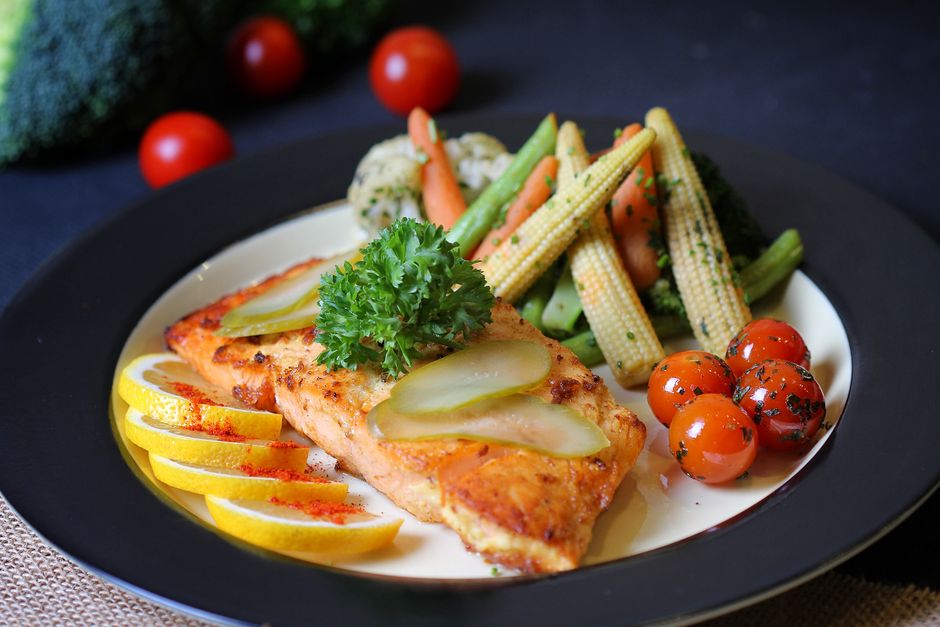
The 30-Minute Protein Problem: Why Most Weeknight Dinners Miss the Mark
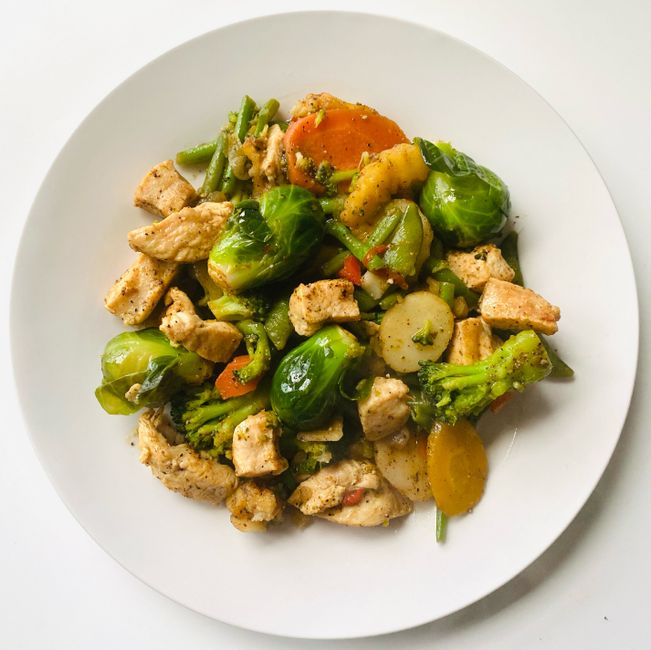
After a long workday, the easiest path leads straight to pasta, sandwiches, or a takeout app. These options share one thing: a carb load that spikes blood sugar fast and drops it just as quickly, leaving you raiding the pantry by 9 p.m. That cycle isn’t a willpower failure — it’s a macro failure.
**High-protein meals trigger satiety hormones** like GLP-1 and PYY that keep hunger suppressed for hours. Without that signal, late-night snacking quietly adds 200–400 extra calories that most people never count. The good news: **high protein low carb dinner recipes under 30 minutes** are entirely achievable — but only with the right pantry setup.
Once your freezer and shelves are stocked with fast-cooking proteins and low-carb vegetables, weeknight dinners become assembly, not a scramble from scratch. For more practical ideas organized by cooking method and ingredient, browse the full high-protein dinner recipes collection.
—
Editor’s pick: instant read meat thermometer kitchen — see current prices and reviews.
What Counts as High Protein Low Carb (And What the Numbers Should Look Like)
For a dinner to qualify, aim for at least **30g of protein and under 15g of net carbs per serving**. Net carbs equal total carbs minus fiber, which matters because fiber doesn’t spike blood sugar the way digestible carbs do.
Among animal proteins, cook time varies significantly:
- **Shrimp** cooks in 3–4 minutes — the fastest option available
- **Chicken breast** runs 8–12 minutes in a hot skillet
- **Ground turkey** browns in 7–9 minutes
- **Salmon fillets** finish in 10–12 minutes depending on thickness
- **Eggs** scramble in 3 minutes or bake as a frittata in 18
Plant-based eaters can still hit protein targets with **edamame (17g per cup), firm tofu (20g per cup), tempeh (31g per cup), and full-fat cottage cheese (25g per cup)**. The hidden trap is sauces — a tablespoon of teriyaki sauce can carry 8–10g of sugar. Reading labels on condiments is non-negotiable.
—
Your 10-Minute Pantry Audit: Stocking for Speed Without Blowing the Budget
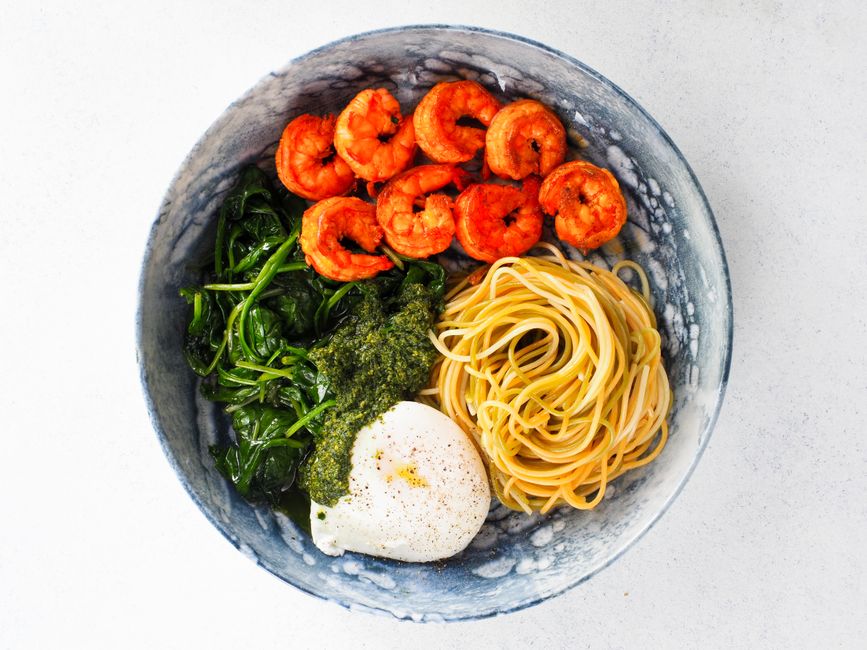
A protein-forward pantry is the real secret behind fast weeknight dinners. Start with **eight freezer proteins that cook fast and cost under $5 per serving**: frozen shrimp, ground turkey, chicken thighs, salmon portions, tilapia fillets, Italian sausage links, 90/10 ground beef, and edamame.
On the shelf, stock **coconut aminos** (a low-sugar soy sauce substitute), canned wild salmon, canned tuna in olive oil, no-sugar-added diced tomatoes, and full-fat coconut milk for quick sauces. For vegetables, prioritize **zucchini, spinach, cauliflower, bell peppers, broccoli, and cabbage** — all low in net carbs and fast-cooking.
Fat and flavor builders round out the setup: avocado oil for high-heat cooking, ghee for richness, pre-minced garlic, and red pepper flakes. Buying proteins in 3–5 lb bulk packs and portioning them into individual freezer bags turns a Sunday chore into a weeknight advantage.
—
Sheet Pan Dinners: One Pan, Zero Stress, 25 Minutes Flat
Sheet pan cooking is the closest thing to a cheat code for weeknight high-protein dinners. The formula is simple: **protein + low-carb vegetable + fat + seasoning**, roasted at 425°F.
**Recipe 1 — Lemon Garlic Shrimp with Asparagus:** Toss 1 lb of large peeled shrimp and 1 bunch of asparagus with 2 tablespoons of olive oil, 3 minced garlic cloves, lemon zest, salt, and pepper. Roast at 425°F for 10–12 minutes. One serving delivers approximately **35g protein and 6g net carbs**.
**Recipe 2 — Ground Turkey and Zucchini Taco Bake:** Brown 1 lb of ground turkey on the stovetop for 7 minutes, then transfer to a sheet pan with sliced zucchini and taco seasoning. Skip the tortilla entirely — serve over shredded cabbage for crunch. Protein: **38g per serving, 8g net carbs**.
**Recipe 3 — Salmon with Broccoli and Everything Bagel Seasoning:** Place two 6-oz salmon fillets and 2 cups of broccoli florets on a lined pan, coat in olive oil and generous everything bagel seasoning, and roast 12–14 minutes. Protein: **42g per serving, 7g net carbs**. Cut vegetables uniformly so everything finishes at the same time.
—
Skillet Recipes That Hit 40g Protein in One Pan
A 12-inch cast iron or stainless skillet over medium-high heat is the fastest high-protein cooking tool in the kitchen. It builds browning and flavor that sheet pans can’t match in the same time window.
**Recipe 1 — Garlic Butter Chicken Thighs with Wilted Spinach:** Season bone-in chicken thighs with salt, garlic powder, and smoked paprika. Sear skin-side down in ghee for 8 minutes, flip for 5 minutes. Remove chicken, add 4 cups of baby spinach to the pan drippings, and toss for 90 seconds. One serving: **43g protein, 4g net carbs**.
**Recipe 2 — Beef and Cabbage Stir-Fry with Soy-Ginger Sauce:** Brown 1 lb of 90/10 ground beef in a hot skillet for 7 minutes. Add 3 cups of shredded cabbage, 2 tablespoons of coconut aminos, 1 teaspoon of grated ginger, and a drizzle of sesame oil. Cook 4 more minutes. Protein per serving: **40g, 9g net carbs**.
**Recipe 3 — Spicy Ground Turkey and Cauliflower Rice Bowl:** Cook 1 lb of ground turkey with garlic and red pepper flakes. Stir in 2 cups of frozen riced cauliflower, a splash of chicken broth, and a tablespoon of sriracha. Cover for 3 minutes to steam through. Protein: **37g, 10g net carbs**. The key to skillet flavor: **bloom spices in oil first**, deglaze with liquid halfway through, and finish with a squeeze of lemon.
—
Egg-Based Dinners That Aren’t Boring (And Clock in Under 20 Minutes)
Eggs are one of the fastest, cheapest, and most protein-dense weeknight options available — yet most people still associate them only with breakfast. A 3-egg dinner delivers **18–22g of protein** before you add any mix-ins.
**Recipe 1 — Italian Sausage Frittata with Roasted Peppers and Feta:** Crumble and brown 2 Italian sausage links in an oven-safe skillet. Add jarred roasted peppers and 6 beaten eggs, cook on the stovetop 3 minutes until edges set, then transfer to a 375°F oven for 10–12 minutes. Protein per serving: **36g, 5g net carbs**.
**Recipe 2 — Shakshuka with Ground Lamb:** Brown ½ lb of ground lamb with cumin and smoked paprika. Add one 14-oz can of no-sugar-added diced tomatoes and simmer 5 minutes. Nestle 4 eggs into the sauce, cover, and cook until whites are set. Protein per serving: **34g, 11g net carbs**.
**Recipe 3 — Smoked Salmon Scramble:** Whisk 3 eggs with a tablespoon of cream cheese and scramble over low heat, then fold in 2 oz of smoked salmon and a teaspoon of capers at the last minute. The cream cheese keeps eggs impossibly creamy. Protein: **28g, 3g net carbs**. Rotate seasonings weekly — everything bagel seasoning, harissa, or za’atar — to prevent egg fatigue.
—
No-Cook Assembly Dinners for Hot Nights or Pure Exhaustion
Some nights, turning on the stove is genuinely not happening. **Assembly dinners are legitimate nutrition**, and some of the highest-protein, lowest-carb meals require zero heat.
- **Canned tuna protein bowl:** 1 can of olive oil-packed tuna, sliced cucumber, ½ avocado, cherry tomatoes, lemon olive oil. ~**28g protein, 8g net carbs**
- **Deli turkey lettuce roll-ups:** 4 oz sliced turkey breast in romaine with cream cheese, yellow mustard, and dill pickles. ~**26g protein, 5g net carbs**
- **Cottage cheese and hard-boiled egg plate:** 1 cup full-fat cottage cheese + 2 pre-cooked hard-boiled eggs + cherry tomatoes + everything seasoning. ~**40g protein, 9g net carbs**
- **Cold shrimp cabbage bowl:** Pre-cooked cocktail shrimp over shredded cabbage with lime juice, cilantro, and olive oil. ~**30g protein, 7g net carbs**
Keeping pre-cooked shrimp, hard-boiled eggs, and ready-to-eat deli proteins on hand means no-cook nights are covered without defaulting to cereal or crackers.
—
Smart Swaps That Cut Carbs Without Sacrificing Comfort-Food Feel
The biggest reason people abandon low-carb eating is feeling deprived of texture and comfort. The solution isn’t willpower — it’s **strategic ingredient substitution**.
| Original Ingredient | Low-Carb Swap | Net Carbs Saved |
|---|---|---|
| Pasta (2 oz dry) | Zucchini noodles | ~40g |
| White rice (1 cup) | Cauliflower rice | ~38g |
| Breaded chicken | Parmesan-crusted chicken | ~18g |
| Teriyaki sauce (2 tbsp) | Coconut aminos + ginger | ~14g |
| Flour tortilla | Collard green wrap | ~22g |
| BBQ sauce (2 tbsp) | Sugar-free homemade BBQ | ~12g |
For the parmesan crust: press chicken breast into grated parmesan, garlic powder, and Italian seasoning, then sear in avocado oil 4 minutes per side. **Same crunch as breaded, zero flour.** Cauliflower rice absorbs sauces and seasons beautifully, making it the most versatile swap across the widest range of recipes.
—
Meal Prep Sunday: Batch-Cook Once, Eat High-Protein All Week
Sixty minutes of focused Sunday prep can eliminate the decision fatigue that causes weeknight diet failures. The goal isn’t cooking full meals — it’s prepping **modular components** that mix and match into 4–5 different dinners.
**Batch proteins to cook ahead:**
- **Shredded chicken:** Simmer 2 lbs of chicken breasts in broth 20 minutes, shred, refrigerate up to 5 days
- **Browned ground turkey:** Cook 2 lbs with basic seasoning, portion into bags, refrigerate 4 days or freeze 3 months
- **Baked salmon:** Season and bake a full fillet at 400°F for 15 minutes, flake and store 3 days
Pre-chopping vegetables — broccoli, zucchini, peppers, cauliflower — and storing them in airtight containers cuts weeknight prep by 12–15 minutes per meal. For the full weekly rotation these components support, the low-carb weeknight recipes library has batch-friendly options organized by protein type.
**Sample weekly rotation:**
- Monday: shredded chicken + stir-fried peppers + cauliflower rice
- Tuesday: ground turkey taco bowl over shredded cabbage
- Wednesday: smoked salmon scramble (no prep needed)
- Thursday: ground turkey + zucchini skillet with red pepper flakes
- Friday: cold shrimp bowl (assembly only)
Egg-based and flaky fish dishes should be consumed within 2 days. Ground proteins and shredded chicken hold 4–5 days. When in doubt, freeze after day 2 and thaw overnight.
—
Why Dinner Macros Drive Morning Weight Loss Results
What you eat at dinner has a measurable impact on overnight fat metabolism. A high-protein low-carb dinner keeps **fasting insulin levels low throughout the night**, which is when the body transitions into fat-burning mode. Elevated insulin — triggered by high-carb dinners — blocks that switch.
Protein also has the highest thermic effect of any macronutrient. Digesting 35g of protein burns roughly **30–40 extra calories** compared to the same calorie load from carbs. Research consistently shows that **35g or more of protein at dinner extends satiety into the following morning**, reducing overall daily calorie intake without additional effort.
For anyone following intermittent fasting, these dinners slot naturally into a **6–8 hour eating window**. A protein-dense dinner at 7 p.m. followed by a 16-hour fast means the body runs on stored fat from roughly 10 p.m. through noon the next day.
—
Common Mistakes That Wreck High Protein Low Carb Dinners
Even solid recipes fail in execution. These are the five most frequent errors — and exactly how to fix each one.
- **Overcooking lean proteins:** Chicken breast above 165°F becomes dry and rubbery. Use a **$10 instant-read thermometer** and pull it at exactly 165°F. Shrimp is done when it forms a loose C-shape — a tight O means it’s overcooked.
- **Trusting store-bought sauces:** Many popular teriyaki, hoisin, and BBQ sauces carry 15–20g of sugar per two tablespoons. If sugar appears in the first three ingredients, make your own.
- **Skipping fat entirely:** Fat is what makes low-carb meals satisfying. A tablespoon of ghee, a drizzle of olive oil, or half an avocado makes the difference between a meal that sticks and one that doesn’t.
- **Misjudging higher-carb vegetables:** A full cup of chopped onion adds ~13g net carbs. Use onions, tomatoes, and carrots as flavoring, not a base.
- **Under-seasoning:** Bland food is the number-one reason people quit dietary changes. Season aggressively with salt, acid, and spice — a generous pinch of smoked paprika, garlic, and red pepper flakes makes a dish you’ll actually want to repeat.
—
Frequently Asked Questions
How much protein do I actually need at dinner to support weight loss and muscle retention?
Most research suggests **0.7–1g of protein per pound of bodyweight daily**. For a 160-lb person targeting muscle retention during a calorie deficit, that’s 112–160g per day. Getting **35–45g at dinner** covers roughly 25–30% of daily needs and is the most impactful single meal for overnight recovery and satiety. If you’re strength training, aim for the higher end.
Can I make these dinners on a tight grocery budget under $50 a week?
Yes — the key is **buying proteins in bulk and building around eggs, canned fish, and ground turkey**. Frozen shrimp runs about $6–$8 per lb. Ground turkey averages $4–$5 per lb. A dozen eggs costs around $3–$4 and covers two full protein dinners. A 5-lb bag of frozen chicken thighs brings the per-serving cost under $1.50. Pair with frozen cauliflower and whatever fresh vegetables are on sale, and $50 per week is very achievable.
Are these recipes compatible with keto or intermittent fasting?
All recipes in this guide target **under 15g net carbs per serving**, which falls within standard ketogenic thresholds. For intermittent fasting, these dinners are ideal as a **final meal before a fasting window** because the high protein and fat content extends satiety through the fast. If you’re strict keto, double-check packaged ingredients like sausage and canned tomatoes for added sugars.
What’s the best way to stay consistent when I’m tired and tempted to order out?
The honest answer is **friction reduction, not motivation**. When ordering out feels easier than cooking, the gap between effort and reward is too wide. Close that gap by: (1) keeping two or three pre-cooked proteins in the refrigerator at all times, (2) having a default exhaustion meal like the cottage cheese egg plate that takes under 5 minutes to assemble, and (3) treating Sunday meal prep as a non-negotiable 45-minute appointment. Consistency compounds — the fifth week feels nothing like the first.
Top Product Recommendations
| Product Name | Rating | Key Feature | Est. Price | Action |
|---|---|---|---|---|
| Top-rated instant read meat thermometer kitchen | ★★★★★ | Editor-recommended instant read meat thermometer kitchen from this guide | $18–$42 | Check Lowest Price on Amazon |
| Best-value cast iron skillet 12 inch | ★★★★☆ | Affordable cast iron skillet 12 inch — strong everyday results | $12–$28 | Check Lowest Price on Amazon |
| Premium coconut aminos low sodium soy sauce alternative | ★★★★☆ | Higher-end coconut aminos low sodium soy sauce alternative for visible, lasting results | $45–$95 | Check Lowest Price on Amazon |
Affiliate Disclosure: This post contains affiliate links. We may earn a commission if you buy through our links, at no extra cost to you.
Leave a Reply