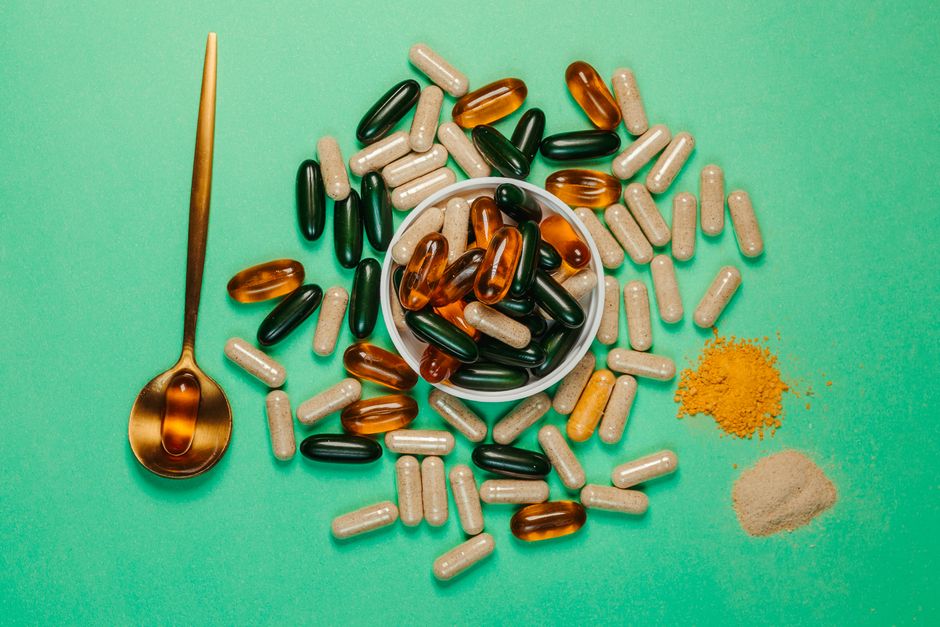
What to Look for in Quality Supplements
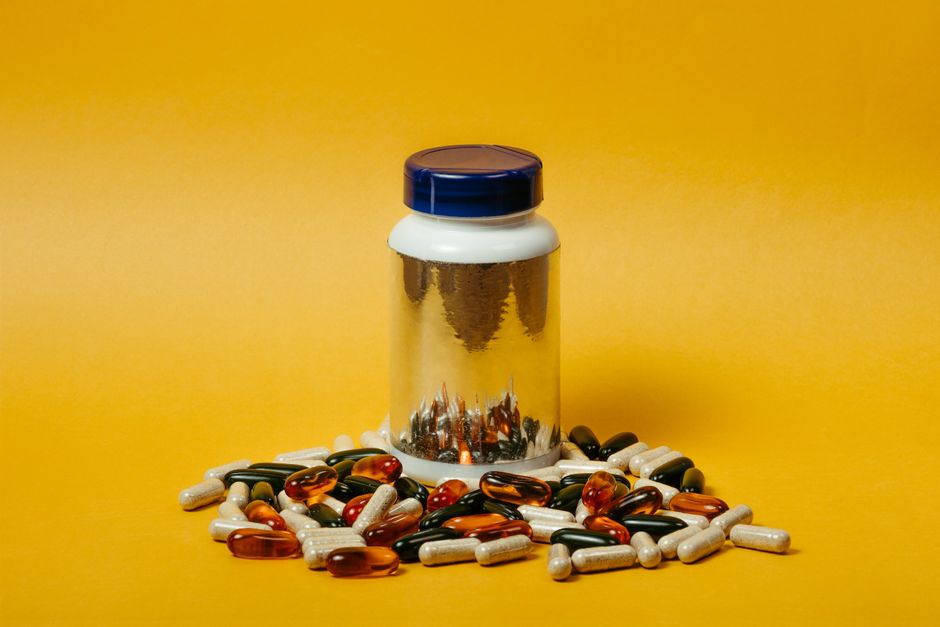
Choosing the right supplements starts with understanding quality markers. **USDA Organic certification** guarantees that products meet strict farming and production standards, reducing exposure to synthetic pesticides and fertilizers. This certification also ensures manufacturers maintain soil and water quality while conserving biodiversity. When shopping for supplements, always check for this seal on the label.
Heavy metals like lead, mercury, and arsenic remain a concern in supplements, particularly those sourced from overseas manufacturing facilities. According to consumer testing groups, even prescription medications from certain regions have shown contamination issues. To protect yourself, look for brands that publish third-party lab results and certificate of analysis documents. These reports verify that products are tested for contaminants before reaching store shelves.
**Creatine and Lion’s Mane** consistently rank as Reddit’s top cognitive health picks in 2025. Creatine monohydrate supports energy production in brain cells, while Lion’s Mane mushroom extract may promote nerve growth factor production. Both have solid research backing, but users should start with lower doses to assess tolerance. Watch for potential side effects like digestive discomfort or headaches, especially during the first week of use.
Avoid supplements with unnecessary fillers, artificial colors, or titanium dioxide. Read ingredient lists carefully and skip products that list “proprietary blends” without disclosing exact amounts. Transparency matters when you’re putting something in your body daily.
Editor’s pick: creatine monohydrate powder — compare options and current availability.
Budget-Friendly Supplement Options
Quality supplements don’t have to drain your wallet. **Creatine monohydrate** remains one of the most cost-effective cognitive and performance supplements available, with a month’s supply often under fifteen dollars. Generic brands perform just as well as premium versions when they contain the same pure creatine monohydrate ingredient. Skip the fancy marketing and creatine variants that cost three times more.
Bulk retailers and warehouse clubs offer significant savings on popular supplements like vitamin D3, magnesium, and omega-3 fish oil. Buying larger quantities reduces the per-dose cost, though you should verify expiration dates before purchasing. Online retailers frequently run sales during major shopping holidays, making it worth waiting for deals if you’re stocking up on staples.
Comparing **DIY versus purchased supplements** reveals interesting trade-offs. Powdered forms of magnesium glycinate, L-theanine, and other amino acids cost significantly less per serving than capsules. You’ll need a milligram scale for accurate dosing, but the investment pays off within months for regular users. Pre-made capsules offer convenience and precise dosing without equipment, making them better for beginners or those taking multiple supplements.
Subscription services from reputable brands sometimes offer ten to fifteen percent discounts, but read cancellation policies carefully. Some lock you into multi-month commitments that eliminate savings if you want to switch products. Compare the subscription price against one-time purchase options before committing.
Incorporating Supplements into Your Diet
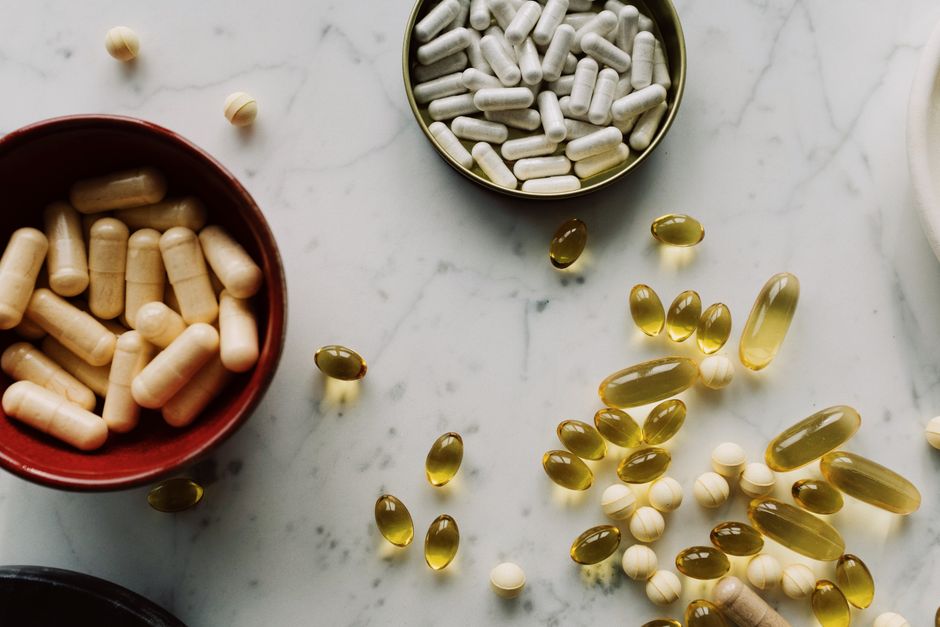
Adding supplements to your daily routine becomes easier when you pair them with existing habits. **Creatine powder** dissolves easily in morning coffee, protein shakes, or oatmeal without altering taste significantly. Mix five grams into your breakfast routine and you’ll never forget a dose. The timing matters less than consistency for cognitive benefits.
Lion’s Mane powder works well in savory recipes like scrambled eggs, soups, or stir-fries. Its mild, slightly earthy flavor complements mushroom dishes naturally. Start with half a gram and increase gradually to one or two grams daily. Some users prefer taking it as a capsule to avoid the taste entirely, which is perfectly valid.
**Easy meal swaps** make supplement integration seamless. Replace regular coffee with a blend containing creatine and Lion’s Mane powder for a cognitive boost. Swap standard yogurt for Greek yogurt mixed with powdered magnesium glycinate and berries. These small substitutions build supplement use into meals you already eat, reducing the chance you’ll forget.
Serving ideas for omega-3 supplements include taking them with fatty meals for better absorption. Pair fish oil capsules with avocado toast, nut butter, or olive oil-based salads. Fat-soluble vitamins like D3 and K2 follow the same principle—always take them alongside foods containing healthy fats.
Understanding Supplement Labels
Supplement labels contain critical information, but knowing what to look for separates quality products from questionable ones. The **Supplement Facts panel** must list all active ingredients with exact amounts per serving. Avoid products using “proprietary blends” that hide individual ingredient doses behind a total blend weight. You deserve to know exactly what you’re taking.
Third-party certification seals matter more than brand promises. Look for **NSF Certified for Sport, USP Verified, or Informed Choice** logos on labels. These organizations test products independently to verify they contain what the label claims without banned substances or contaminants. Reddit users consistently recommend checking for these certifications before purchasing any supplement.
The “Other Ingredients” section reveals fillers, binders, and flow agents used in manufacturing. **Magnesium stearate, silicon dioxide, and cellulose** are generally recognized as safe in small amounts. Red flags include artificial dyes like FD&C colors, titanium dioxide, and long lists of preservatives. Simple ingredient lists usually indicate higher quality products.
Expiration dates and lot numbers enable traceability if problems arise. Reputable manufacturers print both clearly on labels and can provide certificate of analysis documents matching specific lot numbers. If a company refuses to share lab testing results for the exact batch you purchased, consider that a warning sign.
The Benefits of Creatine and Lion’s Mane Supplements
**Creatine monohydrate** ranks as one of the most researched supplements available, with hundreds of studies supporting its cognitive and physical performance benefits. It increases phosphocreatine stores in brain cells, improving energy availability during demanding mental tasks. Reddit users report better focus, faster mental processing, and reduced brain fog after consistent use. The standard five-gram daily dose works for most people without loading phases.
Cognitive improvements appear within two to four weeks of daily creatine use. Studies show enhanced working memory, particularly in tasks requiring rapid information processing. Vegetarians and vegans often experience more dramatic benefits since their baseline creatine levels are lower than meat-eaters. The supplement is remarkably safe with decades of research backing, though some users experience mild water retention initially.
**Lion’s Mane mushroom extract** contains compounds called hericenones and erinacines that may stimulate nerve growth factor production. This protein plays crucial roles in maintaining and regenerating neurons. Reddit’s nootropics community frequently discusses Lion’s Mane for its potential to support memory, focus, and overall brain health. Effects are subtler than creatine but build over months of consistent use.
Potential side effects remain mild for most users. Digestive discomfort affects about ten percent of people starting Lion’s Mane, usually resolving after the first week. Some users report vivid dreams or changes in sleep patterns. Starting with lower doses and gradually increasing helps minimize these effects. Avoid taking Lion’s Mane late in the day if you notice sleep disruption.
Real testimonials from Reddit threads highlight improvements in mental clarity, reduced anxiety, and better stress management. Users combining both supplements report synergistic effects, though individual results vary significantly. Track your own response for at least eight weeks before deciding if these supplements work for you.
Staying Healthy While Using Supplements
Maintaining a **balanced whole-food diet** remains foundational even when taking supplements. No pill replaces the nutrient complexity of vegetables, fruits, whole grains, and quality proteins. Think of supplements as insurance against gaps, not replacements for poor eating habits. Prioritize meals built around minimally processed ingredients first.
Common supplement-related side effects often stem from taking too much too soon. Start with half the recommended dose for any new supplement and increase gradually over one to two weeks. This approach helps identify which supplement causes issues if you experience digestive upset, headaches, or other symptoms. Take detailed notes about dosing, timing, and effects in a simple journal or phone app.
**Tracking progress** requires consistency and patience. Most supplements need four to eight weeks of daily use before effects become noticeable. Set specific goals like “improved focus during afternoon work sessions” rather than vague outcomes. Rate your target metric weekly using a simple scale. This data helps you decide objectively whether a supplement provides value worth the cost.
Timing matters for minimizing side effects. Take magnesium in the evening since it promotes relaxation. Creatine and Lion’s Mane work best with morning meals. Fat-soluble vitamins need dietary fat for absorption, so pair them with breakfast or lunch containing healthy fats. Spreading supplements throughout the day reduces digestive burden compared to taking everything at once.
Stay hydrated when using creatine since it draws water into muscle and brain cells. Aim for an additional eight to twelve ounces of water daily beyond your normal intake. Dehydration can cause headaches and reduced effectiveness of the supplement.
Supplement Safety: What You Need to Know
Ensuring supplements are **free from contaminants** starts with choosing brands that invest in quality control. Third-party testing by independent labs catches problems before products reach consumers. NSF International, USP, and ConsumerLab test for heavy metals, microbiological contaminants, and label accuracy. Products passing these tests display certification marks on packaging.
The importance of **USDA Organic certification** extends beyond avoiding pesticides. Organic standards prohibit sewage sludge as fertilizer, reducing heavy metal contamination risk. They also restrict synthetic processing aids and require regular inspections of manufacturing facilities. While organic certification doesn’t guarantee zero contaminants, it significantly lowers exposure risk compared to conventional products.
Reporting problematic supplements protects other consumers. The FDA’s Safety Reporting Portal accepts adverse event reports from consumers. Include the product name, manufacturer, lot number, and detailed description of the problem. Reddit communities like r/Supplements also serve as informal warning systems where users share experiences with contaminated or mislabeled products.
Research manufacturers before purchasing by checking their reputation and quality control processes. Look for companies operating in FDA-registered facilities following Good Manufacturing Practices. Read Reddit threads about specific brands to learn from other users’ experiences. Be skeptical of brands making exaggerated health claims or selling exclusively through social media ads.
Frequently Asked Questions
Q: What are the most common contaminants found in supplements?
A: Heavy metals like lead, cadmium, and arsenic top the list, particularly in supplements sourced from regions with less stringent agricultural regulations. Pesticide residues appear in non-organic herbal supplements. Microbiological contaminants including bacteria and mold affect improperly stored or manufactured products. Third-party testing catches most of these issues before products reach store shelves.
Q: How can I ensure my supplements are free from contaminants?
A: Look for USDA Organic certification and third-party testing seals from NSF, USP, or Informed Choice. Request certificate of analysis documents from manufacturers showing lab results for your product’s specific lot number. Research brand reputations on Reddit forums and consumer review sites. Avoid suspiciously cheap supplements from unknown manufacturers, as quality control often suffers when companies cut costs aggressively.
Q: What are some potential side effects of using creatine and Lion’s Mane supplements?
A: Creatine may cause mild water retention, digestive discomfort, or cramping when starting, though these effects usually resolve within one to two weeks. Lion’s Mane can trigger digestive upset, vivid dreams, or sleep changes in about ten percent of users. Both supplements are generally well-tolerated at standard doses. Start low and increase gradually to minimize side effects while your body adapts.
Top Product Recommendations
| Product Name | Rating | Key Feature | Est. Price | Action |
|---|---|---|---|---|
| Top-rated creatine monohydrate powder | ★★★★★ | Editor-recommended creatine monohydrate powder from this guide | $18–$42 | Check Lowest Price on Amazon |
| Best-value lions mane mushroom extract capsules | ★★★★☆ | Affordable lions mane mushroom extract capsules — strong everyday results | $12–$28 | Check Lowest Price on Amazon |
| Premium USDA organic supplements | ★★★★☆ | Higher-end USDA organic supplements for visible, lasting results | $45–$95 | Check Lowest Price on Amazon |
Affiliate Disclosure: This post contains affiliate links. We may earn a commission if you buy through our links, at no extra cost to you. Medical Disclaimer: This content is for informational purposes only and is not medical advice. Consult a healthcare professional before changing diet or exercise.
Leave a Reply