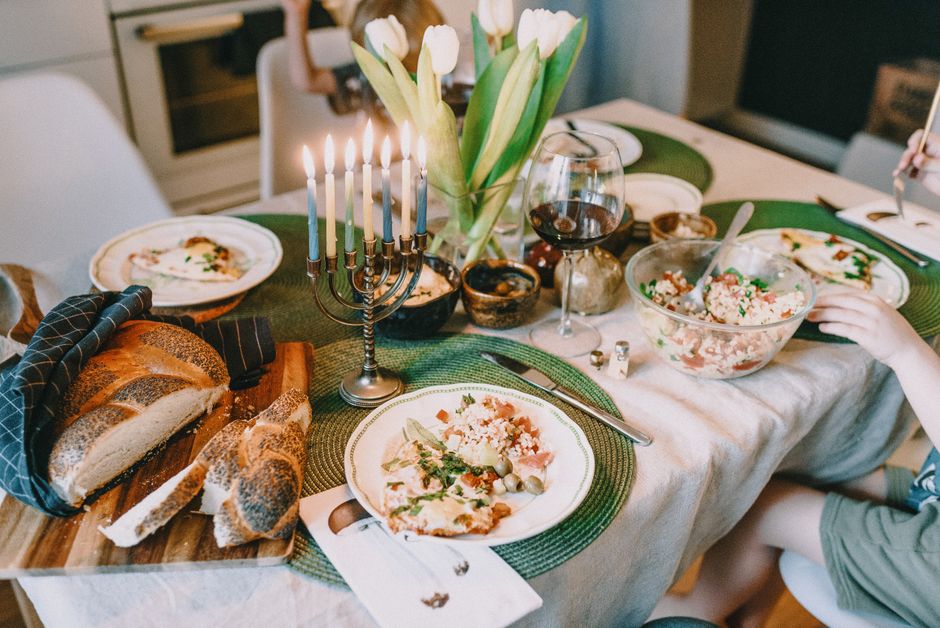
Easy Passover Appetizers

Starting your Seder with memorable appetizers sets the tone for the entire meal. **Matzah becomes incredibly versatile** when you think beyond the traditional cracker. Try breaking matzah into bite-sized pieces and topping them with smoked salmon, cream cheese, and fresh dill for an elegant starter that takes just minutes to assemble. You can also create matzah bruschetta by brushing matzah squares with olive oil, toasting them lightly, and topping with diced tomatoes, basil, and garlic.
Healthy dips make exc nt Passover starters that satisfy without weighing down your guests before the main course. A classic baba ganoush made from roasted eggplant, tahini, lemon juice, and garlic provides fiber and healthy fats while staying completely kosher for Passover. Hummus variations using chickpeas, white beans, or even roasted red peppers offer protein-rich options that pair beautifully with vegetable crudités like bell peppers, carrots, and celery sticks.
For easy hors d’oeuvres that impress, consider **stuffed mushrooms filled with ground turkey**, onions, and herbs, or mini vegetable frittatas baked in muffin tins. These protein-packed bites can be prepared ahead and served at room temperature, making them perfect for busy hosts. Deviled eggs with a twist—adding horseradish or fresh herbs—provide a traditional touch with modern flavor. These appetizers typically take 15-25 minutes of prep time and serve 8-12 guests comfortably.
Editor’s pick: kosher for passover potato starch — compare options and current availability.
Main Dishes for a Nourishing Passover Meal
Chicken remains the centerpiece of many Passover tables, and for good reason—it’s affordable, versatile, and loved by most guests. A **herb-roasted chicken with lemon and garlic** delivers maximum flavor with minimal effort. Season a whole chicken with rosemary, thyme, paprika, salt, and pepper, then roast at 375°F for about 1 hour and 20 minutes until the internal temperature reaches 165°F. This classic preparation serves 6-8 people and pairs beautifully with roasted vegetables. For a lighter option, try chicken cutlets pan-seared with mushrooms and a white wine reduction—just ensure your wine is kosher for Passover.
Vegetarian main dishes have come a long way and can absolutely hold their own as Seder centerpieces. A **vegetable and quinoa-stuffed acorn squash** provides complete protein when quinoa is combined with nuts and seeds. Roast halved acorn squash cut-side down for 25 minutes, then fill with a mixture of cooked quinoa, sautéed spinach, dried cranberries, and toasted pecans. Bake for another 15 minutes until golden. Another crowd-pleaser is a layered vegetable kugel made with zucchini, carrots, and onions bound with eggs and potato starch—it’s hearty enough to satisfy even committed meat-eaters.
For those seeking low-calorie options with beef or lamb, preparation method matters tremendously. **Braised brisket with root vegetables** can be made lighter by trimming visible fat and using a cooking method that allows fat to separate and be skimmed off. Brown a 3-4 pound brisket, then slow-cook it with carrots, parsnips, onions, and beef broth for 3-4 hours at 325°F. The long cooking time breaks down tough fibers while vegetables add natural sweetness and nutrition. Lamb chops marinated in garlic, lemon, and herbs, then grilled or broiled for just 3-4 minutes per side, offer a leaner red meat option at roughly 180 calories per 3-ounce serving.
Passover Side Dishes That Pack a Nutritional Punch

Vegetable side dishes elevate your Passover meal from ordinary to extraordinary while delivering essential vitamins and minerals. **Roasted rainbow carrots with honey and thyme** bring natural sweetness and vibrant color to your table. Toss whole peeled carrots with olive oil, a touch of honey, fresh thyme, salt, and pepper, then roast at 400°F for 25-30 minutes until caramelized. This simple preparation preserves the carrots’ fiber content while enhancing their natural flavors. Green beans almondine—blanched green beans sautéed with sliced almonds and garlic—adds crunch and healthy fats in just 15 minutes of cooking time.
Salads provide refreshing contrast to heavier Passover dishes and can be prepared largely in advance. A **spring mix salad with strawberries, candied pecans, and balsamic vinaigrette** offers antioxidants from the berries and greens while the nuts provide satisfying crunch and protein. For a more substantial option, try a quinoa tabbouleh-style salad replacing traditional bulgur with quinoa, then mixing in diced cucumbers, tomatoes, fresh parsley, mint, lemon juice, and olive oil. This grain salad serves 8-10 as a side and holds up beautifully for several hours without wilting.
Potato dishes are Passover staples, but they don’t have to be nutritionally empty. **Garlic and herb roasted potatoes** use olive oil instead of butter for a dairy-free option that’s rich in heart-healthy monounsaturated fats. Cut Yukon gold or red potatoes into 1-inch chunks, toss with minced garlic, rosemary, olive oil, salt, and pepper, then roast at 425°F for 35-40 minutes, stirring halfway through. For a lighter take on potato kugel, incorporate shredded zucchini or cauliflower into the traditional recipe—this adds moisture and nutrients while reducing the overall carbohydrate content per serving. A typical serving provides about 150 calories and 3 grams of fiber when vegetables are added.
Healthy and Delicious Passover Desserts
Desserts can absolutely be part of a health-conscious Passover celebration when you make smart ingredient swaps. **Flourless chocolate cake made with dark chocolate and eggs** is naturally gluten-free and Passover-friendly while being surprisingly light when properly prepared. Use 70% cacao chocolate for antioxidant benefits, and the cake serves 10-12 with just 180 calories per slice. The key is separating eggs and whipping the whites to stiff peaks before folding them into the chocolate mixture—this creates an airy texture without any leavening agents. Bake at 350°F for 25-30 minutes until the center is just set.
Fruit-based desserts showcase seasonal produce while keeping added sugars in check. A **mixed berry compote served over Passover sponge cake** uses the natural sweetness of strawberries, blueberries, and raspberries with just a touch of honey. Simmer 4 cups of mixed berries with 2 tablespoons of honey and a squeeze of lemon juice for 10-15 minutes until the berries break down and create a syrupy sauce. This topping works beautifully over angel food cake made with potato starch, or simply serve it with a dollop of whipped cream or coconut cream for dairy-free guests. Baked apples stuffed with cinnamon, raisins, and chopped walnuts offer individual portions that feel indulgent while providing fiber and healthy fats.
Low-calorie cakes and cookies for Passover are entirely achievable with the right techniques. **Almond macaroons made with egg whites, almond flour, and a modest amount of sugar** clock in at about 60 calories each and provide protein and healthy fats from the almonds. The trick is whipping egg whites to medium peaks and gently folding in the dry ingredients to maintain airiness. Lemon bars with an almond flour crust and a filling made from fresh lemon juice, eggs, and a sugar substitute like erythritol or monk fruit sweetener deliver bright citrus flavor at roughly half the calories of traditional versions. These desserts prove you don’t need to sacrifice taste for health during Passover.
Budget-Friendly Passover Recipes
Passover meals can strain your budget, but strategic planning keeps costs manageable without compromising nutrition or taste. **Chicken thighs instead of breasts** cost roughly 40% less per pound and actually deliver more flavor due to their higher fat content. Braise them with onions, carrots, and canned tomatoes for a hearty main dish that serves 6-8 for under $12. Ground turkey or beef formed into meatballs with matzah meal as a binder creates protein-rich portions that stretch your dollar—one pound of ground meat yields about 20 meatballs when combined with eggs, onions, and seasonings.
Money-saving strategies start with buying whole ingredients rather than pre-prepared items. Purchase whole chickens and break them down yourself, saving the bones for Passover-friendly chicken stock. **Root vegetables like carrots, potatoes, and onions** remain affordable year-round and store well, allowing you to buy in bulk when prices dip. Focus your menu around these staples and add smaller amounts of pricier ingredients like fresh herbs and specialty items for accent rather than as main components. Eggs become incredibly versatile during Passover—use them in frittatas, kugels, and desserts to provide inexpensive protein that satisfies.
Budget-friendly ingredients that deliver nutrition include canned tomatoes, dried beans (if your tradition allows kitniyot), frozen vegetables, and seasonal produce. A **vegetable soup made from carrots, celery, potatoes, and canned tomatoes** costs about $8 total and serves 8-10 as a first course. Sweet potatoes offer complex carbohydrates and vitamin A at roughly $1 per pound—mash them with a bit of orange juice and cinnamon for a naturally sweet side dish. Cabbage, often overlooked, can be braised with apples and onions for a traditional side that costs pennies per serving yet provides fiber and vitamin C. Building your Passover menu around these affordable foundations leaves room in your budget for one or two special items.
Time-Saving Passover Recipes
Busy families need recipes that deliver great taste without hours of active cooking time. **Slow cooker brisket** lets you prepare a classic Passover main dish with just 15 minutes of hands-on work. Sear the meat briefly to develop flavor, place it in your slow cooker with onions, garlic, carrots, and broth, then cook on low for 8-10 hours while you handle other preparations. The meat becomes fork-tender and requires only slicing before serving. Sheet pan dinners work beautifully for Passover too—arrange chicken pieces, potato wedges, and vegetables on a single pan, season everything with olive oil and herbs, then roast at 400°F for 40-45 minutes.
Time-saving preparation strategies make a massive difference in your Seder day stress level. **Chop all vegetables 1-2 days ahead** and store them in airtight containers in the refrigerator. Most dips and salad dressings improve when flavors meld overnight, so prepare these items the day before. Set your Seder table completely the night before, including all serving dishes and utensils, so the day of the meal focuses purely on cooking and reheating. Use your food processor to quickly grate potatoes for kugel, chop vegetables for soup, or make matzah meal from whole matzah sheets—this single appliance cuts prep time by 30-40%.
Make-ahead dishes are the secret weapon of stress-free Passover hosting. **Kugels of all types—potato, vegetable, or sweet—can be assembled completely up to 2 days ahead**, covered tightly, and refrigerated until baking time. Simply add 10-15 minutes to the baking time if cooking from cold. Brisket actually tastes better when made a day ahead because it gives you time to chill it, remove solidified fat, and slice it neatly before reheating in its braising liquid. Desserts like flourless chocolate cake, macaroons, and fruit compotes all store well and often improve with a day of rest. A strategic make-ahead plan means your Seder day involves mostly reheating and final touches rather than marathon cooking sessions.
Essential Passover Cooking Tips and Common Mistakes
Successful Passover cooking requires understanding how kosher-for-Passover ingredients behave differently from their year-round counterparts. **Potato starch and matzah cake meal don’t absorb liquid the same way as wheat flour**, so recipes need adjustment. Potato starch works beautifully as a thickener for sauces and gravies—use about half the amount you’d use of cornstarch. Matzah cake meal, which is more finely ground than matzah meal, substitutes best in baked goods, but expect denser results than wheat-based versions. When a recipe calls for matzah meal as a binder in meatballs or as a coating, the regular grind works perfectly.
Common mistakes include oversalting (many people compensate for perceived blandness), under-seasoning vegetables (they need robust flavoring), and overcooking proteins. **Chicken breasts become dry when cooked past 165°F internal temperature**, so use a meat thermometer rather than guessing. Many home cooks also make the mistake of not reading ingredient labels carefully during Passover—even products that seem obviously kosher-for-Passover may not be certified. Another frequent error is not accounting for cooking time differences when preparing multiple dishes—create a reverse timeline working backward from your desired serving time, noting when each dish needs to start cooking.
Fix common Passover cooking problems with these quick solutions. If your matzah balls turn out dense rather than fluffy, you likely over-mixed the batter or didn’t let it rest long enough—the mixture needs 20-30 minutes of refrigeration for the matzah meal to fully hydrate. **Dry brisket results from cooking at too high a temperature**—low and slow (300-325°F) with plenty of liquid produces tender, moist results every time. If your cake sinks in the middle, you either opened the oven door too early (wait until the last 10 minutes of baking time) or under-beat your eggs—they need to reach the ribbon stage where the batter falls in thick ribbons from the beater.
Ingredient Swaps and Dietary Accommodations
Modern Passover celebrations often need to accommodate various dietary needs beyond kosher requirements. **For dairy-free guests**, substitute coconut milk or almond milk (if kitniyot are permitted) in recipes calling for milk, and use margarine or coconut oil instead of butter. Many traditional Passover recipes already avoid dairy, making this accommodation simpler than during the rest of the year. When a recipe absolutely requires cream, full-fat coconut milk (refrigerated overnight and using only the thick cream that rises to the top) works remarkably well in both savory and sweet applications.
Low-carb and diabetic-friendly modifications help guests manage blood sugar while enjoying festive meals. Replace some of the potatoes in kugel with riced cauliflower—this cuts carbohydrates by about 40% while maintaining the familiar texture and taste. **Zucchini noodles spiralized and lightly sautéed** can substitute for some or all of the traditional noodles in kugel. For desserts, use sugar substitutes that measure cup-for-cup like erythritol or monk fruit sweetener, and increase the amount of ground nuts or almond flour to provide structure that sugar normally contributes. These swaps work especially well in flourless chocolate cake and macaroons.
Nut-free accommodations become necessary for guests with allergies, even though nuts feature prominently in Passover baking. **Sunflower seed butter works as a peanut butter substitute** in charoset variations, and ground sunflower seeds can replace almond flour in many recipes, though expect a slightly denser result. Coconut flour (if kitniyot are allowed) provides another nut-free baking option, but it absorbs tremendous amounts of liquid—use about 1/4 to 1/3 the amount of coconut flour compared to almond flour and increase eggs by at least 50%. When recipes call for nuts as garnish or for crunch, toasted matzah pieces or crispy fried onions offer texture without the allergen concern.
Meal Planning and Portion Guidelines
Planning appropriate quantities prevents both food waste and the embarrassment of running short during your Seder. **For a typical three-course Passover meal with appetizers, main course, sides, and dessert**, estimate the following per adult guest: 4-6 ounces of protein, 1 cup total of side dishes, and one dessert serving. Children typically eat about half these portions. If your Seder includes a lengthy service before the meal, appetizers become more important—plan for 4-5 pieces per person to sustain guests through the reading and rituals.
A complete Passover menu might look like this: matzah with salmon appetizers (serves 12), mixed green salad with balsamic vinaigrette (serves 12), herb-roasted chicken (2 whole chickens for 12 guests), braised brisket (3-4 pounds for 12 guests), roasted vegetables (2 large sheet pans), potato kugel (one 9×13 pan serves 10-12), and flourless chocolate cake (one 9-inch cake serves 10-12). **This combination ensures variety while covering different preferences** and dietary needs—guests can choose poultry or beef, and side dishes offer vegetables prepared multiple ways.
| Dish Type | Quantity for 12 Guests | Prep Time | Cook Time |
|---|---|---|---|
| Whole Roasted Chicken | 2 chickens (5-6 lbs each) | 15 min | 80 min |
| Brisket | 4 lbs | 20 min | 3-4 hours |
| Potato Kugel | One 9×13 pan | 25 min | 45 min |
| Roasted Vegetables | 4 lbs mixed vegetables | 15 min | 30 min |
| Mixed Salad | 12 cups greens | 20 min | 0 min |
| Flourless Chocolate Cake | One 9-inch cake | 15 min | 30 min |
Timing strategy makes the difference between a relaxed host and a frantic one. **Start with make-ahead items 2-3 days before**: prepare desserts, chop vegetables, make dips and dressings. The day before: assemble kugels, prepare brisket completely, prep salad ingredients but don’t dress. Seder day morning: roast chickens and vegetables (these reheat well). Two hours before serving: reheat brisket and kugel. Final hour: dress salad, warm any items that cooled, finish any last-minute garnishes. This timeline builds in buffer time so you can join your guests for the Seder rituals rather than being stuck in the kitchen.
Frequently Asked Questions
Q: What are some healthy and delicious Passover recipes for vegetarians?
A: Vegetable-based main dishes like quinoa-stuffed acorn squash, vegetable kugel with eggs and potato starch, and roasted portobello mushrooms with herbs make exc nt vegetarian centerpieces. These provide complete protein when combined with nuts, seeds, or eggs while delivering fiber and essential nutrients. Pair any of these with roasted vegetables and a substantial salad for a satisfying meal.
Q: How can I make a nutritious and tasty Passover dessert without using too much sugar?
A: Use naturally sweet ingredients like mashed bananas, dates, or applesauce to reduce added sugar in Passover baking. Flourless chocolate cake made with dark chocolate (which contains less sugar than milk chocolate) needs only modest sweetening because the chocolate provides rich flavor. Fresh fruit desserts like baked apples or berry compotes require minimal added sweetener—try using honey or maple syrup in small amounts, or experiment with sugar substitutes like erythritol or monk fruit sweetener that measure cup-for-cup.
Q: What are some budget-friendly and healthy Passover recipes?
A: Focus on affordable proteins like chicken thighs, ground turkey, and eggs combined with inexpensive vegetables like carrots, potatoes, cabbage, and onions. Vegetable soup costs roughly $8 to feed 10 people, while a whole chicken roasted with root vegetables serves 6-8 for under $15. Make meatballs with ground turkey and matzah meal to stretch protein servings, and prepare desserts using eggs and almond flour rather than expensive specialty items—simple macaroons or flourless cake deliver impressive results at minimal cost.
Top Product Recommendations
| Product Name | Rating | Key Feature | Est. Price | Action |
|---|---|---|---|---|
| Top-rated kosher for passover potato starch | ★★★★★ | Editor-recommended kosher for passover potato starch from this guide | $18–$42 | Check Lowest Price on Amazon |
| Best-value matzah cake meal baking | ★★★★☆ | Affordable matzah cake meal baking — strong everyday results | $12–$28 | Check Lowest Price on Amazon |
| Premium passover cookbook | ★★★★☆ | Higher-end passover cookbook for visible, lasting results | $45–$95 | Check Lowest Price on Amazon |
Affiliate Disclosure: This post contains affiliate links. We may earn a commission if you buy through our links, at no extra cost to you.
Leave a Reply