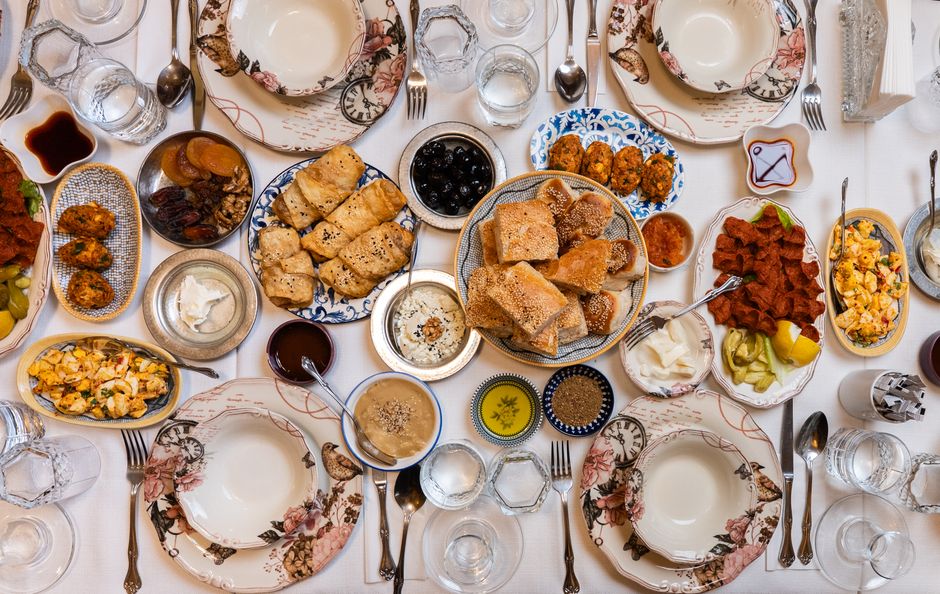
Intermittent Fasting Basics
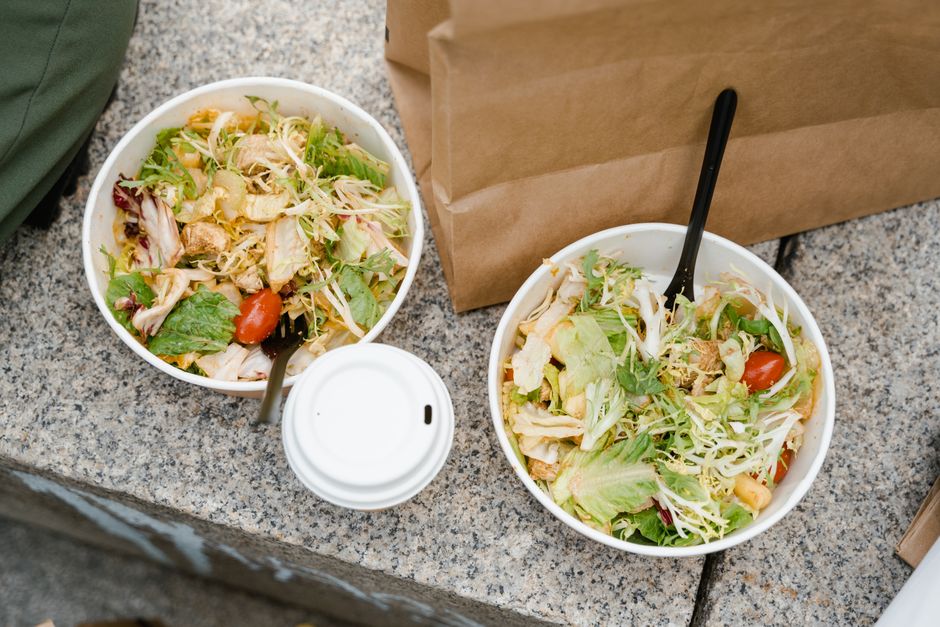
Intermittent fasting has become one of the most popular weight-loss strategies for Americans looking to shed pounds without complicated calorie counting. This eating pattern cycles between periods of eating and fasting, helping your body tap into fat stores more efficiently. Unlike traditional diets that focus on what you eat, intermittent fasting centers on when you eat.
The most popular intermittent fasting schedule is the **16/8 method**, where you fast for 16 hours and eat during an 8-hour window. Many people skip breakfast and eat between noon and 8 PM. The **5:2 approach** involves eating normally five days per week and restricting calories to 500-600 on two non-consecutive days. The **alternate-day fasting** method alternates between regular eating days and fasting or very low-calorie days.
Research shows intermittent fasting can lead to 3-8% weight loss over 3-24 weeks, which is significantly more than many conventional diets. Beyond weight loss, fasting periods may improve insulin sensitivity, reduce inflammation, and support cellular repair processes. The eating pattern works by lowering insulin levels and increasing human growth hormone, making stored body fat more accessible for energy.
Editor’s pick: intermittent fasting meal prep containers — compare options and current availability.
Choosing the Right Foods for Fasting
What you eat during your eating window determines whether intermittent fasting works for weight loss. Focus on **whole, nutrient-dense foods** that keep you satisfied and provide sustained energy. Prioritize lean proteins like chicken breast, fish, eggs, and Greek yogurt to preserve muscle mass during fasting periods.
Include plenty of fiber-rich vegetables like broccoli, spinach, cauliflower, and Brussels sprouts. These low-calorie, high-volume foods fill you up without breaking your calorie budget. Healthy fats from avocados, nuts, seeds, and olive oil help control hunger hormones and keep you satisfied between meals.
Avoid refined carbohydrates, sugary drinks, and heavily processed foods during your eating window. These spike blood sugar and insulin, making the fasting period much harder. Skip fruit juices, sodas, and sweetened coffee drinks. Even diet sodas may trigger cravings that make fasting more difficult.
Hydration During Fasting Hours
- Drink at least 8-10 glasses of water throughout the day
- Black coffee and unsweetened tea are allowed during fasting
- Sparkling water with lemon or lime adds variety without calories
- Bone broth provides electrolytes during extended fasts
- Avoid artificial sweeteners that may trigger hunger
Meal Planning for Intermittent Fasting
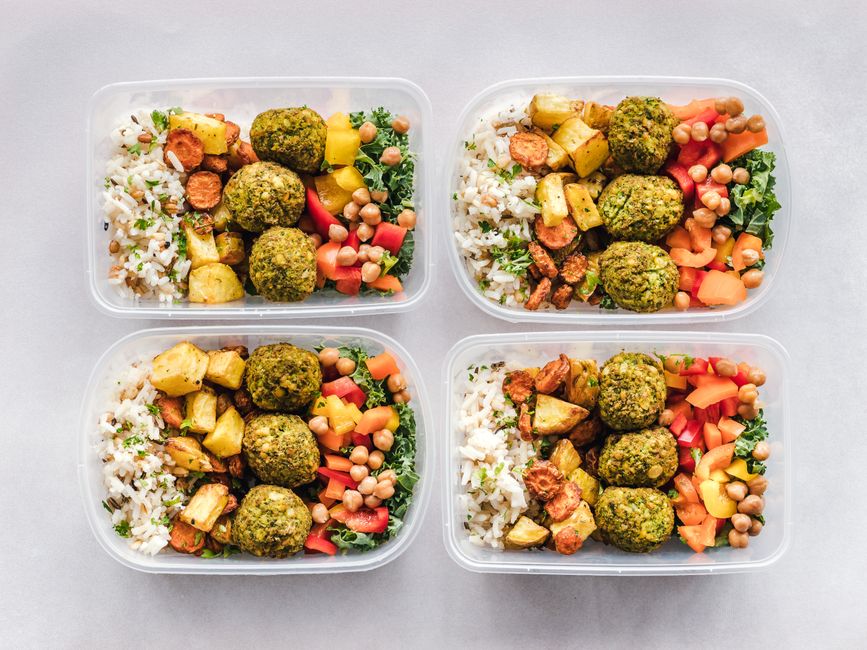
Successful intermittent fasting requires advance planning to avoid scrambling for food when your eating window opens. Start by creating a **weekly meal plan** that maps out every meal during your eating periods. This prevents impulsive food choices that derail your progress.
Adjust your portion sizes based on your eating window length. If you’re eating two meals in an 8-hour window, each meal should contain roughly 40-45% of your daily calories, with 10-15% reserved for snacks. For a 6-hour window with just two meals, bump each meal to 45-50% of your total intake.
Sample 16/8 Meal Plan (Noon-8PM Eating Window)
**First Meal (Noon):**
- Grilled chicken breast (6 oz) with olive oil and herbs
- Mixed green salad with cherry tomatoes, cucumber, and balsamic vinegar
- Quinoa or brown rice (1 cup cooked)
- Steamed broccoli with garlic
**Snack (3 PM):**
- Greek yogurt (1 cup) with berries and almonds
- Apple slices with natural peanut butter
**Second Meal (7 PM):**
- Baked salmon (5 oz) with lemon
- Roasted sweet potato (medium)
- Sautéed spinach with garlic
- Side salad with olive oil dressing
This plan provides approximately 1,600 calories with balanced macronutrients: 40% carbs, 30% protein, and 30% healthy fats. Adjust portions based on your specific calorie needs and activity level.
Preparing Healthy Meals on a Budget
Intermittent fasting doesn’t require expensive specialty foods or supplements. Focus on **affordable staples** like eggs, canned tuna, frozen vegetables, dried beans, and whole grains. Buying in bulk and choosing store brands can cut your grocery bill by 30-40%.
Batch cooking saves both time and money during intermittent fasting. Dedicate 2-3 hours on Sunday to prep proteins, chop vegetables, and cook grains for the week. Divide portions into containers so meals are ready when your eating window opens.
Budget-Friendly Shopping List
- **Proteins:** Eggs ($3-4/dozen), canned tuna ($1/can), chicken thighs ($2-3/lb), dried lentils ($1.50/lb)
- **Vegetables:** Frozen mixed vegetables ($1-2/bag), cabbage ($0.50/lb), carrots ($1/lb), onions ($1/lb)
- **Grains:** Brown rice ($2/lb), oats ($3/container), whole wheat pasta ($1.50/box)
- **Healthy fats:** Natural peanut butter ($4/jar), olive oil ($6/bottle), avocados (3 for $5)
Meal prep tips include roasting a whole chicken instead of buying breasts, making large batches of soup or chili, and freezing portions for quick meals. Shop seasonal produce for the best prices and quality.
Delicious and Nutritious Recipes
Breakfast Ideas for Breaking Your Fast
**Veggie-Packed Omelet:** Whisk 3 eggs with spinach, mushrooms, bell peppers, and feta cheese. Cook in olive oil until fluffy. Serve with whole-grain toast and avocado slices. This protein-rich meal provides sustained energy and keeps hunger at bay for hours.
**Greek Yogurt Protein Bowl:** Layer 1 cup Greek yogurt with mixed berries, granola, chia seeds, and a drizzle of honey. Add sliced banana and chopped walnuts. This balanced breakfast delivers 25+ grams of protein and healthy probiotics.
Lunch and Dinner for Your Eating Window
**Sheet Pan Chicken and Vegetables:** Season chicken breasts with paprika, garlic powder, and herbs. Arrange on a baking sheet with broccoli, bell peppers, and red onion. Drizzle with olive oil and roast at 400°F for 25 minutes. This one-pan meal requires minimal cleanup.
**Tuna Chickpea Salad:** Mix canned tuna with chickpeas, diced cucumber, cherry tomatoes, red onion, and parsley. Dress with lemon juice, olive oil, salt, and pepper. Serve over mixed greens or in a whole-wheat pita. Ready in 10 minutes with no cooking required.
**Slow Cooker Beef Chili:** Brown ground beef with onions and garlic. Add to slow cooker with kidney beans, diced tomatoes, tomato paste, chili powder, and cumin. Cook on low for 6-8 hours. This makes 6-8 servings perfect for weekly meal prep.
Smart Snack Options
- Hard-boiled eggs with everything bagel seasoning
- Celery sticks with almond butter
- Cottage cheese with cucumber slices
- Air-popped popcorn with nutritional yeast
- Apple slices with string cheese
Staying on Track with Intermittent Fasting
The first week of intermittent fasting is typically the hardest as your body adjusts to the new eating schedule. **Hunger pangs are normal** and usually pass after 10-15 minutes. Drink water, black coffee, or herbal tea when cravings hit during fasting hours.
Common challenges include social pressure to eat outside your window, evening hunger, and weekend schedule disruptions. Plan ahead for social events by adjusting your eating window that day. If dinner with friends is at 9 PM, shift your window to 1 PM-9 PM instead of noon-8 PM.
Track your progress beyond the scale. Take measurements, progress photos, and note improvements in energy levels and sleep quality. Many people find intermittent fasting reduces afternoon energy crashes and improves mental clarity. Celebrate non-scale victories like fitting into old clothes or completing workouts with more energy.
Motivation Strategies
- Join online communities for accountability and support
- Use a fasting tracker app to visualize your progress
- Prepare meals in advance to remove decision fatigue
- Focus on how you feel rather than just weight loss numbers
- Allow flexibility for special occasions without guilt
Combining Intermittent Fasting with Other Diets
Intermittent fasting pairs well with various eating patterns to accelerate weight loss results. The **keto-IF combination** is particularly popular, with many reporting faster fat loss and reduced hunger. During your eating window, focus on high-fat, moderate-protein, low-carb meals like salmon with avocado, eggs with cheese, and nuts.
A **plant-based intermittent fasting approach** emphasizes vegetables, fruits, legumes, whole grains, nuts, and seeds during eating windows. This combination provides abundant fiber and antioxidants while supporting weight loss. Focus on protein-rich plants like lentils, chickpeas, quinoa, and tofu to maintain muscle mass.
The **Mediterranean-IF hybrid** incorporates olive oil, fish, vegetables, whole grains, and moderate wine consumption during eating periods. This heart-healthy approach supports both weight loss and overall wellness. Studies suggest this combination may provide additional cardiovascular benefits beyond either approach alone.
Comparison of IF Diet Combinations
| Diet Combination | Best For | Key Foods | Potential Challenge |
|---|---|---|---|
| IF + Keto | Rapid fat loss, reduced hunger | Eggs, meat, fish, avocado, nuts | Initial adaptation fatigue |
| IF + Plant-Based | Heart health, fiber intake | Beans, lentils, vegetables, whole grains | Meeting protein needs |
| IF + Mediterranean | Balanced approach, sustainability | Olive oil, fish, vegetables, whole grains | Portion control needed |
| IF + Paleo | Whole foods focus, reduced inflammation | Meat, fish, vegetables, fruits, nuts | Higher grocery costs |
Choose a combination that matches your food preferences and lifestyle. The best diet is one you can maintain long-term, not just for a few weeks.
Frequently Asked Questions
Can I drink coffee during my fasting windows?
Yes, black coffee is allowed and even encouraged during fasting periods. Coffee contains no calories and may suppress appetite, making fasting easier. Avoid adding milk, cream, sugar, or artificial sweeteners, as these break your fast by triggering an insulin response. If you must add something, a splash of unsweetened almond milk (under 10 calories) typically won’t significantly impact your fast.
How do I handle social events and eating out while intermittent fasting?
Flexibility is key to long-term success with intermittent fasting. Shift your eating window to accommodate social events rather than missing out completely. If brunch is at 10 AM, adjust your window to 10 AM-6 PM that day. When dining out, choose protein-based meals with vegetables and ask for dressings on the side to control portions. Most restaurants accommodate special requests without issue.
What are some common mistakes beginners make with intermittent fasting meal plans?
The biggest mistake is overeating during the eating window, consuming more calories than your body needs for weight loss. Another error is choosing nutrient-poor foods like pizza and ice cream just because they fit the time window. Beginners also often quit too soon, before their body adapts to the fasting schedule (usually 2-3 weeks). Finally, many people don’t drink enough water during fasting periods, leading to fatigue and headaches that could be easily prevented.
Top Product Recommendations
| Product Name | Rating | Key Feature | Est. Price | Action |
|---|---|---|---|---|
| Top-rated intermittent fasting meal prep containers | ★★★★★ | Editor-recommended intermittent fasting meal prep containers from this guide | $18–$42 | Check Lowest Price on Amazon |
| Best-value fasting tracker app compatible devices | ★★★★☆ | Affordable fasting tracker app compatible devices — strong everyday results | $12–$28 | Check Lowest Price on Amazon |
| Premium Greek yogurt single serve cups | ★★★★☆ | Higher-end Greek yogurt single serve cups for visible, lasting results | $45–$95 | Check Lowest Price on Amazon |
Affiliate Disclosure: This post contains affiliate links. We may earn a commission if you buy through our links, at no extra cost to you. Medical Disclaimer: This content is for informational purposes only and is not medical advice. Consult a healthcare professional before changing diet or exercise.
Leave a Reply