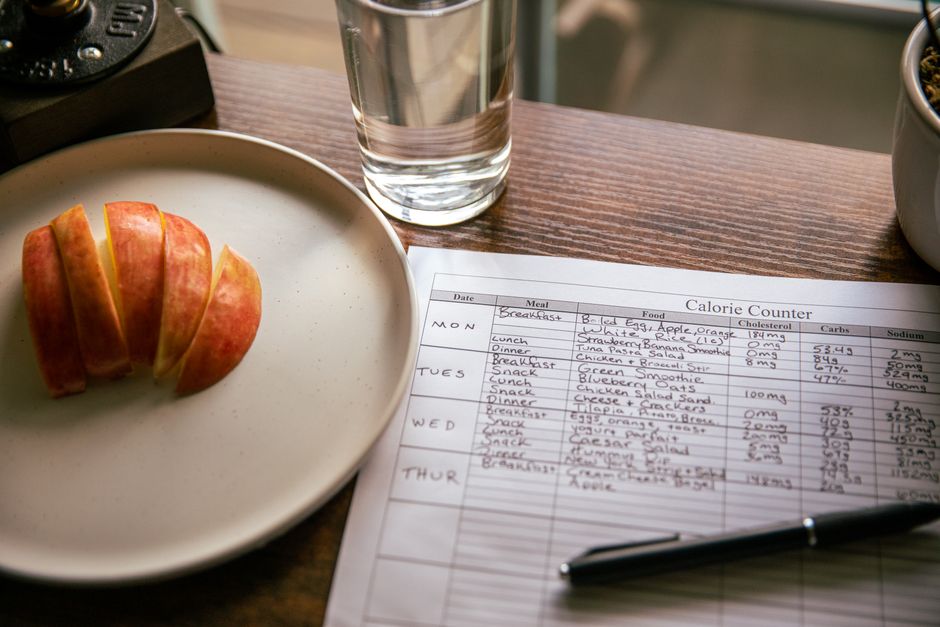
Meal Planning Challenges
Planning meals for a household in 2026 comes with unique obstacles that can derail even the best intentions. **Managing multiple dietary preferences** is one of the biggest headaches American families face today. One person wants keto, another needs gluten-free, and the kids refuse anything green.
Allergies and restrictions add another layer of complexity. Navigating nut allergies, lactose intolerance, and religious dietary laws requires careful label reading and ingredient swaps. Many home cooks spend hours researching safe substitutions only to discover their family won’t eat the final dish.
**Common meal planning mistakes** waste both time and money. Buying ingredients without a clear weekly menu leads to forgotten produce rotting in the crisper drawer. Overambitious recipes that require specialty items you’ll never use again drain your grocery budget. Without a system, you’ll find yourself ordering takeout by Wednesday despite Sunday’s best intentions.
Finding fresh inspiration keeps meal planning from becoming monotonous. Eating the same rotation of seven dinners gets boring fast. Yet scrolling through recipe sites for hours defeats the time-saving purpose of meal prep. You need a streamlined approach that balances variety with efficiency.
Editor’s pick: meal prep containers glass compartments — compare options and current availability.
Solving Meal Prep Problems
**Clear communication** is the foundation of successful family meal planning. Hold a weekly household meeting where everyone lists their dietary needs and favorite foods. Write these preferences on a whiteboard or shared digital note so nothing gets forgotten when you’re grocery shopping.
Document allergies and restrictions in detail. Note which family members avoid gluten, dairy, or specific vegetables. Keep a running list of safe brands and products that meet everyone’s requirements. This reference sheet saves you from rereading labels every shopping trip.
**Avoid the top meal planning mistakes** by learning from others’ experiences. Don’t plan seven elaborate dinners when you only have energy to cook four nights. Build in leftover nights and simple backup meals. Skip recipes with more than ten ingredients or exotic spices you’ll use once.
Batch similar tasks together for maximum efficiency. Chop all vegetables at once rather than pulling out the cutting board daily. Cook multiple protein sources simultaneously using different oven racks. This assembly-line approach cuts your active kitchen time in half.
**Reddit-inspired meal plan generators** offer personalized suggestions based on your specific needs. These tools ask about dietary restrictions, cooking skill level, and available time. They generate weekly menus with coordinated shopping lists, eliminating the decision fatigue that derails meal prep. Many users report saving 3-4 hours per week using automated planning tools.
Meal Prep Time-Savers
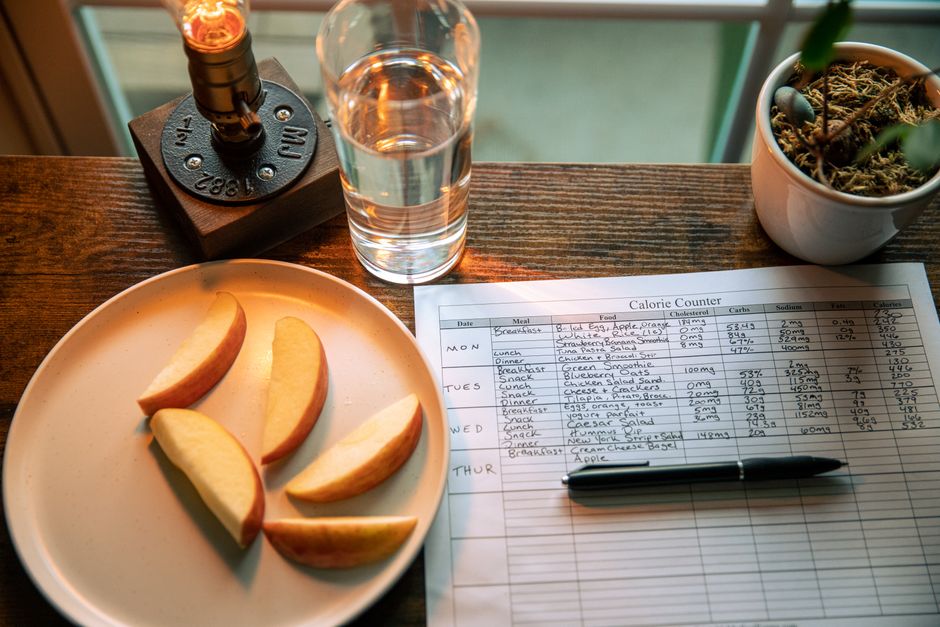
Dedicating **one prep day per week** transforms your meal planning success rate. Sunday afternoon works for most American households, giving you ready-to-eat options for busy weeknights. Block off 2-3 hours when you won’t be interrupted.
Start with proteins since they take longest to cook. Season and bake chicken breasts, grill burger patties, or slow-cook a pot roast all at once. While proteins cook, wash and chop vegetables for the entire week. Store prepped ingredients in clear containers so you can see what’s available.
**Simple recipes save time** without sacrificing nutrition or flavor. Sheet pan dinners require minimal prep and one dish to wash. Slow cooker meals let you dump ingredients in the morning and return to a ready dinner. Instant Pot recipes cut cooking time by 60% compared to traditional methods.
No-cook meals deserve a spot in your rotation. Greek yogurt parfaits with granola and berries make satisfying breakfasts. Mason jar salads with protein stay fresh for five days. Rotisserie chicken from the grocery store becomes tacos, salads, or grain bowls with zero cooking required.
**Bulk preparation** multiplies your efficiency gains. When making meatballs, form 60 instead of 20 and freeze the extras. Cook a full pound of quinoa even if tonight’s recipe needs half. Triple your favorite soup recipe and freeze individual portions for emergency meals.
Budget-Friendly Meal Planning
**Buying in bulk** dramatically reduces your per-meal cost when done strategically. Warehouse clubs offer savings on pantry staples like rice, oats, and canned tomatoes. Split large packages with a neighbor if your household can’t use everything before expiration. Freeze excess meat and bread to extend shelf life.
Watch for sales cycles at your regular grocery store. Stock up when chicken drops below $2 per pound or canned beans go on promotion. Build your weekly menu around what’s discounted rather than starting with recipes. Most stores follow predictable patterns, with beef sales every 6-8 weeks.
**Seasonal produce** costs half as much and tastes better than out-of-season imports. Berries shine in summer, squash dominates fall, and citrus peaks in winter. Farmers markets offer even better deals in the final hour when vendors want to sell out. Buy extra and freeze or preserve surplus for later months.
Plan meals that share ingredients across multiple dishes. A rotisserie chicken provides meat for Monday tacos, Tuesday salad, and Wednesday soup. One bunch of cilantro garnishes three different meals. This overlap prevents waste and reduces your total ingredient count.
**Leftover transformation** stretches your food budget further. Monday’s roasted vegetables become Tuesday’s frittata filling. Wednesday’s rice turns into Friday’s fried rice. Stale bread becomes croutons or bread pudding. Americans waste $1,500 worth of food per household annually—repurposing leftovers captures that value.
Healthy Meal Planning Tips
**Balanced macronutrients** in each meal keep energy stable and hunger at bay. Aim for a palm-sized portion of protein, a fist of complex carbs, and two fists of vegetables. This ratio supports weight management without requiring calorie counting. Add a thumb of healthy fat from avocado, nuts, or olive oil.
Protein should anchor every meal and snack. Greek yogurt, eggs, lean meats, fish, tofu, and legumes all qualify. Protein increases satiety hormones and preserves muscle mass during weight loss. Most Americans need 0.8-1.0 grams per pound of body weight daily.
**Vegetable variety** ensures you get different vitamins, minerals, and phytonutrients. Eat a rainbow throughout the week—red peppers, orange carrots, yellow squash, green broccoli, purple cabbage. Frozen vegetables retain nutrients and eliminate prep work. Keep three types in your freezer for emergency side dishes.
Fruit adds natural sweetness and fiber to meals. Berries pack the most nutrition per calorie. Apples and bananas travel well for on-the-go snacks. Limit fruit juice since it lacks fiber and spikes blood sugar like soda.
**Healthy cooking methods** preserve nutrients and minimize added calories. Grilling, baking, steaming, and air frying require little or no oil. Avoid deep frying and heavy cream sauces that add hundreds of calories. Season with herbs, spices, citrus, and vinegar instead of salt and butter.
Meal Prep Recipes for Weight Loss
**Gluten-free recipes** work for weight loss and celiac disease management simultaneously. Cauliflower rice stir-fry with shrimp delivers protein and vegetables without grains. Lettuce wrap tacos eliminate tortilla calories while increasing crunch. Zucchini noodles with turkey meatballs satisfy pasta cravings for 300 calories instead of 600.
Breakfast egg muffins baked in a muffin tin provide portable protein. Mix eggs with diced peppers, spinach, and turkey sausage. Bake a dozen on Sunday and rehab one each morning. Each muffin contains 80-100 calories and keeps you full until lunch.
**Savory dinner recipes** designed for weight loss emphasize lean proteins and non-starchy vegetables. Baked salmon with roasted Brussels sprouts and sweet potato provides omega-3 fats and fiber. Chicken breast with cauliflower mash and green beans cuts carbs while maintaining satisfaction. Turkey chili loaded with beans and tomatoes serves six for under 300 calories per bowl.
Sheet pan dinners minimize cleanup while maximizing nutrition. Arrange chicken thighs, broccoli, and cherry tomatoes on one pan. Drizzle with olive oil and Italian seasoning. Roast at 425°F for 35 minutes. The entire meal cooks hands-free while you prep tomorrow’s lunch.
**Reddit-inspired meal ideas** often feature budget-friendly, high-protein options. The popular “burrito bowl” formula lets you mix and match bases, proteins, and toppings. Start with cauliflower rice or greens, add seasoned ground turkey or black beans, top with salsa and Greek yogurt. Prep components separately and assemble fresh each day.
Meal Planning Tools and Resources
**Reddit-approved meal plan generators** use algorithms to create customized weekly menus. Input your dietary restrictions, calorie target, and cooking skill level. The generator produces seven days of recipes with an organized shopping list. Popular options include Eat This Much, Mealime, and PlateJoy.
These tools learn your preferences over time. Rate recipes after cooking them and the system adjusts future suggestions. Most offer free basic plans with premium features for $5-10 monthly. The time saved on planning typically justifies the small investment.
**Meal planning apps** keep your recipes, lists, and schedule in one place. Paprika and Plan to Eat let you clip recipes from any website and build meal plans from your collection. Automatically generated shopping lists organize by store section. Family members can access shared plans from their phones.
Free spreadsheet templates work well for analog planners. Google Sheets offers shareable meal planning templates you can customize. Print and post on your refrigerator for easy reference. Some users prefer the tactile experience of crossing off completed prep tasks.
**Meal prep containers** make portion control automatic and storage organized. Glass containers with divided sections keep foods separate and microwave safely. BPA-free plastic containers cost less and weigh less for packed lunches. Buy uniform sizes so they stack neatly in your refrigerator.
Invest in quality food storage to prevent waste. Airtight containers keep prepped vegetables fresh for 5-7 days. Freezer-safe bags and containers preserve batch-cooked meals for three months. Label everything with contents and date using masking tape and permanent marker.
Frequently Asked Questions
Q: What are the most common meal planning mistakes beginners make?
A: **Overcomplicating recipes** tops the list of beginner errors. Choose simple dishes with 5-7 ingredients until you build confidence. Not accounting for family preferences and dietary restrictions leads to wasted food when no one eats what you prepared. Failing to schedule realistic cooking time results in abandoned meal plans by midweek. Start with 3-4 planned dinners and build up gradually.
Q: How can I make my meal planning more efficient and time-saving?
A: **Batch prep on a single day** delivers the biggest efficiency gain. Dedicate 2-3 hours on Sunday to wash, chop, and cook ingredients for the entire week. Use simple recipes that require one pot or sheet pan to minimize cleanup. Repeat favorite meals every 2-3 weeks so you memorize the process and shop faster. Frozen vegetables eliminate chopping while maintaining nutrition.
Q: What are some healthy meal planning tips for weight loss?
A: **Balance each plate** with lean protein, non-starchy vegetables, and a small portion of complex carbs. Measure portions initially until you can eyeball appropriate serving sizes. Prep healthy snacks like cut vegetables, hard-boiled eggs, and portioned nuts to prevent vending machine temptation. Use smaller plates to naturally reduce portion sizes without feeling deprived. Drink water before meals to increase satiety and prevent overeating.
Top Product Recommendations
| Product Name | Rating | Key Feature | Est. Price | Action |
|---|---|---|---|---|
| Top-rated meal prep containers glass compartments | ★★★★★ | Editor-recommended meal prep containers glass compartments from this guide | $18–$42 | Check Lowest Price on Amazon |
| Best-value food storage containers airtight set | ★★★★☆ | Affordable food storage containers airtight set — strong everyday results | $12–$28 | Check Lowest Price on Amazon |
| Premium kitchen food scale digital portion control | ★★★★☆ | Higher-end kitchen food scale digital portion control for visible, lasting results | $45–$95 | Check Lowest Price on Amazon |
Affiliate Disclosure: This post contains affiliate links. We may earn a commission if you buy through our links, at no extra cost to you. Medical Disclaimer: This content is for informational purposes only and is not medical advice. Consult a healthcare professional before changing diet or exercise.
Leave a Reply