Understanding Intermittent Fasting
Intermittent fasting has become one of the most popular weight loss strategies in America, and for good reason. This eating pattern cycles between periods of eating and fasting, helping your body burn fat more efficiently while simplifying your daily routine. Research shows that intermittent fasting can lead to **3-8% weight loss** over 3-24 weeks, making it a sustainable approach for busy Americans.
There are several intermittent fasting methods to choose from. The **16/8 method** involves fasting for 16 hours and eating during an 8-hour window, typically skipping breakfast and eating between noon and 8 PM. The **5:2 diet** allows normal eating five days a week while restricting calories to 500-600 on two non-consecutive days. The **eat-stop-eat** approach involves 24-hour fasts once or twice weekly.
Choosing the right plan depends on your lifestyle and goals. If you’re not a morning person, the 16/8 method works perfectly since you can skip breakfast naturally. Busy professionals often prefer this schedule because it eliminates meal prep for one meal. The 5:2 diet suits people who want flexibility most days but can handle stricter eating twice weekly.
Editor’s pick: meal prep containers glass — compare options and current availability.
Preparing for Intermittent Fasting
Before starting intermittent fasting, ease into it gradually to avoid headaches and fatigue. Begin by pushing breakfast back one hour each day until you reach your target fasting window. This gradual approach helps your body adjust to the new eating schedule without shocking your system.
**Hydration is critical** during fasting periods. Drink at least 8-10 glasses of water daily, spreading intake throughout both fasting and eating windows. Black coffee, plain tea, and sparkling water are allowed during fasting and can help curb hunger. Avoid adding cream, sugar, or artificial sweeteners that break your fast.
Stock your kitchen with the right foods before starting. Focus on **whole foods, lean proteins, healthy fats, and fiber-rich vegetables** that will keep you satisfied during eating windows. Remove tempting processed snacks that might derail your progress. Meal prep on Sundays to ensure you have nutritious options ready when your eating window opens.
The Best Foods for Intermittent Fasting
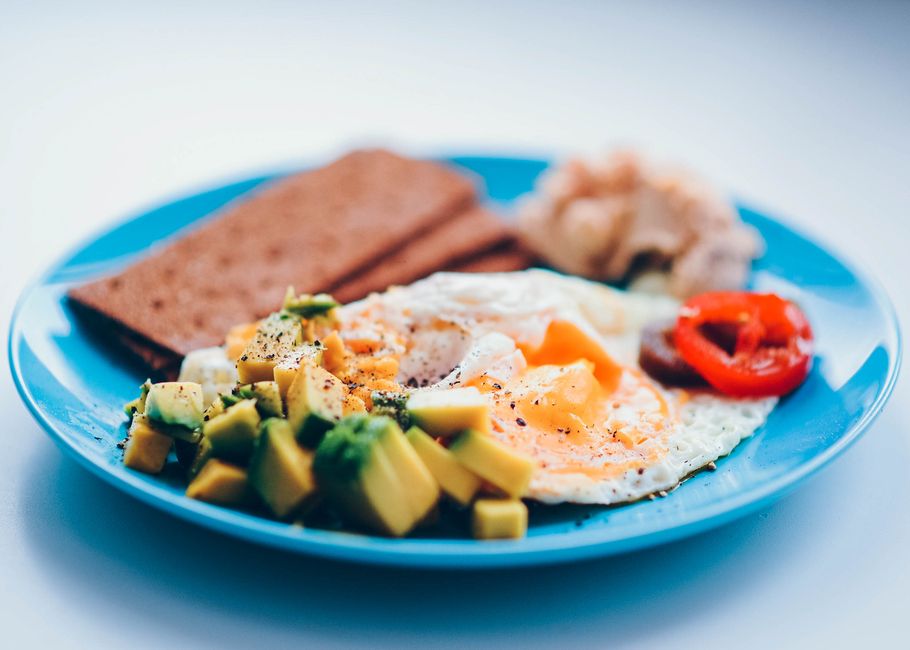
Nutrient-dense foods are essential for maximizing results during intermittent fasting. Your eating window is limited, so every calorie should provide vitamins, minerals, and sustained energy. **Lean proteins like chicken breast, fish, eggs, and Greek yogurt** help preserve muscle mass while promoting fat loss.
Healthy fats from avocados, nuts, olive oil, and fatty fish keep you full between meals. These foods slow digestion and provide steady energy without blood sugar spikes. Pair them with **fiber-rich vegetables like broccoli, spinach, cauliflower, and Brussels sprouts** that fill you up with minimal calories.
Complex carbohydrates from quinoa, sweet potatoes, oats, and brown rice provide sustained energy during your eating window. Avoid simple carbs and sugary foods that cause energy crashes and increased hunger. Berries make exc nt snacks, offering antioxidants and fiber with natural sweetness that satisfies cravings.
Meal Plan Ideas for Intermittent Fasting
Here’s a sample **16/8 meal plan** for a typical weekday. Your eating window runs from 12 PM to 8 PM, allowing two main meals and one snack.
**Meal 1 (12 PM):** Grilled chicken salad with mixed greens, cherry tomatoes, cucumber, avocado, and olive oil dressing. Side of quinoa (approximately 450 calories).
**Snack (3 PM):** Greek yogurt with berries and a handful of almonds (approximately 250 calories).
**Meal 2 (7 PM):** Baked salmon with roasted Brussels sprouts and sweet potato. Small side salad (approximately 550 calories).
For budget-conscious Americans, swap salmon for canned tuna or chicken thighs. Replace quinoa with brown rice or regular oats. Frozen vegetables cost less than fresh and retain similar nutritional value. Buy seasonal produce and prep meals in bulk to save money.
**Dietary swaps** make intermittent fasting accessible for everyone. Vegetarians can replace animal proteins with lentils, chickpeas, tofu, or tempeh. Vegans should focus on combining plant proteins and supplementing with B12. Those with gluten sensitivity can substitute quinoa, rice, or gluten-free oats for wheat-based carbs.
Recipes for Intermittent Fasting
**High-Protein Breakfast Bowl** (Breaking your fast)
- 2 scrambled eggs cooked in olive oil
- 1/2 cup black beans
- 1/4 avocado, sliced
- Handful of spinach
- Salsa and hot sauce to taste
Cook eggs over medium heat until fluffy. Warm black beans and spinach in a separate pan. Combine in a bowl and top with avocado and salsa. This meal provides **25g of protein** and healthy fats to start your eating window strong. Prep time: 10 minutes. Serves: 1.
**Mediterranean Chicken Sheet Pan** (Easy dinner)
- 4 chicken thighs, bone-in
- 2 cups broccoli florets
- 1 red bell pepper, sliced
- 1 zucchini, chopped
- 2 tablespoons olive oil
- Lemon juice, garlic, oregano
Toss vegetables and chicken with olive oil and seasonings. Spread on a baking sheet and roast at 425°F for 35-40 minutes until chicken reaches 165°F internal temperature. This recipe meal-preps easily and provides **4 servings** for the week. Swap chicken thighs for breasts if you prefer leaner protein.
**No-Bake Energy Balls** (Healthy snack)
- 1 cup rolled oats
- 1/2 cup natural peanut butter
- 1/3 cup honey
- 1/4 cup dark chocolate chips
- 2 tablespoons chia seeds
Mix all ingredients in a bowl until combined. Roll into 1-inch balls and refrigerate for 30 minutes. These provide quick energy during your eating window without refined sugar. Makes approximately 20 balls. Store in the fridge for up to one week.
Staying on Track with Intermittent Fasting
The first week is the hardest as your body adjusts to the new eating schedule. Common challenges include **hunger pangs, low energy, and irritability** during fasting periods. Combat hunger by drinking water, black coffee, or herbal tea. Most people report that hunger subsides after the first 5-7 days.
Track your progress beyond just the scale. Take measurements, progress photos, and note how your clothes fit. Energy levels, sleep quality, and mental clarity often improve before significant weight loss occurs. Use a food tracking app during your eating window to ensure you’re meeting calorie and protein goals without overeating.
Avoid common mistakes that sabotage results. Don’t compensate for fasting by overeating during your window. Breaking your fast with processed foods or sugar causes blood sugar crashes and increased hunger. Stay consistent with your fasting schedule even on weekends, as frequent changes confuse your body and slow progress.
Combining Intermittent Fasting with Other Diets
Intermittent fasting pairs exceptionally well with the **ketogenic diet**. Both approaches encourage fat burning by keeping insulin levels low. During your eating window, focus on high-fat, moderate-protein, low-carb foods like eggs, avocado, nuts, fatty fish, and non-starchy vegetables. This combination can accelerate weight loss but requires careful planning to meet nutritional needs.
Vegetarians and vegans can successfully practice intermittent fasting with proper planning. Focus on **plant-based proteins like lentils, chickpeas, tofu, tempeh, and quinoa**. Ensure adequate intake of iron, calcium, and B12 through fortified foods or supplements. Nuts, seeds, and avocados provide essential fats that keep you satisfied during eating windows.
| Diet Combination | Key Benefits | Important Considerations |
|---|---|---|
| Keto + IF | Faster fat burning, reduced hunger | May feel tired initially, requires fat adaptation |
| Vegetarian + IF | High fiber, lower calories | Need protein planning, B12 supplementation |
| Paleo + IF | Whole foods focus, reduces inflammation | More expensive, requires meal prep |
| Mediterranean + IF | Heart-healthy, sustainable | Moderate weight loss, longer timeline |
Some Americans combine intermittent fasting with **calorie cycling**, eating fewer calories on fasting days and more on training days. This approach works well for active individuals who exercise regularly. Time your heaviest meals around workouts to maximize performance and recovery.
Frequently Asked Questions
Q: What is the best time of day to break my fast?
A: The best time depends on your schedule and when you feel most hungry. Most Americans break their fast between 12 PM and 1 PM, allowing them to eat lunch and dinner with family. If you exercise in the morning, you might prefer breaking your fast earlier around 10 AM to refuel. The key is consistency—stick with the same eating window daily for best results.
Q: How can I avoid feeling hungry during fasting periods?
A: Drink plenty of water, black coffee, or herbal tea throughout your fasting window. Stay busy with work or activities to distract from hunger. Hunger comes in waves and typically passes after 15-20 minutes. If you’re genuinely struggling, try a shorter fast initially and gradually extend it. Make sure you’re eating enough protein and fiber during your eating window to stay satisfied longer.
Q: Can I drink coffee or tea while fasting?
A: Yes, black coffee and plain tea (green, black, herbal) are allowed and won’t break your fast. These beverages actually help suppress appetite and provide energy during fasting periods. Avoid adding cream, milk, sugar, or artificial sweeteners, as these contain calories that break your fast. You can add a pinch of cinnamon or a squeeze of lemon for flavor without impacting your fast.
Top Product Recommendations
| Product Name | Rating | Key Feature | Est. Price | Action |
|---|---|---|---|---|
| Top-rated meal prep containers glass | ★★★★★ | Editor-recommended meal prep containers glass from this guide | $18–$42 | Check Lowest Price on Amazon |
| Best-value digital food scale for weight loss | ★★★★☆ | Affordable digital food scale for weight loss — strong everyday results | $12–$28 | Check Lowest Price on Amazon |
| Premium insulated water bottle 32 oz | ★★★★☆ | Higher-end insulated water bottle 32 oz for visible, lasting results | $45–$95 | Check Lowest Price on Amazon |
Affiliate Disclosure: This post contains affiliate links. We may earn a commission if you buy through our links, at no extra cost to you. Medical Disclaimer: This content is for informational purposes only and is not medical advice. Consult a healthcare professional before changing diet or exercise.
Leave a Reply