
Why the Best Diet 2026 Meal Plan Works

The Best Diet 2026 meal plan builds on evidence-based nutrition science that emphasizes **whole foods**, balanced macronutrients, and sustainable eating patterns. Research shows that diets rich in vegetables, lean proteins, and healthy fats support weight management and long-term health better than restrictive fad diets. This approach eliminates the guesswork by providing structured meals that fit real life.
Flexibility is the cornerstone of this plan. Whether you’re managing diabetes, following a plant-based lifestyle, or simply trying to lose weight, the framework adapts to your needs. You’ll find options for vegetarians, pescatarians, and omnivores without sacrificing taste or satisfaction. The focus stays on nutrient density rather than calorie counting alone.
Unprocessed foods form the foundation of every meal. You’ll minimize added sugars, refined grains, and artificial ingredients while maximizing fiber, vitamins, and minerals. This keeps energy levels stable throughout the day and reduces cravings that derail other diets.
Editor’s pick: meal prep containers glass — compare options and current availability.
Weekly Meal Plan Overview
The 7-day schedule balances **40% carbohydrates, 30% protein, and 30% healthy fats** to support metabolism and muscle maintenance. Each day includes three main meals and two optional snacks, totaling approximately 1,600-1,800 calories for weight loss or 2,000-2,200 for maintenance. Adjust portions based on your activity level and goals.
Meal prep happens twice weekly—Sunday and Wednesday evenings. Batch cooking proteins like grilled chicken, baked salmon, and hard-boiled eggs saves time on busy mornings. Chop vegetables for salads and roast a large tray of mixed veggies to portion into containers. This strategy cuts daily cooking time to under 15 minutes per meal.
The weekly rotation prevents boredom while keeping grocery lists manageable. Monday through Wednesday features lighter meals with more vegetables, while Thursday through Sunday incorporates heartier options like stews and casseroles. This rhythm matches most Americans’ social schedules, allowing flexibility for weekend gatherings without derailing progress.
Breakfast Ideas
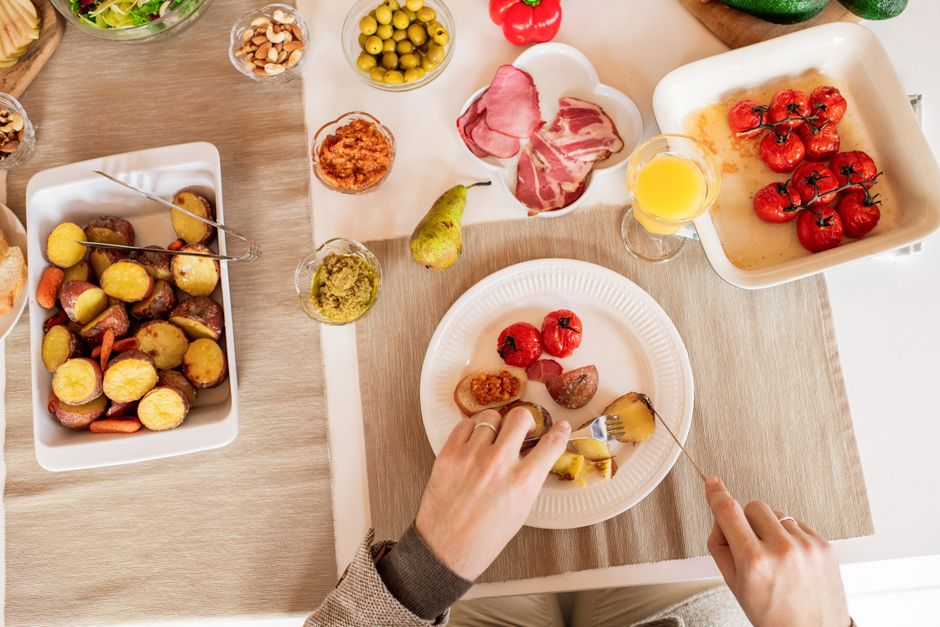
High-protein breakfasts jumpstart your metabolism and keep hunger at bay until lunch. **Greek yogurt parfaits** with mixed berries, chia seeds, and a drizzle of honey provide 25 grams of protein and probiotics for gut health. Pair with a small handful of almonds for extra staying power.
For grab-and-go mornings, **egg muffins** are game-changers. Whisk together 8 eggs, diced bell peppers, spinach, and turkey sausage, then bake in a muffin tin at 350°F for 20 minutes. Make a dozen on Sunday and reheat two each morning for a portable 18-gram protein punch. Add hot sauce or salsa for extra flavor without added sugar.
Quick oatmeal remains a winner when prepared right. Use steel-cut oats for better blood sugar control, and cook with unsweetened almond milk instead of water. Top with sliced banana, a tablespoon of almond butter, and cinnamon. This combination delivers complex carbs, healthy fats, and natural sweetness in under 10 minutes.
Lunch Options
Salad bowls offer endless variety when you master the formula: **greens + protein + healthy fat + complex carb + dressing**. Start with mixed greens or spinach, add 4 ounces of grilled chicken or chickpeas, toss in half an avocado, sprinkle quinoa or roasted sweet potato cubes, and finish with balsamic vinaigrette. This keeps you full for hours without the afternoon crash.
Wraps beat sandwiches for portion control and veggie loading. Use whole-grain tortillas or collard green leaves as the base. Layer hummus, sliced turkey breast, cucumber, shredded carrots, and mixed greens. Roll tightly and slice in half for a lunch that travels well. Swap turkey for tuna salad made with Greek yogurt instead of mayo for omega-3 fatty acids.
| Option | Prep Time | Protein (g) | Best For |
|---|---|---|---|
| Mason Jar Salad | 15 min | 22 | Meal Prep |
| Turkey Wrap | 5 min | 24 | Quick Lunch |
| Leftover Bowl | 3 min | 20 | Using Dinner Extras |
Homemade lunches save money and cut sodium compared to restaurant meals. The average deli sandwich contains 1,500mg of sodium, while your homemade version stays under 400mg. That difference matters for blood pressure and water retention.
Dinner Recipes
One-pot meals simplify cleanup without sacrificing nutrition. **Sheet pan chicken and vegetables** is a weeknight staple: arrange chicken thighs, broccoli florets, cherry tomatoes, and sliced zucchini on a baking sheet. Drizzle with olive oil, season with garlic powder and Italian herbs, then roast at 425°F for 35 minutes. Everything cooks together, and you’ll have leftovers for tomorrow’s lunch.
Slow cookers transform tough cuts into tender meals while you work. Try **turkey chili** with ground turkey, kidney beans, diced tomatoes, bell peppers, and chili powder. Set it on low for 6-8 hours, and come home to a protein-packed dinner. Top with a dollop of Greek yogurt and chopped cilantro. One batch yields 6-8 servings for the freezer.
Instant Pot recipes cut cooking time dramatically. **Quinoa burrito bowls** cook quinoa, black beans, and seasoned chicken breast together in 15 minutes under pressure. Release the pressure, fluff the quinoa, and serve with salsa, avocado slices, and shredded lettuce. This beats takeout on speed and beats fast food on nutrition every time.
Healthy Snacks and Desserts
Smart snacking bridges the gap between meals without adding empty calories. **Apple slices with almond butter** combine fiber and healthy fats for sustained energy. Use 1 tablespoon of nut butter to keep portions in check. Add a sprinkle of cinnamon for blood sugar benefits.
Vegetable sticks with hummus satisfy the crunch craving while loading up on vitamins. Baby carrots, celery, and bell pepper strips pair perfectly with 2-3 tablespoons of hummus. This snack delivers protein, fiber, and antioxidants for under 150 calories. Make individual portions in small containers for grab-and-go convenience.
Guilt-free desserts exist when you focus on natural sweetness. **Frozen banana “nice cream”** blends frozen banana chunks with a splash of vanilla extract and cocoa powder for a creamy treat. No added sugar needed—the banana provides sweetness and potassium. Top with crushed walnuts for omega-3s and crunch.
Grocery Shopping and Meal Prep
Pantry staples form the backbone of efficient meal planning. Stock **quinoa, brown rice, canned beans, olive oil, and a variety of spices** to build meals quickly. Keep frozen vegetables on hand for nights when fresh produce runs low. Canned wild-caught salmon and tuna provide emergency protein options.
Time-saving prep techniques multiply your efficiency. Wash and chop all vegetables immediately after grocery shopping, storing them in clear containers at eye level in the fridge. Cook a large batch of grains like quinoa or farro to use across multiple meals. Marinate proteins the night before cooking to cut active prep time in half.
Budget-friendly swaps keep costs manageable without sacrificing quality:
- Replace fresh berries with frozen for smoothies and oatmeal
- Buy whole chickens and roast them yourself instead of pre-cooked rotisserie
- Choose in-season produce for maximum nutrition at minimum cost
- Use canned beans instead of dried when time is tight—just rinse to reduce sodium
- Substitute Greek yogurt for sour cream in recipes for extra protein
Frequently Asked Questions
Q: What makes the Best Diet 2026 different from other meal plans?
A: This plan emphasizes **whole foods and flexibility** rather than rigid rules or extreme restrictions. It incorporates current nutrition science about balanced macronutrients, fiber intake, and sustainable eating patterns. You can adapt every recipe for dietary preferences without losing the core benefits. The focus on meal prep makes it practical for busy Americans who don’t have time to cook from scratch three times daily.
Q: Can I follow this meal plan if I’m vegetarian or vegan?
A: Absolutely. Swap animal proteins for plant-based alternatives like **tofu, tempeh, lentils, and chickpeas** while maintaining the same meal structure. Greek yogurt becomes coconut or almond yogurt, and eggs can be replaced with tofu scrambles or chickpea flour omelets. The macronutrient ratios stay balanced when you include a variety of legumes, nuts, seeds, and whole grains. Add a B12 supplement if following a strict vegan version.
Q: How do I stick to this plan with a hectic work schedule and family obligations?
A: Batch cooking on weekends is your best strategy. Dedicate **2-3 hours on Sunday** to prep proteins, chop vegetables, and cook grains for the week ahead. Use slow cookers or Instant Pots for hands-off cooking while you handle other tasks. Keep emergency meals in the freezer—homemade burrito bowls, chili, or soup portions reheat in minutes. Involve family members in meal prep to share the workload and teach healthy habits. Even 30 minutes of prep cuts daily cooking time significantly.
Top Product Recommendations
| Product Name | Rating | Key Feature | Est. Price | Action |
|---|---|---|---|---|
| Top-rated meal prep containers glass | ★★★★★ | Editor-recommended meal prep containers glass from this guide | $18–$42 | Check Lowest Price on Amazon |
| Best-value Instant Pot pressure cooker | ★★★★☆ | Affordable Instant Pot pressure cooker — strong everyday results | $12–$28 | Check Lowest Price on Amazon |
| Premium food storage containers set | ★★★★☆ | Higher-end food storage containers set for visible, lasting results | $45–$95 | Check Lowest Price on Amazon |
Affiliate Disclosure: This post contains affiliate links. We may earn a commission if you buy through our links, at no extra cost to you. Medical Disclaimer: This content is for informational purposes only and is not medical advice. Consult a healthcare professional before changing diet or exercise.
Leave a Reply