Understanding Intermittent Fasting
Intermittent fasting (IF) is an eating pattern that cycles between periods of eating and fasting. Unlike traditional diets that focus on *what* you eat, IF emphasizes *when* you eat. This approach has gained massive popularity in the US for its potential to support **weight loss**, improve metabolic health, and simplify meal planning.
The benefits of intermittent fasting for weight loss are backed by research and real-world results. When you fast, your body shifts from burning glucose to burning stored fat for energy. This metabolic switch can lead to steady, sustainable weight loss without the need for extreme calorie restriction. Many Americans report reduced inflammation, better blood sugar control, and increased mental clarity.
Popular intermittent fasting methods include the **16:8 method** (fasting for 16 hours and eating within an 8-hour window), the **5:2 diet** (eating normally five days a week and restricting calories to 500-600 on two non-consecutive days), and **alternate day fasting** (alternating between regular eating days and very low-calorie fasting days). The 16:8 method is the most beginner-friendly and fits easily into most American lifestyles.
Editor’s pick: meal prep containers glass — compare options and current availability.
Foods to Enjoy on Fasting Days
When you’re in your eating window, focus on **nutrient-dense, whole foods** that fuel your body without excessive calories. Lean proteins like grilled chicken breast, turkey, fish, and eggs help preserve muscle mass during weight loss. Plant-based options such as lentils, chickpeas, and tofu provide protein and fiber.
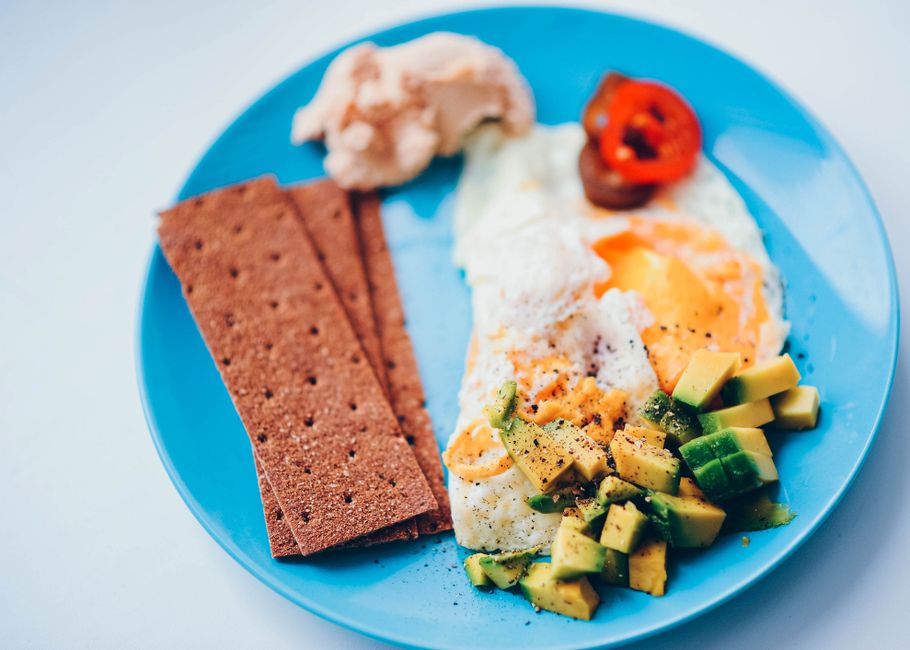
Foods that keep you full longer include high-fiber vegetables like broccoli, Brussels sprouts, and leafy greens. Healthy fats from avocados, nuts, seeds, and olive oil promote satiety and support hormone production. Complex carbohydrates such as quinoa, sweet potatoes, and oatmeal provide steady energy without blood sugar spikes.
Hydrating foods and beverages are crucial during fasting periods. Water should be your primary drink, but **black coffee, green tea, and herbal teas** are allowed during fasting hours. During eating windows, enjoy water-rich foods like cucumbers, watermelon, berries, and citrus fruits. Bone broth is an exc nt option for lighter fasting days, providing minerals and electrolytes.
Foods to Avoid on Fasting Days
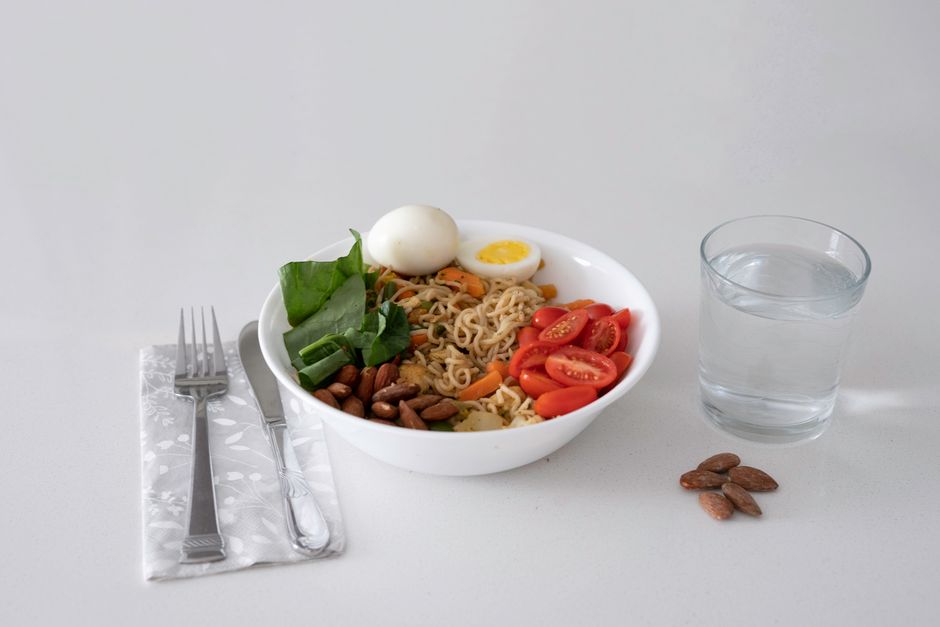
High-calorie, processed foods sabotage your intermittent fasting efforts. Avoid fast food, packaged snacks, frozen meals with excessive sodium, and sugary breakfast cereals. These items provide empty calories without nutritional value and can trigger cravings that make fasting more difficult.
Foods high in sugar and unhealthy fats include candy, cookies, pastries, fried foods, and sugary beverages like soda and sweetened coffee drinks. **Refined carbohydrates** such as white bread, white rice, and regular pasta cause rapid blood sugar fluctuations. Trans fats found in margarine and commercially baked goods promote inflammation.
Foods that cause bloating and discomfort should be limited, especially when breaking your fast. Cruciferous vegetables in large quantities, beans without proper preparation, carbonated drinks, and high-sodium foods can lead to digestive distress. Artificial sweeteners may also disrupt gut bacteria and increase cravings, so use them sparingly.
Preparing for Your Intermittent Fasting Meal Plan
Stocking your pantry with healthy ingredients sets you up for success. Keep **lean proteins** in your freezer (chicken breasts, salmon fillets, ground turkey), **canned goods** like black beans and diced tomatoes, and **whole grains** such as brown rice and quinoa. Store nuts, seeds, and nut butters for quick healthy fats.
Meal prepping and planning saves time and reduces decision fatigue. Dedicate 2-3 hours on Sunday to batch-cook proteins, chop vegetables, and portion out snacks. Prepare grab-and-go options like hard-boiled eggs, overnight oats, and pre-portioned salads. Cook large batches of soups, stews, and casseroles that reheat easily.
Staying organized means using clear containers, labeling meals with dates, and keeping a simple meal calendar. Download a fasting tracker app to monitor your eating windows and water intake. Plan your meals around your schedule—if you have early morning meetings, consider a noon-to-8pm eating window instead of breaking your fast at breakfast.
Sample Intermittent Fasting Meal Plan
For a **16:8 schedule** with a noon-to-8pm eating window, start your day with black coffee or green tea. Break your fast at noon with a balanced meal: grilled chicken salad with mixed greens, cherry tomatoes, cucumbers, avocado, and olive oil dressing. Include a side of quinoa or a small sweet potato for sustained energy.
Lunch and dinner ideas should emphasize protein and vegetables. Mid-afternoon (around 3-4pm), enjoy baked salmon with roasted Brussels sprouts and brown rice, or a turkey and vegetable stir-fry over cauliflower rice. For your final meal before 8pm, try lean beef with steamed broccoli and a small portion of whole grain pasta, or a hearty vegetable and bean soup with a side salad.
Snacks and treats within your eating window keep you satisfied. Options include Greek yogurt with berries, apple slices with almond butter, hummus with carrot sticks, a handful of mixed nuts, or a protein smoothie made with unsweetened almond milk. Dark chocolate (70% cacao or higher) in small amounts satisfies sweet cravings without derailing progress.
Easy, Healthy Recipes for Intermittent Fasting
**Breakfast recipe:** Veggie-packed scramble—whisk 2-3 eggs with a splash of unsweetened almond milk. Sauté diced bell peppers, spinach, and mushrooms in olive oil. Pour eggs over vegetables and cook until set. Top with fresh herbs and a sprinkle of feta cheese. Prep time: 10 minutes. Serves: 1.
**Lunch recipe:** Mediterranean quinoa bowl—combine cooked quinoa with diced cucumbers, cherry tomatoes, red onion, Kalamata olives, and chickpeas. Dress with lemon juice, olive oil, minced garlic, and dried oregano. Add grilled chicken or falafel for extra protein. Prep time: 15 minutes (with pre-cooked quinoa). Serves: 2. Swap: use brown rice or farro instead of quinoa.
**Dinner recipe:** Sheet pan lemon herb salmon—place salmon fillets on a parchment-lined baking sheet. Surround with asparagus, zucchini slices, and cherry tomatoes. Drizzle everything with olive oil, lemon juice, minced garlic, and fresh dill. Bake at 400°F for 15-18 minutes. Prep time: 10 minutes. Cook time: 18 minutes. Serves: 2-3. Swap: use chicken thighs or cod instead of salmon.
**Snack recipe:** Energy bites—mix 1 cup rolled oats, ½ cup natural peanut butter, ¼ cup honey, ¼ cup mini dark chocolate chips, and 2 tablespoons ground flaxseed. Roll into 1-inch balls and refrigerate for 30 minutes. Prep time: 10 minutes. Makes: 20 bites. Store in the fridge for up to one week.
Staying on Track with Intermittent Fasting
Tips for success include starting gradually—begin with a 12-hour fasting window and slowly extend to 16 hours over 1-2 weeks. **Stay hydrated** during fasting periods by drinking water, herbal tea, or black coffee. Plan your eating window around your lifestyle rather than fighting your natural schedule. Most Americans find afternoon-to-evening eating windows easiest.
Overcoming challenges means addressing hunger strategically. Drink sparkling water or herbal tea when cravings hit. Stay busy during fasting hours—exercise, work on projects, or run errands. If you experience headaches or fatigue initially, ensure you’re getting enough electrolytes during eating windows. Don’t expect perfection—if you break your fast early one day, simply resume your schedule the next day.
Keeping motivated and accountable works best with support systems. Join online IF communities or find a fasting buddy among friends or family. Track your progress with photos, measurements, and how your clothes fit rather than obsessing over the scale. Celebrate non-scale victories like increased energy, better sleep, and improved digestion. Set realistic goals—aim for 1-2 pounds of weight loss per week for sustainable results.
Frequently Asked Questions
Q: What is the best time of day to fast?
A: The best fasting time depends on your schedule and preferences. Most Americans find success with the 16:8 method, fasting from 8pm to noon the next day, which means skipping breakfast. This aligns well with typical work schedules and social dinners. If you’re a morning person who enjoys breakfast, try fasting from 6pm to 10am instead. The key is consistency—choose a window you can maintain long-term.
Q: Can I drink coffee and tea during fasting hours?
A: Yes, black coffee and unsweetened tea are allowed during fasting periods and won’t break your fast. These beverages contain minimal calories and can actually help suppress appetite. Avoid adding cream, milk, sugar, or artificial sweeteners, as these will break your fast. Green tea, herbal tea, and black coffee are exc nt choices. Just be mindful of caffeine intake if you’re sensitive.
Q: How can I manage hunger cravings during fasting periods?
A: Hunger cravings often pass within 15-20 minutes if you distract yourself. Drink a large glass of water or sparkling water, as thirst is sometimes mistaken for hunger. Sipping black coffee or green tea helps curb appetite. Stay busy with work, exercise, or hobbies during fasting hours. Many people find hunger decreases after the first week as their body adapts to the fasting schedule. If cravings persist, ensure you’re eating enough protein and healthy fats during your eating window.
Top Product Recommendations
| Product Name | Rating | Key Feature | Est. Price | Action |
|---|---|---|---|---|
| Top-rated meal prep containers glass | ★★★★★ | Editor-recommended meal prep containers glass from this guide | $18–$42 | Check Lowest Price on Amazon |
| Best-value digital kitchen food scale | ★★★★☆ | Affordable digital kitchen food scale — strong everyday results | $12–$28 | Check Lowest Price on Amazon |
| Premium insulated water bottle | ★★★★☆ | Higher-end insulated water bottle for visible, lasting results | $45–$95 | Check Lowest Price on Amazon |
Affiliate Disclosure: This post contains affiliate links. We may earn a commission if you buy through our links, at no extra cost to you. Medical Disclaimer: This content is for informational purposes only and is not medical advice. Consult a healthcare professional before changing diet or exercise.
Leave a Reply