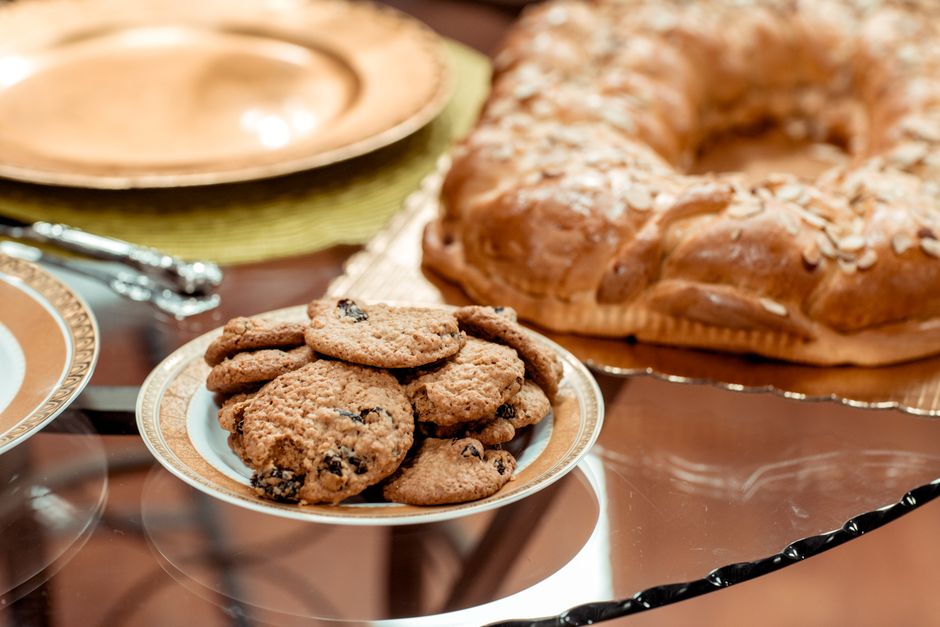
Traditional Passover Dishes with a Healthy Twist

Passover 2026 brings fresh opportunities to reimagine classic Seder dishes with nutritious ingredients. American home cooks are looking for recipes that honor tradition while supporting wellness goals. **Matzah ball soup** remains the cornerstone of any Passover meal, and you can lighten it by using chicken breast instead of dark meat and adding extra vegetables like carrots, celery, and parsnips. For the matzah balls themselves, try folding in finely chopped fresh dill and using seltzer water to create an airy texture without excess fat.
**Gluten-free matzah recipes** have improved dramatically, with almond flour and potato starch creating surprisingly authentic results. Mix two cups almond flour with one cup potato starch, add three beaten eggs, and season with sea salt. Roll thin and bake at 475°F for 3-4 minutes until crisp. Watch carefully—these burn quickly. The texture won’t perfectly match wheat matzah, but the flavor works beautifully for those with celiac disease or gluten sensitivity.
**Charoset** traditionally combines apples, walnuts, wine, and cinnamon, but you can boost nutrition by adding dried figs for fiber and using unsweetened grape juice to reduce sugar. Chop everything finely by hand rather than processing to maintain texture. Some families add a tablespoon of ground flaxseed for omega-3s without changing the taste. Prep this the night before so flavors meld.
Editor’s pick: almond flour for baking — compare options and current availability.
Main Course Ideas for a Nutritious Passover Meal
Your main course sets the tone for the entire Seder meal. **Roasted chicken with lemon and herbs** delivers protein without heavy sauces. Pat a whole chicken dry, rub with olive oil, and stuff the cavity with lemon halves, fresh thyme, and rosemary. Roast at 425°F for about 75 minutes until the internal temperature reaches 165°F. The skin crisps beautifully while the herbs infuse the meat. Let it rest 15 minutes before carving to keep juices inside.
**Baked salmon with dill and cucumber salad** offers heart-healthy omega-3 fatty acids and takes just 20 minutes. Place salmon fillets on parchment paper, season with salt, pepper, and fresh dill, then bake at 400°F for 12-15 minutes. The fish is done when it flakes easily with a fork. Serve alongside thinly sliced cucumbers tossed with red wine vinegar, olive oil, and more fresh dill. This combination feels light yet satisfying after the heavier symbolic foods earlier in the Seder.
For a **vegetarian main**, try stuffed portobello mushrooms. Remove the stems and gills, then fill caps with a mixture of sautéed spinach, minced garlic, pine nuts, and a beaten egg to bind everything. Bake at 375°F for 25 minutes. Each mushroom provides about 4 grams of protein and feels substantial enough to anchor a plate. Drizzle with balsamic reduction before serving.
Side Dishes to Complement Your Passover Feast
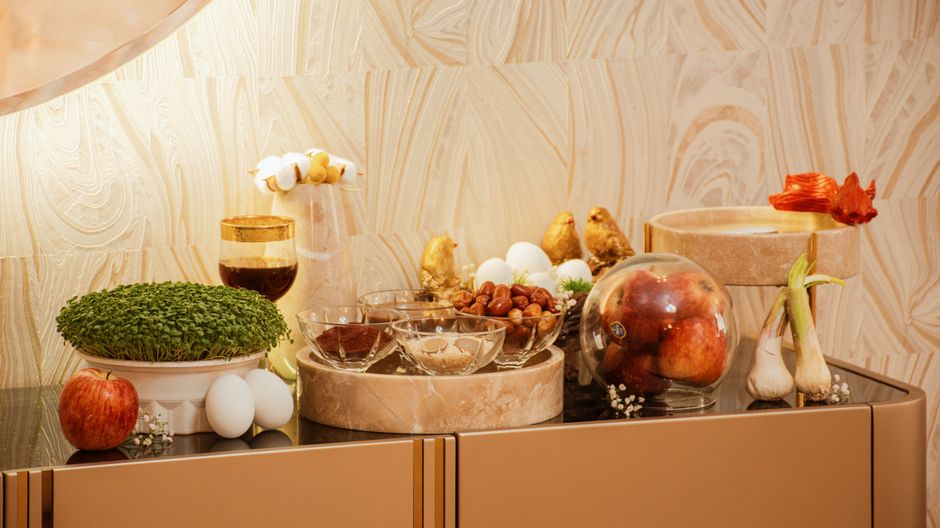
Side dishes round out your Passover table with color, texture, and nutrition. **Roasted vegetables with rosemary** work with whatever you find fresh—try Brussels sprouts, sweet potatoes, red onions, and bell peppers. Cut everything into similar-sized pieces, toss with olive oil and fresh rosemary, then roast at 425°F for 30-35 minutes, stirring halfway through. The high heat caramelizes natural sugars and creates crispy edges Americans love.
**Quinoa pilaf with dried fruits and nuts** adds whole grains and plant-based protein. Toast one cup quinoa in a dry pan for 3-4 minutes until fragrant, then cook in two cups chicken or vegetable broth. Once absorbed, fluff with a fork and stir in chopped dried apricots, golden raisins, toasted almonds, and a pinch of cinnamon. This dish works at room temperature, making it perfect for buffet-style service. Each serving delivers about 8 grams of protein and 5 grams of fiber.
**Spinach and potato kugel** transforms a starchy tradition into something more nutritious. Shred four large russet potatoes and squeeze out excess moisture. Mix with two beaten eggs, sautéed onions, two cups chopped fresh spinach, salt, and pepper. Press into a greased 9×13 pan and bake at 375°F for 50-60 minutes until golden and set. The spinach adds iron and vitamins without overwhelming the familiar potato flavor. Cut into squares and serve hot.
Delicious and Healthy Passover Desserts
Passover desserts often rely heavily on sugar and eggs, but you can create satisfying endings with natural sweetness. **Fruit compote with honey and cinnamon** combines fresh or frozen berries with sliced apples and pears. Simmer gently with two tablespoons honey, a cinnamon stick, and a splash of orange juice for 15-20 minutes until fruit softens. Serve warm or chilled. This dessert provides antioxidants and vitamin C while feeling indulgent.
**Almond flour macaroons** have become an American Passover staple. Whip three egg whites to stiff peaks, then fold in two cups almond flour, half cup sugar, and a teaspoon vanilla extract. Scoop onto parchment-lined sheets and bake at 325°F for 18-22 minutes. They should be golden outside and slightly chewy inside. Each macaroon contains healthy fats from almonds and about 3 grams of protein.
**Chocolate-dipped apricots** require just two ingredients and 10 minutes. Melt dark chocolate (70% cacao or higher) and dip dried apricots halfway. Place on parchment to set. The combination of fruit’s natural tartness with rich chocolate satisfies sweet cravings without excess sugar. Dark chocolate provides flavonoids that support heart health. Arrange these on a platter for an elegant presentation.
Budget-Friendly and Time-Saving Passover Recipes
Passover ingredients can strain budgets, especially with rising 2026 grocery costs. **Slow cooker recipes** let you use less expensive cuts of meat. Try brisket—season with salt, pepper, and paprika, sear briefly, then place in your slow cooker with sliced onions, carrots, and a cup of beef broth. Cook on low for 8-10 hours until fork-tender. This method costs about $12-15 to feed six people, and the slow cooker does the work while you handle other preparations.
**One-pot meal ideas** reduce both time and cleanup. Chicken thighs with potatoes and carrots all roast together in one large pan. Season everything with olive oil, garlic, paprika, and lemon juice, then roast at 400°F for 45 minutes. The chicken fat bastes the vegetables as they cook, creating rich flavor without extra effort. Total ingredient cost runs about $10-12 for a family meal.
**Make-ahead dishes** preserve your sanity on busy Seder day. Matzah ball soup base can be prepared two days early and refrigerated. Charoset actually improves when made 24 hours ahead. Kugels freeze beautifully—make them a week before, freeze, then reheat straight from frozen at 350°F for 30-40 minutes. This approach spreads work across multiple days and reduces last-minute stress.
Gluten-Free and Allergy-Friendly Passover Recipes
Accommodating dietary restrictions ensures everyone enjoys your Seder. **Gluten-free challah bread** for pre-Passover Shabbat uses a blend of tapioca starch, potato starch, and almond flour. Mix two cups gluten-free flour blend with one tablespoon instant yeast, one tablespoon sugar, and one teaspoon salt. Add three beaten eggs, a quarter cup oil, and three-quarters cup warm water. Knead until smooth, let rise 60 minutes, shape into a braid, and bake at 350°F for 35 minutes. Brush with egg wash before baking for shine.
**Nut-free charoset recipes** replace walnuts with sunflower seeds or pumpkin seeds (pepitas). Toast the seeds lightly first to enhance flavor. Combine with chopped apples, dates, grape juice, and cinnamon. Process briefly in a food processor—you want texture, not paste. This version works perfectly for children with tree nut allergies and costs less than traditional recipes. Make a double batch since it keeps refrigerated for five days.
**Dairy-free desserts** matter for kosher meat meals and lactose-intolerant guests. Coconut macaroons naturally contain no dairy—just shredded coconut, egg whites, sugar, and vanilla. For chocolate lovers, try flourless chocolate torte made with dark chocolate, eggs, sugar, and coconut oil instead of butter. Bake at 350°F for 25 minutes in a springform pan. The center stays slightly fudgy while edges set firm. Dust with cocoa powder before serving.
Ingredient Swaps and Cooking Tips for Passover Success
Mastering a few key substitutions makes Passover cooking more flexible. When recipes call for **breadcrumbs**, use matzah meal processed finely in a food processor. For **flour**, potato starch works in most applications at a 1:1 ratio, though baked goods may need an extra egg for structure. **Oil-for-butter swaps** maintain moisture in dairy-free recipes—use three-quarters cup oil for every cup of butter called for.
Common mistakes include **over-mixing matzah balls**, which creates dense, heavy results. Mix just until combined, then refrigerate the batter for 30 minutes before shaping. Another pitfall is **underseasoning**—Passover ingredients often taste blander than everyday foods, so add an extra pinch of salt and taste as you cook. **Overcrowding roasting pans** prevents proper browning. Give vegetables space to breathe, using two pans if necessary.
For **timing large meals**, work backward from your target serving time. A whole chicken needs 90 minutes total (75 cooking plus 15 resting). Roasted vegetables take 35 minutes. Kugel requires 60 minutes. Stagger start times so everything finishes within a 15-minute window. Keep a written timeline posted in your kitchen. Recruit family members to handle specific dishes, turning meal prep into a shared tradition rather than a solo marathon.
Frequently Asked Questions
Q: What are some healthy substitutions for traditional Passover ingredients?
A: Replace white potatoes with sweet potatoes for more vitamins and fiber. Use chicken breast instead of dark meat in soups to reduce saturated fat. Swap refined sugar with honey or dates in charoset and desserts. Choose olive oil over schmaltz (chicken fat) for roasting vegetables. Greek yogurt can replace sour cream in dairy recipes, cutting calories while boosting protein. These changes maintain authentic flavors while improving nutritional profiles.
Q: How can I make my Passover meals more nutritious and flavorful?
A: Load your plate with colorful vegetables—aim for half your plate to be produce at each meal. Use fresh herbs like dill, parsley, cilantro, and rosemary liberally, as they add flavor without calories or sodium. Include lean proteins like fish, chicken breast, and legumes. Toast nuts and seeds before adding them to dishes to intensify their taste. Finish plates with a squeeze of fresh lemon juice or splash of good vinegar to brighten flavors. Layer seasonings throughout cooking rather than adding them all at once.
Q: What are some easy and delicious Passover recipes for beginners?
A: Start with roasted chicken—it’s nearly impossible to mess up and feeds a crowd. Matzah ball soup from scratch sounds intimidating but takes just 30 minutes of active work. Charoset requires only chopping and mixing, with no cooking involved. For sides, try simple roasted vegetables tossed with olive oil, salt, and pepper. Flourless chocolate cake uses just five ingredients and looks impressive. Focus on recipes with short ingredient lists and straightforward techniques until you build confidence.
Planning Your 2026 Passover Menu
Creating your Passover menu starts with knowing your guest count and dietary needs. Survey attendees about allergies and preferences at least two weeks ahead. Build your menu around one impressive main course, then add complementary sides that use different cooking methods—if your main is roasted, include a stovetop vegetable and a cold salad for variety.
A **sample menu for eight people** might include: matzah ball soup as a first course, roasted chicken with lemon and herbs as the main, quinoa pilaf and roasted vegetables as sides, and fruit compote with almond macaroons for dessert. This menu balances protein, whole grains, and produce while staying within a $75-90 budget for ingredients. Prep the soup base and charoset two days early, make macaroons and compote one day ahead, then focus on chicken and fresh sides on Seder day.
For **shopping efficiency**, buy shelf-stable items like matzah meal, quinoa, dried fruits, and nuts two weeks before Passover when stores stock up and prices drop. Purchase fresh produce, chicken, and fish no more than two days before cooking to ensure peak freshness. Frozen vegetables work beautifully for soups and kugels, costing less than fresh while maintaining nutrition. Bulk bins offer better prices on nuts and dried fruits—bring your own containers to save even more.
**Leftover strategy** matters for the week of Passover. Shred leftover chicken for matzah brei breakfast. Transform extra roasted vegetables into frittatas. Freeze extra soup in portion-sized containers for quick lunches. Charoset stays fresh refrigerated for five days and makes a great snack spread on matzah. These approaches reduce food waste and stretch your grocery budget further.
Top Product Recommendations
| Product Name | Rating | Key Feature | Est. Price | Action |
|---|---|---|---|---|
| Top-rated almond flour for baking | ★★★★★ | Editor-recommended almond flour for baking from this guide | $18–$42 | Check Lowest Price on Amazon |
| Best-value potato starch kosher for passover | ★★★★☆ | Affordable potato starch kosher for passover — strong everyday results | $12–$28 | Check Lowest Price on Amazon |
| Premium slow cooker 6 quart | ★★★★☆ | Higher-end slow cooker 6 quart for visible, lasting results | $45–$95 | Check Lowest Price on Amazon |
Affiliate Disclosure: This post contains affiliate links. We may earn a commission if you buy through our links, at no extra cost to you.
Leave a Reply