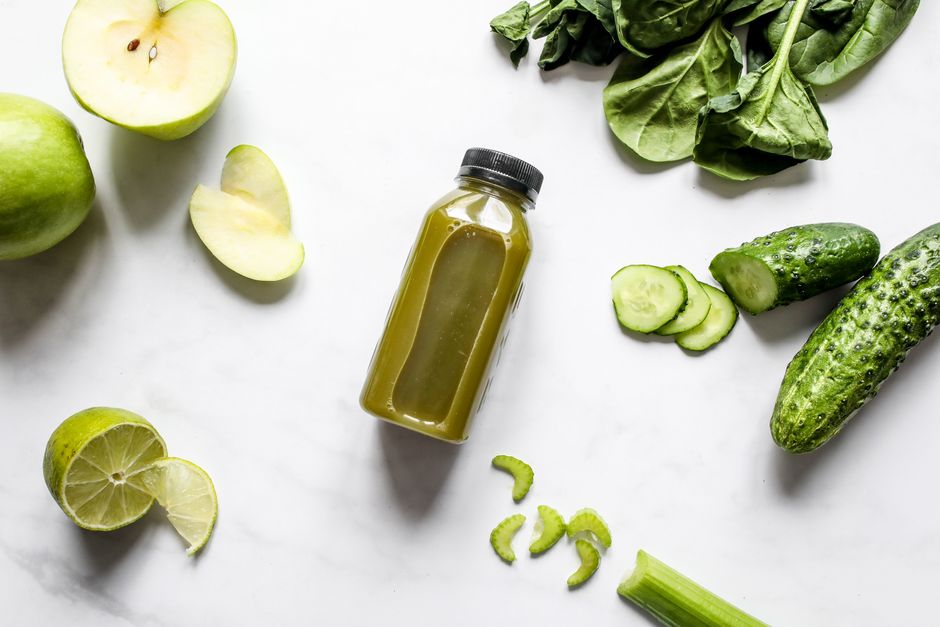
Understanding the 3 Day Juice Cleanse
A **juice cleanse** involves consuming only fresh fruit and vegetable juices for a set period, typically three days. This short-term **detox** approach aims to flood your body with vitamins and minerals while giving your digestive system a break from processing solid foods. Many Americans turn to juice cleanses to reset their eating habits, boost energy, or kickstart weight loss goals.
The benefits often cited include improved digestion, clearer skin, and increased mental clarity. However, a three-day juice cleanse isn’t suitable for everyone and comes with both advantages and potential drawbacks. Understanding what you’re signing up for helps you make an informed decision about whether this detox method aligns with your health goals.
This guide walks you through everything you need to know about a three-day juice cleanse. We’ll cover what to expect, the pros and cons, preparation tips, and how to transition back to solid foods safely.
Quick pick: Compare top-rated Detox options.
What to Expect During Your Cleanse
Your **energy levels** will likely fluctuate during the three days. Some people feel energized and light, especially by day two or three. Others experience fatigue, particularly if they’re used to consuming caffeine or eating larger meals throughout the day.
**Common side effects** include headaches, especially in the first 24 hours as your body adjusts to the reduced calorie intake and elimination of caffeine or processed foods. You might also feel irritable or foggy-headed initially. These symptoms typically subside after the first day as your body adapts to the cleanse routine.
The **emotional impact** can surprise first-timers. Many people don’t realize how much of their daily routine revolves around eating solid meals. You might feel bored, restless, or even anxious without the ritual of chewing food. Planning activities and staying busy helps distract from these feelings.
Pros of the 3 Day Juice Cleanse
**Improved digestion** ranks among the top benefits reported by cleanse participants. Giving your gut a break from breaking down solid foods allows it to rest and reset. Many people notice reduced bloating and more regular bowel movements during and after the cleanse.
**Increased nutrient intake** happens when you consume multiple servings of fruits and vegetables in liquid form. A single 16-ounce juice can contain nutrients from several pounds of produce. This concentrated dose of vitamins, minerals, and antioxidants supports your immune system and overall health.
**Weight loss** is common during a three-day juice cleanse, with most people dropping 3-5 pounds. Keep in mind that much of this is water weight and will return once you resume normal eating. However, the cleanse can jumpstart motivation for healthier long-term eating habits.
**Mental clarity and focus** often improve by day two or three. Without the energy spent digesting heavy meals, some people report feeling sharper and more alert. The elimination of processed foods, sugar, and caffeine also contributes to steadier energy levels throughout the day.
**Detoxification** occurs as your body eliminates built-up toxins through increased urination and bowel movements. The high water content in juices helps flush your system while antioxidants support your liver’s natural detox processes.
Cons of the 3 Day Juice Cleanse
**Lack of essential nutrients** poses a significant concern. Juice cleanses typically provide minimal protein and almost no healthy fats, both crucial for bodily functions. Fiber is also largely removed during the juicing process, which can affect digestive health and leave you feeling less satisfied.
**Blood sugar fluctuations** can be problematic, especially for people with diabetes or insulin sensitivity. Fruit-heavy juices cause rapid spikes in blood sugar followed by crashes, leading to energy dips, mood swings, and intense hunger.
**Excessive sugar from fruits** is a hidden pitfall of many commercial juice cleanses. A single bottle can contain 30-40 grams of natural sugar, and consuming 5-6 juices daily adds up quickly. This sugar overload can actually work against your detox goals.
**Potential nutrient deficiencies** may develop if you do juice cleanses frequently or extend them beyond three days. Your body needs a variety of macronutrients and micronutrients that juice alone cannot provide in adequate amounts.
**Limited calorie intake** usually ranges from 800-1,200 calories per day on a juice cleanse, well below what most adults need. This deficit can trigger hunger, weakness, and difficulty concentrating, especially if you maintain your regular activity level.
Preparing for the Cleanse
**Choosing the right juices** makes or breaks your cleanse experience. Look for options with more vegetables than fruits to keep sugar content lower. Green juices with cucumber, celery, kale, and lemon provide nutrients without excessive sweetness. Include one or two fruit-based juices for variety and palatability.
**Key ingredients to seek out** include leafy greens (spinach, kale), cucumber for hydration, ginger for digestion, lemon for vitamin C, and beets for liver support. Avoid juices with added sweeteners or those made primarily from high-sugar fruits like pineapple and mango.
**Preparing your body** in the days leading up to the cleanse sets you up for success. Gradually reduce caffeine, alcohol, processed foods, and heavy meals. Increase your water intake and add more fruits and vegetables to your diet. This transition minimizes withdrawal symptoms and makes the first day of the cleanse easier.
During the Cleanse
**Maintaining energy levels** requires strategic timing of your juice consumption. Drink your juices every 2-3 hours to keep blood sugar stable. If you feel weak or lightheaded, sip on your next juice slowly or add a pinch of sea salt to one juice for electrolytes.
**Staying hydrated** is crucial beyond just drinking juices. Aim for at least 64 ounces of plain water throughout the day. Herbal teas (unsweetened) also count toward hydration. Proper hydration supports the detox process and helps prevent headaches.
**Dealing with cravings and hunger** tests your willpower, especially around mealtimes. Distract yourself with walks, light yoga, reading, or other activities that don’t revolve around food. Keep your scheduled juices handy so you’re never caught without one when hunger strikes. Remind yourself it’s only three days and refocus on your goals.
After the Cleanse
**Transitioning back to solid foods** requires patience and planning. Don’t immediately return to heavy meals or processed foods. Start with easily digestible options like smoothies, fresh fruit, raw vegetables, and small portions of steamed vegetables on day four.
Gradually reintroduce proteins, whole grains, and healthy fats over the following days. Pay attention to how different foods make you feel as you add them back. Some people discover food sensitivities they didn’t notice before the cleanse.
**Maintaining the benefits** means carrying forward the healthy habits you developed. Continue drinking more water, eating more vegetables, and reducing processed foods. Use the cleanse as a reset button rather than a quick fix.
**Integrating healthy habits** into daily life creates lasting change. Prep vegetables for easy snacking, replace one meal with a nutrient-dense juice or smoothie, and prioritize whole foods over packaged options. The cleanse jumpstarts awareness about what you put in your body.
Frequently Asked Questions
Q: Can I exercise during the 3-day juice cleanse?
A: Light exercise like walking, gentle yoga, or stretching is fine during a juice cleanse. However, avoid intense workouts, heavy lifting, or high-intensity interval training. Your calorie intake is significantly reduced, so your body won’t have enough fuel for demanding physical activity. Listen to your body and rest if you feel fatigued or dizzy.
Q: How much weight can I expect to lose on a 3-day juice cleanse?
A: Most people lose 3-5 pounds during a three-day juice cleanse. Much of this is water weight and will return when you resume normal eating. Some may be from reduced bloating and digestive contents. For sustainable weight loss, focus on long-term dietary changes rather than viewing the cleanse as a primary weight-loss tool.
Q: Is it safe to do a juice cleanse if I have a medical condition?
A: Consult your doctor before starting a juice cleanse if you have diabetes, kidney disease, heart conditions, or any chronic health issues. Juice cleanses can affect blood sugar levels and may interact with certain conditions. Pregnant or nursing women should avoid juice cleanses entirely.
Q: Can I do a juice cleanse while taking medications?
A: Talk to your healthcare provider before doing a juice cleanse if you take any medications. Some juices can interact with medications, particularly blood thinners, blood pressure medications, and drugs metabolized by the liver. Your doctor can advise whether it’s safe or if you need to adjust your medication schedule during the cleanse.
Top Product Recommendations
| Product Name | Rating | Key Feature | Est. Price | Action |
|---|---|---|---|---|
| Best Detox Pick | ★★★★★ | Top-rated overall | $25–$45 | Check Lowest Price on Amazon |
| Budget Detox Option | ★★★★☆ | Great for beginners | $12–$28 | Check Lowest Price on Amazon |
| Premium Detox Choice | ★★★★☆ | Pro-level results | $50–$90 | Check Lowest Price on Amazon |
Affiliate Disclosure: This post contains affiliate links. We may earn a commission if you buy through our links, at no extra cost to you.
Leave a Reply