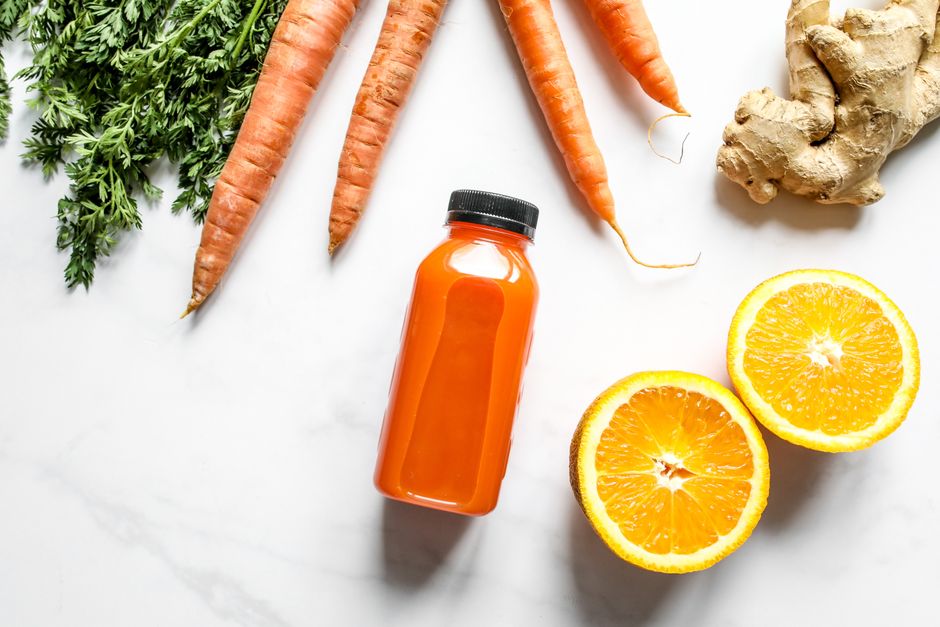
What Is a Juice Cleanse — And Why 3 Days?
A **juice cleanse** is a short-term dietary reset where you replace solid meals with freshly pressed fruit and vegetable juices. The idea behind a **3 day juice cleanse plan** is to flood your body with micronutrients while giving your digestive system a brief break from processing fiber-heavy and processed foods. Proponents argue it can kick-start weight loss, reduce bloating, and help you mentally break free from unhealthy eating patterns.
The 3-day format is the most popular entry point because it’s long enough to produce noticeable results but short enough to stay manageable for most people. You’ll typically consume five to six juices per day, spaced roughly two to three hours apart. Common ingredients include leafy greens like kale and spinach, citrus fruits, cucumbers, beets, ginger, and apples.
It’s worth being upfront: a juice cleanse is not a medically recognized detox protocol. Your liver and kidneys handle detoxification naturally. What a cleanse does offer is a structured way to cut out sugar, alcohol, caffeine, and ultra-processed foods — which can still deliver real benefits for many people.
—
Quick pick: Compare top-rated Detox options.
Pros of Doing a 3-Day Juice Cleanse
One of the most appealing benefits is **rapid short-term weight loss**. Because you’re dramatically cutting caloric intake and eliminating water-retaining foods like sodium-heavy snacks, most people shed a few pounds during the three days. This isn’t all fat loss — much of it is water weight — but the scale shift can feel motivating.
Juice cleanses also deliver a concentrated hit of **vitamins and antioxidants**. Cold-pressed juices made from raw produce retain enzymes and micronutrients that cooking can sometimes degrade. Green juices packed with spinach, parsley, and cucumber offer a meaningful dose of vitamins A, C, and K in a single bottle.
Many participants report improved **mental clarity and energy** by day two or three, once the initial caffeine-withdrawal headache passes. Eliminating processed sugar and alcohol removes a significant metabolic load, and some people feel noticeably lighter and more focused as a result.
**Key benefits at a glance:**
- Short-term weight reduction (1–3 lbs typical)
- High micronutrient and antioxidant intake
- Mental reset from processed food habits
- Reduced bloating for many people
- Serves as a motivational springboard for cleaner eating
—
Cons of Doing a 3-Day Juice Cleanse
The most significant downside is the near-total absence of **protein and dietary fiber**. Both are essential for muscle preservation, gut health, and satiety. Without adequate protein, your body may begin breaking down muscle tissue for energy — especially if you’re active during the cleanse.
**Blood sugar instability** is another real concern, particularly with fruit-forward juice blends. High-sugar juices made from pineapple, mango, or excessive apple can spike blood glucose levels and trigger energy crashes. People with diabetes or insulin resistance should be especially cautious and should consult a doctor before starting.
Hunger and **intense cravings** are common, particularly on day one. The caloric restriction combined with the absence of chewing can feel psychologically difficult. Some people also experience headaches, fatigue, and irritability as their bodies adjust — especially if they’re cutting caffeine cold turkey at the same time.
**Drawbacks to consider:**
- No protein or meaningful fat intake
- Possible blood sugar spikes from high-fruit juices
- Hunger, headaches, and irritability early on
- Results are often short-lived without follow-up habit changes
- Cost: quality cold-pressed juice is expensive
—
Who Should (and Should Not) Try a Juice Cleanse
A 3-day juice cleanse can be a solid fit for generally healthy adults who want a structured reset after a period of indulgent eating — think post-holidays or after a vacation. It also appeals to people who want a concrete starting point for transitioning to a cleaner diet. The clear rules (juice only, no solid food) eliminate decision fatigue, which some people find genuinely helpful.
**Who should avoid it:**
- People with Type 1 or Type 2 diabetes
- Anyone with a history of eating disorders
- Pregnant or breastfeeding women
- Those with kidney disease (high oxalate load from leafy greens)
- Anyone currently on medications that interact with grapefruit or blood thinners
If you fall into one of those categories, a **modified whole-food cleanse** — which includes smoothies with protein powder, legumes, and raw vegetables — is a safer and nutritionally sounder alternative. Always check with your healthcare provider if you have any chronic health conditions before starting a restricted eating plan.
—
Preparing for Your 3-Day Juice Cleanse
Preparation starts two to three days before the cleanse begins. Gradually eliminate alcohol, caffeine, meat, and processed sugar from your diet during this lead-up window. This pre-cleanse taper dramatically reduces the severity of detox headaches and cravings on day one.
**Your shopping list essentials:**
- Leafy greens: kale, spinach, romaine, parsley
- Vegetables: cucumber, celery, beets, carrots, ginger
- Fruits: lemons, green apples, oranges, pineapple (use sparingly)
- Add-ins: turmeric root, cayenne pepper, coconut water for electrolytes
**Equipment you’ll need:**
- A **cold-press (masticating) juicer** for maximum nutrient retention
- Glass mason jars or BPA-free bottles for storing pre-made batches
- A fine-mesh strainer or nut milk bag for pulp removal
- A kitchen scale for consistent recipes
Batch-prep your juices the night before each day to save time. Store them in sealed glass jars with as little air space as possible to slow oxidation. Aim to consume each juice within 24 to 48 hours of pressing for peak nutritional value.
| Juice Type | Best Time to Drink | Primary Benefit |
|---|---|---|
| Green veggie juice | Morning (first juice) | Alkalizing, low sugar start |
| Citrus + ginger blend | Mid-morning | Vitamin C, digestion support |
| Beet + carrot juice | Midday | Sustained energy, iron |
| Cucumber + mint | Afternoon | Hydration, cooling effect |
| Nut milk or coconut water | Evening | Healthy fats, electrolytes |
| Lemon + cayenne water | Before bed | Metabolism, digestion |
—
During the Cleanse: What to Expect Day by Day
**Day 1** is typically the hardest. Hunger hits around mid-morning, and if you’re a regular coffee drinker, expect a tension headache by the afternoon. Drink plenty of water between juices — aim for at least 64 oz of plain water on top of your juice intake. Herbal teas like peppermint or ginger are also allowed and can help curb cravings.
**Day 2** is where most people turn a corner. The initial hunger pangs often soften as your body adapts to running on liquid nutrition. Energy levels can feel uneven — some people feel surprisingly clear-headed, while others still feel sluggish. Light activity like a 20-minute walk or gentle yoga is fine; avoid heavy lifting or high-intensity interval training.
**Day 3** is often described as the most rewarding. Many participants report feeling lighter, less bloated, and mentally sharp. Keep your juice schedule tight — don’t let more than three hours pass between servings, or hunger will escalate quickly. Track how you feel in a simple journal, noting energy, mood, and any physical symptoms.
**Common mistakes to avoid:**
- Skipping a juice serving because you’re not hungry — stick to the schedule
- Overloading on fruit-heavy juices to satisfy sweetness cravings
- Not drinking enough plain water between juices
- Starting the cleanse on a high-stress workday — begin on a Friday if possible
—
After the Cleanse: Keeping Your Results
The transition back to solid food is just as important as the cleanse itself. **Don’t jump straight to a cheeseburger on day four.** Your digestive system has been in a low-effort mode, and reintroducing heavy foods too fast can cause serious discomfort, bloating, and nausea.
Spend the first two days post-cleanse eating **easily digestible whole foods**: smoothies, soups, steamed vegetables, plain yogurt, and soft fruits. By day three, you can reintroduce lean proteins like eggs or grilled chicken. Save red meat, dairy-heavy meals, and alcohol for at least a week after finishing.
The real long-term value of a juice cleanse comes from what you do next. Use the reset as a springboard to crowd out processed food with more vegetables, reduce added sugar intake, and build a hydration habit. Many people find that after three days of clean eating, their junk food cravings genuinely diminish — at least temporarily.
**Post-cleanse habits worth building:**
- Start each morning with 16 oz of lemon water
- Add one green juice or smoothie to your daily routine
- Reduce processed sugar intake by swapping soda for sparkling water
- Aim for 50% vegetables on your plate at each meal
- Schedule a light reset week every 8–12 weeks if the full cleanse felt beneficial
—
Frequently Asked Questions (FAQ)
Q: Can I eat any solid food at all during a 3-day juice cleanse?
A: Traditional juice cleanses are designed as liquid-only programs, so solid food is excluded. If strict juice-only feels too intense, a modified version that includes raw vegetables or a small handful of raw almonds in the evening is a reasonable compromise that won’t derail your results.
Q: How much weight can I realistically expect to lose in 3 days?
A: Most people report losing between **1 and 3 pounds** over the three days, though a significant portion of that is water weight and glycogen depletion rather than fat loss. Sustainable fat loss requires a caloric deficit maintained over weeks, not days — the cleanse is a reset tool, not a long-term weight loss solution.
Q: Is it safe to work out during a juice cleanse?
A: **Light exercise is fine** — walking, stretching, and gentle yoga are all good options. High-intensity workouts, heavy strength training, or long cardio sessions are not recommended because your caloric and protein intake is too low to support recovery. Listen to your body; if you feel dizzy or weak, rest.
Q: I want to buy a juicer for a cleanse — what should I look for?
A: A **cold-press masticating juicer** preserves more nutrients and enzymes than centrifugal models because it generates less heat during extraction. Look for models with a slow RPM motor, easy-to-clean parts, and a wide feed chute to reduce prep time. A dedicated juice cleanse starter kit that includes a juicer, recipe booklet, and storage bottles is a practical all-in-one option for first-timers.
Top Product Recommendations
| Product Name | Rating | Key Feature | Est. Price | Action |
|---|---|---|---|---|
| Top-rated cold press masticating juicer | ★★★★★ | Editor-recommended cold press masticating juicer from this guide | $18–$42 | Check Lowest Price on Amazon |
| Best-value juice cleanse starter kit | ★★★★☆ | Affordable juice cleanse starter kit — strong everyday results | $12–$28 | Check Lowest Price on Amazon |
| Premium glass mason jars for juice storage | ★★★★☆ | Higher-end glass mason jars for juice storage for visible, lasting results | $45–$95 | Check Lowest Price on Amazon |
Affiliate Disclosure: This post contains affiliate links. We may earn a commission if you buy through our links, at no extra cost to you.
Leave a Reply