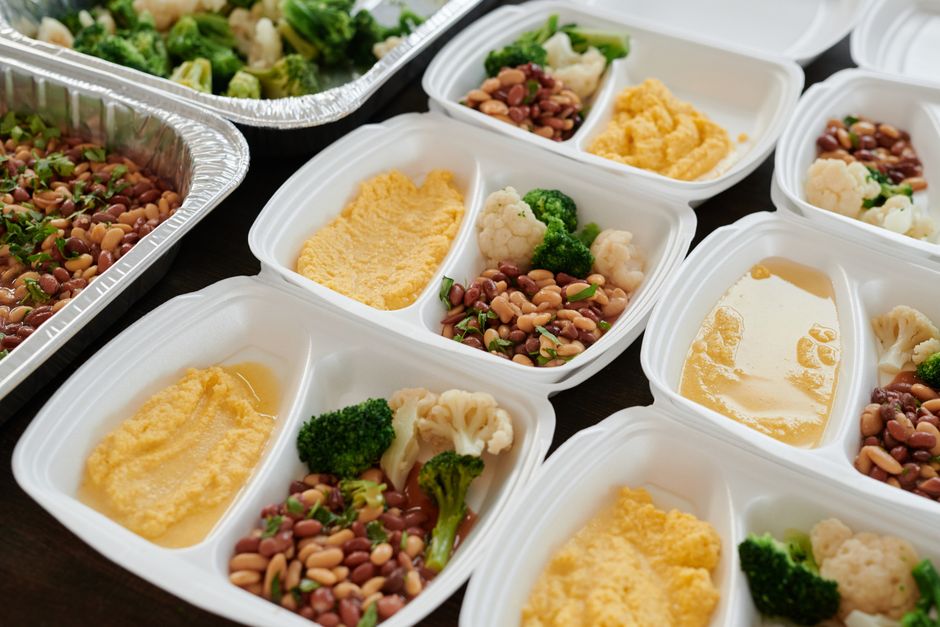
Understanding Calorie Deficit and Intermittent Fasting

A calorie deficit occurs when you consume fewer calories than your body burns. This is essential for weight loss, as it forces your body to use stored fat for energy. **Intermittent fasting** is an eating pattern that alternates between periods of fasting and eating. When combined with a calorie deficit meal plan, intermittent fasting can amplify the benefits of calorie restriction.
Editor’s pick: calorie deficit cookbooks — see current prices and reviews.
Planning Your Calorie Deficit Meal Plan
To create an effective calorie deficit meal plan, start by determining your daily calorie needs based on your age, gender, weight, and activity level. Subtract 500-750 calories from this number to establish your calorie deficit goal. Plan your meals and snacks around this target, ensuring you’re still getting essential nutrients.
When incorporating intermittent fasting, choose a fasting window that suits your lifestyle, such as 16:8 (16 hours fasting, 8 hours eating) or 5:2 (five days normal eating, two days restricted calories).
Breakfast and Lunch Options for Fasting Days

On fasting days, focus on nutrient-dense, low-calorie meals to maximize your calorie deficit. For breakfast, try a protein shake with spinach and berries, or a small omelet with vegetables. Lunch options could include a salad with grilled chicken or a low-carb wrap with lean turkey and avocado.
Dinner Recipes for Calorie Deficit Meal Planning
For dinner, prioritize lean proteins, vegetables, and complex carbs. Try recipes like baked salmon with quinoa and steamed broccoli, or a vegetable stir-fry with tofu. Use cooking methods like grilling, baking, or air frying to keep calorie content low.
Snacking and Beverages in Your Calorie Deficit Plan
During non-fasting windows, opt for healthy snacks like fresh fruit, raw vegetables, or a small handful of nuts. Beverages should be low or zero-calorie, such as water, herbal tea, or black coffee. Avoid sugary drinks and alcohol, which can add significant calories without providing nutritional value.
Frequently Asked Questions (FAQ)
What is the ideal calorie deficit for weight loss?
The ideal calorie deficit for weight loss varies by individual. A deficit of 500-750 calories per day is generally recommended, as this results in a loss of about 1-2 pounds per week. Larger deficits may lead to faster weight loss but can also cause muscle loss and nutrient deficiencies.
How can I manage cravings during fasting periods?
Staying hydrated is key to managing cravings during fasting periods. Drink plenty of water, herbal tea, or black coffee. If cravings persist, try distracting yourself with a non-food related activity, like going for a walk or reading a book. Remember that cravings usually pass within 15-20 minutes.
What are some common mistakes to avoid when planning a calorie deficit meal plan?
Common mistakes include underestimating calorie intake, overestimating calorie burn, and neglecting nutrient balance. To avoid these, track your food intake diligently, use accurate measurements, and prioritize whole, unprocessed foods.
Top Product Recommendations
| Product Name | Rating | Key Feature | Est. Price | Action |
|---|---|---|---|---|
| Top-rated calorie deficit cookbooks | ★★★★★ | Editor-recommended calorie deficit cookbooks from this guide | $18–$42 | Check Lowest Price on Amazon |
| Best-value intermittent fasting books | ★★★★☆ | Affordable intermittent fasting books — strong everyday results | $12–$28 | Check Lowest Price on Amazon |
| Premium low calorie meal prep ingredients | ★★★★☆ | Higher-end low calorie meal prep ingredients for visible, lasting results | $45–$95 | Check Lowest Price on Amazon |
Affiliate Disclosure: This post contains affiliate links. We may earn a commission if you buy through our links, at no extra cost to you.
Leave a Reply