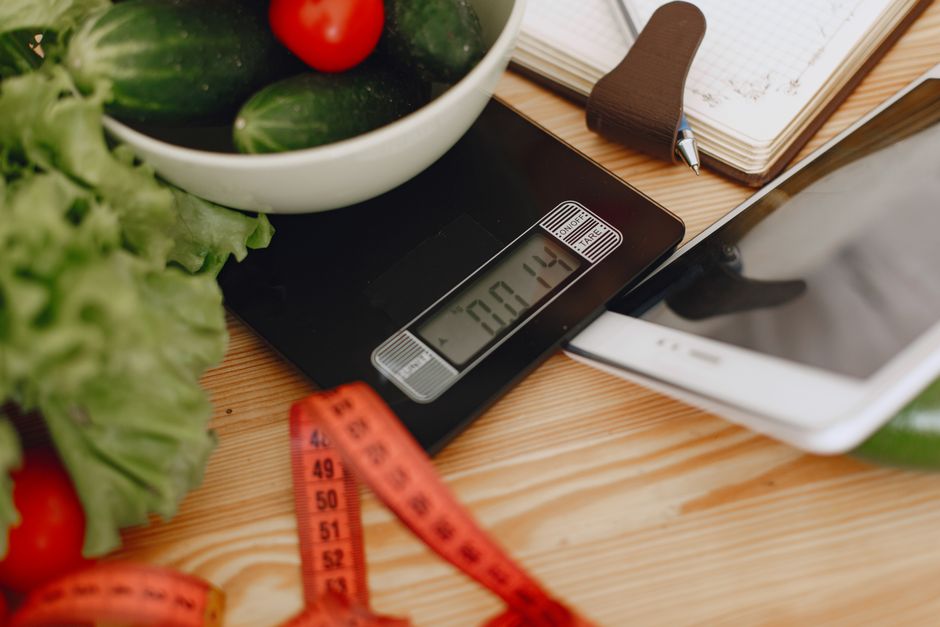
Meal Planning Essentials
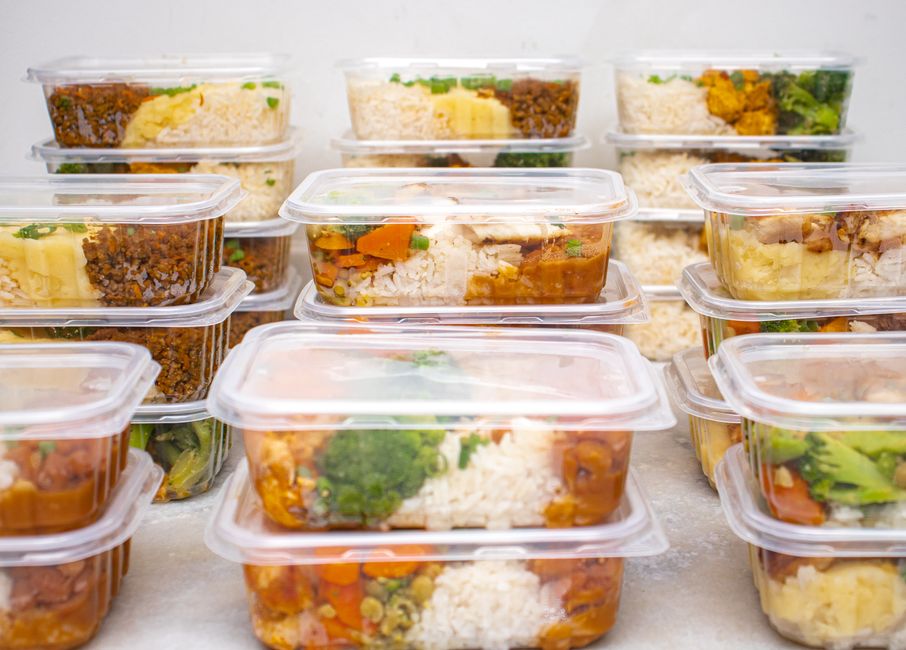
Meal planning transforms how Americans approach daily nutrition and weight management. By dedicating time each week to organize meals, you gain control over portion sizes, ingredient quality, and calorie intake. This systematic approach eliminates last-minute fast food runs and reduces grocery waste significantly.
The benefits extend beyond weight loss to include better blood sugar control, reduced stress around mealtime decisions, and substantial cost savings. Research shows that people who meal plan consume more vegetables and whole grains compared to those who don’t. You’ll also spend less time wondering what’s for dinner after a long workday.
Successful meal planning starts with assessing your schedule, cooking skills, and household preferences. Begin with planning just dinners for one week, then expand to include lunches and breakfasts. Keep a running grocery list, prep ingredients on weekends, and don’t aim for perfection—flexibility prevents burnout.
Editor’s pick: meal prep containers with lids — compare options and current availability.
Choosing the Right Diet for You
The 2026 nutrition landscape offers proven approaches including Mediterranean, intermittent fasting, plant-based, low-carb, and flexible macro tracking. Each diet carries distinct advantages depending on your metabolic health, activity level, and food preferences. Mediterranean eating emphasizes whole foods and healthy fats, while intermittent fasting focuses on eating windows rather than food restrictions.
Identify your dietary restrictions first—lactose intolerance, gluten sensitivity, or ethical preferences shape which plan works best. Consider your lifestyle realistically: do you travel frequently, eat out often, or cook for a family? A diet requiring elaborate meal prep won’t succeed if you work 60-hour weeks.
Your goals matter equally—rapid weight loss, muscle gain, disease management, or general health maintenance require different nutritional strategies. According to nutrition experts, the best diet is one you can maintain long-term without feeling deprived. Match the diet’s requirements to your actual daily life, not an idealized version.
Creating a Balanced Meal Plan
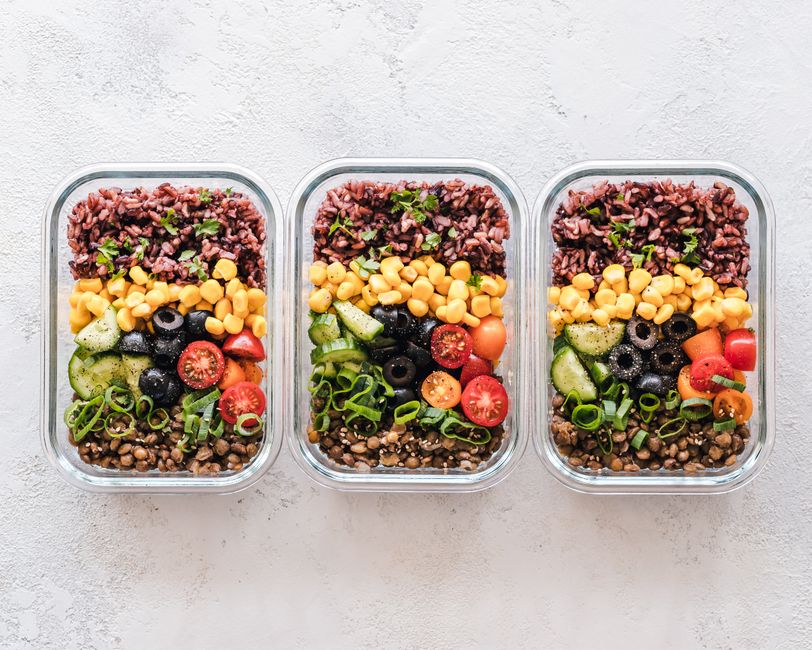
Every meal should combine **lean protein**, **complex carbohydrates**, **healthy fats**, and **fiber-rich vegetables** for sustained energy and satiety. Protein sources like chicken breast, fish, beans, or Greek yogurt support muscle maintenance and keep hunger at bay. Pair them with quinoa, sweet potatoes, or brown rice for steady glucose levels.
Variety prevents nutritional gaps and taste fatigue—rotate through different proteins, grains, and produce each week. Include colorful vegetables to maximize antioxidant intake and experiment with herbs and spices for flavor without added calories. A typical balanced plate fills half with vegetables, one quarter with protein, and one quarter with whole grains.
**Sample Weekly Template:**
| Day | Breakfast | Lunch | Dinner |
|---|---|---|---|
| Monday | Greek yogurt with berries | Grilled chicken salad | Baked salmon with roasted vegetables |
| Tuesday | Scrambled eggs with spinach | Turkey and avocado wrap | Stir-fried tofu with brown rice |
| Wednesday | Oatmeal with nuts | Lentil soup with whole grain bread | Lean beef with sweet potato |
| Thursday | Smoothie with protein powder | Quinoa bowl with chickpeas | Grilled chicken with steamed broccoli |
| Friday | Whole grain toast with almond butter | Tuna salad lettuce wraps | Shrimp tacos with cabbage slaw |
Preparing Meals on a Budget
Buying in bulk saves substantially on staples like oats, rice, dried beans, and frozen vegetables. Shop seasonal produce for better prices and peak nutrition—winter squash costs less in fall, berries peak in summer. Generic store brands offer identical quality to name brands for pantry items and dairy products.
Plan meals around weekly grocery store sales and incorporate versatile ingredients across multiple dishes. A rotisserie chicken provides protein for salads, tacos, and soups throughout the week. Batch cooking grains, roasting sheet pans of vegetables, and preparing large portions of protein stretch your dollar further.
**Budget-Friendly Meal Ideas:**
- **Breakfast:** Egg muffins with vegetables, overnight oats with frozen fruit, whole grain cereal with milk
- **Lunch:** Bean and rice bowls, vegetable soup with crackers, pasta salad with canned tuna
- **Dinner:** Slow cooker chili, sheet pan chicken with potatoes, lentil curry over rice
Avoid pre-cut produce and individual snack packs—the convenience markup drastically increases costs. Buy whole vegetables and spend 20 minutes chopping them yourself for significant savings.
Time-Saving Meal Prep Techniques
Dedicate 2-3 hours on Sunday to wash and chop vegetables, cook grains in bulk, and portion proteins into meal-sized containers. Invest in quality food storage containers, a sharp knife, and consider a slow cooker or Instant Pot for hands-off cooking. These tools multiply your efficiency and reduce active cooking time.
Batch cooking means preparing large quantities of versatile components rather than complete meals. Cook a big pot of quinoa, grill multiple chicken breasts, and roast several trays of mixed vegetables. Mix and match these components throughout the week to prevent monotony.
**Efficient Prep Strategies:**
- Wash and portion berries and greens immediately after shopping
- Pre-cook hard-boiled eggs for quick breakfast protein
- Freeze individual portions of soups and stews
- Marinate proteins the night before cooking
- Use sheet pan cooking for multiple items simultaneously
Preparing breakfast and lunch for the entire week on Sunday eliminates daily decision fatigue. Busy professionals benefit most from grab-and-go options like mason jar salads, breakfast burritos, and portioned snacks.
Meal Plan Adjustments for Dietary Restrictions
Food allergies require careful label reading and ingredient substitutions—replace dairy milk with almond, oat, or coconut alternatives in recipes. Gluten-free meal plans emphasize naturally gluten-free whole foods like rice, potatoes, corn, and certified gluten-free oats rather than expensive specialty products.
Vegetarian and vegan diets need deliberate protein planning through beans, lentils, tofu, tempeh, nuts, and seeds. Ensure adequate vitamin B12, iron, and omega-3 fatty acids through fortified foods or supplements. Plant-based proteins often require combining different sources to provide complete amino acid profiles.
**Common Substitutions:**
- **Dairy:** Nutritional yeast for cheese flavor, cashew cream for heavy cream, coconut yogurt for regular yogurt
- **Eggs:** Flax eggs (ground flaxseed plus water) in baking, mashed banana in pancakes
- **Gluten:** Almond flour, coconut flour, or gluten-free all-purpose blends for baking
- **Meat:** Mushrooms for texture, jackfruit for pulled textures, crumbled tofu for ground meat
Chronic conditions like diabetes require monitoring carbohydrate intake and pairing carbs with protein to manage blood sugar spikes. Consult registered dietitians for personalized meal plans addressing specific medical needs—online templates provide starting points but not medical advice.
Staying on Track with Your Meal Plan
Buffering issues with meal planning usually stem from unrealistic expectations or insufficient flexibility. Life happens—work dinners, sick kids, unexpected overtime—so build buffer meals using pantry staples and frozen ingredients. Keep emergency options like canned soup, frozen pizzas, or rotisserie chicken available for truly chaotic days.
Motivation wanes when meals become repetitive or preparation feels overwhelming. Combat this by trying one new recipe weekly, involving family members in cooking, or joining online meal prep communities for inspiration. Track your wins rather than focusing on slip-ups—consistency matters more than perfection.
**Troubleshooting Common Problems:**
- **Running out of time:** Simplify recipes, use more convenience items like pre-washed greens, or prep smaller batches
- **Family resistance:** Involve them in meal selection, keep favorite sides available, introduce new foods gradually
- **Food waste:** Start with smaller portions, freeze extras immediately, repurpose leftovers into new meals
- **Boredom:** Rotate cuisines weekly, experiment with new spices, vary cooking methods between roasting, grilling, and slow cooking
Revisit and adjust your meal plan monthly based on what worked and what didn’t. Seasonal changes, schedule shifts, and evolving preferences mean your plan should adapt continuously rather than remaining static.
Frequently Asked Questions
Q: What is the best diet for weight loss in 2026?
A: The most effective weight loss diet combines calorie control with nutritional adequacy and personal sustainability. Mediterranean and intermittent fasting approaches show strong research support for both weight loss and metabolic health improvements. However, success depends more on adherence than diet type—choose an eating pattern you can maintain for months, not just weeks. Focus on whole foods, adequate protein intake, and creating a moderate calorie deficit of 500-750 calories daily for steady 1-2 pound weekly loss.
Q: How can I make my meal plan more interesting and varied?
A: Rotate through different global cuisines each week—Mexican, Mediterranean, Asian, Indian—to naturally vary ingredients and flavors without eating the same meals repeatedly. Use theme nights like Taco Tuesday or Stir-Fry Friday to provide structure while allowing creativity within categories. Experiment with one new vegetable, grain, or protein source weekly to expand your repertoire gradually. Change cooking methods even when using familiar ingredients—roasted Brussels sprouts taste completely different from steamed, and grilled chicken differs substantially from baked.
Q: What are some easy and healthy meal prep ideas for busy individuals?
A: Sheet pan meals require minimal effort—place protein and chopped vegetables on a pan, season, and roast everything together in 25-30 minutes. Slow cooker recipes like chili, pulled chicken, or pot roast cook unattended while you work and provide multiple meals. Mason jar salads layer dressing on the bottom, hearty vegetables in the middle, and greens on top to stay fresh for five days. Breakfast egg muffins baked in batches reheat quickly all week, and overnight oats require zero morning preparation.
Top Product Recommendations
| Product Name | Rating | Key Feature | Est. Price | Action |
|---|---|---|---|---|
| Top-rated meal prep containers with lids | ★★★★★ | Editor-recommended meal prep containers with lids from this guide | $18–$42 | Check Lowest Price on Amazon |
| Best-value slow cooker programmable | ★★★★☆ | Affordable slow cooker programmable — strong everyday results | $12–$28 | Check Lowest Price on Amazon |
| Premium food storage containers glass | ★★★★☆ | Higher-end food storage containers glass for visible, lasting results | $45–$95 | Check Lowest Price on Amazon |
Affiliate Disclosure: This post contains affiliate links. We may earn a commission if you buy through our links, at no extra cost to you. Medical Disclaimer: This content is for informational purposes only and is not medical advice. Consult a healthcare professional before changing diet or exercise.
Leave a Reply