
Meal Planning Basics
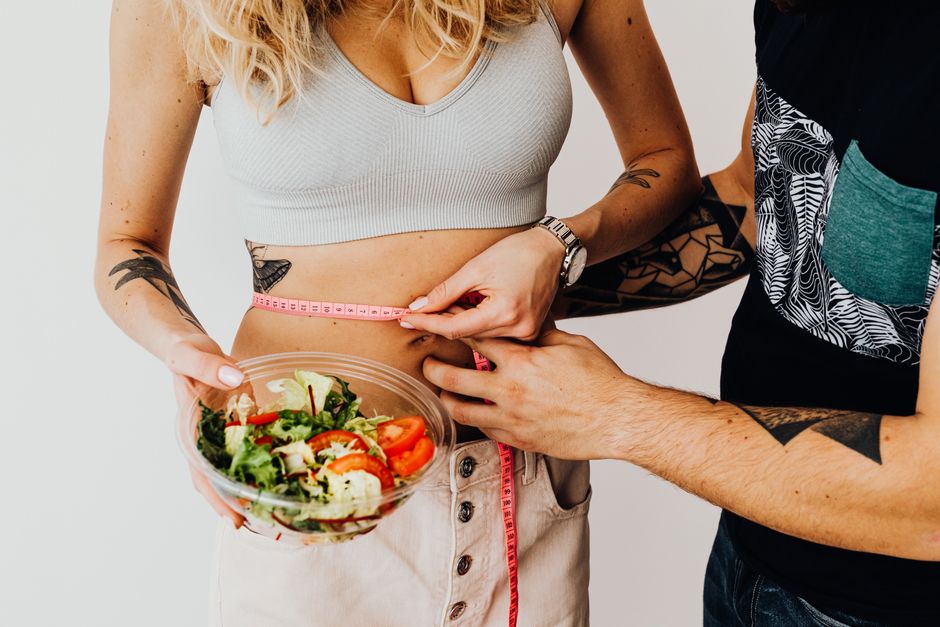
Meal planning is one of the most powerful tools for sustainable weight loss. When you plan your meals in advance, you take control of what goes into your body and eliminate impulsive food choices that can derail your progress. **Research shows that people who meal plan are more likely to stick to their nutrition goals** and lose weight consistently over time.
Getting started with meal planning doesn’t have to be overwhelming. Begin by selecting **one week at a time** and choose 5-7 simple recipes that align with your calorie and nutrition targets. Write down your meals for breakfast, lunch, dinner, and snacks, then create a shopping list based on those recipes.
Choosing the right meals for weight loss means focusing on nutrient-dense foods that keep you satisfied. Prioritize **lean proteins, fiber-rich vegetables, whole grains, and healthy fats** that provide energy without excessive calories. Avoid processed foods, sugary drinks, and refined carbohydrates that spike blood sugar and leave you hungry soon after eating.
Editor’s pick: meal prep containers glass — compare options and current availability.
Understanding Nutritional Requirements
Macronutrients—protein, carbohydrates, and fats—each play a distinct role in weight loss success. **Protein builds and preserves muscle mass**, which keeps your metabolism running efficiently even as you lose weight. Carbohydrates provide energy for daily activities and exercise, while healthy fats support hormone production and help you feel full longer.
Calculating your daily calorie needs is essential for creating an effective meal plan. Most weight loss experts recommend a **deficit of 500-750 calories per day** to lose 1-1.5 pounds per week safely. Use an online calculator that factors in your age, gender, weight, height, and activity level to determine your baseline calorie needs, then subtract your target deficit.
A balanced weight loss meal plan typically includes 25-35% protein, 40-50% carbohydrates, and 20-30% healthy fats. These ratios help control hunger, preserve lean muscle, and provide steady energy throughout the day. Adjust these percentages based on your activity level—athletes and highly active individuals may need more carbohydrates, while sedentary people often benefit from higher protein ratios.
Creating a Balanced Meal Plan
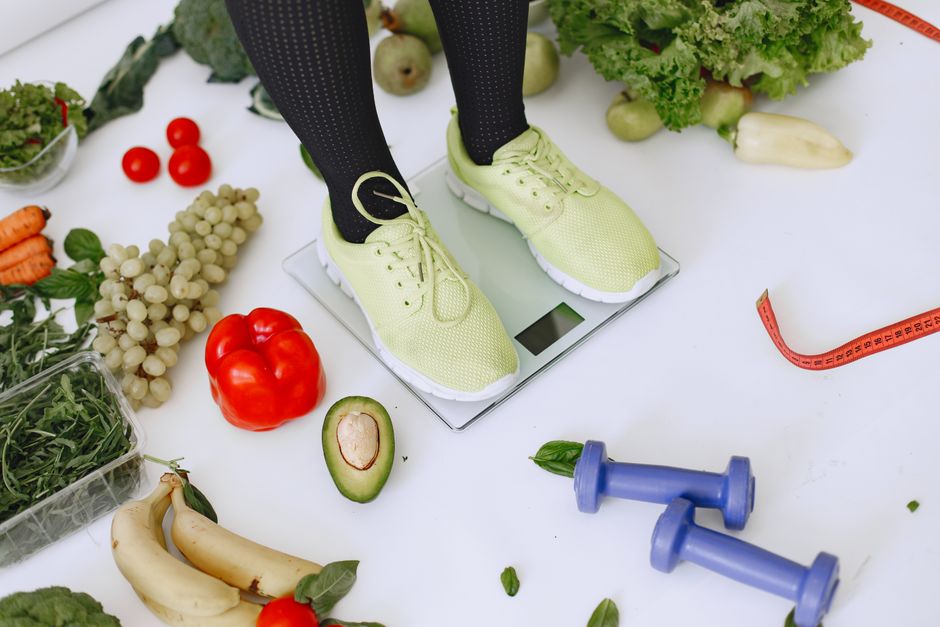
Structuring meals for optimal nutrition means including all three macronutrients at each meal. A typical weight loss plate consists of **half non-starchy vegetables, one-quarter lean protein, and one-quarter complex carbohydrates** with a small serving of healthy fat. This combination maximizes nutrient density while controlling portions naturally.
Incorporating variety prevents meal plan fatigue and ensures you get a wide range of vitamins and minerals. Rotate different protein sources like chicken, fish, turkey, eggs, tofu, and legumes throughout the week. **Experiment with colorful vegetables, various whole grains, and different cooking methods** to keep meals interesting and satisfying.
Meal planning works for every dietary preference. Vegetarians can build meals around beans, lentils, quinoa, tempeh, and Greek yogurt for protein. Vegans thrive on combinations of legumes, nuts, seeds, and whole grains. Those following gluten-free diets have endless options with rice, potatoes, quinoa, and naturally gluten-free whole foods as their foundation.
Preparing Meals for the Week
Time-saving meal prep techniques transform weight loss from a daily struggle into an effortless routine. Dedicate **2-3 hours on Sunday or your day off** to washing and chopping vegetables, cooking proteins in bulk, and portioning meals into containers. This investment pays off all week with grab-and-go options that prevent last-minute unhealthy choices.
Batch cooking is your secret weapon for meal plan success. Cook large portions of staples like grilled chicken breast, roasted vegetables, quinoa, brown rice, and hard-boiled eggs. **Store these components separately** so you can mix and match throughout the week, creating different flavor combinations from the same base ingredients.
Storing meals properly maintains freshness and nutrition. Use glass or BPA-free plastic containers with tight-sealing lids, and store meals in the refrigerator for up to 4 days or freeze for longer storage. Reheat gently in the microwave or on the stovetop, adding a splash of water or broth to restore moisture. Keep sauces and dressings separate until ready to eat for the best texture and flavor.
Healthy Recipe Ideas for Weight Loss
Breakfast sets the tone for your entire day of eating. Start with **high-protein options like vegetable omelets, Greek yogurt parfaits with berries and nuts, or overnight oats with protein powder**. These meals provide sustained energy, control mid-morning hunger, and prevent the blood sugar crashes that lead to cravings.
Lunch and dinner should be filling yet calorie-controlled. Try grilled chicken with roasted Brussels sprouts and sweet potato, baked salmon with quinoa and steamed broccoli, or turkey chili loaded with beans and vegetables. **Sheet pan meals and one-pot dishes** make preparation effortless while delivering complete nutrition in proper portions.
Smart snacking supports weight loss when done strategically. Keep 100-150 calorie portions of almonds, apple slices with almond butter, carrots with hummus, or cottage cheese with cucumber ready to go. These options provide protein and fiber to bridge the gap between meals without derailing your calorie budget.
Eating Out and Staying on Track
Dining out doesn’t have to sabotage your weight loss meal plan. Before arriving at the restaurant, **review the menu online and pre-select a healthy option** that fits your nutritional goals. This prevents impulsive ordering when you’re hungry and surrounded by tempting high-calorie choices.
Navigating restaurant menus becomes easier when you know what to look for. Choose grilled, baked, or steamed proteins instead of fried options. Request dressings and sauces on the side, double the vegetables instead of starches, and ask for a to-go box immediately to portion out half your meal before eating.
Staying on track while eating out requires planning and flexibility. Eat a small protein-rich snack before leaving home to curb excessive hunger. Skip the bread basket and sugary drinks, and don’t be afraid to customize your order. **Most restaurants are happy to accommodate requests** like substituting vegetables for fries or grilling instead of frying.
Staying Motivated and Accountable
Tracking your progress keeps you focused and allows for necessary adjustments. Weigh yourself weekly at the same time of day, take progress photos monthly, and measure your waist, hips, and other areas every 2-3 weeks. **The scale doesn’t tell the whole story**—sometimes you’re losing fat and gaining muscle simultaneously, which shows up in measurements and photos before the scale budges.
Weight loss plateaus are normal and expected. When progress stalls for 2-3 weeks, reassess your calorie intake and activity level. As you lose weight, your calorie needs decrease, so you may need to adjust portions downward. **Adding strength training or increasing daily movement** can also restart fat loss without drastically cutting calories.
Finding support and accountability partners dramatically increases your success rate. Join online communities, work with a nutritionist or health coach, or recruit a friend or family member to meal plan with you. Share your weekly meal plans, celebrate victories together, and troubleshoot challenges as they arise. Accountability transforms meal planning from a solo effort into a shared journey.
Meal Plan Comparison Table
| Plan Type | Daily Calories | Protein % | Best For | Prep Time |
|---|---|---|---|---|
| High Protein | 1400-1600 | 35-40% | Active individuals, muscle preservation | 2-3 hours/week |
| Balanced | 1500-1700 | 25-30% | General weight loss, sustainable approach | 2 hours/week |
| Plant-Based | 1400-1600 | 25-30% | Vegetarians, vegans, plant-forward eaters | 2.5 hours/week |
| Low-Carb | 1300-1500 | 30-35% | Those who feel best with fewer carbs | 2 hours/week |
Frequently Asked Questions
Q: Can I still enjoy occasional treats while following a weight loss meal plan?
A: Absolutely—**moderation is key to long-term success**. The 80/20 rule works well for most people: eat nutrient-dense, planned meals 80% of the time and allow room for treats 20% of the time. Build these indulgences into your weekly calorie budget rather than viewing them as cheats. A small dessert or glass of wine once or twice per week won’t derail your progress if you plan for it and compensate with balanced meals the rest of the week.
Q: How can I make my meal plan more sustainable and environmentally friendly?
A: Start by **reducing food waste through careful planning and proper storage**. Buy only what you need, use vegetable scraps for homemade broth, and freeze excess portions before they spoil. Choose locally sourced, seasonal produce when possible and incorporate more plant-based meals into your rotation—even two meatless dinners per week significantly reduces your environmental impact. Shop with reusable bags and containers, and select items with minimal packaging.
Q: What are some tips for meal planning on a tight budget?
A: Strategic shopping makes healthy eating affordable. **Buy versatile staples in bulk** like dried beans, rice, oats, frozen vegetables, and canned tomatoes. Plan meals around weekly sales and seasonal produce, which is both cheaper and more flavorful. Stick to your shopping list to avoid impulse purchases, and consider store brands for significant savings. Eggs, canned tuna, chicken thighs, and Greek yogurt provide quality protein at lower prices than premium cuts of meat.
Top Product Recommendations
| Product Name | Rating | Key Feature | Est. Price | Action |
|---|---|---|---|---|
| Top-rated meal prep containers glass | ★★★★★ | Editor-recommended meal prep containers glass from this guide | $18–$42 | Check Lowest Price on Amazon |
| Best-value food scale digital kitchen | ★★★★☆ | Affordable food scale digital kitchen — strong everyday results | $12–$28 | Check Lowest Price on Amazon |
| Premium meal planning notebook weight loss | ★★★★☆ | Higher-end meal planning notebook weight loss for visible, lasting results | $45–$95 | Check Lowest Price on Amazon |
Affiliate Disclosure: This post contains affiliate links. We may earn a commission if you buy through our links, at no extra cost to you. Medical Disclaimer: This content is for informational purposes only and is not medical advice. Consult a healthcare professional before changing diet or exercise.
Leave a Reply