Low-Carb Breakfast Ideas
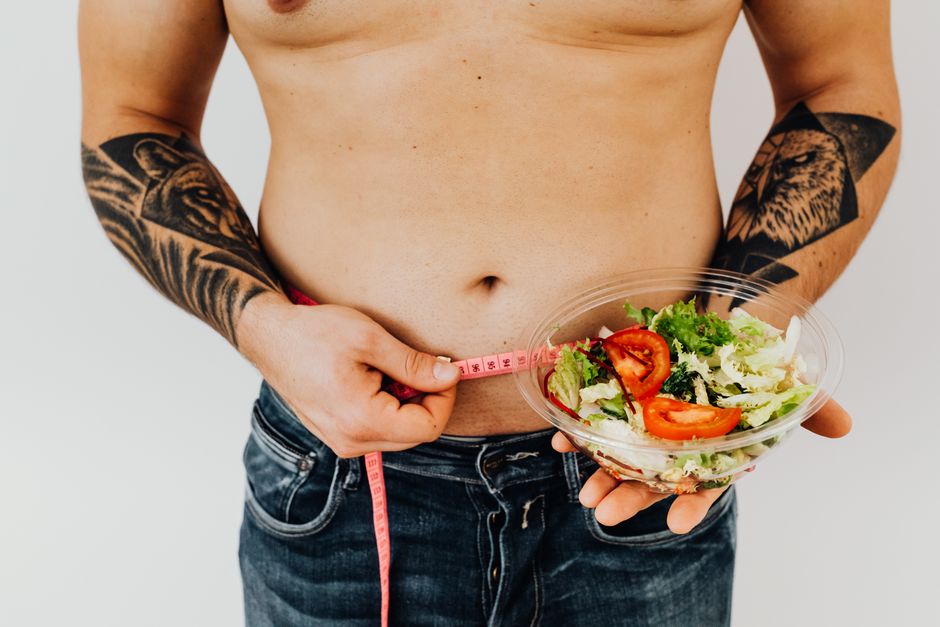
Starting your day with a **low-carb breakfast** sets the foundation for steady energy and reduced cravings throughout the morning. High-protein options like scrambled eggs with spinach, Greek yogurt with berries, or a veggie-packed omelet keep you satisfied without spiking blood sugar. These meals typically contain 15-25 grams of protein and fewer than 15 grams of net carbs.
Incorporating **healthy fats** from sources like avocado, nuts, or olive oil helps slow digestion and promotes lasting fullness. A breakfast of two eggs cooked in a teaspoon of olive oil with half an avocado provides about 20 grams of fat and 300 calories that fuel your morning without weighing you down. The combination of protein and fat creates a metabolic advantage for weight loss.
Avoiding processed sugars means skipping cereals, pastries, and flavored yogurts that contain hidden sweeteners. Instead, sweeten Greek yogurt naturally with a handful of fresh blueberries or a sprinkle of cinnamon. This simple swap eliminates 15-30 grams of added sugar while preserving flavor and satisfaction.
Editor’s pick: meal prep containers glass — compare options and current availability.
Salad Lunches for Rapid Weight Loss
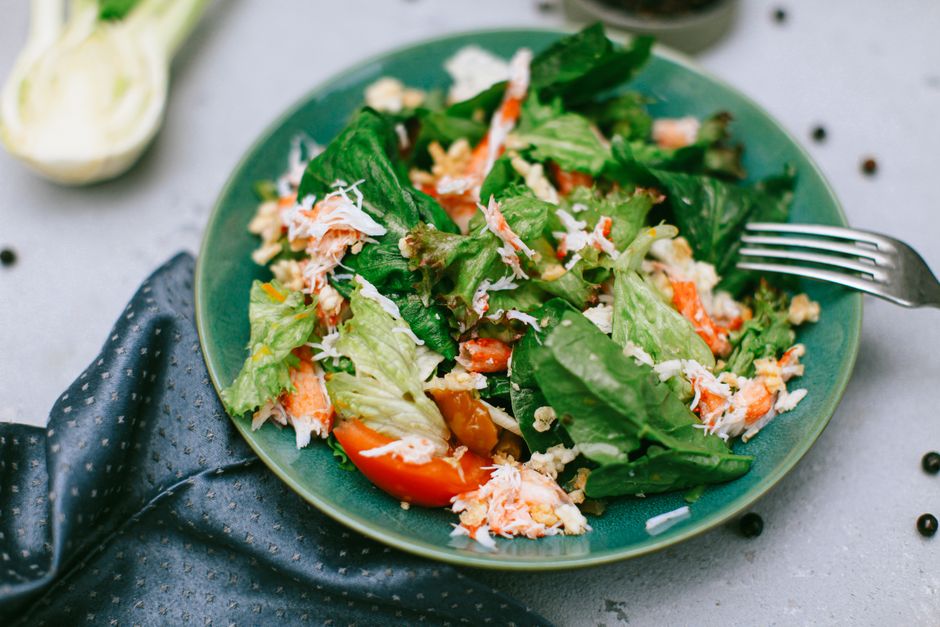
**Leafy greens** form the nutrient-dense base of any weight-loss salad, with spinach, arugula, and romaine offering high volumes of food for minimal calories. A large salad bowl filled with mixed greens provides only 20-30 calories while delivering fiber, vitamins, and antioxidants. Building your lunch around greens allows you to eat until satisfied without exceeding your calorie budget.
Choosing **low-calorie dressings** makes or breaks a salad’s weight-loss potential, since creamy dressings can add 200-300 calories per serving. Opt for vinaigrettes made with olive oil and vinegar, limiting yourself to 1-2 tablespoons, or use lemon juice with herbs for a zero-calorie option. Measuring your dressing prevents the common mistake of doubling or tripling intended portions.
Adding **protein toppings** like grilled chicken breast, hard-boiled eggs, or chickpeas transforms a side salad into a complete meal. Aim for 20-30 grams of protein per salad to maintain muscle mass during weight loss and extend satiety for 4-5 hours. Grilled shrimp, baked tofu, or canned tuna work equally well as lean, affordable protein sources.
Healthy Snack Swaps
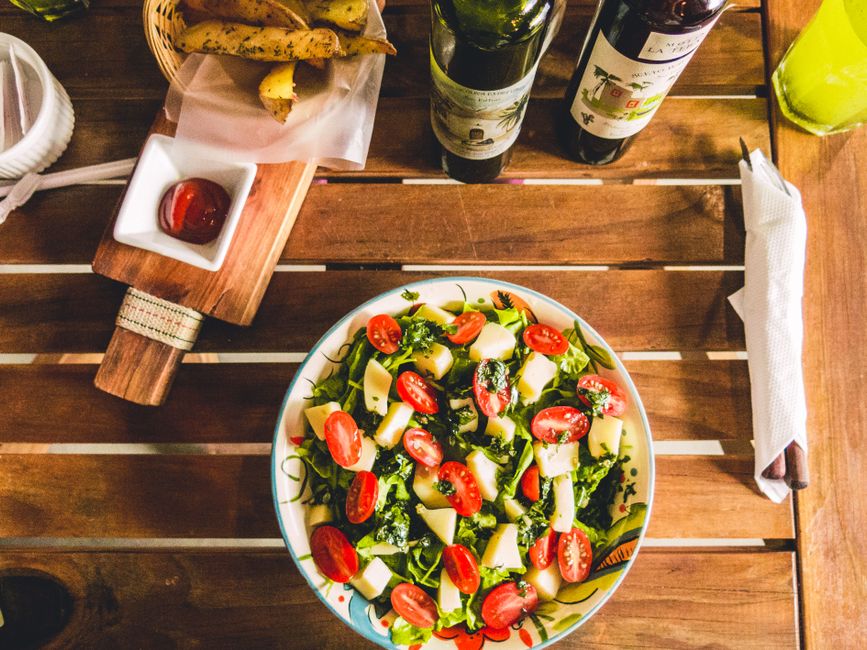
Replacing chips and cookies with **fruits and vegetables** cuts calories dramatically while increasing nutrient intake. Crunchy options like celery sticks, bell pepper strips, and cucumber slices satisfy the urge to munch, while sweet fruits like strawberries and melon replace candy cravings. A cup of sliced bell peppers with two tablespoons of hummus delivers only 100 calories compared to 300+ in a bag of chips.
**Nuts and seeds** provide portable protein and healthy fats that stabilize blood sugar between meals. A single-serve portion of almonds (about 23 nuts or one ounce) contains 160 calories, 6 grams of protein, and 3.5 grams of fiber. Pre-portioning nuts into small containers prevents overeating, since it’s easy to consume 400-500 calories straight from a large bag.
Making **homemade energy bars** lets you control sugar content and avoid mysterious additives found in commercial bars. Blend dates, oats, almond butter, and dark chocolate chips, then press into a pan and refrigerate. Each homemade bar costs about 50 cents and contains half the sugar of store-bought versions while providing 5-7 grams of protein.
Dinner Recipes for Weight Loss
Centering dinner around **lean proteins** like chicken breast, turkey, white fish, or plant-based options ensures you meet daily protein needs without excess fat. A 4-ounce serving of grilled chicken breast provides 35 grams of protein for only 165 calories. Baking, grilling, or air-frying these proteins avoids added cooking fats while maintaining flavor through herbs and spices.
Pairing protein with **fiber-rich sides** like roasted broccoli, cauliflower rice, or a mixed green salad creates volume and satisfaction. Fiber slows digestion and promotes gut health while adding minimal calories—a full cup of steamed broccoli contains only 55 calories and 5 grams of fiber. These vegetables can fill half your dinner plate without derailing weight loss.
Practicing **portion control** means measuring main courses until you internalize proper serving sizes. Use a food scale initially to learn that 4 ounces of cooked protein fits in your palm, while a fist-sized portion of vegetables and a thumb-sized amount of healthy fat (like olive oil) complete a balanced plate. This visual method simplifies meal planning without requiring constant calorie counting.
Dessert Alternatives for Weight Loss
Choosing **fresh fruit options** satisfies sweet cravings while delivering vitamins, antioxidants, and fiber that processed desserts lack. A bowl of mixed berries with a dollop of unsweetened whipped cream contains about 80 calories compared to 300+ in a slice of cake. Freezing grapes or banana slices creates a naturally sweet frozen treat that mimics ice cream’s texture.
Experimenting with **low-sugar desserts** made from natural sweeteners like stevia or monk fruit allows occasional indulgence without blood sugar spikes. Dark chocolate squares (70% cocoa or higher) provide antioxidants and satisfaction with just 2-3 small pieces. Greek yogurt mixed with cocoa powder and a touch of honey creates a protein-rich chocolate mousse alternative.
Blending frozen bananas into **frozen yogurt ideas** produces a creamy, ice-cream-like consistency without added sugar or fat. Add a spoonful of peanut butter or a handful of spinach (you won’t taste it) for extra nutrition. This simple swap delivers calcium and probiotics while keeping calories under 150 per serving.
Hydration and Weight Loss
Maintaining adequate **water intake** supports metabolism, reduces false hunger signals, and helps the body process stored fat. Aim for half your body weight in ounces daily—a 160-pound person should drink about 80 ounces of water. Drinking a full glass before meals naturally reduces portion sizes and prevents mistaking thirst for hunger.
Creating **infused waters** with cucumber, lemon, mint, or berries adds flavor without calories or artificial sweeteners. Fill a pitcher each morning with water and your chosen ingredients, letting it steep in the refrigerator throughout the day. This simple habit makes plain water more appealing and increases overall consumption.
Switching to **caffeine-free beverages** in the afternoon and evening prevents sleep disruption that can trigger stress eating and hormonal imbalances. Herbal teas like chamomile, peppermint, or rooibos offer warm comfort without caffeine or calories. Adequate sleep directly impacts hunger hormones ghrelin and leptin, making hydration choices affect weight loss beyond simple calorie math.
Weekly Meal Plan Template
A structured template covering **breakfast, lunch, dinner, and snack ideas** removes daily decision fatigue and reduces impulse eating. Monday through Friday might feature egg muffins for breakfast, mason jar salads for lunch, sheet-pan proteins with roasted vegetables for dinner, and pre-portioned nuts for snacks. Weekends allow more flexibility while maintaining the same calorie and macro framework.
Generating a **grocery list** from your weekly template ensures you buy only what you need, reducing food waste and budget overruns. Organize the list by store section—produce, proteins, dairy, pantry staples—to streamline shopping trips. Buying in bulk for staples like oats, rice, and frozen vegetables cuts costs by 20-30% compared to single-serving purchases.
Following a **meal prep schedule** dedicates 2-3 hours on Sunday to batch-cooking proteins, chopping vegetables, and portioning snacks. Roast five chicken breasts, cook a large pot of quinoa, wash and chop salad ingredients, and divide nuts into snack bags. This upfront investment saves 10-15 minutes per meal during the busy workweek and eliminates the temptation to order takeout.
Seasonal Produce and Weight Loss
Taking advantage of **spring and summer options** like berries, tomatoes, zucchini, and leafy greens provides peak flavor and nutrition at lower prices. Strawberries in June cost half what they do in January while tasting significantly better. Grilling seasonal vegetables like asparagus and bell peppers becomes a highlight rather than a dietary chore during warm months.
Embracing **fall and winter choices** such as squash, Brussels sprouts, apples, and root vegetables keeps meals interesting when salad ingredients feel less appealing. Roasting butternut squash with cinnamon creates a naturally sweet side dish, while Brussels sprouts crisped in the oven rival any restaurant appetizer. These hearty vegetables provide comfort during cold weather without heavy sauces or excess calories.
Understanding **seasonal eating benefits** extends beyond taste and cost to include environmental impact and nutrient density. Produce picked at peak ripeness and consumed locally retains more vitamins than items shipped thousands of miles. Farmers market shopping connects you with seasonal rhythms and often introduces unfamiliar vegetables that expand your recipe repertoire naturally.
Frequently Asked Questions
Q: What is the best time to eat meals when trying to lose weight?
A: Eating within a consistent 8-12 hour window supports your body’s circadian rhythm and digestive processes. Most people find success eating between 8 AM and 6 PM, allowing 12-14 hours of overnight fasting. However, meal timing matters less than total daily calories and food quality—find a schedule that prevents late-night snacking and fits your lifestyle.
Q: How can I meal prep for a week in just a few hours?
A: Dedicate Sunday afternoon to batch-cooking proteins (grilled chicken, hard-boiled eggs, baked fish), chopping vegetables for the week, and portioning snacks into grab-and-go containers. Use sheet pans to roast multiple vegetables simultaneously and a rice cooker or Instant Pot for hands-off grain preparation. Investing 2-3 focused hours yields 10+ prepared meals and snacks.
Q: Can I eat out and still lose weight?
A: Yes, by making strategic menu choices like grilled proteins, requesting dressings and sauces on the side, and eating half the portion while boxing the rest immediately. Skip bread baskets and sugary drinks, and build meals around lean protein and vegetables. Many chain restaurants now list calorie counts, making informed decisions easier when dining out.
Q: How often should I change my meal plan?
A: Rotate your meal plan every 2-4 weeks to prevent boredom and ensure nutritional variety, though core principles like high protein and abundant vegetables remain constant. Seasonal changes naturally prompt updates as different produce becomes available. Listen to your body—if you dread meals or constantly crave variety, adjust your plan sooner.
Q: What are some healthy meal plan apps?
A: Apps like MyFitnessPal track calories and macros with a massive food database, while Mealime generates weekly plans with integrated grocery lists. Eat This Much creates meal plans based on your calorie target and dietary preferences. Most apps offer free basic versions with optional premium features for recipe customization and advanced tracking.
Q: How can I make my meal plan more eco-friendly?
A: Choose seasonal and locally-grown produce from farmers markets, reduce meat consumption by incorporating plant-based proteins twice weekly, and minimize packaging by buying bulk grains and using reusable containers. Planning meals carefully reduces food waste—Americans throw away 30-40% of purchased food. Composting vegetable scraps and choosing sustainable seafood further reduces your environmental impact.
Top Product Recommendations
| Product Name | Rating | Key Feature | Est. Price | Action |
|---|---|---|---|---|
| Top-rated meal prep containers glass | ★★★★★ | Editor-recommended meal prep containers glass from this guide | $18–$42 | Check Lowest Price on Amazon |
| Best-value food scale digital kitchen | ★★★★☆ | Affordable food scale digital kitchen — strong everyday results | $12–$28 | Check Lowest Price on Amazon |
| Premium salad dressing bottles small | ★★★★☆ | Higher-end salad dressing bottles small for visible, lasting results | $45–$95 | Check Lowest Price on Amazon |
Affiliate Disclosure: This post contains affiliate links. We may earn a commission if you buy through our links, at no extra cost to you. Medical Disclaimer: This content is for informational purposes only and is not medical advice. Consult a healthcare professional before changing diet or exercise.
Leave a Reply